Do Coffee Grounds Protect Hostas? Discover the Benefits for Your Garden
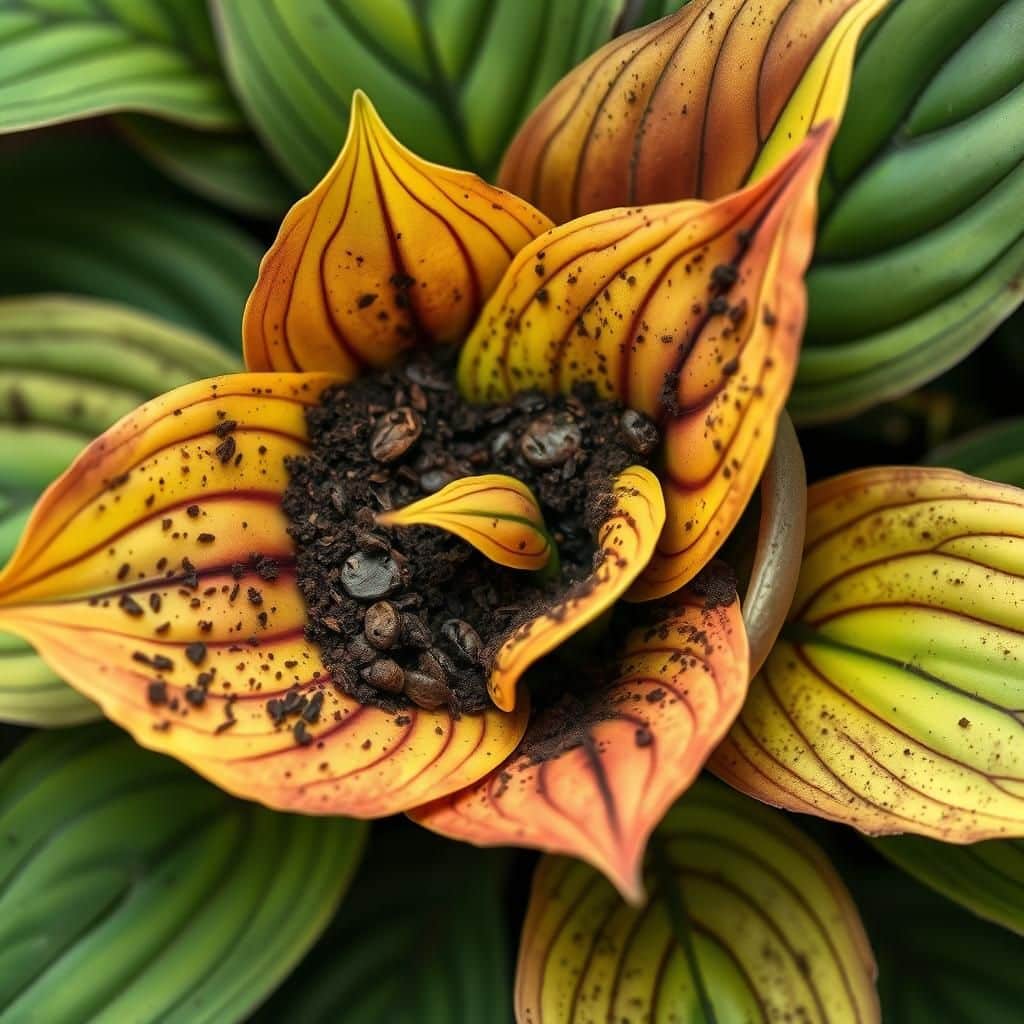
Coffee grounds have long been a staple in gardening, touted for their numerous benefits. Specifically, when it comes to hostas—those lush, leafy perennials that grace many gardens—coffee grounds may offer more than just a caffeine kick for your plants. Packed with essential nutrients and beneficial properties, coffee grounds can enhance soil quality, deter certain pests, and even promote healthier growth. In this article, we will explore how integrating coffee grounds into your gardening routine can provide a protective shield for your hostas, while also enhancing the overall vitality of your garden. Discover the surprising advantages of this common kitchen waste!
Do Coffee Grounds Protect Hostas?
Using coffee grounds as a natural amendment in the garden can indeed offer some protection for hostas. Coffee grounds can enhance soil quality by improving drainage and adding organic matter, which benefits hostas, known for their love of rich, moist soil. Additionally, the grounds may act as a deterrent to certain pests such as slugs and snails, which are notorious for damaging hostas. The acidic nature of coffee grounds can also help to maintain the right pH balance for hostas, which typically prefer slightly acidic to neutral soil conditions, thus contributing to their vigorous growth and health.
Benefits of Coffee Grounds for Soil
Coffee grounds are a great addition to the soil as they are rich in nitrogen, which is essential for plant growth. Introducing coffee grounds into the garden can enhance microbial activity, improving nutrient uptake for hostas. The improved texture of the soil helps with moisture retention, which is crucial for hostas, especially in dry spells. Furthermore, as coffee grounds decompose, they enrich the soil with additional organic matter, leading to healthier plant growth.
Coffee Grounds and Pest Deterrence
One of the main reasons gardeners use coffee grounds is their potential to deter garden pests. The coarse texture of the grounds can create a barrier that slugs and snails may avoid, as they struggle to move over the gritty surface. Additionally, the smell of coffee may be unappealing to some pests. Using coffee grounds around hostas can be an environmentally friendly way to reduce these pest populations without relying on chemical pesticides.
Effects of Acidity on Hostas
Hostas thrive in slightly acidic to neutral soils, and coffee grounds can help maintain this balance. By incorporating used coffee grounds into the soil, gardeners can slightly lower the pH, which aligns with the nutritional preferences of hostas. This relationship between soil acidity and plant health is vital, as it can enhance the absorption of essential nutrients, leading to more lush and vibrant foliage for the hostas.
See also:
How to Use Coffee Grounds with Hostas
When using coffee grounds with hostas, it’s best to apply them in moderation. A thin layer spread around the base of the plants, mixed into the topsoil, or added to compost piles are effective methods. Over-application can lead to soil compaction or may attract unwanted pests if too much is present. Regularly mixing the grounds into the soil helps ensure that they decompose properly, enhancing the nutrient profile without overwhelming the plants.
Potential Drawbacks of Using Coffee Grounds
While there are several benefits to using coffee grounds, there are some potential drawbacks to consider. Excessive use of coffee grounds can lead to an increase in soil acidity, which might not be suitable for all garden plants. Moreover, if not composted properly, grounds can clump together and create a barrier that prevents water drainage. Therefore, it's important for gardeners to monitor the effects after applying coffee grounds and make adjustments as necessary for the ongoing health of their hostas.
| Feature | Benefits | Considerations |
|---|---|---|
| Soil Improvement | Enhances drainage and adds organic matter | Apply in moderation to prevent compaction |
| Pest Deterrence | May deter slugs and snails | Effectiveness may vary by pest species |
| pH Levels | Helps maintain optimal acidity | Requires monitoring for over-acidity |
| Application | Easy to incorporate into soil or compost | Excessive amounts can lead to problems |
| Microbial Activity | Boosts soil microbial health | Needs adequate moisture for effective decomposition |
Understanding the Impact of Coffee Grounds on Hosta Plants
Using coffee grounds in your garden can offer multiple benefits, particularly for hostas, which are often prone to pests and diseases. Coffee grounds are known to enhance soil structure, improve drainage, and increase nutrient availability for the plants. The rich nitrogen content in coffee grounds helps to promote healthy leaf growth in hostas while also attracting beneficial earthworms that aerate the soil. However, it's essential to use coffee grounds in moderation, as excessive amounts can lead to acidity in the soil and potentially harm plant health.
The Nutritional Benefits of Coffee Grounds for Hostas
Coffee grounds are rich in nitrogen, a crucial nutrient for plant growth. When added to the soil, they provide hostas with a slow-release source of nitrogen that supports the development of lush, green leaves. In addition to nitrogen, coffee grounds contain trace minerals like calcium, magnesium, and potassium, which are essential for overall plant health. By incorporating coffee grounds into the soil, gardeners can create an enriched environment that promotes the vigor and vitality of their hostas.
How Coffee Grounds Improve Soil Structure
Integrating coffee grounds into your garden soil can significantly improve its texture. Coffee grounds help to enhance soil aeration and drainage, preventing compaction, which is particularly advantageous for the shallow-rooted hostas. As coffee grounds decompose, they contribute to the formation of humus, improving the overall organic matter content of the soil. This leads to better moisture retention and provides a more favorable growing environment for hostas, allowing them to thrive.
See also:
Potential Pest Repellent Properties of Coffee Grounds
Coffee grounds may act as a natural pest deterrent, making them a potentially beneficial addition to your hosta garden. The caffeine in coffee can be toxic to certain pests, including slugs and snails, which are notorious for attacking hostas. Sprinkling coffee grounds around your plants might help create a barrier that lessens the likelihood of these pests causing damage. However, while coffee grounds can reduce pest activity, they should not solely be relied upon for pest control, as a holistic approach is essential for garden health.
Environmental Benefits of Recycling Coffee Grounds
Using coffee grounds in your garden is a fantastic way to promote sustainability by recycling what would otherwise be waste. By incorporating them into your soil, you're not only providing a nutrient boost for your hostas but also reducing landfill waste. This practice aligns with eco-friendly gardening principles, helping to create a healthier planet. Moreover, using coffee grounds helps to lower your overall gardening expenses, as they serve as a free and effective soil amendment.
Considerations When Using Coffee Grounds on Hostas
While coffee grounds have many advantages, gardeners should be mindful of a few considerations before applying them to hostas. It’s crucial to ensure that you don't apply too much, as excessive amounts can lead to soil acidity, negatively affecting hosta growth. Additionally, it is advisable to mix coffee grounds with other organic matter to create a more balanced soil amendment. Monitoring your plants after application will help determine if this practice is successfully enhancing their health and vitality.
Questions from Our Readers
Do coffee grounds repel slugs and snails from hostas?
Yes, coffee grounds can help to repel slugs and snails, which are common pests of hostas. The gritty texture of coffee grounds makes it difficult for these mollusks to navigate, potentially keeping them away from your plants.
Are coffee grounds beneficial for the soil around hostas?
Absolutely, coffee grounds can be beneficial for the soil by adding nitrogen and improving its overall structure. This can lead to healthier hostas, as the enriched soil supports better growth and resilience against diseases.
See also:
How should I apply coffee grounds to my hostas?
To apply coffee grounds, simply spread a thin layer around the base of your hostas or mix them into the soil. Avoid excessive amounts, as too many grounds can lead to compaction and may hinder water absorption.
Can coffee grounds affect the acidity of the soil for hostas?
Yes, coffee grounds can slightly increase the acidity of the soil, which may benefit certain types of hostas that prefer a more acidic environment. However, it’s important to monitor the soil pH to avoid making it too acidic for your plants.

If you want to read more articles like Do Coffee Grounds Protect Hostas? Discover the Benefits for Your Garden, we recommend you check out our Hostas category.
Leave a Reply
Related Articles