Can Begonias Take Full Sun? A Comprehensive Guide to Sunlight Requirements for Begonia Plants

When it comes to growing begonias, understanding their sunlight requirements is crucial for thriving plants. Many gardeners wonder if these popular ornamental flowers can handle full sun exposure. While some begonia varieties are more tolerant of direct sunlight than others, factors such as temperature, humidity, and soil type play essential roles in their overall health. In this comprehensive guide, we'll explore the different types of begonias, their ideal light conditions, and practical tips for ensuring your plants flourish in varying sun environments. Whether you're a novice or an experienced gardener, this information will help you make informed choices for your begonia care.
Can Begonias Tolerate Full Sun Exposure?
Begonias are known for their stunning foliage and vibrant flowers, but their tolerance to full sun exposure varies by species. While some types, such as the wax begonia and begonia semperflorens, can withstand a few hours of direct sunlight each day, most begonias prefer partial shade or filtered light. Excessive sunlight can lead to leaf scorch, faded colors, and reduced plant vigor. It is essential for growers to understand the specific needs of their begonias to ensure optimal growth and blooming.
Types of Begonias and Their Light Requirements
Different types of begonias have unique light needs. For instance, tuberous begonias thrive best in indirect sunlight, while angel-wing begonias prefer a bit more brightness. Conversely, fibrous-rooted begonias, like wax begonias, can handle some direct sunlight but still do best in filtered light conditions. Understanding these distinctions is crucial for successful cultivation.
Effects of Full Sun on Begonias
Exposure to full sun can have detrimental effects on begonias. The intense heat and sunlight may cause leaf burn, which manifests as crispy, brown edges on the leaves. Additionally, prolonged exposure can lead to fading of the plant's vibrant colors and even hinder its overall growth. Thus, protecting begonias from harsh sun conditions is vital to maintain their health and appearance.
Best Practices for Growing Begonias
To grow healthy begonias, it's important to provide them with the right amount of light and moisture. Most begonias do well in bright, indirect light and should be watered regularly, allowing the soil to slightly dry out between waterings. Using mulch can help retain moisture in the soil while also providing some protection from direct sunlight. Additionally, rotating the pots can ensure even light exposure.
Signs of Sun Stress in Begonias
Identifying the signs of sun stress is crucial for the timely care of begonias. Common indicators include wilting, discoloration, and leaf drop. Leaves may appear scorched or overly faded due to too much sun exposure. By observing these signs, growers can adjust the plant's environment, placing it in a more suitable location that avoids direct sunlight during the hottest parts of the day.
Alternatives to Full Sun for Begonias
If full sun conditions are unavoidable, consider alternatives that provide a more suitable environment for begonias. Growing begonias in part shade or using sheer curtains can diffuse harsh sunlight. Planting in locations that receive morning sun with afternoon shade also creates a more favorable microclimate for these plants, helping them to thrive instead of suffer from excessive light exposure.
| Begonia Type | Light Preference | Sun Tolerance |
|---|---|---|
| Wax Begonia | Bright, Indirect Light | Moderate |
| Tuberous Begonia | Indirect Light | Low |
| Angel-Wing Begonia | Bright Indirect Light | Low |
| Fibrous-Rooted Begonia | Partial Shade | Moderate |
What happens if begonias get too much sun?

If begonias get too much sun, a variety of detrimental effects can occur, which can significantly impact the health and appearance of the plant. Begonias thrive in indirect sunlight and prefer lower light conditions. When exposed to intense, direct sunlight, several symptoms indicating stress may arise.
One of the primary consequences of excessive sun exposure is leaf scorch. This condition is characterized by brown, crispy leaf edges and can extend to the entire leaf surface. Additionally, the plant may experience bleaching, where the bright colors of the leaves wash out, losing their vivid hues. Furthermore, too much sun can stunt the growth of begonias, leading to smaller leaves and fewer flowers as the plant redirects its energy towards survival rather than thriving.
Symptoms of Sunburn in Begonias
The effects of too much sun on begonias can manifest in several visible symptoms, including:
- Browning tips and edges: Leaves may develop brown, crispy edges due to cellular damage.
- Leaf drop: Excessive sunlight can lead to stress that causes the plant to shed leaves.
- Stunted growth: Begonias may stop growing or grow slower in response to sun exposure that exceeds their tolerance.
Immediate Care for Overexposed Begonias
If you notice your begonias showing signs of too much sun, immediate action is vital. You can take the following steps:
See also:
- Relocate the plant: Move your begonia to a location with filtered light or partial shade.
- Adjust watering: Ensure the soil remains adequately moist but avoid overwatering to reduce stress.
- Trim damaged leaves: Pruning scorched leaves can minimize stress and encourage new growth.
Long-Term Solutions for Sun Exposure
To prevent future instances of sun damage to your begonias, consider implementing these strategies:
- Proper placement: Choose a spot that provides indirect sunlight for most of the day.
- Use sheer curtains: If indoors, sheer curtains can diffuse sunlight effectively.
- Monitor weather conditions: Be vigilant during heat waves and relocate plants if necessary.
Soil and Watering Considerations
The health of begonias is also affected by their soil and watering conditions under excessive sunlight:
- Soil drainage: Ensure soil is well-draining to prevent root rot, which can occur when plants are stressed.
- Consistency in watering: Keep a regular watering schedule to prevent further heat stress.
- Fertilization balance: Feeding begonias correctly, especially during growing seasons, can enhance resilience.
Choosing the Right Begonia Varieties for Sun Exposure
Selecting appropriate begonia species can minimize issues with sunlight exposure:
- Shade-loving varieties: Consider varieties like Begonia rex that naturally thrive in lower light conditions.
- Hybrid begonias: Many hybrids are bred to resist more sunlight; research is key to ensuring proper selection.
- Monitoring climate conditions: Be aware of your local climate, as it can affect sun exposure and plant selection.
What type of begonias can take full sun?
:strip_icc()/begonia-double-delight-blush-rose-750806-2ac3fa81f2ec47cb9022770690caeb60.jpg)
When considering which types of begonias can thrive in full sun, it is essential to identify specific varieties known for their resilience to direct sunlight. While many begonias prefer partial shade, some species are more tolerant and can adapt to sunnier environments. The most notable types include:
1. Wax Begonia (Begonia semperflorens): This is a popular choice among gardeners for sunny spots due to its hardy nature and vibrant blooms. It handles sunlight effectively.
2. Angelonia Begonia (Begonia x benariensis): Often known for its upright growth and beautiful flowers, Angelonia begonias can withstand full sun, making them ideal for borders and container gardens.
3. Begonia boliviensis: This species is renowned for its hanging growth habit and can perform well in full sun conditions, particularly in warmer climates.
4. Rex Begonia (Begonia rex): Although typically associated with indoor gardening, some varieties of Rex begonias can tolerate sunlight with proper care, especially in the morning sun.
5. Begonia 'Dragon Wing': Known for its robust nature and ability to produce a profusion of flowers, this hybrid begonia handles bright sunlight effectively when established.
Wax Begonia Characteristics
Wax begonias are an excellent choice for full sun gardens due to their adaptability and ability to bloom year-round. Their fleshy leaves and thick stems provide resilience in sunny spots.
- They come in various colors, including pink, red, and white.
- These begonias are low-maintenance and often resistant to diseases.
- They can grow between 6 to 12 inches tall, suitable for bedding and containers.
Angelonia Begonia Planting Tips
Angelonia begonias are favored for their colorful flowers and upright growth, making them perfect for sunny borders. Planting them properly ensures their successful growth and blooming.
See also:
- Choose well-draining soil to avoid root rot.
- Ensure they receive at least 6 hours of sunlight each day.
- Water regularly but avoid over-saturation for optimal growth.
Growing Begonia boliviensis in Full Sun
Begonia boliviensis is ideal for sunny gardens and hanging baskets, thanks to its trailing habit and vibrant flowers. This plant flourishes when given proper care.
- They prefer slightly acidic, well-draining soil for best results.
- It thrives in warm temperatures and needs regular watering during dry spells.
- Prune regularly to encourage bushier growth and extended blooming.
Caring for Rex Begonia in Sunlight
While Rex begonias typically enjoy partial shade, some can tolerate sunlight with adequate care. Understanding their needs is crucial for successful growth in sunnier areas.
- Provide morning sun with some afternoon shade to prevent leaf scorch.
- Keep the soil consistently moist but not soggy to support healthy growth.
- Use organic fertilizers to promote vibrant foliage and color.
Features of the 'Dragon Wing' Begonia
The 'Dragon Wing' begonia is celebrated for its vigor and blooms, making it suitable for full sun when established correctly. Its unique leaf shape adds visual interest to garden spaces.
- This hybrid is highly tolerant of heat and drought once mature.
- Encourages continuous flowering from spring until fall.
- Ideal for mass plantings or large containers due to its size and growth form.
Can begonias tolerate hot sun?
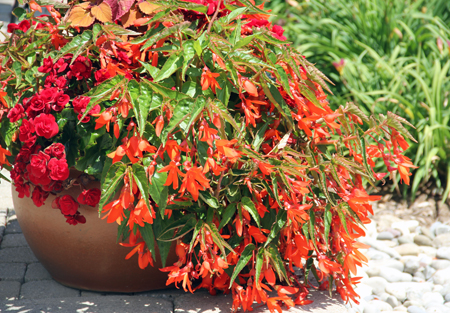
Begonias are popular ornamental plants known for their vibrant foliage and flowers. However, their ability to tolerate hot sun depends on the specific type of begonia and the conditions in which they are grown. Generally, most begonias prefer partial shade rather than full sun exposure. Here’s a detailed exploration of their sun tolerance.
Understanding Begonia Varieties
Different types of begonias exhibit varying tolerances to sunlight. While some varieties can manage in brighter conditions, others thrive in shade. Key distinctions include:
- Wax Begonias: Typically tolerate more sun than others.
- Tuberous Begonias: Prefer cooler, shaded environments.
- Rex Begonias: Sensitive to strong sunlight; thrive in indirect light.
Temperature and Sunlight Exposure
Begonias generally do not perform well in extremely hot conditions. Extreme heat coupled with direct sunlight can lead to stress on the plant, causing issues such as wilting or leaf scorch. The ideal conditions for begonias include:
- Daytime Temperature: Should be between 65°F to 75°F (18°C to 24°C).
- Indirect Sunlight: Encourages growth without risking damage.
- Morning Sun: Beneficial while avoiding hot afternoon rays.
Signs of Sun Damage
When begonias are exposed to too much sun, they can exhibit several signs indicating stress. Recognizing these early can help mitigate damage. Common signs include:
- Brown Leaf Edges: A clear indication of scorched tissue.
- Wilting Leaves: Lack of adequate moisture due to high temperatures.
- Faded Colors: A loss of vibrancy indicates stress.
Care Tips for Growing Begonias in Hot Climates
If you are growing begonias in warmer regions, there are several care strategies to ensure their health and vitality:
- Choose the Right Location: Opt for a site that gets dappled sunlight.
- Mulching: Helps retain soil moisture and regulate temperature.
- Regular Watering: Essential during hot spells; ensure the soil remains moist but not soggy.
Alternative Options for Sunny Spots
If your garden has intense sunlight, consider alternative options that may be better suited to those conditions:
- Sun-Loving Plants: Explore varieties like succulents or roses that thrive in full sun.
- Shade Cloths: Provide filtered light for sensitive plants like begonias.
- Container Growing: Allows for easier movement to shaded areas during peak sun intensity.
Questions from Our Readers
Can begonias thrive in full sun?
Begonias generally prefer partial shade rather than full sun. While some varieties can tolerate a few hours of direct sun, most will suffer from scorching and leaf burn if exposed to full sunlight for too long.
What happens to begonias in full sun?
When exposed to full sun, begonias may experience stress, causing their leaves to become crispy, discolored, or even drop off. This can ultimately lead to a decline in their overall health and vitality.
See also:
How much sunlight do begonias need?
Most begonias flourish in bright, indirect light, ideally receiving about 4 to 6 hours of filtered sunlight daily. This helps maintain their vibrant colors and encourages healthy growth without risking damage from direct sun exposure.
Can begonias be grown outdoors in sunny climates?
Yes, begonias can be grown outdoors in sunny climates, but it is essential to provide them with some protection from the harsh midday sun. Planting them in a location that receives morning sun and afternoon shade is often ideal.

If you want to read more articles like Can Begonias Take Full Sun? A Comprehensive Guide to Sunlight Requirements for Begonia Plants, we recommend you check out our Plants category.
Leave a Reply
Related Articles