How Far Apart Should I Put Hostas? Essential Tips for Optimal Planting Distance
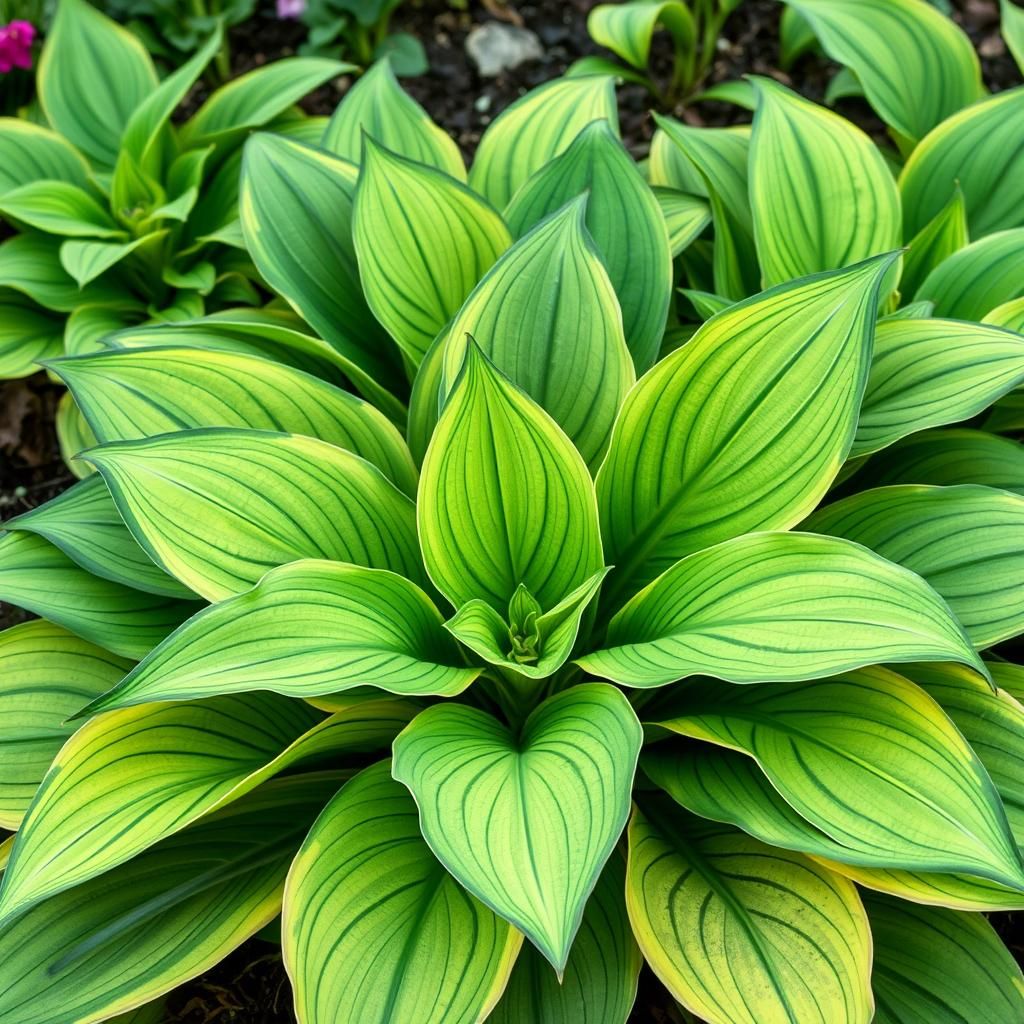
When landscaping with hostas, one of the key considerations is the spacing between plants. Properly placing hostas not only enhances their aesthetic appeal but also ensures healthy growth and minimizes competition for nutrients and water. In this article, we will explore essential tips for determining the optimal planting distance for hostas. Whether you're creating a lush garden border or a serene shaded retreat, understanding how far apart to position your hostas will help them thrive and flourish. Discover the factors that influence planting distance and learn how to maximize the beauty of your hosta collection.
How Far Apart Should I Space Hostas?
When planting hostas, it's crucial to consider their mature size to determine how far apart to space them. Generally, hostas should be planted 18 to 36 inches apart, depending on their size and variety. Smaller varieties can be placed closer together, around 18 inches, while larger ones may need up to 3 feet of space. This spacing allows for adequate air circulation and light penetration, minimizing the risk of diseases and ensuring that each plant has enough room to grow without competing for nutrients. It's also recommended to follow the spacing guidelines provided for specific hosta varieties, as different types have varying growth habits.
Understanding Hosta Sizes
Hostas come in a variety of sizes, from miniature types that only reach about 6 inches tall to giant varieties that can exceed 3 feet in height. Knowing the expected mature size of your hostas is essential in determining the appropriate spacing. Miniature types can be more tightly grouped, while larger varieties will require more room to spread their foliage. By understanding the size of the specific hosta cultivars you are planting, you can enhance the overall aesthetics and health of your garden.
Importance of Air Circulation
Proper air circulation around hostas is vital to prevent fungal diseases and promote healthy growth. When hostas are planted too closely together, they create a humid environment that can lead to issues such as powdery mildew or leaf spot. Spacing hostas 18 to 36 inches apart not only facilitates airflow but also ensures that sunlight reaches each plant, contributing to robust foliage and vibrant colors. Ensuring adequate space helps maintain both the health and the beauty of your hosta garden.
Soil and Nutrient Considerations
The nutrient availability in the soil can influence hosta spacing. When planted too closely, hostas may compete for essential nutrients, particularly in nutrient-poor or compacted soils. By adhering to the recommended spacing of 18 to 36 inches, you allow each plant to access the required nutrients and moisture it needs to thrive. This consideration is especially important when planting in areas with less fertile soil or where garden amendments have not been made.
See also:
Designing Your Garden Layout
When designing your garden, consider how hostas will fit into your overall landscape. Spacing them appropriately can highlight their unique colors and textures, creating visual interest. Careful planning allows for the arrangement of various hosta types in a way that contrasts well with other plants, paving stones, or garden elements. A general guideline is to arrange taller varieties toward the back or center, depending on the layout, while placing smaller varieties in front. This design strategy helps maximize beauty while ensuring proper spacing.
Adjusting for Regional Climate
Regional climate conditions can also impact how far apart hostas should be planted. In humid climates, it’s advisable to plant hostas slightly further apart to increase air circulation and reduce moisture retention on the leaves. Conversely, in drier climates, closer planting may be acceptable as long as adequate watering is ensured. It’s essential to consider local weather patterns and conditions when determining the best spacing for hostas, enhancing both their growth and longevity.
| Variety | Recommended Spacing |
|---|---|
| Miniature | 18 inches |
| Medium | 24 inches |
| Large | 30 inches |
| Giant | 36 inches |
Determining the Ideal Spacing for Hostas in Your Garden
When considering how far apart to plant hostas, it is crucial to acknowledge their mature size and growth habits. Hostas can range significantly in size, from small varieties that might only need 1 to 2 feet of spacing to larger types that could require 3 to 4 feet or more. The recommended distance not only allows for adequate air circulation but also ensures that each plant receives sufficient sunlight and nutrients from the soil. A good rule of thumb is to space the hostas according to their expected width at maturity, which promotes healthy growth and minimizes competition for resources.
Understanding Hosta Growth Patterns
Hostas exhibit various growth patterns depending on the specific variety. Some types are known for their fast expansion and can cover ground quickly, while others are slower and remain compact. Understanding the growth rate and eventual size of each type will aid you in determining the most appropriate spacing to prevent overcrowding.
Factors Influencing Planting Distance
Several factors can influence the optimal spacing for hostas, including soil quality, light conditions, and moisture levels. Hostas thrive in well-drained, nutrient-rich soil, and their growth can be impeded if they are too close together. Additionally, in shadier areas, you may find that hostas don’t require as much space, as their growth can be more compact due to reduced light.
See also:
Companion Planting with Hostas
When planning your hosta garden, consider the companion plants you might use. Some plants are beneficial to grow alongside hostas, such as ferns and shade-tolerant annuals, which can enhance the overall aesthetic. However, it’s essential to ensure both types of plants have adequate spacing, as each species requires its room to flourish without competing for sunlight or nutrients.
Seasonal Considerations for Hosta Planting
Timing your hosta planting can significantly impact their spacing needs. Planting during the spring or fall allows the roots to establish before summer heat or winter temperatures set in. Depending on your climate, young hostas may require more space initially to accommodate growth shock, making it vital to consider seasonal changes when determining the ideal distance.
Maintenance and Pruning Techniques
Regular maintenance and pruning are necessary to keep hostas healthy and encourage optimal growth. Over time, hostas can develop crowded centers and die back, making initial spacing vital for continued health. Ensuring proper distance not only makes maintenance easier but also promotes healthy foliage and flower production, contributing to a more vibrant garden.
Questions from Our Readers
How far apart should I plant hostas?
When planting hostas, it is generally recommended to space them 18 to 36 inches apart depending on the variety. This spacing allows for proper air circulation and room for growth, ensuring that each plant can thrive without competing for resources.
Does the size of hostas affect spacing?
Yes, the size of the hosta variety plays a significant role in determining spacing. Larger hostas require more space, typically around 36 inches apart, while smaller varieties can be planted closer together, around 18 inches apart.
See also:
What happens if I plant hostas too close together?
If hostas are planted too close together, they may become crowded, leading to increased competition for nutrients and water. This can result in poor growth, reduced flowering, and susceptibility to diseases due to poor airflow.
Can I change the spacing after planting hostas?
While it's possible to change the spacing after planting, it is best to do so sooner rather than later. Transplanting hostas can be stressful for the plants, but if they are overcrowded, relocating them will help ensure their long-term health and vitality.

If you want to read more articles like How Far Apart Should I Put Hostas? Essential Tips for Optimal Planting Distance, we recommend you check out our Hostas category.
Leave a Reply
Related Articles