How Long Do Hostas Live? Discover Lifespan and Care Tips for Thriving Plants

Hostas are cherished for their lush foliage and resilience, making them a favorite among gardeners. However, understanding their lifespan and the factors that influence it is crucial for anyone wanting to cultivate these beautiful plants. In this article, we'll explore how long hostas can live, which can range from a few years to several decades. Additionally, we will provide essential care tips to ensure your hostas thrive, including optimal growing conditions, pest management, and seasonal maintenance. Whether you're a novice or an experienced gardener, this guide will help you maximize the longevity and vitality of your hostas.
How Long Do Hostas Live?
Hostas are known for their longevity and can thrive for many years, often living anywhere from 15 to 30 years or even longer under optimal conditions. The lifespan of a hosta largely depends on several factors, including the specific variety, the quality of care they receive, and the conditions in which they are grown. Proper watering, fertilization, and protection from pests and diseases can significantly extend their life. Additionally, hostas that are well-established in the ground tend to have a longer lifespan compared to those grown in pots, as they benefit from a more consistent and stable environment.
Factors That Influence Hosta Lifespan
Several factors play a crucial role in determining how long a hosta can live. These include the hosta's variety, local climate, and the soil conditions in which it is planted. Some varieties are naturally more resilient and can withstand harsher conditions, while others may be more susceptible to disease and environmental stressors. Furthermore, hostas grown in nutrient-rich, well-drained soil with adequate moisture will typically outlive those planted in poor soil conditions.
Optimal Growing Conditions for Hostas
To maximize the lifespan of hostas, it is essential to provide them with optimal growing conditions. Hostas prefer partial to full shade, as too much sunlight can lead to leaf burn and stress the plant. Additionally, they thrive in moist, well-drained soil that is rich in organic matter. Regular watering, particularly during dry spells, along with mulch to retain moisture can also promote healthier growth and a longer life.
Common Pests and Diseases
Hostas can be affected by various pests and diseases that can significantly shorten their lifespan. Common pests include slugs, snails, and aphids, which can damage leaves and hinder growth. Diseases such as crown rot and leaf spot can also pose serious threats. To maintain a healthy hosta and extend its life, regular inspections and preventative measures, such as using organic pest control and proper spacing to enhance air circulation, are recommended.
Caring for Mature Hostas
As hostas mature, they may require specific care to continue thriving. This includes dividing the plants every few years to prevent overcrowding and promote healthier growth. Additionally, regular fertilization using a slow-release fertilizer can provide the necessary nutrients for the hosta's longevity. It's also crucial to clear away debris in the fall to prevent disease and maintain overall plant health.
Signs of Aging in Hostas
Older hostas might exhibit certain signs that indicate a decline in health or longevity. These signs can include yellowing leaves, a reduced size in new growth, and a decrease in flower production. If a hosta exhibits these symptoms, it may be an indication that it needs more care, such as additional nutrients or water, or that it may be time to consider dividing the plant to rejuvenate it.
| Factor | Impact on Lifespan |
|---|---|
| Variety | Some varieties live longer than others due to resilience. |
| Soil Conditions | Nutrient-rich soil enhances growth and longevity. |
| Watering | Consistent moisture boosts health and lifespan. |
| Pest Management | Controlling pests prevents damage and extends life. |
| Light Exposure | Appropriate shade reduces stress and promotes longevity. |
What is the lifespan of a hosta plant?
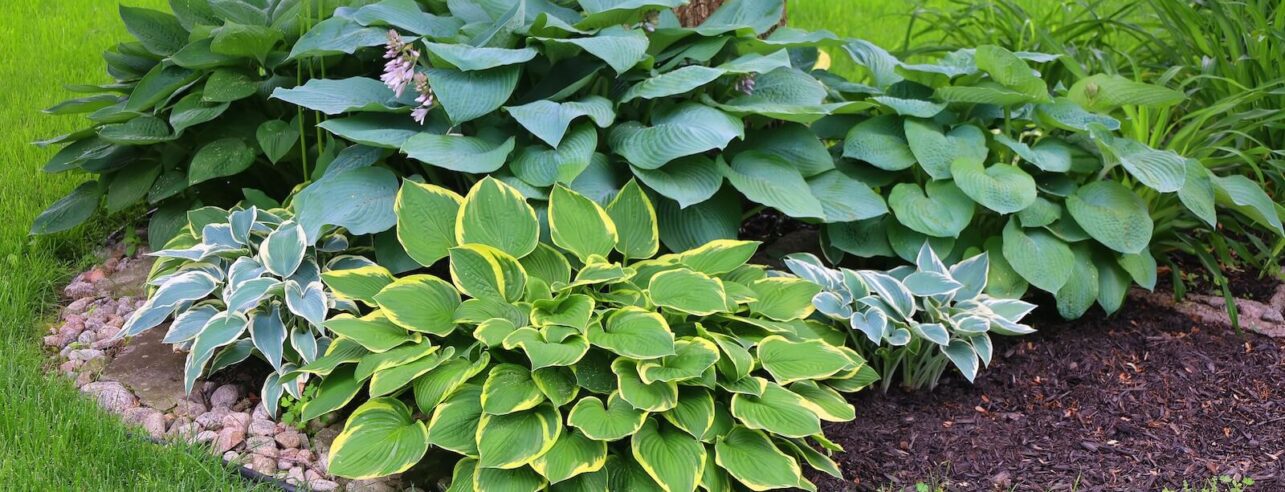
The lifespan of a hosta plant can vary significantly depending on several factors, including the specific variety, environmental conditions, and care provided. Generally, hostas are known to be long-lived perennials that can thrive for decades in the right circumstances. Under optimal conditions, such as well-draining soil, adequate moisture, and proper sunlight exposure, hostas can live for 15 to 30 years or even longer.
Factors Affecting Hosta Lifespan
Several factors can influence how long a hosta plant will live. These include:
- Soil Quality: Well-drained, rich soil contributes to healthier plants.
- Watering Practices: Consistent watering without waterlogging is crucial.
- Sunlight Exposure: Different varieties have different light requirements; too much or too little can affect their lifespan.
Common Hosta Varieties and Their Longevity
Different hosta varieties may exhibit varying lifespans. Some notable varieties include:
- Hosta 'Sagae': Known for its resilience and longevity, often living over 30 years.
- Hosta 'Blue Angel': A large variety that can thrive for decades with proper care.
- Hosta 'Francee': Fairly resilient and can survive many years in the right environment.
Best Practices for Extending Hosta Lifespan
To maximize the lifespan of your hosta plant, consider these best practices:
See also:
- Regular Fertilization: Apply a balanced fertilizer in the spring to promote growth.
- Mulching: Adding mulch helps retain moisture and regulate temperature.
- Pest Control: Monitor for pests like slugs and treat issues promptly.
Signs of Aging in Hosta Plants
As hostas age, they may show signs that indicate their lifespan may be nearing its end:
- Stunted Growth: A marked decrease in growth or size can be a sign of aging.
- Leaf Damage: Older plants may have leaves that are more prone to damage.
- Decreased Flowering: An overall decline in flowering may indicate that the plant is aging.
Dividing Hosta Plants for Longevity
Dividing hosta plants can promote longevity by rejuvenating older plants:
- Timing: The best time to divide hostas is in the spring or early fall.
- Healthy Division: Ensure each section has roots and at least one growing eye.
- Replanting: Immediately replant divided sections to minimize stress.
What happens if you don't split hostas?
:strip_icc()/dividing-hosta-plants-BKS033209-16-9-bb7d9518a2684d588b35c65bab05eaf2.jpg)
If you don't split hostas, several consequences can impact the health and appearance of the plants in your garden. Hostas, known for their lush foliage and shade tolerance, are typically divided every few years to ensure optimal growth and vitality. When left unmaintained, they can become overcrowded, leading to various issues.
Overcrowding Issues
Not splitting hostas can lead to overcrowding, where multiple plants grow too close to one another. This can cause:
- Reduced air circulation, promoting fungal diseases.
- Competition for nutrients and water, weakening the plants.
- Smaller and less vibrant leaves, diminishing aesthetic appeal.
Declining Plant Health
As hostas grow larger without being split, they may experience a decline in overall health. Symptoms include:
- Yellowing leaves that indicate stress from overcrowding.
- Stunted growth due to lack of resources.
- Increased susceptibility to pests and diseases.
Decreased Flowering
Many hosta varieties produce beautiful flowers; however, if not split, flowering can decrease significantly:
- Overgrown hostas can focus energy on foliage rather than blooms.
- Reduced light availability for the inner parts of the plant.
- An overall decline in flowering health and quantity.
Loss of Variety
Failing to divide hostas can result in a lack of diversity in your garden:
- Monoculture, where only one type dominates due to a lack of splitting.
- Reduced opportunity to propagate new varieties from divisions.
- Limited aesthetic options, as diverse blooms and foliage are lost.
Compromised Aesthetics
Aesthetically, unchecked hostas may detract from the overall beauty of your garden:
- Plants can become leggy and unattractive over time.
- Unwanted bare spots can develop as inner leaves die off.
- Uneven growth patterns can create a chaotic look in your landscape.
What happens if you don't cut hostas back?

If you don't cut hostas back, several things can happen that may affect the health and appearance of your plants. Hostas are perennials that thrive in shade or partial shade, and they tend to enter a dormant state during the winter months. Failing to cut back the leaves in the fall or early spring can have various implications:
1. Pest and Disease Issues: Dead or dying leaves can become a breeding ground for pests and diseases. These issues can affect not just the old leaves but may spread to new growth in the following season.
See also:
2. Aesthetic Appeal: Unmanaged hostas can become unsightly in your garden. The brown, decaying leaves can create a chaotic look, detracting from the overall beauty of your landscaping.
3. Crowding Issues: If old leaves remain, they can lead to crowding and hinder the growth of new leaves. This can limit the plant’s size and overall health in subsequent growing seasons.
4. Growth Inhibition: Hosts thrive on sunlight and nutrients. By not cutting back, the new leaves have to compete with the old, which can slow down growth and reduce vigor.
5. Winter Damage: Leaving the foliage can expose the plant to winter damage. Old leaves can trap moisture, leading to rot or aiding in the development of ice that can harm the plant.
Pest and Disease Issues
Failing to cut back hostas can contribute to a variety of pest problems and diseases. Old, dead leaves are often a habitat for insects such as slugs, aphids, or spider mites. These pests can easily transfer to new growth in spring, severely impacting the vitality of the hostas. Moreover, decomposing foliage can harbor fungal spores or bacteria, increasing the risk of disease outbreaks.
- Dead leaves attract unwanted pests.
- Old foliage can harbor diseases that affect new growth.
- Pests can spread from plant to plant.
Aesthetic Appeal
The visual aspect of your garden is also compromised when hostas are not cut back. The contrast between vibrant, new foliage and wilted, brown leaves can create an unappealing landscape. This not only affects personal satisfaction but can reduce the overall beauty of your garden, deterring visitors or potential buyers if you are looking to sell your property.
- Wilting leaves create a messy appearance.
- New growth is overshadowed by decay.
- An unkempt garden can reduce property value.
Crowding Issues
When old leaves are not removed, they can cause crowding within the plant. This may result in overcrowded growth, preventing new leaves from fully developing. Furthermore, congested growth can limit air circulation around the plant, leading to additional stress and potential pest problems. Proper removal helps maintain a healthy spacing for optimal growth.
- Crowding hinders new leaf growth.
- Poor air circulation increases disease risk.
- Overcrowded plants are less vigorous.
Growth Inhibition
The presence of old leaves can inhibit the growth of new foliage, leading to stunted growth. Hostas need to absorb sunlight effectively to generate energy, and the overlapping old leaves can block this essential resource. Consequently, the overall health of the plant can deteriorate, leading to weaker specimens. A regular cutting routine ensures that only the healthiest leaves are allowed to thrive.
- Old leaves block sunlight to new growth.
- Growth may slow down significantly.
- Weak plants are more vulnerable to stress.
Winter Damage
Leaving foliage on hostas during winter can expose them to increased winter damage. Old leaves can trap moisture and create conditions conducive to rot or disease, while also potentially facilitating ice formation that can harm roots. Cutting back ensures that your hostas enter winter in the best possible condition, promoting resilience against severe frost and snow.
- Old leaves trap moisture and cause rot.
- Ice formation can damage the plant.
- Proper care leads to healthier plants in spring.
Questions from Our Readers
How long do hostas typically live?
Hostas can typically live for 10 to 30 years when properly cared for. Their lifespan can be influenced by factors such as environment, soil quality, and maintenance practices.
What factors affect the lifespan of hostas?
Several factors affect the lifespan of hostas, including sunlight exposure, water availability, and the presence of pests or diseases. Ensuring that they are planted in the right conditions can significantly enhance their longevity.
Can hostas survive winter conditions?
Yes, hostas are generally hardy perennials that can survive winter conditions, especially in temperate climates. However, mulching and proper winter care are crucial to protect their roots from severe cold and frost.
See also:
How can I extend the life of my hostas?
To extend the life of your hostas, provide adequate water, avoid overcrowding, and regularly remove any dead leaves or debris. Additionally, applying a balanced fertilizer during the growing season can promote healthier growth and longevity.

If you want to read more articles like How Long Do Hostas Live? Discover Lifespan and Care Tips for Thriving Plants, we recommend you check out our Hostas category.
Leave a Reply
Related Articles