How Long Do You Leave Garlic to Dry After Harvesting? A Complete Guide for Optimal Results
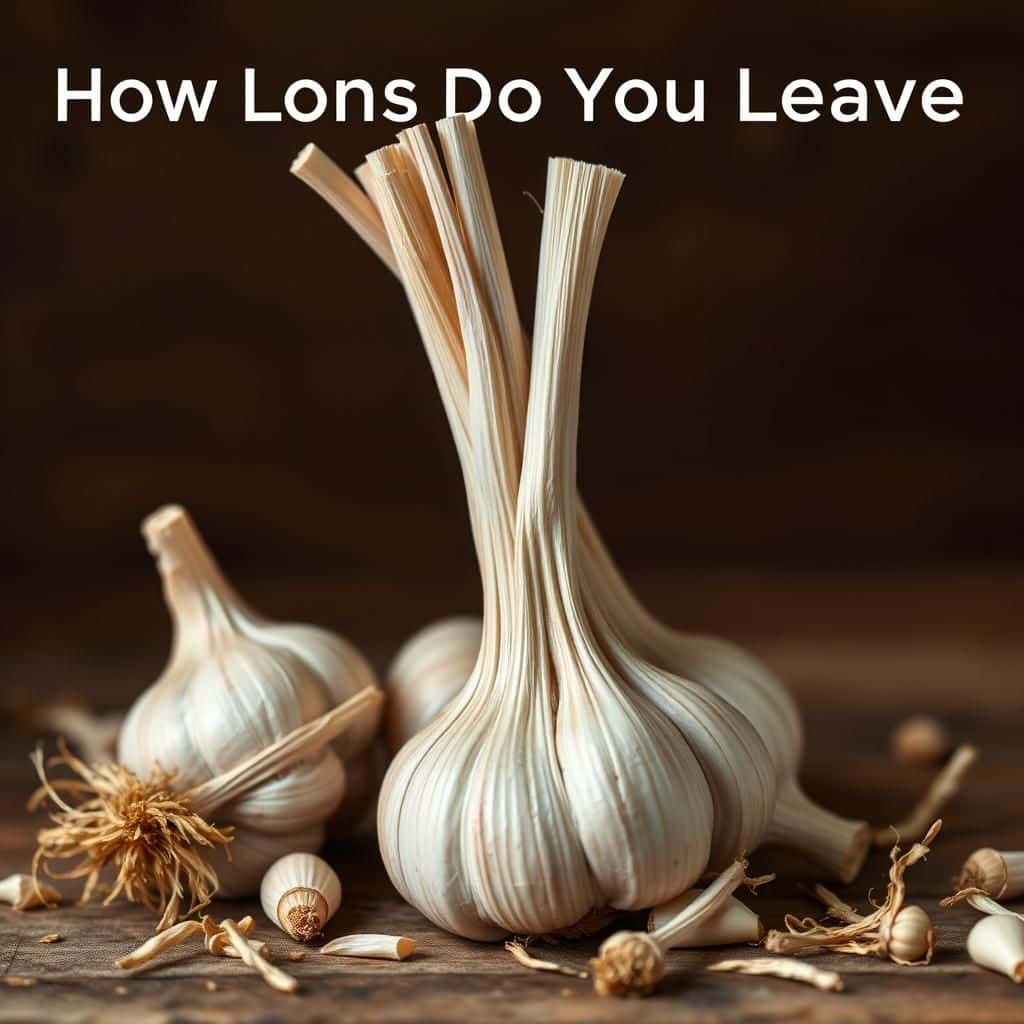
Garlic is a popular ingredient celebrated for its flavor and numerous health benefits. However, to maximize its shelf life and potency, proper drying after harvesting is essential. Many gardeners and culinary enthusiasts often wonder, “How long do you leave garlic to dry after harvesting?” This comprehensive guide will explore the optimal drying times, techniques, and conditions necessary to ensure your garlic remains flavorful and retains its nutritional value. By following these expert tips, you can enhance your garlic's longevity and readiness for culinary use, ensuring that your hard work in the garden truly pays off.
How Long Do You Leave Garlic to Dry After Harvesting?
After harvesting, garlic typically needs to be left to dry for about two to three weeks. This process is vital for ensuring that the garlic bulbs cure properly, which helps to enhance their flavor and prolong their shelf life. It is important to place the garlic in a warm, dry, and well-ventilated area while making sure it is not exposed to direct sunlight. During this drying period, the outer skins of the garlic will dry out, while the interior bulbs become firm and less moist. A successful drying process will prevent mold and sprouting, allowing for the best storage conditions.
Importance of Drying Garlic
Drying garlic is crucial for preserving its flavor and preventing decay. Freshly harvested garlic contains a significant amount of moisture, which can lead to mold and spoilage. By allowing the garlic to dry properly, you reduce the moisture content and create an environment that inhibits the growth of harmful microorganisms. This not only helps in extending the shelf life but also enhances the overall taste of the garlic, making it more enjoyable for culinary use.
Ideal Conditions for Drying Garlic
The ideal conditions for drying garlic involve a warm and dry environment with good air circulation. The temperature should ideally be between 70°F to 80°F (21°C to 27°C). A shaded area or a well-ventilated room is recommended to prevent direct sunlight from affecting the drying process. Using a fan or placing garlic in a space with low humidity can further assist in achieving the best results. Being mindful of these conditions will significantly influence the quality of the dried garlic.
Signs Garlic is Fully Dried
To determine if garlic is fully dried, look for several key signs. The outer skins should feel papery and brittle, while the cloves inside should be firm and not feel soft or spongy. The roots of the garlic should also be dry and easily break away when gently pulled. Generally, when you can snap off the leaves easily and the bulb feels solid, you can be confident that the garlic is ready for storage.
See also:
How to Store Dried Garlic
Once garlic is thoroughly dried, it can be stored in several ways. The most common method is to keep it in a cool, dark place in a breathable container, such as a paper bag or mesh sack. Avoid storing garlic in plastic bags, as they trap moisture and can lead to mold growth. Additionally, you can also consider braiding the garlic for both aesthetic appeal and practical storage. The key is to ensure that the garlic remains in a low-humidity environment to maintain its quality over time.
Potential Issues When Drying Garlic
There are several potential issues that can arise during the drying process. One common problem is excess moisture, which can lead to mold and decay if garlic is not dried long enough or in the wrong conditions. Similarly, exposing garlic to direct sunlight can cause the skins to burn, affecting flavor. It is also essential to avoid overcrowding during the drying phase, as this can impede air circulation. Paying attention to these factors will help mitigate risks and ensure a successful garlic drying process.
| Factor | Ideal Condition |
|---|---|
| Temperature | 70°F to 80°F (21°C to 27°C) |
| Humidity | Low |
| Air Circulation | Good |
| Light Exposure | Avoid direct sunlight |
| Time to Dry | 2 to 3 weeks |
Understanding the Importance of Proper Garlic Drying Techniques
When it comes to harvesting garlic, adequately drying it after the harvest is crucial for enhancing its flavor and ensuring its longevity. The drying process allows the outer skins to harden, which creates a protective barrier against disease and deterioration. Typically, garlic should be left to dry for two to three weeks in a well-ventilated and shaded area, allowing the bulbs to cure properly. This crucial step not only intensifies the aroma and taste but also facilitates easier storage, ensuring that your garlic remains fresh and flavorful for months to come.
Optimal Conditions for Drying Garlic
The temperature and humidity during the drying process significantly affect the quality of garlic. Ideally, you should aim for a temperature between 70°F to 80°F with low humidity levels to prevent mold growth. A well-ventilated area, such as a barn or shed, is perfect for drying garlic as it allows for air circulation crucial for effective curing. It's important to avoid direct sunlight, as excessive heat can cause the skins to crack and negatively impact the flavor profile of your garlic.
Signs That Garlic Is Properly Dried
To determine whether your garlic is adequately dried, look for a few key indicators. The outer skins should feel papery and crisp, while the cloves should easily separate. Additionally, the roots at the base of the bulb should be dried and hard to the touch, and the neck of the garlic should feel firm without any moisture. Finally, a slight bend in the neck can signal that the garlic is ready for storage, as it shows that the moisture has been sufficiently eliminated.
See also:
Common Mistakes to Avoid When Drying Garlic
One of the most common mistakes in drying garlic is not allowing it enough time to cure properly, which can lead to spoilage during storage. Another error is drying garlic in a location that is too dark or damp, making it susceptible to mold. Overcrowding garlic bulbs during the drying process can also limit airflow, resulting in uneven drying. Moreover, skipping the drying altogether can compromise flavor, making it vital to follow the recommended procedures for optimal results.
Storing Dried Garlic for Maximum Freshness
Once your garlic is adequately dried, proper storage is essential for maintaining its peak freshness. Store dried garlic bulbs in a cool, dark, and dry environment to avoid moisture exposure. Using mesh bags or wooden crates promotes airflow, preventing any potential spoilage. Avoid plastic bags as they can trap moisture and encourage mold growth. Ideally, dried garlic can be stored for several months, maintaining its flavor and aroma for culinary use.
Using Dried Garlic: Culinary Applications
Dried garlic can be utilized in a wide range of culinary applications, enhancing the flavor of countless dishes. It can be minced, sliced, or used as garlic powder, making it a versatile ingredient for seasoning soups, stews, marinades, and dressings. Dried garlic not only retains much of its initial flavor but also has a longer shelf life than fresh garlic, making it a staple in any kitchen. Incorporating dried garlic into your cooking repertoire allows for consistent seasoning and convenience, elevating your dishes to new flavor heights.
Questions from Our Readers
How long should garlic be dried after harvesting?
Garlic should typically be dried for about 2 to 4 weeks after harvesting. This drying period allows the moisture to evaporate, which is crucial for preventing mold and ensuring that the bulbs can be stored properly.
What factors affect the drying time of garlic?
The drying time of garlic can be affected by several factors, including humidity, temperature, and airflow. In a humid environment, it may take longer to dry, while a well-ventilated and warm area can speed up the process significantly.
See also:
Can garlic be dried indoors?
Yes, garlic can be dried indoors as long as it is placed in a warm, dry, and well-ventilated area. It's important to avoid direct sunlight, as it can damage the garlic and affect its flavor and quality.
How can you tell when garlic is fully dried?
Garlic is considered fully dried when the outer skins are papery and the cloves feel firm. Additionally, the neck of the garlic should be dry and crackly, indicating that it has lost enough moisture for long-term storage.

If you want to read more articles like How Long Do You Leave Garlic to Dry After Harvesting? A Complete Guide for Optimal Results, we recommend you check out our Garlic category.
Leave a Reply
Related Articles