Is Epsom Salt Good for Garlic? Discover the Benefits and Usage Guide

Epsom salt, composed of magnesium sulfate, has gained popularity among gardeners for its numerous benefits in plant care. One common query is whether Epsom salt is good for garlic cultivation. This versatile mineral can enhance soil health, improve nutrient absorption, and support robust garlic growth. In this article, we will explore the advantages of using Epsom salt for garlic, including its impact on flavor, size, and overall yield. Additionally, we will provide a comprehensive usage guide to help gardeners effectively incorporate Epsom salt into their garlic-growing routines, ensuring they achieve the best possible results from their harvest.
Is Epsom Salt Beneficial for Growing Garlic?
Epsom salt, composed of magnesium sulfate, can be beneficial for garlic plants. The magnesium it contains plays a crucial role in chlorophyll production, which is essential for photosynthesis and overall plant health. When applied to the soil, Epsom salt can enhance nutrient uptake, particularly with nitrogen, sulfur, and phosphorus, resulting in healthier and more robust garlic bulbs. Additionally, it may help prevent issues related to nutrient deficiencies, leading to improved growth and yield.
What Nutrients Does Epsom Salt Provide?
Epsom salt primarily provides magnesium and sulfur, both of which are vital for plant growth. Magnesium aids in the synthesis of chlorophyll, which is the green pigment necessary for photosynthesis. Sulfur is involved in the formation of amino acids and proteins, contributing to overall plant development. As garlic requires a balance of nutrients for optimal growth, the introduction of Epsom salt can help meet these nutritional demands.
How to Use Epsom Salt for Garlic?
To effectively use Epsom salt for garlic, it is advisable to dissolve about one tablespoon in a gallon of water and apply it directly to the soil during the growing season. This method allows for better absorption of the magnesium and sulfur by the garlic plants. Alternatively, it can be sprinkled around the base of the plants and then watered in. Regular applications, especially at key growth stages, can lead to increased vigor and better bulb size.
When Should You Apply Epsom Salt?
The best time to apply Epsom salt to garlic is at the time of planting and during the growing season—approximately 3-4 weeks after sprouting. This timing helps ensure that the plants receive the necessary nutrients during crucial developmental phases. Moreover, applying Epsom salt just before the bulb formation stage can enhance nutrient uptake and improve the quality and size of the garlic.
Are There Any Risks in Using Epsom Salt?
While Epsom salt can be beneficial, excessive application can lead to nutrient imbalances in the soil. High concentrations of magnesium might inhibit the uptake of calcium, leading to adverse effects on plant health. Therefore, it's crucial to follow recommended guidelines and perform soil tests to determine existing nutrient levels before adding Epsom salt.
What Other Benefits Does Epsom Salt Offer for Garlic?
Apart from providing essential nutrients, Epsom salt can improve soil structure and drainage, potentially reducing the risk of diseases related to waterlogging. Additionally, its application has been suggested to help in managing pests and diseases, as healthier plants are more resilient. Moreover, Epsom salt may stimulate flowering and seed production in garlic, promoting overall growth and productivity.
| Nutrient | Role in Garlic Growth | Source |
|---|---|---|
| Magnesium | Essential for chlorophyll production | Epsom Salt |
| Sulfur | Contributes to amino acid and protein synthesis | Epsom Salt |
| Nitrogen | Vital for vigorous growth and foliage | Soil Amendments |
| Phosphorus | Supports root development and energy transfer | Fertilizers |
| Calcium | Helps maintain cell wall integrity | Soil Amendments |
What is the best fertilizer for garlic?
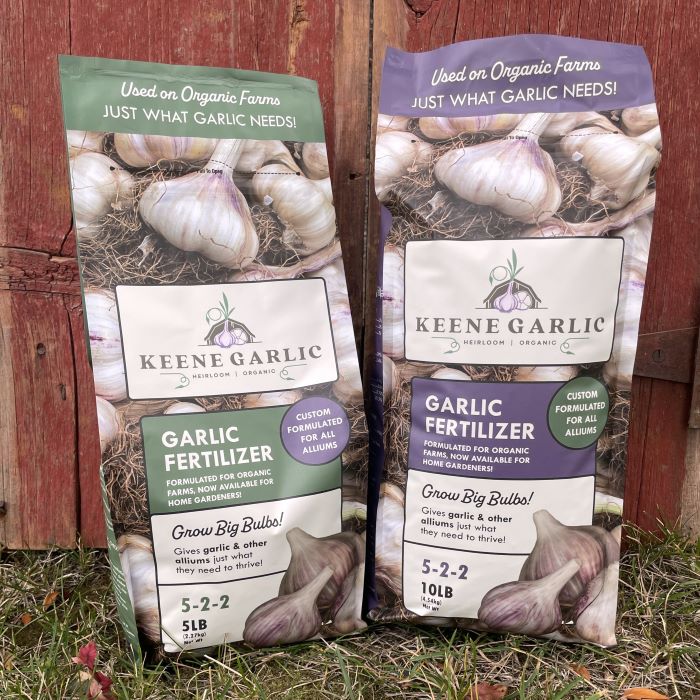
The best fertilizer for garlic typically includes a balance of nitrogen, phosphorus, and potassium, along with organic matter to improve soil quality. Garlic thrives in well-draining soil that is rich in nutrients, making the right fertilizer crucial for healthy bulb growth. Here are some effective options:
1. Compost: Using well-aged compost is one of the best options, as it provides a slow release of nutrients and improves soil structure.
2. Bone Meal: This is an excellent source of phosphorus, which is essential for root development and bulb formation in garlic.
3. Kelp Meal: It provides trace minerals and enhances plant growth by improving soil health.
4. Granular Fertilizer: A balanced, slow-release granular fertilizer high in nitrogen is beneficial during the early growth stages.
5. Organic Matter: Incorporating organic materials like well-rotted manure or green manure also enhances fertility and soil texture.
Understanding Garlic Nutrient Needs
Garlic requires specific nutrients for optimal growth. The primary nutrients include nitrogen (N), phosphorus (P), and potassium (K). Each plays a unique role:
- Nitrogen: Promotes leafy growth and is crucial in the early stages.
- Phosphorus: Essential for root and bulb development, helping garlic establish itself.
- Potassium: Aids in overall plant health and improves disease resistance.
Timing of Fertilization
The timing of fertilizer application is vital for garlic success. Fertilization should ideally occur in stages:
See also:
- At planting, incorporate a slow-release fertilizer into the soil.
- In early spring, when the shoots begin to emerge, apply a nitrogen-rich fertilizer.
- Before the bulb formation stage, add bone meal or another phosphorus source.
Types of Fertilizers
There are various types of fertilizers suitable for garlic. Each type has its benefits:
- Organic Fertilizers: Such as compost, manure, or organic granular fertilizers are gentle and help build soil health over time.
- Chemical Fertilizers: Offer quick nutrient availability and can provide targeted nutrient ratios, but care must be taken to avoid over-application.
- Liquid Fertilizers: Allow for quick nutrient absorption and can be used as a foliar spray or soil drench.
Soil Preparation for Garlic
Proper soil preparation is crucial for successful garlic growth. This involves:
- Testing Soil pH: Garlic prefers slightly acidic to neutral pH (6.0 to 7.0).
- Adding Organic Matter: Incorporate compost or well-rotted manure to enhance fertility and microbial activity.
- Tilling: Ensure good soil aeration and drainage by tilling the soil before planting.
Common Nutrient Deficiencies in Garlic
Garlic can suffer from nutrient deficiencies that hinder growth. Common signs include:
- Yellow Leaves: May indicate a nitrogen deficiency.
- Stunted Growth: Often related to inadequate phosphorus or potassium.
- Poor Bulb Size: Could result from insufficient nutrients overall, particularly during the bulb formation phase.
What plants should you not put Epsom salt on?

Epsom salt, which is primarily composed of magnesium sulfate, is often touted for its beneficial effects on various plants. However, it is not suitable for every type of plant. Some specific plants can be adversely affected when exposed to Epsom salt, leading to nutrient imbalance or toxicity. Here are some plants you should avoid applying Epsom salt on:
1. High-Phosphorus Plants
Plants that thrive in high-phosphorus environments typically do not benefit from Epsom salt. Adding magnesium sulfate can throw off their nutrient balance, leading to poor growth.
- Beans - They do not require additional magnesium.
- Cabbage - High phosphorus can be counterproductive.
- Peas - They thrive in nutrient-rich environments without Epsom salt.
2. Plants Sensitive to Magnesium
Certain plants are sensitive to an excess of magnesium, which can result in leaf burn, discoloration, or stunted growth. Over-application can lead to toxicity in these species.
- Alliums (Garlic, Onions) - They can become chlorotic if over-supplied with magnesium.
- Brassicas - Excess magnesium can impair their growth and lead to nutrient deficiency.
- Carrots - They prefer a balanced soil without an excess of magnesium.
3. Acid-Loving Plants
Acid-loving plants, such as blueberries and azaleas, thrive in acidic soils with low magnesium. Epsom salt can alter soil pH, harming their growth.
- Blueberries - They are sensitive to high pH levels influenced by magnesium.
- Rhododendrons - They prefer very acidic conditions that Epsom salt can disrupt.
- Camellias - They may develop nutrient imbalances in altered soil pH environments.
4. Foliage Plants
Certain foliage plants, particularly those with thick, waxy leaves, can suffer from leaf burn if exposed to Epsom salt. These plants typically require less magnesium for optimal health.
- Succulents - They thrive in nutrient-poor soils and do not require additional magnesium.
- Cacti - Excess magnesium can disrupt their metabolic processes.
- Orchids - They prefer specialized fertilizers tailored to their specific needs without added Epsom salt.
5. Plants Already High in Magnesium
Some plants naturally accumulate high levels of magnesium, and adding Epsom salt can lead to toxicity. These plants are already getting enough nutrients from their growing environment.
- Avocado - This fruit tree can suffer from magnesium toxicity.
- Pumpkins - They appear to thrive best in balanced nutrient conditions without additional magnesium.
- Tomatoes - While they benefit from some magnesium, too much can lead to blossom end rot and other issues.
How do I get my garlic to grow bigger?

To achieve larger garlic bulbs, several key factors come into play. Here are detailed strategies to enhance the size of your garlic:
Understand Garlic Varieties
Different varieties of garlic produce different-sized bulbs. Choosing the right variety is essential for larger yields.
- Hardneck Garlic: Generally grows larger than softneck garlic and has a more robust flavor.
- Softneck Garlic: While often smaller, it can produce a higher number of bulbs in a single planting.
- Regional Adaptation: Select a variety that thrives in your local climate for optimal growth.
Soil Quality and Preparation
The quality of the soil significantly influences garlic bulb size. Garlic thrives in well-draining, nutrient-rich soil.
- Soil Testing: Conduct a soil test to assess pH and nutrient levels.
- Organic Matter: Incorporate plenty of compost or aged manure to enhance soil fertility.
- Drainage: Ensure your planting area has good drainage to prevent waterlogging, which can inhibit growth.
Optimal Planting Conditions
Proper planting conditions are crucial for garlic growth. This includes timing, depth, and method.
See also:
- Planting Time: Plant garlic in the fall for larger bulbs, as they need a period of cold for proper bulbing.
- Spacing: Space cloves about 6 inches apart to allow room for growth.
- Depth: Plant cloves 2-3 inches deep to protect them from extreme temperatures.
Watering and Nutrient Management
Garlic requires consistent watering and nutrient input throughout its growth cycle.
- Regular Watering: Water deeply but infrequently, ensuring the soil remains moist but not soggy.
- Fertilization: Use nitrogen-rich fertilizers in early growth and switch to potassium-rich ones as bulbs begin to form.
- Mulching: Apply mulch to retain moisture and suppress weeds, which can compete for nutrients.
Pest and Disease Management
Keeping garlic healthy from pests and diseases plays a significant role in bulb size.
- Rotation: Practice crop rotation to prevent soil-borne diseases.
- Inspection: Regularly check for signs of pests like garlic maggots or diseases such as white rot.
- Organic Treatments: Use organic pesticides or biological methods to control pests without harming the plants.
Is magnesium good for garlic?

Magnesium plays a significant role in the health and growth of garlic plants. It is an essential nutrient that contributes to several physiological processes within the plant. Here are some detailed aspects of how magnesium benefits garlic:
1. Photosynthesis Enhancement: Magnesium is a central component of chlorophyll, the molecule responsible for capturing light energy during photosynthesis. Higher magnesium levels in garlic can lead to more efficient photosynthesis, ultimately promoting better plant growth and bulb development.
2. Nutrient Uptake: Magnesium aids in nutrient absorption in plants. It helps garlic roots to take up other essential nutrients such as nitrogen, potassium, and phosphorus. This synergy is crucial for garlic's overall health and vigor.
3. Stress Resistance: Magnesium enhances a plant’s ability to withstand abiotic stresses such as drought and extreme temperatures. Garlic enriched with magnesium may demonstrate increased resilience, which can result in greater yields during unfavorable growing conditions.
4. Root Development: Adequate magnesium levels support root growth and development in garlic. Stronger root systems allow the plant to access water and nutrients more effectively, which is vital for healthy bulb formation.
5. Disease Resistance: Magnesium can improve the overall health of garlic, making it less susceptible to certain diseases and pest infestations. Healthier plants are generally more capable of defending against pathogens and pests, thus contributing to higher-quality garlic produce.
Benefits of Magnesium in Garlic Growth
Magnesium offers several benefits that are crucial for garlic growth and health. Without sufficient magnesium, garlic plants can suffer from various deficiencies that hinder their development.
- Improves Photosynthesis Efficiency
- Aids in Nutrient Uptake
- Increases Stress Resistance
- Supports Root Development
- Enhances Disease Resistance
Signs of Magnesium Deficiency in Garlic
Recognizing the symptoms of magnesium deficiency is important for garlic growers. Deficiences can manifest as various health issues affecting the plant's lifecycle.
- Chlorosis (yellowing of leaves) starting from the older leaves
- Stunted growth due to poor nutrient absorption
- Reduced bulb size and quantity at harvest
Magnesium Sources for Garlic Cultivation
There are multiple ways to provide magnesium to garlic plants, ensuring they receive the necessary levels for optimal growth.
- Utilizing Epsom salt (magnesium sulfate) as a foliar spray or soil amendment
- Incorporating magnesium-rich fertilizers into the soil before planting
- Adding organic matter like compost that is naturally high in magnesium
Timing of Magnesium Application
The timing of magnesium application plays a crucial role in maximizing its effectiveness in supporting garlic growth.
- Before planting: Incorporating magnesium into the soil can lead to better root establishment.
- During the early growth stages: Applying magnesium can enhance early leaf development.
- Mid-season: Foliar applications can help address any deficiencies during bulbing.
Optimal Magnesium Levels for Garlic
Establishing the right magnesium levels is essential to ensure garlic plants thrive throughout their growing cycle.
- A soil test should be carried out to determine baseline magnesium levels.
- Generally, 40-100 ppm of magnesium in the soil is considered optimal for garlic.
- Adjust soil magnesium through amendments based on the test results to achieve target levels.
Questions from Our Readers
Is Epsom salt beneficial for garlic plants?
Epsom salt can be beneficial for garlic plants as it contains magnesium and sulfate, which can enhance nutrient uptake and improve overall plant health. Applying Epsom salt can contribute to better root development and may aid in the flavor and growth of garlic.
How should Epsom salt be applied to garlic?
Epsom salt can be applied to garlic by dissolving a couple of tablespoons in water and using it as a foliar spray or soil drench. This method ensures that the magnesium and sulfate are directly available to the garlic plants for absorption.
See also:
Are there any risks associated with using Epsom salt on garlic?
While Epsom salt is generally safe for garlic, over-application can lead to nutrient imbalances in the soil, which could harm the plants. It's important to use it in moderation and to monitor the plants for any signs of distress or nutrient deficiencies.
How often should Epsom salt be used for garlic cultivation?
Epsom salt can be applied to garlic once every 4-6 weeks during the growing season for optimal results. Regular applications can help ensure that the garlic plants have sufficient nutrients to thrive and produce a healthy harvest.
If you want to read more articles like Is Epsom Salt Good for Garlic? Discover the Benefits and Usage Guide, we recommend you check out our Garlic category.
Leave a Reply
Related Articles