How to Speed Up Garlic Growth? Proven Tips for Faster Results in Your Garden
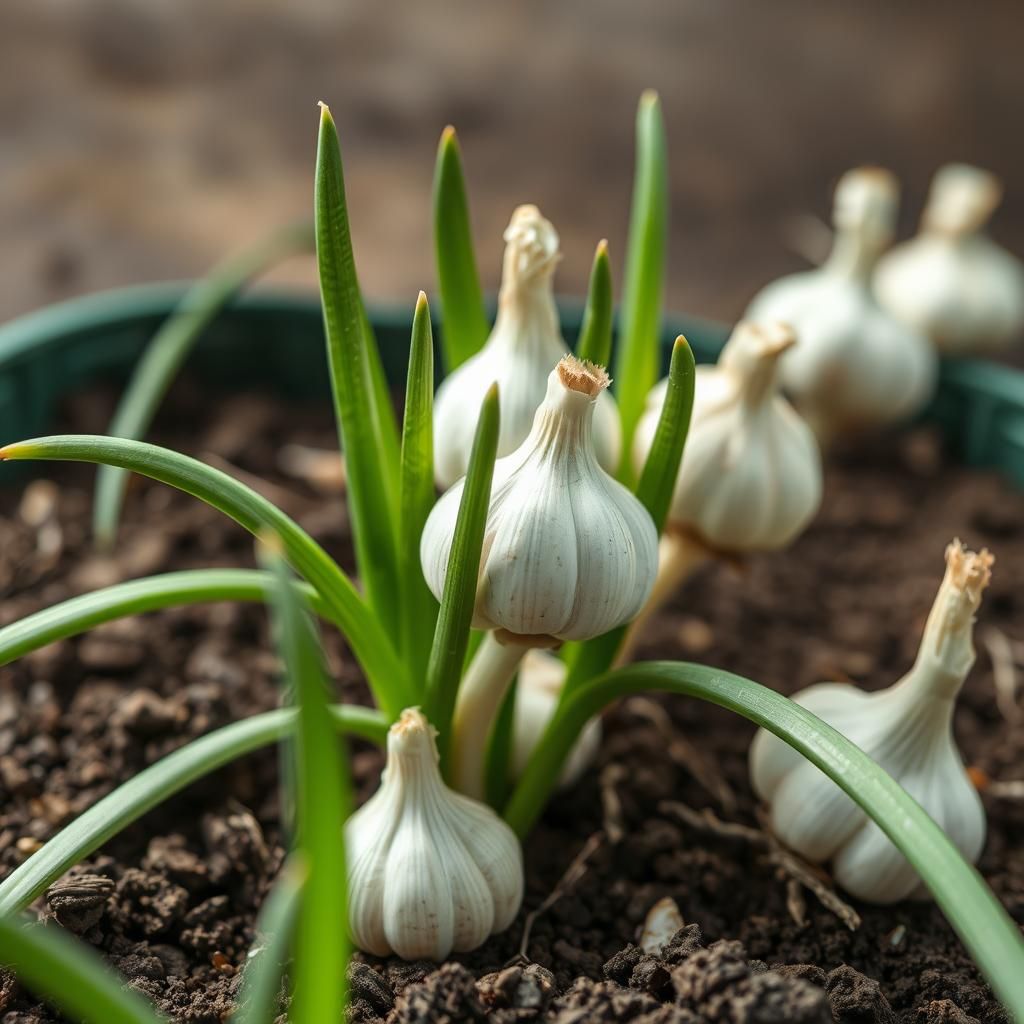
Garlic is not only a staple in many kitchens but also a rewarding plant to grow in your garden. However, achieving robust and speedy growth can sometimes be a challenge for gardeners. If you're eager to see your garlic thrive and mature faster, implementing proven strategies can make all the difference. From selecting the right varieties to optimizing soil conditions and understanding proper care, this article will provide you with essential tips to accelerate garlic growth. Get ready to transform your gardening experience and enjoy a bountiful harvest sooner than you ever thought possible!
Effective Strategies to Accelerate Garlic Growth
To speed up garlic growth, proper attention to detail during planting, soil preparation, and maintenance is essential. Firstly, choose high-quality garlic seeds that are disease-free and suited to your climate. Plant garlic in a well-draining soil rich in organic matter, ensuring a pH level between 6.0 and 7.0 for optimal nutrient uptake. Incorporating compost and a balanced fertilizer can help stimulate growth. Additionally, water your garlic consistently but avoid waterlogging, as garlic prefers slightly dry conditions post-planting. Finally, ensure your garlic gets enough sunlight; ideally, a minimum of 6 hours of direct sunlight daily will promote vigorous growth.
Selecting the Right Garlic Varieties
Choosing the right variety of garlic can significantly impact its growth rate and overall yield. Hardneck varieties tend to grow faster in cooler climates, while softneck varieties are better suited for warm conditions. It’s essential to select varieties that are well-adapted to your local environment to ensure they thrive.
Soil Preparation Techniques
Preparing the soil adequately is crucial for fast garlic growth. Start by testing the soil's pH and nutrient levels, then amend it with organic matter such as compost or well-rotted manure. This not only enhances soil texture but also provides necessary nutrients. Ensure the soil is well-draining to prevent rot, as garlic is sensitive to excessive moisture.
Watering Practices for Optimal Growth
Proper watering practices play a pivotal role in promoting garlic growth. Garlic requires consistent moisture but does not tolerate standing water. Aim to keep the soil evenly moist during the early growth stages but gradually reduce watering as the bulbs begin to mature. This helps develop robust bulbs while preventing common issues like diseases associated with overwatering.
The Importance of Sunlight
Garlic is a sun-loving plant that thrives in full sun conditions. Aim to provide your garlic plants with at least 6 to 8 hours of sunlight each day. Insufficient sunlight can lead to slower growth and smaller bulbs. If sunlight is limited, consider utilizing reflective materials around the garden to enhance light exposure, ensuring your garlic has the best chance of thriving.
Fertilizing for Faster Growth
Incorporating the right fertilizers at specific growth stages can enhance garlic health and expedite growth. Use a balanced fertilizer that includes nitrogen, phosphorus, and potassium, as these are essential for robust growth. Start fertilizing in early spring as the shoots emerge, then apply additional fertilizer when the plants reach about 6 inches in height to promote further bulb development.
| Aspect | Optimal Conditions |
|---|---|
| Variety | Choose local varieties |
| Soil pH | 6.0 - 7.0 |
| Sunlight | 6 - 8 hours/day |
| Watering | Evenly moist, no standing water |
| Fertilization | Balanced fertilizer in spring |
How do you make garlic grow faster?

To make garlic grow faster, you can implement several best practices that enhance its growth and development. Garlic, being a bulbous plant, thrives under specific conditions that can be manipulated for optimal growth. Here are some strategies:
Soil Preparation
The quality of the soil plays a critical role in the successful growth of garlic. Ensure that the soil is well-draining and rich in organic matter. Here are steps to prepare your soil:
- Test the soil pH: Garlic prefers a pH level between 6.0 and 7.0.
- Add organic compost: Mix well-decomposed compost to enrich the soil.
- Loosen the soil: Use a garden fork to aerate the soil, ensuring good drainage.
Choosing the Right Garlic Variety
Different garlic varieties have unique growth rates and characteristics. Choose a variety that is known for faster growth in your local climate. Consider the following:
- Hardneck varieties: Generally have a stronger flavor and can grow faster in colder climates.
- Softneck varieties: Tend to store better and can grow quickly in warmer regions.
- Local strains: Always look for garlic varieties that are adapted to your local conditions for optimal growth.
Planting Time
When you plant garlic significantly affects its growth rate. Timing your planting can lead to faster germination and growth. Keep in mind:
See also:
- Fall planting: Garlic should ideally be planted in the fall for a spring growth boost.
- Avoid frost: Plant garlic about 4-6 weeks before the first frost to establish roots.
- Timing for regional climates: Check your local climate for the best planting window; it can vary from early fall to late winter.
Proper Watering Techniques
Watering is essential for garlic growth. Under- or over-watering can impede development. Follow these guidelines:
- Consistent moisture: Keep the soil consistently moist, especially during the first few weeks.
- Avoid waterlogging: Ensure that the soil drains well to prevent bulb rot.
- Reduce water towards harvest: Gradually reduce watering as the bulbs mature to encourage dry skins.
Nutritional Needs
Garlic requires specific nutrients for optimal growth. Ensuring they receive the right nutrition can play a significant role in their growth speed. Consider the following:
- Fertilization: Use a balanced fertilizer high in nitrogen in the early stages, followed by phosphorus and potassium as growth progresses.
- Natural amendments: Ingredients like bone meal and fish emulsion can provide essential nutrients.
- Regular monitoring: Keep an eye on the garlic's growth to adjust nutritional needs accordingly.
What fertilizer works best for garlic?
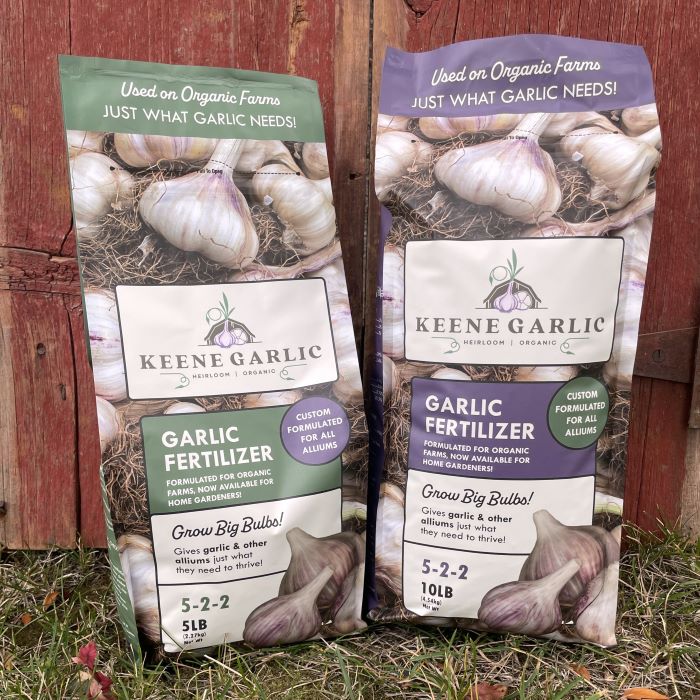
Garlic (Allium sativum) is a popular crop that is relatively easy to grow, but it does require the right type of nutrition to thrive. Choosing the best fertilizer for garlic is key to ensuring healthy growth and a bountiful harvest. Generally, garlic benefits from a balanced fertilizer that promotes strong root development, leaf growth, and bulb formation. The ideal fertilization process usually incorporates both organic and synthetic fertilizers.
Understanding Nutritional Needs
Garlic plants require a balance of important nutrients to grow effectively. Here are the primary nutrients to consider:
- Nitrogen: Essential for leaf growth and overall plant vigor.
- Phosphorus: Crucial for root development and flower formation.
- Potassium: Important for overall plant health and bulb size.
Understanding these nutritional needs helps in selecting a fertilizer that adequately addresses these factors.
Types of Fertilizers for Garlic
Several types of fertilizers can be used to promote the healthy growth of garlic. Here are the common types:
- Organic fertilizers: Such as compost, well-rotted manure, or bone meal, provide nutrients naturally and improve soil health.
- Synthetic fertilizers: These are commercially available and usually contain a specific N-P-K ratio tailored for garlic.
- Liquid fertilizers: Can be applied through watering and easily absorbed by garlic to provide a quick nutrient boost.
Choosing the right type can depend on the gardener's preference for organic or synthetic options.
Recommended N-P-K Ratios
The N-P-K ratio indicates the relative percentages of nitrogen, phosphorus, and potassium in a fertilizer, essential for garlic cultivation. Recommended ratios include:
- 10-10-10: A balanced option that provides equal nutrients.
- 5-10-10: Higher phosphorus which is great for boosting bulb development.
- 8-5-4: A blend that emphasizes nitrogen but also provides adequate phosphorus and potassium.
Selecting the right N-P-K ratio can significantly enhance garlic growth.
Timing and Application
Applying fertilizers at the correct time can maximize their effectiveness. The application schedule for garlic includes:
- Pre-planting: Incorporating organic matter or fertilizer into the soil before planting to ensure nutrient availability.
- During growth: Side-dressing with nitrogen-rich fertilizers when garlic begins to shoot can enhance leaf production.
- Before bulbing: Providing additional phosphorus and potassium a few weeks before harvest helps bulb development.
Correct timing is crucial for ensuring that garlic receives nutrients when it needs them most.
See also:
Organic vs. Synthetic Fertilizers: Pros and Cons
Choosing between organic and synthetic fertilizers presents both advantages and disadvantages. Here’s a brief comparison:
- Organic fertilizers: Improve soil health over time, slow-release nutrients, but can be less concentrated.
- Synthetic fertilizers: Quick-release nutrients, easy to measure and apply, but may lead to soil degradation if overused.
- Cost-effectiveness: Organic options may be more expensive than synthetic fertilizers, impacting budget considerations.
Evaluating these pros and cons helps in making informed decisions tailored to individual gardening practices.
What should you not plant next to garlic?
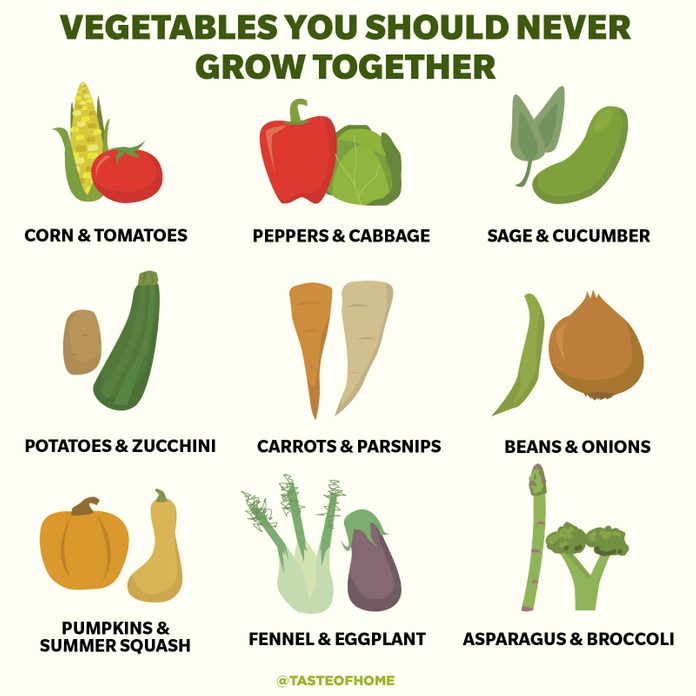
Garlic is a popular plant in many gardens, known for its culinary uses and health benefits. However, it is crucial to be mindful of which plants should not be planted next to garlic, as certain combinations can hinder growth and diminish their productivity.
Plants to Avoid Planting Next to Garlic
Certain plants contain compounds that can adversely affect garlic's growth. When planning your garden, steer clear of the following:
- Beans: These legumes can compete with garlic for nutrients and water, leading to weaker garlic plants.
- Peas: Similar to beans, they belong to the same family and can hinder the growth of garlic when grown in proximity.
- Asparagus: This plant can be affected by garlic's strong flavor, which may inhibit its growth.
Companion Planting Principles
Understanding companion planting is essential for maximizing garden productivity. Certain plants benefit from each other, while some do not. Here are important principles:
- Mutual Benefit: Ideal companions can enhance growth, repel pests, or improve flavor.
- Space and Resources: Plants that consume similar resources may compete, leading to reduced yields.
- Disease Resistance: Certain plants can help strengthen the immune systems of their neighbors, while others may introduce diseases.
Symptoms of Incompatibility
When garlic is paired incorrectly, signs of stress can appear. Recognizing these symptoms is key for gardeners:
- Stunted Growth: Garlic may grow slower than expected when near incompatible plants.
- Pest Attraction: Some plants can attract pests that may also target garlic.
- Poor Flavor: Incompatible plants may affect the taste and quality of garlic bulbs.
Benefits of Planting Garlic Separately
Planting garlic in isolation can yield significant advantages. Here are some benefits to consider:
- Increased Yield: Garlic tends to produce better when planted away from competing plants.
- Enhanced Flavor: When garlic is not neighboring certain plants, its flavor can become richer and more robust.
- Pest Control: Garlic is known for deterring various pests, which helps protect its neighboring plants when planted alone.
Best Companion Plants for Garlic
While certain plants should be avoided near garlic, others complement its growth effectively. Below are some ideal companions:
- Parsley: This herb can improve garlic's growth and flavor without competition.
- Rosemary: Known for its pest-repelling qualities and can coexist well with garlic.
- Thyme: A suitable herb that benefits from garlic's aromatic properties.
Questions from Our Readers
What soil type is best for growing garlic quickly?
To speed up garlic growth, it's essential to use well-drained, loamy soil rich in organic matter. This type of soil allows for proper root development and prevents waterlogging, which can hinder growth.
How much sunlight does garlic need to grow faster?
Garlic requires at least 6 to 8 hours of direct sunlight each day to thrive and grow rapidly. Ensuring that your garlic plants receive adequate sunlight will promote robust photosynthesis, leading to faster growth.
What is the ideal watering schedule for garlic growth?
For optimal growth, garlic should be watered consistently, aiming for about 1 inch of water per week. Overwatering can lead to root rot, while underwatering can stress the plants, both of which can slow down growth.
See also:
Should I use fertilizers to accelerate garlic growth?
Yes, using a balanced fertilizer can significantly enhance garlic growth. Applying a fertilizer rich in nitrogen during the early growth stages will support leafy development, while a boost in phosphorus and potassium before bulb formation encourages larger bulb growth.
If you want to read more articles like How to Speed Up Garlic Growth? Proven Tips for Faster Results in Your Garden, we recommend you check out our Garlic category.
Leave a Reply
Related Articles