Can Garlic Be Left in the Ground Over Winter? Essential Tips for Gardening Success
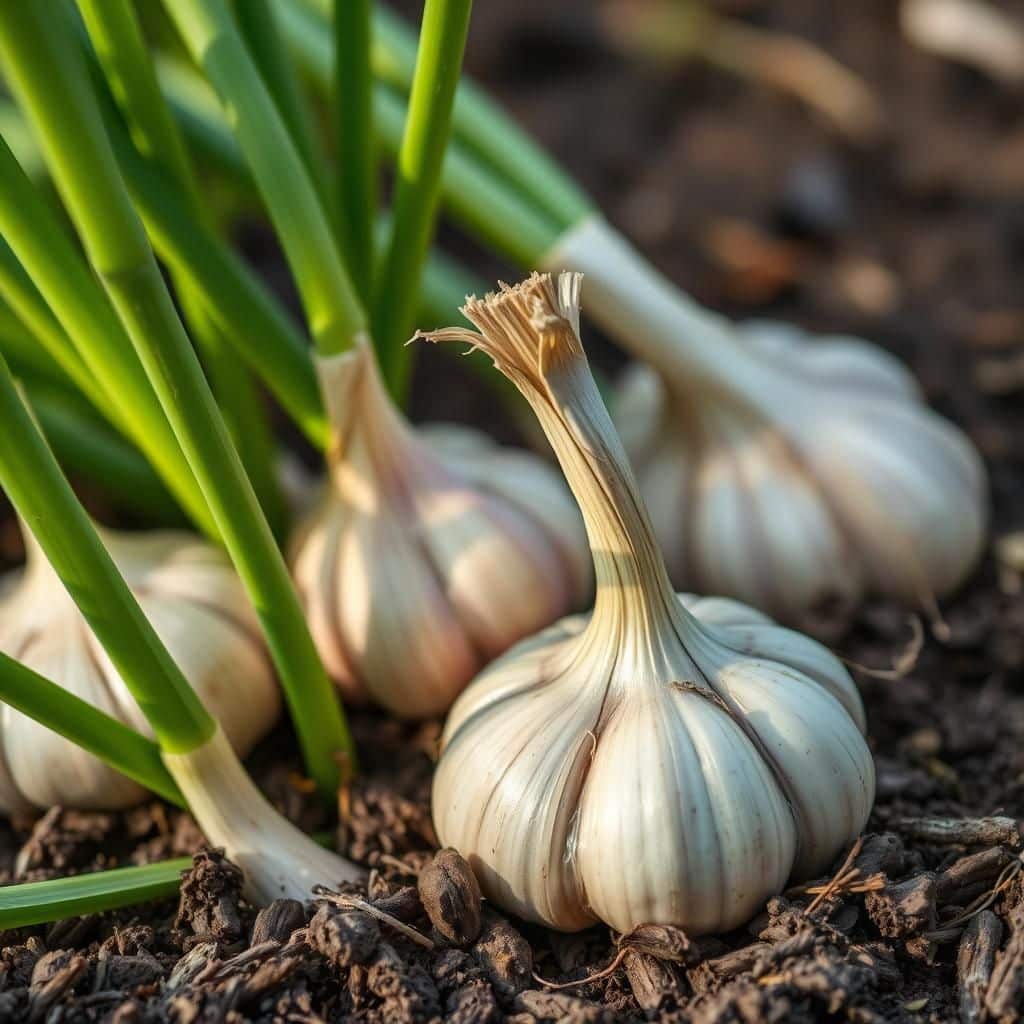
Garlic is a versatile and flavorful addition to many dishes, but growing it can raise questions about its care, especially during the winter months. One common inquiry among gardeners is whether garlic can be left in the ground over the winter. Understanding the requirements for storing garlic in the soil can be crucial for a successful harvest in the spring. In this article, we will explore the ins and outs of overwintering garlic, including tips on soil preparation, climate considerations, and maintenance practices that can help ensure your garlic thrives despite the chill of winter.
Can Garlic Be Left in the Ground Over Winter?
Leaving garlic in the ground over winter is generally possible and often practiced by many gardeners, particularly in regions with mild winters. Garlic is a hardy bulb that can withstand cold temperatures, provided it is well-mulched and properly planted. In areas where the ground does not freeze solid, the garlic may continue to grow very slowly during the winter months. However, if the temperatures drop significantly or if there's a risk of thawing and refreezing, the risk of rot or disease increases. Gardeners in colder climates often choose to lift their garlic bulbs in the fall to prevent winter damage, while those in more temperate zones can leave them in the ground to allow for an earlier harvest in the spring.
Hardiness of Garlic
Garlic is considered a hardy crop that can survive in a range of climates. Most garlic varieties can tolerate winter temperatures as low as 0°F (-18°C) if they are planted correctly. However, the specific hardiness can vary depending on the garlic variety; for instance, hardneck garlic varieties tend to be more frost-resistant than softneck varieties. Understanding the type of garlic being grown is crucial to decide if it can be left in the ground over the winter.
Effects of Winter Moisture
Winter moisture levels play a critical role in whether garlic can remain in the ground. Excessive moisture in the winter can lead to bulb rot, while too little can cause the garlic to dry out. Maintaining proper soil drainage is essential, as soggy conditions can severely damage the bulbs. Mulching can assist in preserving soil moisture levels while also protecting the bulbs from severe frost.
Mulching Techniques
Applying a layer of mulch is a recommended practice for garlic left in the ground during winter. Mulching helps insulate the soil, regulating temperature fluctuations that can harm the bulbs. Effective mulching materials include straw, fallen leaves, or grass clippings, which not only protect the garlic but also add organic matter to the soil as they break down over time. A layer of 3-4 inches of mulch can provide optimal protection against winter conditions.
See also:
Winter Growth Behavior
Garlic tends to enter a state of dormancy during the winter months, which means its growth slows significantly. In milder climates, you may notice the shoots starting to sprout as early as late winter, but this growth is generally slow. The garlic resumes active growth in the spring when the temperatures warm up. This dormancy is crucial to protect the bulbs from freezing temperatures and allows them to store energy for the upcoming growing season.
Regional Considerations
Whether garlic can be left in the ground over winter greatly depends on regional climate conditions. In USDA hardiness zones 6 and above, many gardeners find success planting garlic in the fall and leaving it in the ground throughout the winter. In contrast, those in zones 5 and below may experience harsher winters that necessitate lifting the garlic bulbs or using additional protection methods. Always consider local weather patterns and average winter temperatures when deciding on the best approach for garlic overwintering.
| Factor | Impact |
|---|---|
| Garlic Variety | Hardneck varieties are hardier than softneck. |
| Soil Drainage | Poor drainage can cause bulb rot; good drainage is essential. |
| Mulch Type | Straw and leaves can provide insulation and moisture retention. |
| Regional Climate | Hardiness adapts based on local frost and freeze patterns. |
| Winter Growth | Growth slows, but some varieties may show early signs of life. |
Understanding the Benefits of Leaving Garlic in the Ground During Winter
Leaving garlic in the ground over winter can provide several advantages for gardeners. Garlic is a hardy plant that can withstand cold temperatures, and in many climates, it develops better flavors and yields when left undisturbed. During winter, garlic goes into a dormant state, allowing it to conserve energy and prepare for the growing season. Additionally, leaving garlic in the ground can help prevent weeds from taking over, as the garlic plants occupy the space. However, it's essential to monitor the soil conditions to ensure they remain suitable for garlic to thrive come spring.
Garlic Varieties Suitable for Winter Growing
Different varieties of garlic have varying degrees of cold hardiness. Hardneck garlic varieties are often recommended for winter planting, as they are typically more resilient in cold temperatures. These varieties produce flower stalks, known as scapes, which can be harvested in early summer. On the other hand, softneck garlic is usually better suited for warmer climates but can also survive mild winters. Choosing the right variety based on your local climate is crucial for successful garlic growth.
Preparing the Soil for Winter Garlic
Before planting garlic for winter growth, it's essential to prepare the soil adequately. Enhancing soil fertility with organic matter such as well-rotted compost can improve drainage and provide necessary nutrients. It's also important to ensure that the soil is well-drained to prevent excess moisture from damaging the garlic bulbs during cold months. A soil pH of around 6.0 to 7.0 is ideal for garlic, and adding amendments like lime can help achieve this optimal range.
See also:
Winter Care and Protection for Garlic
While garlic is relatively hardy, it can benefit from some winter protection to ensure strong growth in the spring. Applying a layer of mulch, such as straw or shredded leaves, can help insulate the bulbs and maintain soil moisture. This layer also works as a barrier against weeds, which can compete for nutrients. Regularly checking the garlic bed for any signs of disease or pests is crucial, as these can compromise the plants' health during the dormant period.
Signs to Monitor After Winter
As winter transitions into spring, it's important to monitor your garlic beds for signs of growth. Look for green shoots emerging from the soil, indicating that the garlic is waking from dormancy. However, if you notice any yellowing or wilting leaves, it might suggest problems with the soil or pests. Early spring is also the perfect time to fertilize your garlic with a balanced fertilizer to support robust growth as the plants start to develop.
Timing the Harvest After Winter
Timing the harvest of garlic after winter is crucial to obtaining the best flavor and storage quality. Garlic typically matures in mid to late summer, and the best indication for harvest is when the lower leaves begin to turn brown and dry out. Aim to harvest before all the leaves have browned, as leaving them in the ground too long can lead to bulb splitting. Properly harvesting and curing the bulbs post-harvest will ensure they can be stored effectively throughout the year.
Questions from Our Readers
Can garlic survive the winter in the ground?
Yes, garlic can survive the winter when planted in the ground, especially if it is a hardneck variety. In colder climates, it typically benefits from a layer of mulch that helps insulate the soil and protects the bulbs from extreme temperatures.
Should I cover garlic with mulch for winter protection?
Yes, applying mulch over garlic in the winter is recommended as it helps to regulate soil temperature and retain moisture. It creates a protective barrier that can prevent frost damage and supports healthy growth in the spring.
See also:
When is the best time to plant garlic for winter harvest?
The best time to plant garlic for a winter harvest is usually in the fall, about four to six weeks before the ground freezes. This timing allows the garlic to establish roots before going dormant, leading to a better harvest in the following spring or summer.
Can I leave garlic in the ground too long?
Leaving garlic in the ground beyond its ideal harvest time can lead to bulb splitting and decrease the overall quality. It's essential to monitor the growth and harvest when the lower leaves start to yellow, which usually occurs in mid to late summer for optimal results.

If you want to read more articles like Can Garlic Be Left in the Ground Over Winter? Essential Tips for Gardening Success, we recommend you check out our Garlic category.
Leave a Reply
Related Articles