When to Buy Garlic Bulbs for Planting? A Seasonal Guide for Gardeners

Garlic is a versatile and flavorful addition to any garden, but timing is crucial for successful planting. This seasonal guide will help gardeners determine the best times to buy and plant garlic bulbs, ensuring a bountiful harvest. With various garlic varieties thriving in different climates, understanding your local growing season is essential. Whether you’re a novice gardener or an experienced horticulturist, this article will provide valuable insights into when to purchase garlic bulbs, how to prepare them for planting, and key considerations to maximize your crop. Get ready to cultivate your garlic garden with confidence and ease!
When is the Best Time to Buy Garlic Bulbs for Planting?
The ideal time to buy garlic bulbs for planting depends on your local climate and the specific variety of garlic you intend to grow. Generally, it is recommended to purchase garlic bulbs in late summer to early fall, typically around September to October, when they are harvested and available at local garden centers or farmers' markets. For regions with mild winters, planting can occur in the fall, allowing the garlic to establish roots before the ground freezes. Conversely, in areas with harsher climates, it may be more prudent to buy bulbs early enough in the growing season, ensuring that they are ready to be planted as soon as the soil warms in spring.
Understanding Garlic Varieties
Garlic comes in two main categories: hardneck and softneck. Hardneck varieties tend to thrive in colder climates and are typically planted in the fall, while softneck varieties are more adaptable to different climates, often being planted in the spring. Knowing the type of garlic you wish to grow will help you determine the best time to buy bulbs, as their planting schedules may vary significantly.
Local Climate Considerations
The local climate plays a crucial role in deciding when to buy garlic bulbs. In regions with mild winters, fall is the preferred planting season as garlic requires a period of cold dormancy. In contrast, in warmer climates, spring planting becomes essential, and buyers should look to purchase their garlic bulbs during the late winter months to ensure freshness and viability.
Storage and Freshness of Garlic Bulbs
When purchasing garlic bulbs, consider the freshness and storage conditions. Ideally, you want bulbs that have been recently harvested, stored in a cool, dry place, preventing spoilage. Check for any signs of rot or decay, as the quality directly impacts growth potential. Fresh bulbs are vital for ensuring a successful garlic crop.
Buying from Reputable Sources
It's advisable to purchase garlic bulbs from reputable sources, such as local nurseries or certified organic suppliers. These sources often provide high-quality, disease-free bulbs tailored to your region’s growing conditions. Additionally, reputable sellers typically offer guidance on the best practices for planting and caring for the garlic, ensuring better yields.
Timing for Planting Garlic in Different Zones
Understanding your specific hardiness zone is essential in timing your garlic bulb purchase. For example, in hardiness zones 3-5, garlic is usually planted in October, while in zones 6-8, planting can occur as early as September. Knowing these zones can help determine the optimal time for buying garlic bulbs to align perfectly with planting schedules.
| Hardiness Zone | Buying Time | Planting Time |
|---|---|---|
| 3-5 | Late August to September | October |
| 6-8 | September | October to November |
| 9-10 | Late Winter | February to March |
What is the best month to plant garlic?
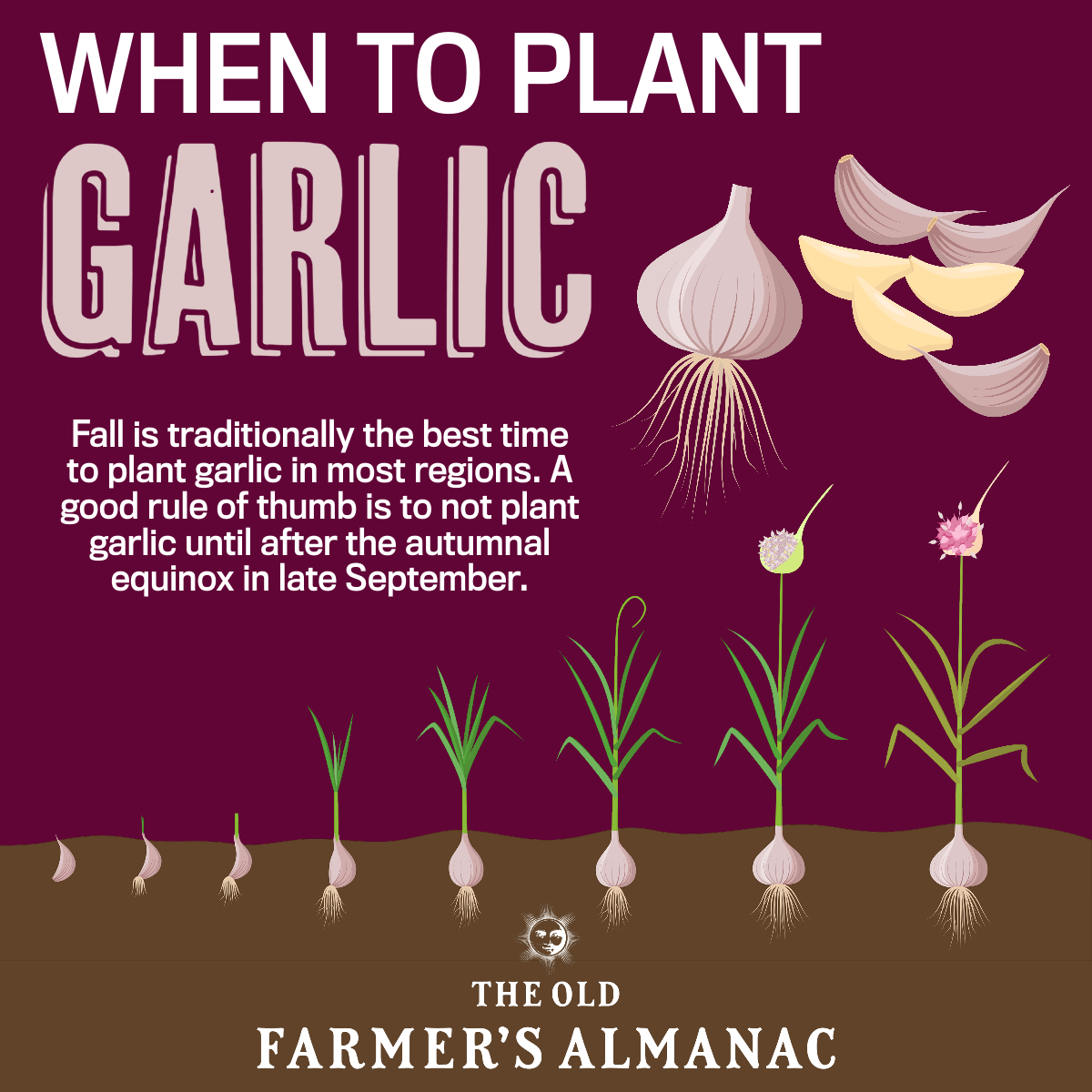
The best month to plant garlic typically varies depending on the climate and region, but in general, Garlic is best planted in the fall, usually between late September and late November. This timing allows the garlic bulbs to establish roots before the winter frost sets in, ultimately leading to a stronger and healthier crop the following summer.
Why Plant Garlic in the Fall?
Planting garlic in the fall is advantageous for several reasons:
See also:
- Root Development: Garlic plants develop roots in cooler temperatures, which helps them adapt to the colder months.
- Spring Growth: As temperatures warm in spring, garlic will be well-established, leading to early and robust growth.
- Flavor Improvement: Garlic that overwinters tends to have a stronger flavor, making it preferable for culinary uses.
Choosing the Right Variety
Not all garlic varieties have the same planting times and requirements. It's important to choose the right one for your region:
- Hardneck Garlic: Best suited for colder climates and ideal for fall planting.
- Softneck Garlic: More tolerant of milder climates and can also be planted in fall.
- Elephant Garlic: Although not true garlic, it can also be planted in fall and offers large bulbs.
Soil Preparation for Garlic
Preparing the soil properly is essential for growing garlic successfully. Consider the following:
- Drainage: Ensure the soil has good drainage to prevent waterlogging, which can cause bulb rot.
- Fertility: Amend the soil with compost or well-rotted manure to provide essential nutrients.
- pH Level: Garlic prefers slightly acidic to neutral soil (pH 6.0 to 7.0); test and adjust accordingly.
How to Plant Garlic
Planting garlic involves specific steps to ensure success:
- Clove Selection: Choose large, healthy cloves from disease-free bulbs.
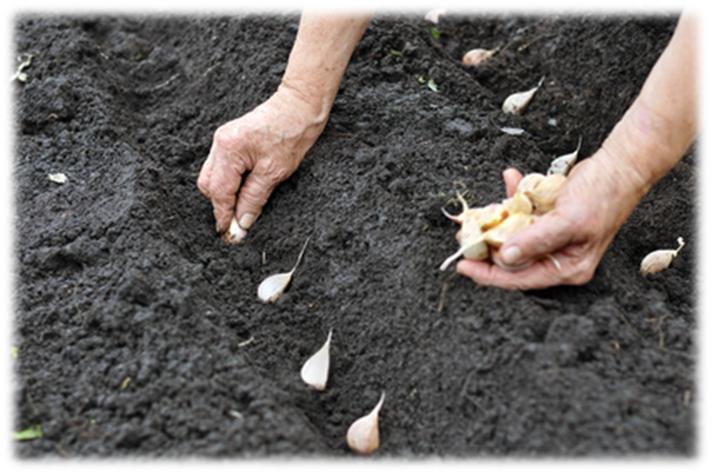
- Planting Depth: Plant cloves about 2 inches deep, with the pointed end facing up.
- Spacing: Space the cloves 6 to 8 inches apart to allow for adequate growth.
Caring for Garlic After Planting
Post-planting care is crucial for growing garlic:
- Mulching: Apply a thick layer of mulch to insulate the garlic and suppress weeds.
- Watering: Water the garlic during dry spells, especially in early spring when it begins to grow.
- Pest Management: Monitor for pests and diseases, and take appropriate action if necessary.
What garlic to buy for planting?
To successfully grow garlic, choosing the right variety for planting is crucial. There are several types of garlic, and understanding their differences will help you select the best option for your garden. Here are the primary types of garlic you might consider purchasing for planting.
Types of Garlic
There are two main categories of garlic: hardneck and softneck. Understanding these types can aid in choosing the best variety for your climate and culinary needs.
- Hardneck Garlic: This type has a stiff stalk and is known for its robust flavor. It is best suited for colder climates and produces larger cloves.
- Softneck Garlic: Softneck varieties have a softer stalk and are typically easier to store. They are ideal for warmer climates and tend to yield more cloves.
- Elephant Garlic: Although not a true garlic, elephant garlic offers large bulbs with a milder flavor, making it a unique option for planting.
Climate Considerations
The climate of your growing area plays a significant role in determining which garlic variety to plant. Different garlic types have varying tolerances to temperature and environmental conditions.
- Cultivation Zone: Identify your USDA planting zone to select garlic varieties that thrive in your specific climate.
- Winter vs. Spring Planting: Hardneck varieties are generally planted in the fall before the first frost, while softneck varieties can be planted in early spring.
- Moisture and Sun: Garlic requires well-drained soil and full sun, so choose locations that meet these requirements based on the variety's needs.
Flavor Profiles
Different garlic types bring unique flavors to dishes, and selecting according to your culinary preferences can enhance your cooking.
- Robust and Spicy: Hardneck varieties like Rocambole or Porcelain are known for their strong, complex flavors, ideal for bold recipes.
- Milder and Sweet: Softneck varieties such as California Early or Artichoke garlic tend to be milder, suitable for those preferring subtle garlic notes.
- Specialty Flavors: Some garlic types, like Creole or Purple Stripe, offer unique taste profiles that can elevate specific dishes.
Storage and Longevity
Certain garlic varieties have different storage capabilities, making some better choices for long-term use.
See also:
- Softneck Storage: Known for their longer shelf life, softneck garlic can last several months in a proper environment.
- Hardneck Storage: These tend to have a shorter storage lifespan, usually lasting 3 to 6 months.
- Optimal Conditions: Store garlic in a cool, dark place to maintain its longevity, regardless of the variety you choose.
Purchasing Garlic for Planting
When purchasing garlic to plant, it is crucial to choose high-quality bulbs to ensure successful growth.
- Seed Catalogs: Look for reputable seed companies that offer certified garlic varieties to avoid diseases.
- Local Farmers’ Markets: Purchase bulbs from local growers who can provide varieties suited for your area.
- Avoid Grocery Store Garlic: Garlic sold in stores may not be suitable for planting as it could be treated with growth inhibitors.
What is the mistake in planting garlic?

When planting garlic, there are several common mistakes that can significantly impact the quality and yield of the crop. Here are a few key errors to avoid:
Improper Timing
Planting garlic at the wrong time can lead to poor growth and diminished harvest quality. Garlic is typically planted in the fall before the ground freezes or in early spring.
- Fall Planting: The best time for planting garlic is usually a few weeks before the first hard frost. This allows the cloves to establish roots before winter.
- Spring Planting: If planted too late in the spring, garlic may not have enough time to mature before the heat of summer, leading to smaller bulbs.
- Climate Considerations: Local climate conditions should also be factored in; some regions have a longer or shorter growing season, impacting the ideal planting time.
Using Poor Quality Seed
The choice of garlic seed can significantly influence the outcome. Utilizing subpar or contaminated bulbs may lead to poor growth or disease issues.
- Certified Seed: It's advisable to use certified organic garlic seed known for good growth vigor and disease resistance.
- Store-Bought Garlic: Using garlic from a grocery store can be risky, as these may have been treated with chemicals or may not be suitable for your climate.
- Signs of Quality: Look for large, firm cloves without any signs of decay or sprouting.
Poor Soil Preparation
Soil quality is crucial for successful garlic planting. Inadequate soil preparation can lead to nutrient deficiencies and poor drainage, affecting root development.
- Soil Testing: Conduct a soil test to understand pH and nutrient levels, ensuring the soil is suitable for garlic growth.
- Amendments: Add organic matter such as compost, which helps improve soil structure, drainage, and nutrient content.
- Draining: Ensure the planting site has good drainage to prevent waterlogging, which can cause rot.
Improper Spacing
Incorrect spacing between garlic cloves can lead to overcrowding, resulting in competition for nutrients and sunlight, ultimately diminishing the size of the bulbs.
- Recommended Spacing: A general guideline is to plant cloves about 4-6 inches apart with rows spaced 12-18 inches apart.
- Overcrowding Risks: Overcrowded plants can lead to smaller heads of garlic and increase the risk of disease due to poor air circulation.
- Thinning: If cloves are planted too closely, consider thinning them out to allow the remaining plants enough room to grow.
Neglecting Watering Needs
Garlic requires consistent moisture, especially during its growth phase. Inadequate watering can lead to stress, impacting the bulb's development.
- Watering Schedule: Establish a regular watering schedule, especially during dry spells, ensuring the soil remains moist but not waterlogged.
- Monitoring: Keep an eye on the weather and adjust watering as needed; over-watering can be as detrimental as under-watering.
- Mulching: Use mulch to help retain moisture in the soil and regulate temperature, especially during hotter months.
Questions from Our Readers
When is the best time to buy garlic bulbs for planting?
Buying garlic bulbs for planting is typically recommended in the fall or early spring, depending on your climate. In general, if you plant garlic in the fall, it allows the bulbs to establish roots before the ground freezes, while planting in early spring can work for those in milder climates or for hardneck varieties that require a period of cold vernalization.
Where can I purchase garlic bulbs for planting?
You can purchase garlic bulbs for planting at garden centers, farmers' markets, or through online retailers. It's important to ensure the garlic is labeled as suitable for planting, as some garlic sold for culinary purposes may not sprout effectively.
See also:
How do I select quality garlic bulbs for planting?
When selecting garlic bulbs for planting, look for bulbs that are firm, plump, and free of blights or mold. Larger bulbs typically produce bigger cloves and better yields, so it's wise to choose the highest quality bulbs for the best results in your garden.
Can I plant garlic bulbs from the grocery store?
While it is possible to plant garlic bulbs from the grocery store, it's generally recommended to use certified seed garlic instead. Grocery store garlic may be treated with chemicals to prevent sprouting, which can hinder your planting success and result in poor growth.

If you want to read more articles like When to Buy Garlic Bulbs for Planting? A Seasonal Guide for Gardeners, we recommend you check out our Garlic category.
Leave a Reply
Related Articles