What is the Best Companion Plant for Garlic? Discover Ideal Pairings for Your Garden
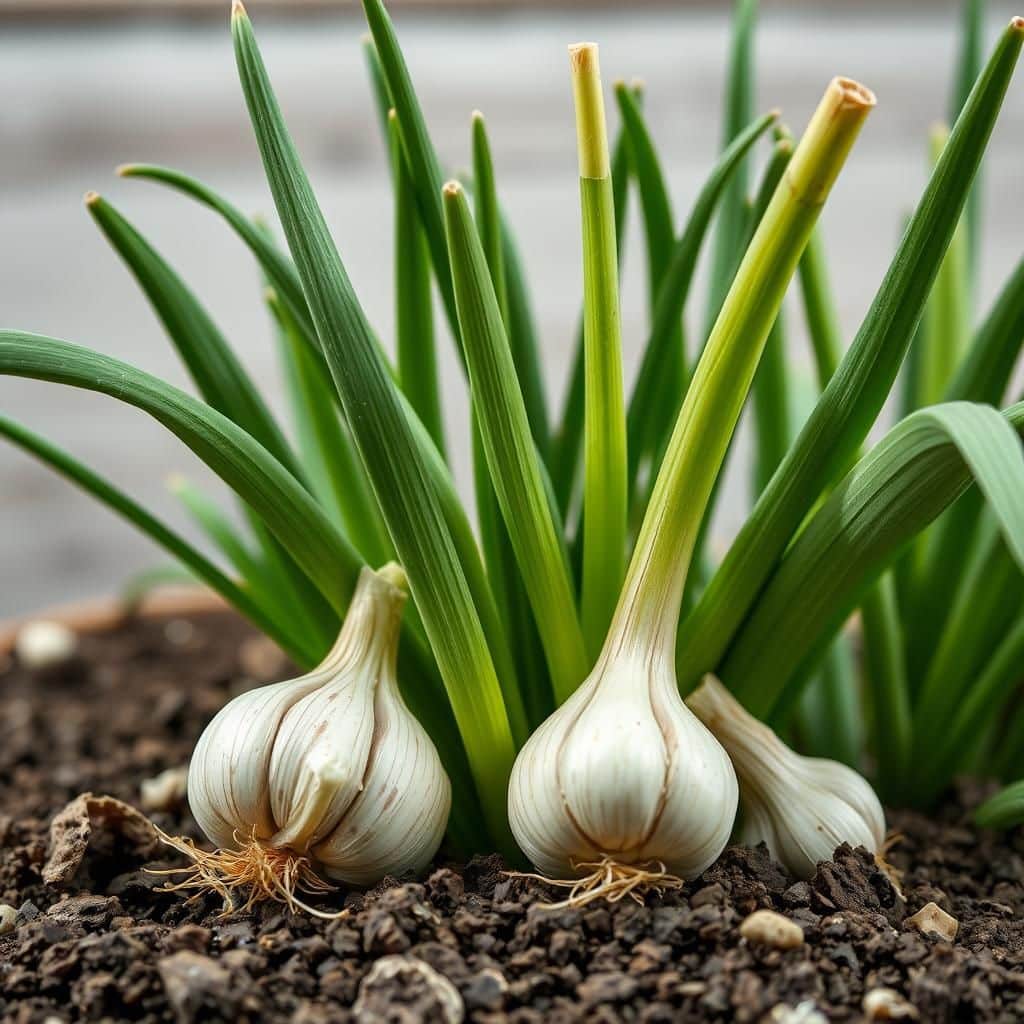
Garlic is a beloved staple in gardens around the world, celebrated for its culinary uses and potential health benefits. However, to maximize its growth and flavor, companion planting plays a crucial role. By selecting the right plants to grow alongside garlic, gardeners can enhance soil health, deter pests, and boost yields. In this article, we will explore the best companion plants for garlic, highlighting ideal pairings that not only thrive together but also support one another. Discover the secrets to a flourishing garlic patch and learn how to create the perfect garden ecosystem with smart plant combinations.
What is the Best Companion Plant for Garlic?
Garlic, known for its strong flavor and culinary uses, is also a natural pest repellent, making it an excellent companion plant in the garden. One of the best companion plants for garlic is turnips. Turnips not only tolerate the same growing conditions as garlic but also benefit from its unique ability to repel pests like aphids and spider mites. Growing these two together can lead to healthier plants and enhanced yields. Other beneficial companions include carrots, beets, tomatoes, and leeks, as they complement the garlic in terms of space and nutrient requirements while enhancing each other's growth.
Benefits of Companion Planting with Garlic
Companion planting with garlic offers numerous benefits, including pest control, enhanced growth, and improved soil health. Garlic emits natural compounds that deter common garden pests, which helps protect neighboring crops. Additionally, when planted alongside compatible plants, garlic can promote stronger root systems and overall plant vigor. Companion planting also tends to attract beneficial insects, leading to a more balanced ecosystem in your garden.
Ideal Conditions for Growing Garlic and Its Companions
Garlic and its companion plants thrive in well-drained soil, full sun exposure, and moderate watering conditions. These plants prefer slightly acidic to neutral soil, around pH 6.0 to 7.0. It's essential to keep the soil moist but not waterlogged, as garlic is susceptible to rot. Understanding the growing conditions for both garlic and its companions can significantly enhance their performance together in the garden.
Companion Plants That Deter Pests
Certain companion plants prove particularly effective at deterring pests when grown alongside garlic. For instance, marigolds are known to repel nematodes, while chamomile can attract beneficial insects. The combination of these plants with garlic can create a natural barrier against pests, reducing the need for chemical interventions in the garden. Integrating these plants can help maintain a healthy and productive growth environment for all your crops.
Harvesting and Care for Garlic and Its Companions
When cultivating garlic and its companion plants, timely harvesting and care are crucial for their success. Garlic is typically harvested in late spring to early summer once the leaves start to yellow and dry out. Companion plants like carrots and turnips should be harvested based on their growth cycles. Providing adequate nutrients, mulching, and maintaining consistent watering can significantly boost the overall yield and health of both garlic and its neighbors.
Recommended Companion Plants for Garlic
Some of the most recommended companion plants for garlic include carrots, leeks, turnips, tomatoes, and beets. Each of these plants shares similar growing conditions with garlic and can provide mutual benefits. Carrots and beets, for example, grow well in the same soil and do not compete aggressively with garlic for resources. Here is a simple table summarizing these plants:
| Companion Plant | Benefits |
|---|---|
| Carrots | Share similar soil and pest control abilities. |
| Leeks | Enhance growth and deter pests. |
| Turnips | Excellent pest deterrent and space-compatible. |
| Tomatoes | Utilize vertical space well and benefit from pest repellent. |
| Beets | Thrive in similar conditions, providing good soil cover. |
What should you not plant garlic next to?
:strip_icc()/Best-Garlic-Companion-Plants-to-Grow-Together-0GHJ8eQ1qJO8lTRdr6yJB3-3fe36ae60609497e8167ebe37d87b0b2.jpg)
Garlic is a versatile and widely cherished plant, but it does have certain compatibility issues when it comes to companion planting in the garden. Here are some plants that should not be planted next to garlic.
Plants That Deteriorate Garlic Growth
Garlic can suffer from poor growth when planted near certain plants that compete for resources or harbor pests. Here's a list of plants that you should avoid planting alongside garlic:
- Onions - Both onions and garlic belong to the Allium family, and they can compete for nutrients.
- Beans - Beans may inhibit garlic growth due to their nitrogen-fixing properties, which garlic does not benefit from.
- Peas - Similar to beans, peas can interfere with garlic development.
Pest Attraction Due to Neighboring Plants
Some neighboring plants may attract pests that can negatively affect garlic. It’s important to keep garlic away from these plants to prevent infestations and promote healthy growth:
- Potatoes - Potatoes can attract the same pests that target garlic, such as aphids.
- Tomatoes - This plant can also attract pests, and it shares diseases that can affect garlic.
- Cucumbers - Being a susceptible host for the same pests, cucumbers should be kept away from garlic.
Disease Susceptibility from Companions
Certain plants can introduce diseases that are detrimental to garlic. Avoid planting garlic next to the following:
- Asparagus - This plant can transmit diseases like rust that affect garlic.
- Rhubarb - Rhubarb can carry bacterial diseases harmful to garlic.
- Leeks - Like onions, leeks can share disease pathogens, impacting garlic’s health.
Competition for Resources
Garlic requires specific nutrients and can struggle when planted near plants that consume similar resources. Avoid the following:
See also:
- Corn - Corn can overshadow garlic and compete for sunlight and soil nutrients.
- Brassicas - This includes cabbage and broccoli, which are heavy feeders and drain soil nutrients.
- Carrots - Carrots may also compete for nutrients and space, potentially limiting garlic growth.
Flavor Interference
The flavor of garlic can be influenced by some plants it is grown near. For the best taste, avoid these plants:
- Strawberries - Planting garlic near strawberries may produce an undesirable taste in the berries.
- Fennel - Fennel can inhibit the growth and flavor of garlic due to its allelopathic properties.
- Mint - Mint may overshadow garlic's flavor and growth, making it less aromatic.
What is a good cover crop for garlic?

A good cover crop for garlic is Vetch, specifically common vetch (Vicia sativa) or hairy vetch (Vicia villosa). These legumes are beneficial because they fix nitrogen in the soil, which is crucial for the growth of garlic. Vetch also helps suppress weeds and improve soil structure, enhancing moisture retention and aeration.
Benefits of Using Vetch as a Cover Crop
Using vetch as a cover crop provides several advantages for garlic cultivation:
- Nitrogen Fixation: Vetch captures atmospheric nitrogen and makes it available for garlic, promoting optimal growth.
- Weed Suppression: The dense growth habit of vetch prevents weeds from emerging, reducing competition for garlic.
- Soil Improvement: Vetch enhances soil texture and structure, allowing better water infiltration and root development.
How to Establish Vetch as a Cover Crop
Establishing vetch as a cover crop involves a few essential steps:
- Timing: Plant vetch in late summer or early fall after harvesting garlic to allow adequate growth before winter.
- Seeding Rate: Use a recommended seeding rate (usually around 15-30 pounds per acre) to ensure optimal coverage.
- Incorporation: Incorporate vetch into the soil before planting the next garlic crop, usually in spring, to maximize nutrient release.
Other Suitable Cover Crops for Garlic
Besides vetch, several other cover crops can be beneficial for garlic:
- Crimson Clover: A nitrogen-fixing legume that enhances soil fertility and helps prevent soil erosion.
- Rye: Cereal rye is excellent for weed suppression and provides organic matter when turned into the soil.
- Field Peas: Another legume that fixes nitrogen and provides biomass, crucial for improving soil health.
Managing Cover Crops for Optimal Growth
Proper management of cover crops ensures they benefit garlic cultivation:
- Monitor Growth: Regularly check the growth of the cover crop to determine the right time for termination before planting garlic.
- Pest Management: Keep an eye on potential pest issues that may arise with cover crops, ensuring they don't affect garlic.
- Nutrient Testing: Conduct soil tests to determine the nutrient contribution from the cover crop and adjust fertilization for garlic accordingly.
Potential Challenges with Cover Crops
Using cover crops like vetch and others can pose certain challenges:
- Winter Kill: Some cover crops may not survive harsh winters, reducing their effectiveness for early spring planting.
- Competition: If not managed properly, cover crops may compete with garlic for nutrients and water during early growth stages.
- Soil Preparation: Additional soil preparation is necessary to ensure the cover crop is adequately incorporated for optimal garlic growth.
Can I plant garlic and peppers together?
Yes, you can plant garlic and peppers together, and they can provide several benefits when grown in close proximity. Both plants have different growth habits and nutrient needs, making them suitable companions in the garden. However, there are some considerations to take into account to ensure their successful growth.
Benefits of Planting Garlic with Peppers
Planting garlic alongside peppers can enhance growth and provide pest resistance. Here are some benefits:
- Pest Control: Garlic acts as a natural repellent for certain pests such as aphids and spider mites, which can potentially harm peppers.
- Disease Prevention: The presence of garlic can help prevent soil-borne diseases that might affect peppers.
- Flavor Enhancement: Some gardeners believe that garlic can improve the flavor of peppers when grown in proximity.
Growth Requirements
While both plants can thrive together, it's important to consider their specific growth requirements:
- Sunlight: Both garlic and peppers require full sun, meaning they need at least six to eight hours of direct sunlight each day.
- Soil Type: They prefer well-draining soil rich in organic matter. Garlic favors a slightly acidic to neutral pH, while peppers thrive in a slightly acidic to neutral environment.
- Watering Needs: Both plants require consistent moisture, but garlic needs less frequent watering compared to peppers, especially during its bulb formation.
Spacing Considerations
Proper spacing between garlic and pepper plants is crucial for their growth:
See also:
- Planting Density: Garlic should be planted about 4-6 inches apart from each other, while peppers need more space, generally 18-24 inches apart.
- Air Circulation: Adequate air circulation is important to prevent diseases; ensure that the plants are not too crowded.
- Root Competition: Both plants' roots can compete for nutrients; giving each plant enough space can help mitigate this issue.
Harvesting and Timing
Timing can affect the successful co-cultivation of garlic and peppers:
- Garlic Harvest Time: Garlic is typically harvested in late spring to early summer, when the leaves start to turn brown.
- Pepper Harvest Time: Peppers can be harvested throughout the summer until the first frost, allowing for a prolonged growing season.
- Succession Planting: Once garlic is harvested, the space can be utilized for planting additional pepper plants or other crops.
Pest and Disease Management
Managing pests and diseases is vital for the health of both garlic and peppers:
- Regular Inspection: Monitor both plants for signs of pests such as aphids and spider mites and employ natural pest control methods if necessary.
- Crop Rotation: Rotate crops each season to reduce disease buildup in the soil, particularly for peppers.
- Beneficial Insects: Attracting beneficial insects like ladybugs can help control pest populations naturally.
What not to do when planting garlic?
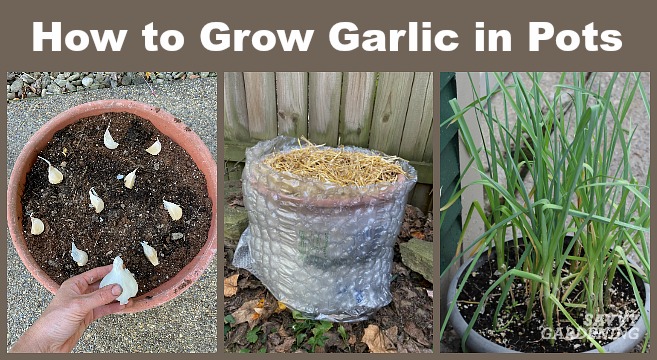
When it comes to planting garlic, there are several important considerations to ensure a healthy crop. Below are the key points on what not to do when planting garlic:
Avoid Using Infected or Poor Quality Bulbs
Planting garlic bulbs that are infected or of poor quality can lead to inadequate growth and low yields. It is crucial to select healthy, certified seed garlic.
- Inspect the bulbs for signs of rot or mold.
- Choose bulbs that are firm and plump.
- Avoid bulbs from grocery stores as they may carry diseases or be treated with growth inhibitors.
Do Not Plant in Inappropriate Soil Conditions
Garlic thrives in well-drained, rich soil. Planting it in heavy, compacted soils can result in poor growth and potential disease issues.
- Test the soil drainage; garlic prefers loamy soil.
- Avoid waterlogged areas where root rot can occur.
- If necessary, amend the soil with organic matter to improve texture.
Never Plant Too Deep or Too Shallow
Planting garlic at the wrong depth can affect its growth. The ideal planting depth is about 2-3 inches below the soil surface.
- If planted too deep, the shoots may struggle to break through the soil.
- If planted too shallow, they may be vulnerable to frost damage.
- Consistency in planting depth is key for uniform growth.
Don’t Overwater Garlic
Garlic requires adequate moisture, but overwatering can lead to root rot and fungal diseases.
- Allow the top inch of soil to dry out between waterings.
- Adjust your watering schedule based on rainfall and soil moisture.
- Avoid irrigation directly on the leaves to prevent fungal issues.
Do Not Neglect Pest Control
Garlic can attract pests such as aphids and nematodes. Ignoring pest control may lead to infestations that can harm the plant.
- Regularly inspect your garlic plants for signs of pests.
- Implement organic pest control measures, like insecticidal soap, if necessary.
- Consider companion planting to deter pests naturally.
Questions from Our Readers
What is the best companion plant for garlic?
Garlic grows well alongside several plants, but some of the best companions are tomatoes, peppers, and carrots. These plants benefit from garlic's pest-repelling properties, while garlic enjoys the nutrients provided by these companions.
Why should I plant companion plants with garlic?
Planting companion plants with garlic helps to maximize garden productivity, promote better growth, and reduce the risk of pests and diseases. This synergy can enhance the flavors and health of all plants involved.
Are there any plants to avoid when growing garlic?
Yes, it's best to avoid planting garlic near beans and peas, as these legumes can impede garlic's growth and may also attract pests that harm garlic.
Can I plant garlic with herbs?
Absolutely! Garlic pairs well with various herbs such as parsley, sage, and thyme. These herbs can enhance the overall health of the garden and contribute to a diverse ecosystem.
See also:

If you want to read more articles like What is the Best Companion Plant for Garlic? Discover Ideal Pairings for Your Garden, we recommend you check out our Garlic category.
Leave a Reply
Related Articles