What is the Best Day to Plant Garlic? A Complete Guide for Gardeners
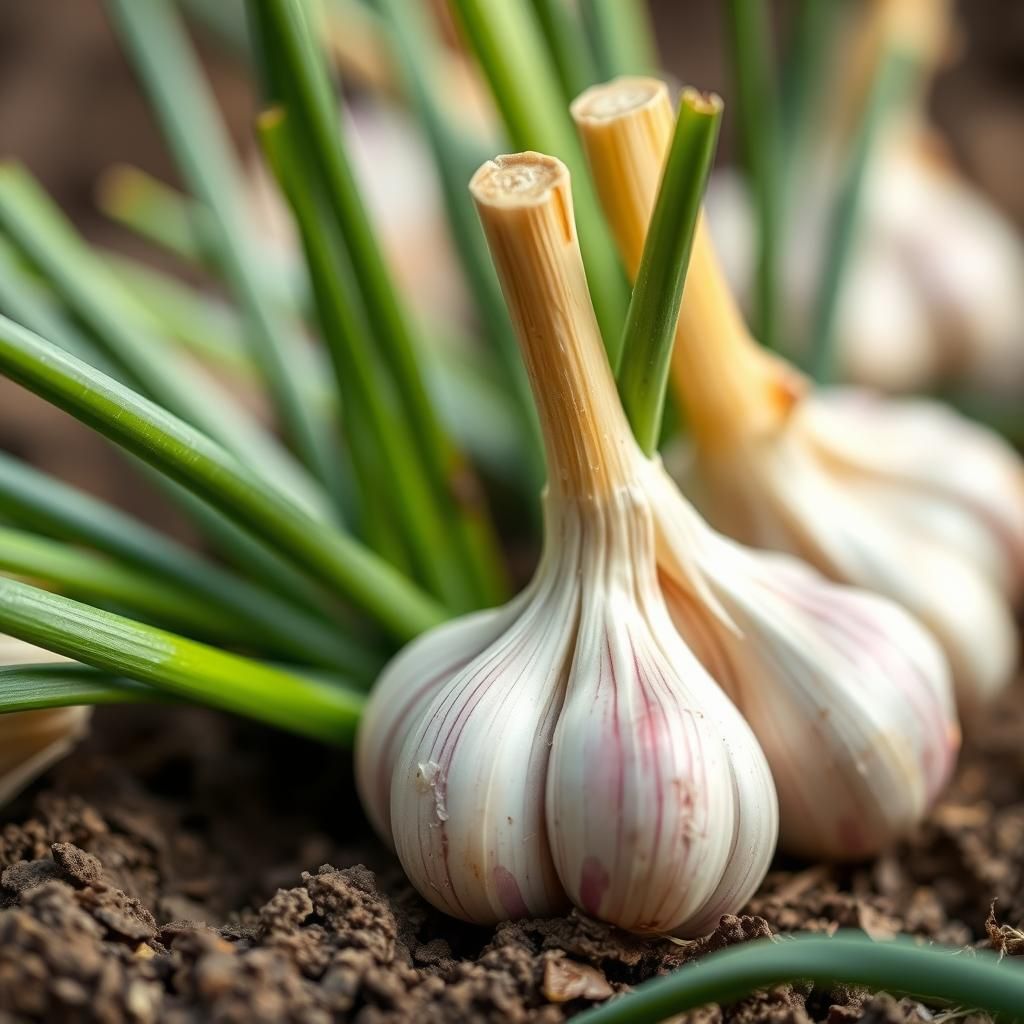
Garlic is a staple in many kitchens, prized for its flavor and numerous health benefits. However, successful garlic cultivation begins with selecting the right planting day. Timing can significantly influence the growth and yield of your garlic crop. This comprehensive guide aims to help gardeners understand the best day to plant garlic, considering factors such as climate, soil type, and seasonal conditions. By following the insights provided, both novice and seasoned gardeners can optimize their garlic planting strategy, ultimately achieving a thriving harvest. Prepare to dig into the essential tips for ensuring your garlic grows robustly and flavors your meals for months to come.
What is the Best Day to Plant Garlic?
Planting garlic at the right time is crucial for its robust growth and yield. Generally, the best time to plant garlic is in the fall, specifically between late September and early November, depending on your climate. This timing allows the garlic bulbs to establish roots before the ground freezes, which leads to stronger plants that can break through the soil in spring. In warmer climates, early spring is also an option, but fall planting is often preferred as it results in larger bulbs and better flavor due to the longer growth period.
Understanding Garlic Planting Seasons
Garlic is typically planted in two main seasons: fall and spring. The fall season is ideal as it allows the bulbs to develop roots and undergo a natural chilling period, which promotes healthier growth in the spring. In colder regions, garlic requires a cold dormancy phase to thrive. On the other hand, spring planting can work but often produces smaller bulbs and less vigorous plants due to the shorter growing season. Therefore, knowing your climate and the type of garlic you are planting is key to determining the best season for planting.
Factors Influencing Planting Days
The best days for planting garlic can be influenced by several factors such as soil temperature, moisture levels, and local climatic conditions. Ideally, the soil temperature should be around 60°F to 70°F (15°C to 21°C) for optimal germination. Checking the long-term weather forecast can help you pick a dry day after a period of rain, ensuring that the soil is neither too wet nor too dry. Choosing a day with a forecast of mild temperatures can also enhance the initial establishment of the garlic.
Regional Planting Recommendations
Different regions have varied optimal planting times for garlic. In Northern areas, planting is typically recommended from late September to early October, allowing the bulbs to settle in before winter. Conversely, in Southern regions, garlic can be planted in late fall or even early winter months due to milder temperatures. It's essential to adapt your planting schedule based on the unique climate and frost patterns of your region to ensure successful growth.
Signs That Indicate Planting Readiness
There are key signs to consider when determining if it's the right time to plant garlic. The soil should be cooler, and daytime temperatures can range from 40°F to 60°F (4°C to 15°C). Additionally, watching the leaves of perennial plants can also provide clues; when they begin to wilt in the fall, it often indicates that it's time to plant garlic. Checking the local weather forecasts for consistent cool temperatures can help confirm the right planting window.
Optimal Care After Planting
After planting garlic on the best days, proper care is essential for maximizing growth and yield. Applying a layer of organic mulch helps retain moisture and regulate soil temperature, while also preventing weed growth. Regular watering without over-saturating the soil is crucial, especially in dry spells. Monitoring for pests and diseases during the growing season and providing necessary amendments to the soil can further enhance the health and productivity of your garlic crop.
| Region | Optimal Planting Time |
|---|---|
| Northern Regions | Late September to Early October |
| Southern Regions | Late Fall to Early Winter |
| Moderate Climates | October |
| Warm Climates | Early Spring |
What is the best month to plant garlic?
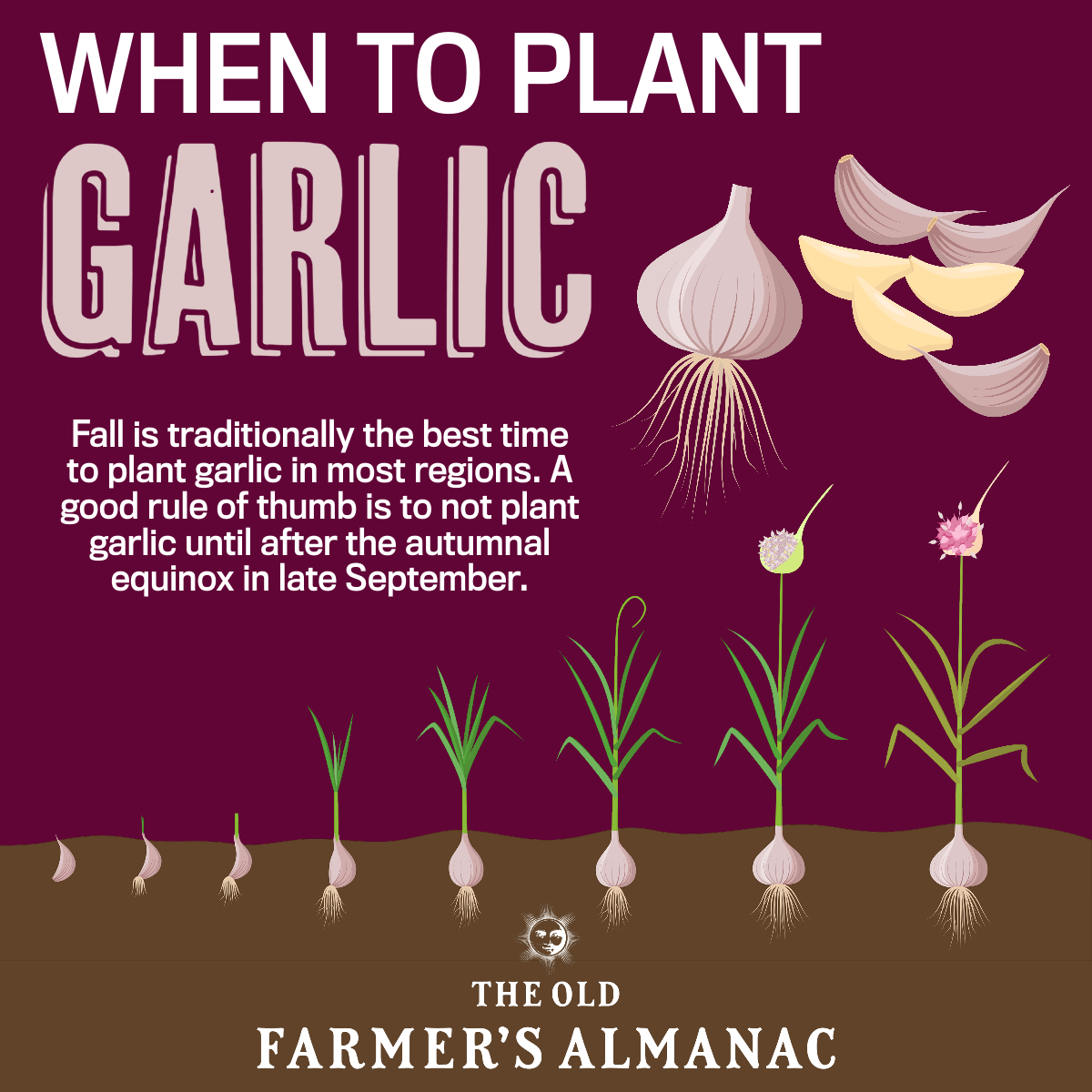
The best month to plant garlic typically depends on your climate zone, but in most temperate regions, October is considered ideal. This timing allows garlic to establish roots before the winter frost, which can improve the bulb size and overall harvest quality. Some gardeners may also choose to plant garlic in early spring, but this can lead to smaller bulbs as the growing season is shorter.
Why October is Ideal for Garlic Planting
Planting garlic in October is advantageous for several reasons:
- Root Development: Garlic needs to develop its root system before winter sets in, which is more feasible in fall.
- Frost Resistance: Garlic is hardy and can withstand frost, making October a safe choice for planting.
- Bulb Size: Early planting leads to larger bulbs due to a longer growth period.
Climate Considerations for Garlic Planting
Understanding your local climate is crucial in deciding when to plant garlic. Different regions experience varying temperatures and frosts:
- Cold Climates: In colder areas, October allows garlic to establish before snow.
- Moderate Climates: In these regions, planting can extend into early November.
- Warm Climates: In warmer zones, garlic can be planted in late winter or very early spring.
Choosing the Right Garlic Variety
The variety of garlic you select can also influence the best planting time:
- Hardneck Garlic: Generally recommended for northern climates, thrives when planted in fall.
- Softneck Garlic: Often better suited for milder winters, can be planted in early spring.
- Elephant Garlic: A unique variety that may also benefit from late fall planting in warmer areas.
Preparing Your Soil for Garlic
Before planting, it's essential to prepare your soil for optimal garlic growth:
- Soil Type: Garlic prefers well-drained, loamy soil rich in organic matter.
- pH Level: Aim for a soil pH between 6.0 and 7.0 for best results.
- Fertilization: Incorporate compost or balanced fertilizer before planting to enhance soil fertility.
Post-Planting Care for Garlic
After planting, proper care can ensure a successful garlic harvest:
See also:
- Watering: Keep the soil moist but not waterlogged, especially during dry spells.
- Mulching: Applying mulch can help retain moisture and suppress weeds during the growing season.
- Monitoring Growth: Regularly check for pests and diseases to maintain healthy garlic plants.
What is the trick to planting garlic?
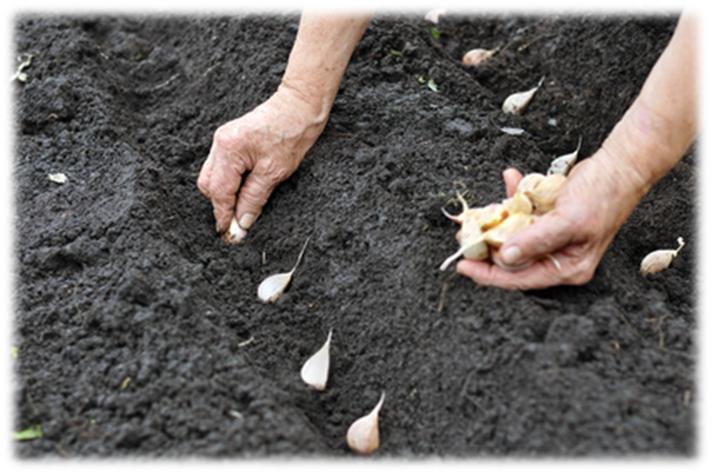
To successfully plant garlic, it’s essential to follow specific techniques that ensure healthy growth and a bountiful harvest. Here are some tricks to consider when planting garlic:
1. Choose the Right Variety: Selecting the correct type of garlic for your climate and soil is crucial. There are two main types of garlic: hardneck and softneck, each with its own characteristics and growing requirements.
2. Prepare the Soil: Garlic thrives in well-drained soil rich in organic matter. It's important to amend your soil with compost or well-rotted manure to enhance fertility and promote healthy growth.
3. Timing is Key: Planting garlic at the right time is vital for optimal bulb development. Late fall is often the best time for planting in most regions, as garlic benefits from the chilling hours provided by winter.
4. Proper Spacing: When planting garlic cloves, ensuring they are spaced adequately will provide them with room to grow. Place each clove about 4-6 inches apart in rows that are 12-18 inches apart.
5. Watering Techniques: Proper water management is essential. Garlic requires consistent moisture, especially during the growing season, but the soil should not be waterlogged.
Choosing the Right Garlic Variety
Choosing the right variety of garlic ensures that it will thrive in your local environment. There are several types to consider:
- Hardneck Garlic: Known for its robust flavor and ability to withstand colder climates.
- Softneck Garlic: Typically milder in flavor and suitable for warmer climates.
- Elephant Garlic: A variety that produces large cloves, although it is technically a leek, it has a milder taste.
Preparing the Soil for Garlic
Healthy soil is the foundation of a successful garlic crop. Here’s how to prepare it:
- Soil Testing: Conduct a soil test to determine pH and nutrient levels.
- Amendments: Add compost, aged manure, or organic fertilizers to improve soil quality.
- Drainage: Ensure the soil drains well to avoid root rot.
Timing Your Garlic Planting
Timing is critical for garlic cultivation. Here are the factors to consider:
- Fall Planting: Aim to plant garlic cloves a few weeks before the ground freezes.
- Spring Planting: In warmer climates, garlic can also be planted in early spring.
- Growing Cycle: Understanding the garlic growing cycle helps optimize harvest times.
Spacing for Garlic Cloves
Proper spacing between garlic cloves is important for healthy plant development. Consider the following:
- Row Arrangement: Plant garlic cloves in rows spaced 12-18 inches apart.
- Clove Distance: Each clove should be placed 4-6 inches apart in the row.
- Consistency: Maintain uniform spacing for easier management and harvesting.
Watering Garlic Plants
Water management plays a significant role in garlic growth. Follow these tips:
- Initial Watering: Water thoroughly after planting to encourage rooting.
- Continuous Moisture: Garlic likes consistent moisture, especially during bulb formation.
- Avoid Overwatering: Ensure the soil dries out slightly between waterings to prevent disease.
Why do you soak garlic before planting?
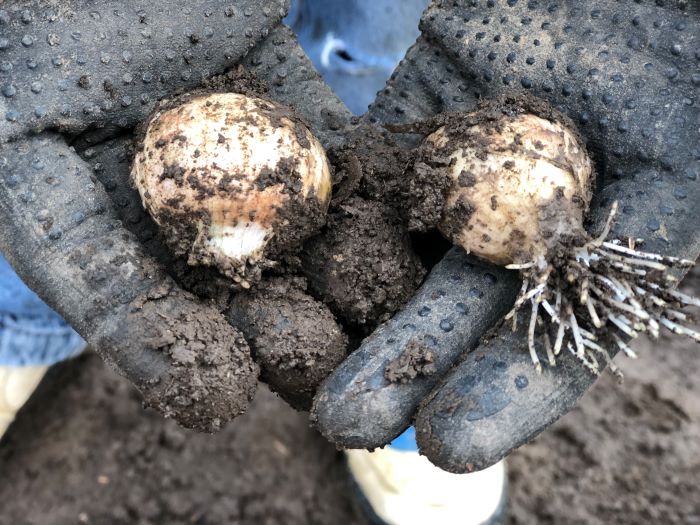
Soaking garlic before planting is a common practice among gardeners and farmers that can yield several benefits for the growth and health of the plant. The main reasons for this practice include enhancing germination rates, preventing disease, and improving overall vigor. The soaking process involves submerging garlic cloves in water, often for several hours to overnight, before placing them in the soil. Here's a more detailed exploration of these benefits.
See also:
Benefits of Soaking Garlic
Soaking garlic cloves can greatly contribute to their germination and eventual growth. The moisture penetrates the cloves, which can help activate various physiological processes necessary for sprouting. The following points detail these benefits:
- Improved Germination Rates: Soaking prepares the garlic for planting by ensuring the cloves are hydrated, which promotes quicker sprouting.
- Decreased Time to Sprout: Soaking can reduce the time it takes for the cloves to break dormancy, allowing for earlier growth.
- Better Root Development: Hydrated cloves are more likely to develop strong roots, leading to healthier plants.
Preventing Diseases
One of the significant advantages of soaking garlic before planting is its ability to reduce the risk of diseases. Many gardeners use a fungicide solution when soaking to help combat fungal infections that can affect garlic. Here’s how it helps:
- Washing Off Pathogens: The soaking process can help wash away dirt and pathogens present on the surface of the cloves.
- Fungicide Application: Soaking in a diluted fungicide solution can provide added protection against soil-borne diseases.
- Strengthened Plant Immunity: Garlic that starts off healthy is more resilient against diseases that may arise during its growth.
Improving Clove Health
Soaking not only prepares garlic for growth but also ensures that the cloves remain healthy throughout the growing season. Healthy cloves lead to better yields and more robust plants. Here are the health advantages:
- Hydration Boost: Soaking provides better initial hydration, promoting overall clove health.
- Stress Relief: Pre-soaked cloves can adapt better to soil stress conditions, such as drought.
- Enhanced Nutrient Uptake: Hydrated plants can absorb nutrients more efficiently from the soil.
Optimal Timing for Soaking
Knowing when to soak garlic is vital for maximizing its benefits. The timing can impact the effectiveness of the soaking process and subsequent planting. Consider these points:
- Prior to Planting: Garlic should be soaked just before you are ready to plant, ensuring maximum freshness.
- Duration of Soaking: A brief soak of 4-8 hours is often sufficient; too long can lead to Rot.
- Temperature Considerations: Using room temperature water can prevent shock and promote better results.
Soaking Techniques
There are different methods and techniques for soaking garlic, and each can offer unique advantages. Understanding these can help you choose the best approach for your needs:
- Water Soaking: The simplest method involves directly soaking cloves in plain water.
- Fungicide Mixture: Mixing fungicides into the soaking water can provide additional protective benefits.
- Adding Nutrients: Some gardeners add nutrients to the soaking solution to give the garlic an extra boost.
What not to do when planting garlic?

When planting garlic, there are several common mistakes that can lead to poor growth and yield. Here are key points on what not to do when planting garlic.
Don’t Use Inadequate Soil
Using poor quality or incorrect soil can severely affect the growth of garlic. Garlic prefers well-draining, loamy soil that is rich in organic matter. Here are some things to avoid:
- Avoid heavy clay soils that retain water and limit root development.
- Don’t plant in soggy or wet conditions as this can lead to rot.
- Do not skip soil testing to determine pH and nutrient levels, which can be critical for optimal growth.
Don’t Neglect Proper Spacing
Crowding your garlic bulbs can lead to stunted growth and reduced quality. Proper spacing is essential for air circulation and nutrient absorption. Consider these points:
- Don’t plant garlic too close together as this increases competition for nutrients.
- Avoid inconsistent spacing, which can lead to uneven growth and difficulty in maintenance.
- Don’t ignore the recommended spacing, which typically should be around 4-6 inches apart.
Don’t Overwater
While garlic needs moisture, overwatering can cause serious issues such as mold or bulb rot. Here are some practices to avoid:
- Don’t water daily; instead, ensure the soil dries out between waterings.
- Avoid watering during rainy periods to prevent waterlogging.
- Do not forget to adjust your watering schedule based on weather conditions and soil moisture levels.
Don’t Choose the Wrong Variety
Not all garlic varieties are suitable for every climate or soil type. Choosing the right garlic variety is crucial. Be mindful of the following:
- Don’t ignore local recommendations for garlic varieties that thrive in your area.
- Avoid planting softneck garlic in areas with cold winters unless specifically suited.
- Do not buy garlic from unknown sources as this may introduce diseases to your garden.
Don’t Forget About Weed Control
Weeds compete with garlic for nutrients and water, potentially reducing your yield. Here are some common mistakes in weed management:
- Don’t leave weeds uncontrolled; regularly check and remove them to promote healthy growth.
- Avoid using herbicides that could harm your garlic.
- Don’t forget about mulch, which can help suppress weed growth naturally.
Questions from Our Readers
What is the best time of year to plant garlic?
The best time to plant garlic is generally in the fall, about 4-6 weeks before the ground freezes. This allows the garlic to develop roots before the cold sets in but not enough time for it to sprout. In warmer climates, garlic can also be planted in early spring.
Can I plant garlic in spring?
Yes, you can plant garlic in spring, but it is important to note that fall planting often yields better results. Spring-planted garlic may not have enough time to develop properly before the summer heat arrives, leading to smaller bulbs.
See also:
What garlic variety is best for planting?
There are two main types of garlic: hardneck and softneck. Hardneck varieties tend to do better in colder climates, while softneck varieties are more suited to milder areas. Your choice of variety should depend on your local climate and growing conditions.
How deep should I plant garlic?
Garlic should typically be planted at a depth of about 2 to 3 inches in well-drained soil. The pointed end of the clove should be facing up, ensuring proper growth and bulb formation as the garlic matures.

If you want to read more articles like What is the Best Day to Plant Garlic? A Complete Guide for Gardeners, we recommend you check out our Garlic category.
Leave a Reply
Related Articles