What is the Easiest Garlic to Grow? A Comprehensive Guide for Gardeners
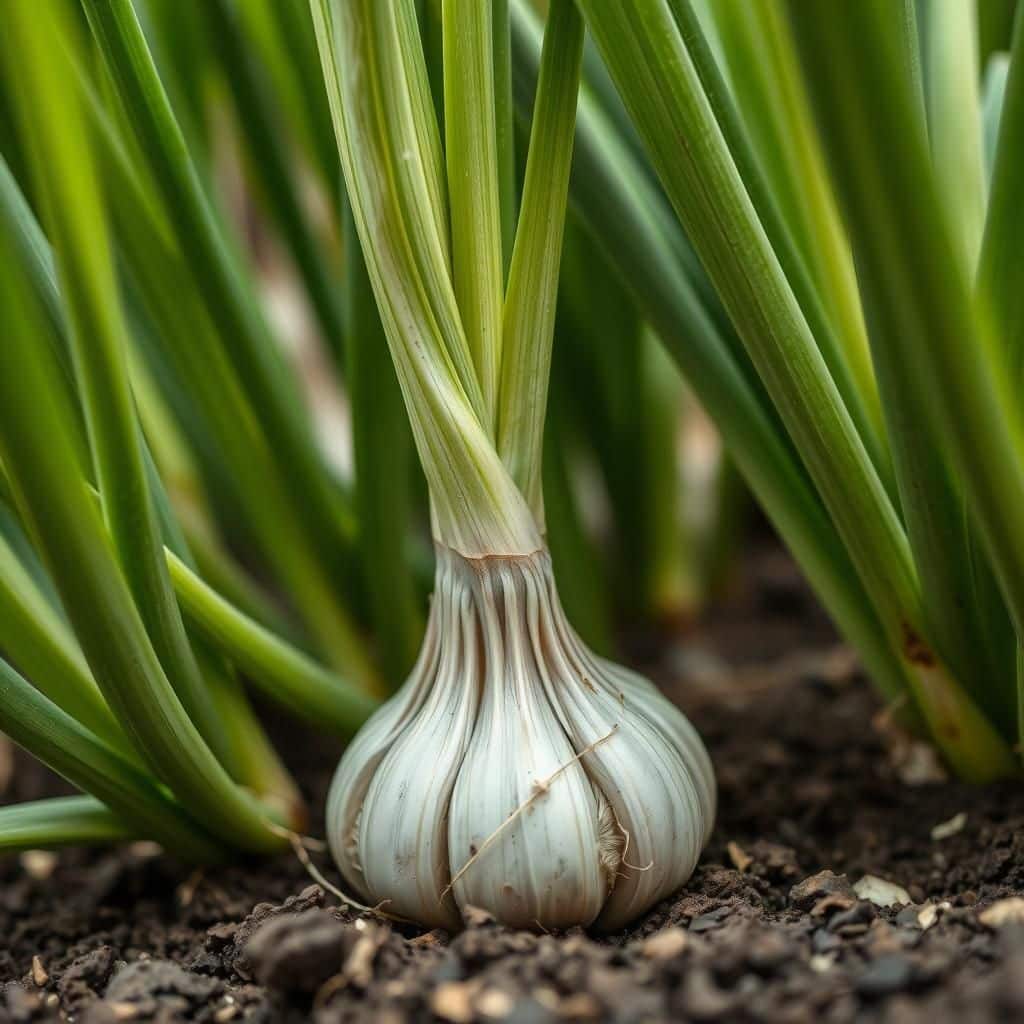
Garlic is a beloved culinary staple, renowned for its flavor and health benefits, but many gardeners wonder which variety is the easiest to grow. Whether you’re a beginner or an experienced gardener looking to diversify your plantings, understanding the different types of garlic can help you make an informed choice. This comprehensive guide will explore the easiest garlic varieties to cultivate, their growing requirements, and tips for successful harvesting. From hardneck to softneck types, each offers unique advantages and flavors. Get ready to dig into the world of garlic and discover which variety will thrive in your garden!
What is the Easiest Garlic to Grow?
Growing garlic can be a rewarding experience, especially for beginners looking to cultivate their own herbs. The easiest garlic to grow is softneck garlic, particularly the variety known as Artichoke garlic. This type is favored due to its adaptability to various climates, its ability to store well for long periods, and its versatility in culinary uses. Softneck garlic produces a higher number of cloves per bulb, making it more productive, and it typically yields larger bulbs than hardneck varieties. It thrives in well-drained soil and requires a moderate amount of sunlight, making it suitable for both experienced gardeners and novices alike.
Characteristics of Softneck Garlic
Softneck garlic is characterized by its plaitable stalks, which make it ideal for braiding. This type generally produces more cloves than hardneck varieties, typically ranging from 10 to 20 cloves per bulb. It tends to have a milder flavor, which is appealing to many cooks. Furthermore, softneck garlic is more tolerant of warmer climates, allowing it to flourish in a wider range of growing conditions.
Best Planting Conditions
For optimal growth, softneck garlic should be planted in well-drained soil with a pH level of 6.0 to 7.5. Full sun exposure of around 6 to 8 hours daily is ideal, as it promotes healthy bulb maturation. Regular watering is necessary, particularly during the first few weeks after planting, but overwatering should be avoided to prevent rot. Mulching can help retain moisture and suppress weeds.
Harvesting and Storing Garlic
Harvesting time for softneck garlic is generally in mid to late summer when the lower leaves begin to yellow, yet the upper leaves remain green. Careful handling during harvesting is crucial to prevent damage to the bulbs. Once harvested, garlic should be cured in a dry, dark, and ventilated area for about two to four weeks. Properly cured bulbs can last several months if stored in a cool, dark place with good air circulation.
See also:
Pest and Disease Management
Softneck garlic is relatively resilient but can still be affected by pests such as garlic maggots and diseases like white rot. To manage these issues, crop rotation is a crucial practice to prevent soil-borne diseases. Additionally, organic pest control methods and maintaining proper soil drainage can effectively reduce the risks to your garlic crop.
Growing Garlic in Containers
For those with limited space, softneck garlic can also be successfully grown in containers. Select a pot that is at least 12 inches deep and wide, ensuring adequate room for the garlic to establish its roots. Use a well-draining potting mix and position the container in a sunny location. Regular watering is essential, as containers tend to dry out faster than garden beds, ensuring healthy development of the bulbs.
| Garlic Variety | Clove Count | Flavor Profile | Storage Potential |
|---|---|---|---|
| Softneck Garlic | 10-20 cloves | Mild | Long-lasting |
| Hardneck Garlic | 5-12 cloves | Robust | Shorter lifespan |
Understanding Garlic Varieties for Easy Growth
When selecting the easiest garlic to grow, it is essential to consider the various varieties that thrive in different climates and soil types. The softneck garlic is often recommended for beginners due to its adaptability and higher yield in milder regions. In contrast, hardneck varieties can be more challenging to grow but offer a more robust flavor. Additionally, understanding the growing season, timing for planting, and maintenance can significantly improve the success rate of garlic cultivation in your garden.
Softneck vs. Hardneck Garlic
The primary distinction between softneck and hardneck garlic lies in their growth habits and climate preferences. Softneck garlic, characterized by its flexible neck, is ideal for warmer climates, making it a favorite among home gardeners for its long shelf life and ease of harvest. In contrast, hardneck garlic thrives in cooler regions and offers unique flavors, albeit with shorter storage capabilities. Knowing these differences helps gardeners choose the best variety suited for their specific growing conditions.
Optimal Growing Conditions
Garlic flourishes in well-draining soil enriched with organic matter and requires plenty of sunlight for robust growth. The optimal pH level for garlic is between 6.0 and 7.0, which allows for the uptake of essential nutrients. Planting garlic in a location that receives at least six hours of sunlight daily will ensure strong bulb development. Additionally, maintaining adequate moisture without overwatering is crucial for preventing issues like fungal diseases.
See also:
Planting Times for Garlic
Timing is critical for successful garlic cultivation, as it typically needs to be planted in the fall before the ground freezes, which allows for proper root establishment. In regions with milder winters, garlic can also be planted in early spring, although fall planting generally yields larger bulbs. Understanding the local climate and adjusting planting times accordingly will help gardeners maximize their harvest and ensure robust growth.
Pest and Disease Management
Garlic is relatively resistant to pests, but pest management is still essential to prevent infestations of garlic’s common adversaries, such as nematodes and aphids. Maintaining healthy soil and practicing crop rotation can reduce these risks. Additionally, keeping an eye out for symptoms of disease, such as yellowing leaves or mold, allows for early intervention. Employing organic methods like companion planting with marigolds can also enhance pest control in the garden.
Harvesting and Storing Garlic
Knowing when and how to harvest garlic is crucial for maintaining its quality and potency. Garlic should be harvested when the lower leaves start to turn brown, while the upper leaves remain green—this typically occurs in mid to late summer. After carefully lifting the bulbs, they should be dried in a well-ventilated area out of direct sunlight to cure. Proper storage in a cool, dark place will prolong the shelf life of garlic, ensuring its availability for culinary use throughout the year.
Questions from Our Readers
What is the easiest garlic to grow?
Garlic varieties that are considered the easiest to grow are typically hardneck and softneck types. Among these, softneck garlic is often recommended for beginners because it is more adaptable to different climates and has a longer shelf life. Hardneck garlic, while slightly more challenging, can be rewarding due to its robust flavor and variety of cloves.
How much sunlight does garlic need to grow?
Garlic needs a minimum of 6 to 8 hours of direct sunlight each day to thrive. When planting garlic, it's crucial to choose a location that receives ample sunlight, as this will promote healthy growth and enhance the flavor of the bulbs.
See also:
When is the best time to plant garlic?
The best time to plant garlic is typically in the fall, about 4 to 6 weeks before the ground freezes. This allows the garlic to establish roots before winter and will lead to a better harvest in the spring or early summer, depending on your growing zone.
How often should I water garlic plants?
Garlic plants generally require about 1 inch of water per week, depending on weather conditions. It's essential to keep the soil moist but not waterlogged; overwatering can lead to bulb rot, while underwatering can stunt growth.

If you want to read more articles like What is the Easiest Garlic to Grow? A Comprehensive Guide for Gardeners, we recommend you check out our Garlic category.
Leave a Reply
Related Articles