Are Coffee Grounds Good for Garlic? Discover the Surprising Benefits!

Coffee grounds are often discarded after brewing a fresh cup, but their potential benefits extend far beyond the kitchen sink. For gardeners and garlic enthusiasts alike, these organic remnants offer surprising advantages that can enhance the growth and health of garlic plants. Packed with nutrients and beneficial compounds, coffee grounds can improve soil quality, repel pests, and even boost crop yields. In this article, we will explore how incorporating coffee grounds into your garlic-growing routine can lead to thriving plants and a bountiful harvest, uncovering the fascinating ways this common waste material can contribute to a successful garden.
Are Coffee Grounds Beneficial for Garlic Growth?
Using coffee grounds as a fertilizer can be beneficial for garlic plants. These grounds are rich in nitrogen, phosphorus, and potassium, which are essential nutrients for healthy plant growth. Additionally, coffee grounds can improve soil structure and drainage, creating a conducive environment for garlic roots. Moreover, the acidic nature of coffee grounds may help to deter certain pests and diseases, promoting a healthier growth environment. However, it's important to use them in moderation, as too much can lead to overly acidic soil, which can negatively affect garlic development.
Nutrient Content of Coffee Grounds
Coffee grounds are an excellent source of essential nutrients, including nitrogen, phosphorus, potassium, and magnesium. These nutrients contribute to the overall health of garlic, supporting foliage and bulb development. While the nitrogen content is particularly beneficial during the growth phase, phosphorus plays a key role in root development and flowering. The balanced nutrient profile of coffee grounds makes them a valuable addition to garlic cultivation.
Improving Soil Structure
Incorporating coffee grounds into the soil can enhance soil structure by increasing aeration and improving water retention. This is especially important for garlic, as well-drained soil is crucial for preventing rot and promoting optimal growth. When mixed into the soil, coffee grounds can help create voids that allow air to circulate, preventing compaction and facilitating root expansion. The organic matter present in coffee grounds also contributes to the overall richness of the soil.
Pest Deterrence
Coffee grounds may act as a natural deterrent for pests that commonly afflict garlic plants, such as slugs and snails. Their gritty texture and strong aroma can discourage these pests from forming colonies near or on the plants. Additionally, the caffeine in coffee grounds has been shown to be toxic to some pest species, providing an extra layer of protection for your garlic. However, reliance solely on coffee grounds for pest control is not recommended; they should be part of a comprehensive integrated pest management strategy.
Impact on Soil pH
While coffee grounds are often perceived as acidic, their effect on soil pH can vary depending on the amount used and the initial soil conditions. A moderate application can help lower the pH, benefiting plants that thrive in slightly acidic soils, such as garlic. However, excessive use can lead to overly acidic conditions, potentially disrupting nutrient availability. It’s crucial to monitor soil pH levels regularly when using coffee grounds to ensure a balanced growing environment for garlic.
Application Techniques
To effectively use coffee grounds for garlic, a few application techniques can be employed. Coffee grounds can be mixed directly into the soil during preparation or applied as a top dressing around established garlic plants. Another method is to brew a coffee ground tea by steeping the grounds in water and using this nutrient-rich liquid to water the plants. Regardless of the method, it is essential to apply coffee grounds in moderation to avoid the adverse effects of too much acidity.
| Benefits | Nutrients Contributed | Application Method |
|---|---|---|
| Improved soil structure | Nitrogen, Phosphorus, Potassium | Mix into soil or top dressing |
| Pest deterrence | Caffeine | Sprinkle around plants |
| Balanced nutrient supply | Magnesium | Soil amendment |
| Soil pH adjustment | Acidic properties | Regular monitoring required |
| Organic matter addition | Carbon compounds | Brewed tea for watering |
Can I put coffee grounds on my garlic plants?
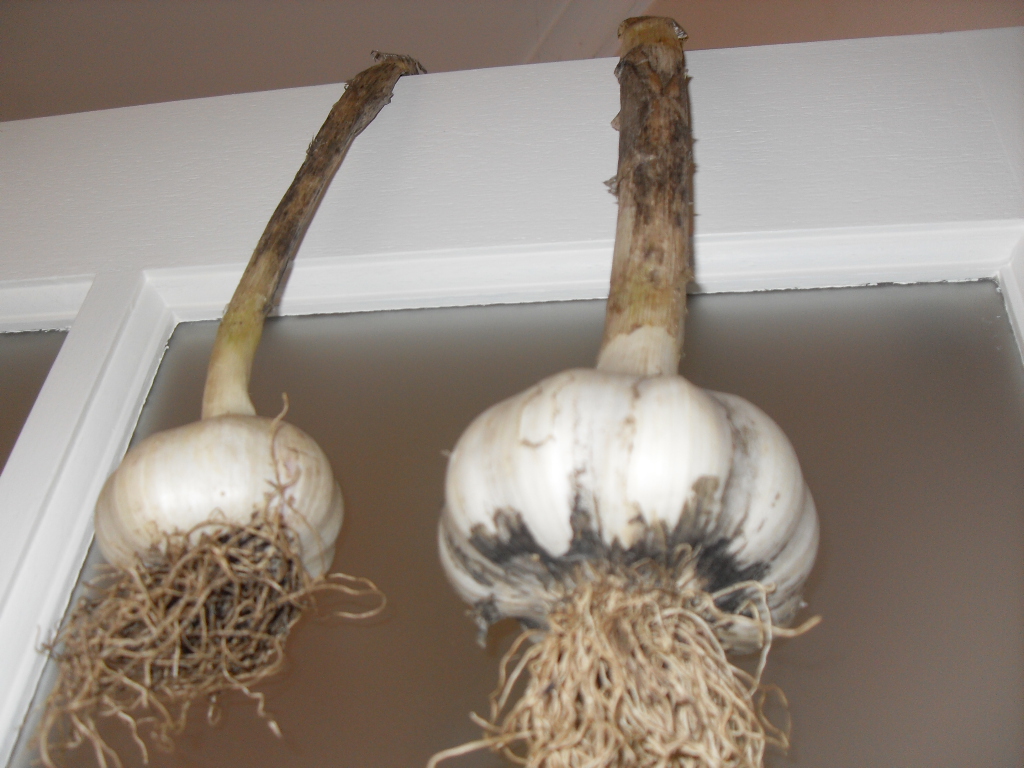
Yes, you can put coffee grounds on your garlic plants. Coffee grounds are a rich source of nitrogen, which is one of the essential nutrients that garlic plants need for healthy growth. When applied correctly, coffee grounds can improve soil structure, enhance drainage, and even support beneficial microbial activity in the soil. Here are some benefits and guidelines for using coffee grounds with garlic plants.
Benefits of Using Coffee Grounds
Coffee grounds offer several benefits when used in the garden, particularly for garlic plants. They can help improve soil fertility and support healthy growth.
See also:
- Rich in Nutrients: Coffee grounds contain nitrogen, potassium, and phosphorus, all of which are essential for plant growth.
- Improves Soil Structure: These grounds can enhance the soil's texture, promoting better drainage and aeration.
- Encourages Microbial Activity: The addition of coffee grounds can stimulate beneficial bacteria in the soil, which helps in nutrient breakdown and availability.
How to Apply Coffee Grounds
Applying coffee grounds to garlic plants should be done thoughtfully to maximize their benefits while avoiding potential harm.
- Use in Moderation: Too much can lead to excessive acidity, so it's important to mix them with other materials.
- Mix with Compost: Combining coffee grounds with compost can create a balanced amendment that will support garlic growth.
- Spread Thinly: It is best to apply a thin layer around the base of the plants rather than a thick one.
Potential Drawbacks
While there are many benefits, there are also potential drawbacks to using coffee grounds with garlic plants that gardeners should consider.
- Acidity Issues: Coffee grounds can increase soil acidity, which may not be suitable for all garlic varieties.
- Attracts Pests: Coffee grounds can sometimes attract pests like snails and slugs, which can be harmful to garlic plants.
- Odor Issues: Used improperly, coffee grounds can develop a smell that may attract undesirable animals to your garden.
Alternatives to Coffee Grounds
If you're hesitant to use coffee grounds, there are several other organic materials that can benefit garlic plants.
- Compost: Layering organic compost is a great way to enhance soil fertility without the potential downsides of coffee grounds.
- Wood Ash: Wood ash can provide potassium and has a liming effect, which can counteract acidity.
- Manure: Well-rotted manure is another excellent source of nutrients that can nourish garlic plants.
Other Uses for Coffee Grounds in the Garden
Coffee grounds can be beneficial beyond just garlic plants; there are various other uses in the garden.
- Mulch: Coffee grounds can serve as an effective mulch that retains moisture and suppresses weeds.
- Fertilizer for Acid-Loving Plants: Certain plants, like blueberries and azaleas, thrive in slightly acidic environments.
- Natural Pest Repellent: Sprinkling grounds around plants may deter cats and some garden pests.
What is the best fertilizer for garlic?
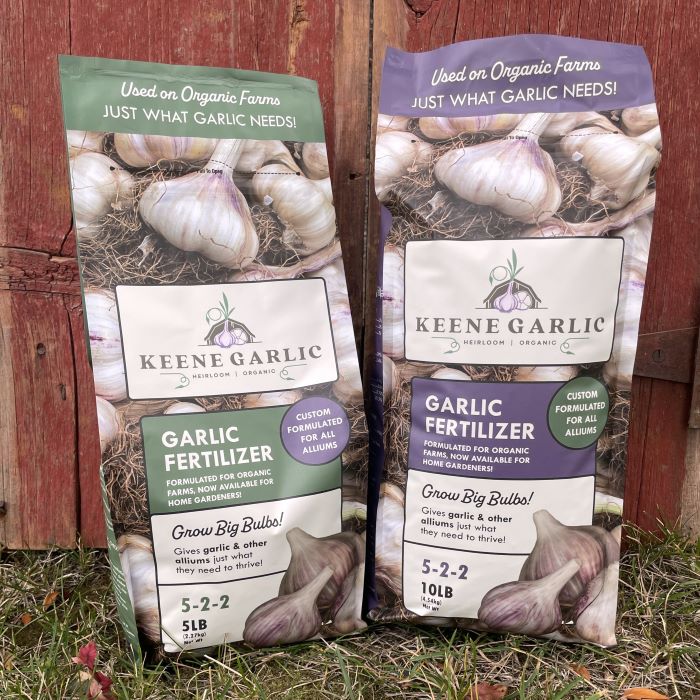
The best fertilizer for garlic is essential for ensuring healthy growth and increased yields. Garlic requires balanced nutrition, with particular emphasis on nitrogen, phosphorus, and potassium. It's crucial to use fertilizers that provide these nutrients in the right proportions to promote strong root development and bulb formation.
Understanding Nutrient Requirements
Garlic has specific nutrient needs that should be met to achieve optimal growth. During different stages of its growth cycle, garlic requires varying amounts of nutrients:
- Nitrogen: Important for leaf growth, which is crucial for photosynthesis.
- Phosphorus: Aids in root development and is essential during the early growth phase.
- Potassium: Enhances bulb size and overall plant health.
Types of Fertilizers
There are several types of fertilizers suitable for garlic. Choosing the right type can depend on soil conditions and personal preference:
- Organic Fertilizers: Include compost, well-rotted manure, or bone meal, which improve soil structure and provide nutrients.
- Synthetic Fertilizers: Formulated with a specific N-P-K ratio tailored to garlic's needs can deliver nutrients more precisely.
- Slow-Release Fertilizers: Provide a steady supply of nutrients over a longer period, reducing the frequency of application.
Application Timing
The timing of fertilizer application plays a crucial role in garlic growth. The best times to fertilize garlic include:
- Before Planting: Incorporate fertilizers into the soil to establish a nutrient-rich environment.
- During Early Growth: Apply additional nitrogen when shoots are young to promote robust leaf development.
- Pre-Bulbing Stage: A balanced fertilizer helps in bulb formation as the plants transition to maturing.
Soil Testing
Before applying fertilizer, conducting a soil test is recommended to determine the nutrient availability in your garden. A soil test helps in:
See also:
- Identifying Deficiencies: Know what nutrients your soil lacks, ensuring you only apply what’s necessary.
- Adjusting pH Levels: Optimizing pH can enhance nutrient uptake.
- Improving Fertilizer Efficiency: Allows for precise applications, preventing over-fertilization.
Common Fertilizer Mistakes
To achieve the best results, avoiding common fertilizer mistakes is essential. Some pitfalls to watch out for include:
- Over-Fertilizing: Can lead to excessive leaf growth with poor bulb development.
- Neglecting Micro-Nutrients: Garlic also benefits from trace elements such as calcium and magnesium.
- Ignoring Soil Health: Failing to incorporate organic matter can lead to nutrient imbalances and poor growth.
Does coffee help garlic grow?
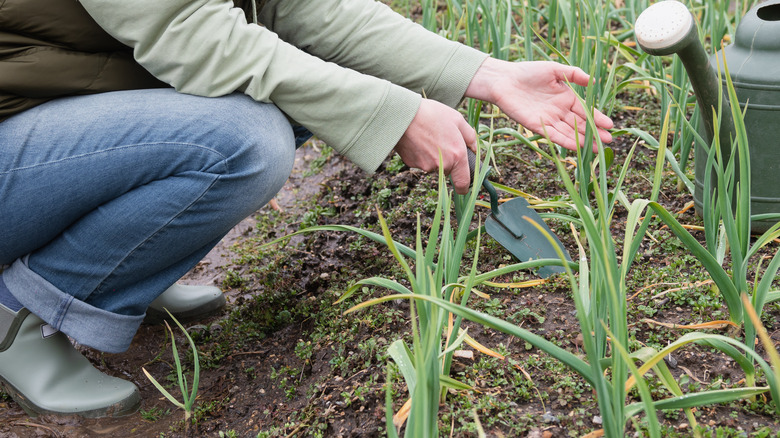
Coffee has been a popular topic in gardening discussions, especially regarding its potential benefits for plants like garlic. The notion that coffee can help garlic grow arises from the properties of coffee grounds, which are rich in nitrogen and other nutrients beneficial for plant growth.
Coffee Grounds as Fertilizer
Coffee grounds are often praised for their use as organic fertilizer. When added to soil, they can enhance nutrient availability. Their primary benefits include:
- Nitrogen Source: Coffee grounds are high in nitrogen, which is essential for healthy plant growth.
- Soil Structure Improvement: Incorporating coffee grounds can improve soil structure, making it more aerated and allowing better roots development.
- Microbial Activity: Adding coffee grounds can stimulate microbial activity in the soil, promoting better nutrient uptake by plants.
Acidity Levels and Garlic
Garlic prefers a slightly acidic to neutral pH level for optimal growth. Coffee grounds are typically acidic and can affect the soil pH:
- pH Adjustment: The addition of coffee grounds can lower the soil pH, making it more suitable for garlic if the soil is too alkaline.
- Balanced Application: It’s important to use coffee grounds in moderation to avoid overly acidic conditions, which could harm garlic.
- Testing Soil pH: Regularly testing soil pH can help gardeners determine the need for coffee ground application.
Pest Deterrence
Coffee grounds may also act as a natural pest deterrent, which can benefit garlic cultivation:
- Repelling pests: Some gardeners claim that coffee grounds can deter pests such as snails and slugs.
- Natural Barrier: When sprinkled around garlic plants, coffee grounds can create a barrier that pests might avoid.
- Enhanced Plant Health: Healthy plants are more resilient to pest problems, and using coffee grounds can contribute to overall garlic health.
Composting Benefits
Using coffee grounds in compost can amplify the benefits when growing garlic:
- Adding Nutrients: Coffee grounds add valuable nutrients to the compost, which enriches soil once applied to garlic beds.
- Carbon-Nitrogen Balance: They help achieve an ideal carbon-to-nitrogen ratio in compost, resulting in a more effective decomposition process.
- Reducing Waste: Using coffee grounds in composting helps reduce kitchen waste and promotes sustainable gardening practices.
Application Methods
There are various ways to apply coffee grounds when growing garlic, maximizing their potential benefits:
- Direct Soil Incorporation: Mixing coffee grounds into the soil before planting garlic can enhance nutrient availability.
- Top Dressing: Sprinkling coffee grounds around established garlic plants can provide ongoing nutrient support.
- Compost Inclusion: Adding coffee grounds to compost ensures that garlic benefits from the nutrients when the compost is used.
Questions from Our Readers
Are coffee grounds beneficial for garlic growth?
Coffee grounds can be beneficial for garlic growth as they provide nutrients and can help improve soil drainage. The organic matter in coffee grounds can enhance soil structure, which promotes better root development for garlic plants.
How do coffee grounds affect garlic pests?
Coffee grounds can act as a natural pest repellent for garlic, as the caffeine in the grounds is known to deter certain pests. By sprinkling coffee grounds around garlic plants, gardeners may reduce the likelihood of pest infestations.
See also:
Can coffee grounds improve garlic flavor?
While there is no direct evidence that coffee grounds themselves can improve garlic flavor, they can enhance soil quality, leading to healthier plants. Healthy garlic may produce richer flavors and aromas, influenced by the nutrients it absorbs from well-maintained soil.
How should coffee grounds be applied to garlic plants?
Coffee grounds should be applied in moderation to garlic plants to avoid over-fertilization. Mixing the grounds into the soil or using them as a topdressing can help distribute nutrients evenly and improve soil texture.

If you want to read more articles like Are Coffee Grounds Good for Garlic? Discover the Surprising Benefits!, we recommend you check out our Garlic category.
Leave a Reply
Related Articles