How to Tell if Your Plant Has a Fungal Infection? Essential Signs and Solutions Explained

Identifying a fungal infection in your plants can be crucial for their health and longevity. Fungi can spread rapidly, often leading to severe damage if not addressed promptly. Recognizing the essential signs of infection is the first step in protecting your green companions. This article will guide you through the typical indicators of fungal diseases, such as discoloration, wilting, and unusual growth patterns. Furthermore, we will explore effective solutions and preventive measures to help restore your plants to their vibrant state. By staying vigilant and informed, you can ensure that your garden thrives despite the challenges posed by fungal threats.
How to Identify Fungal Infections in Your Plants
Fungal infections in plants can be subtle at first, but recognizing the signs early can save your plant from serious damage. Look for yellowing leaves, wilting, or the presence of fungal spores on the undersides of leaves or along stems. Additionally, notice if your plant's growth has stunted or if it develops moldy spots or brown lesions. If your plant's soil feels overly damp and takes a long time to dry out, this could indicate a favorable environment for fungi, emphasizing the need for close observation of your plant's overall health.
Common Symptoms of Fungal Infections
Plants infected with fungi often exhibit a range of symptoms that can vary depending on the type of fungus involved. Common signs include leaf spots, where dark or discolored areas appear on the leaves, and can develop into larger dead patches. Other symptoms may include accelerated leaf drop, especially from older leaves, and black mold or web-like structures on the plant. Recognizing these symptoms promptly can improve your chances of successfully treating the infection.
Environmental Factors Contributing to Fungal Growth
Fungal growth thrives in moisture-rich environments, making it essential to monitor your plant's watering habits closely. Overwatering and poor drainage can create conditions that promote fungal infections. Similarly, high humidity and inadequate air circulation may exacerbate the problem, allowing fungi to flourish. Understanding these factors can help you maintain a healthier environment for your plants and minimize the risk of infection.
Identifying Specific Fungal Types
Different fungi present distinct characteristics that can aid in identifying the specific infection affecting your plant. For instance, powdery mildew appears as a white, powdery coating on leaves, while root rot might present with wilting and discoloration of lower leaves. Other types of fungal infections may cause rust-colored spots or fuzzy growths on stems and leaves. Knowing the characteristics of these specific fungi can help in determining the appropriate treatment.
How to Treat Fungal Infections
Treatment for fungal infections typically involves removing affected parts of the plant, improving air circulation, and modifying watering practices. Using fungicides specifically designed for plants can also be effective. However, it's crucial to apply them according to the manufacturer's instructions to avoid harming the plant further. Additionally, ensuring that your plants are healthy and well-cared for will help them resist future fungal attacks.
Preventing Future Fungal Infections
Preventing fungal infections is often more effective than treating them. This includes practicing proper watering techniques to avoid soggy soil, providing adequate airflow around plants, and maintaining the cleanliness of gardening tools and pots. Regularly inspecting your plants for early signs of infection also helps in taking timely action. Implementing these preventive measures creates a less favorable environment for fungi, leading to healthier plants.
| Symptom | Description |
|---|---|
| Leaf Spots | Dark, discolored areas on leaves, often expanding over time. |
| Wilting | Leaves droop, often indicating water-related issues or infection. |
| Mold Growth | White or black mold appearing on leaves or stems, indicative of fungal infection. |
| Leaf Drop | Older leaves falling off, potentially due to stress or disease. |
| Soil Condition | Overly moist soil that does not dry out can promote fungal growth. |
What does fungal infection on plants look like?
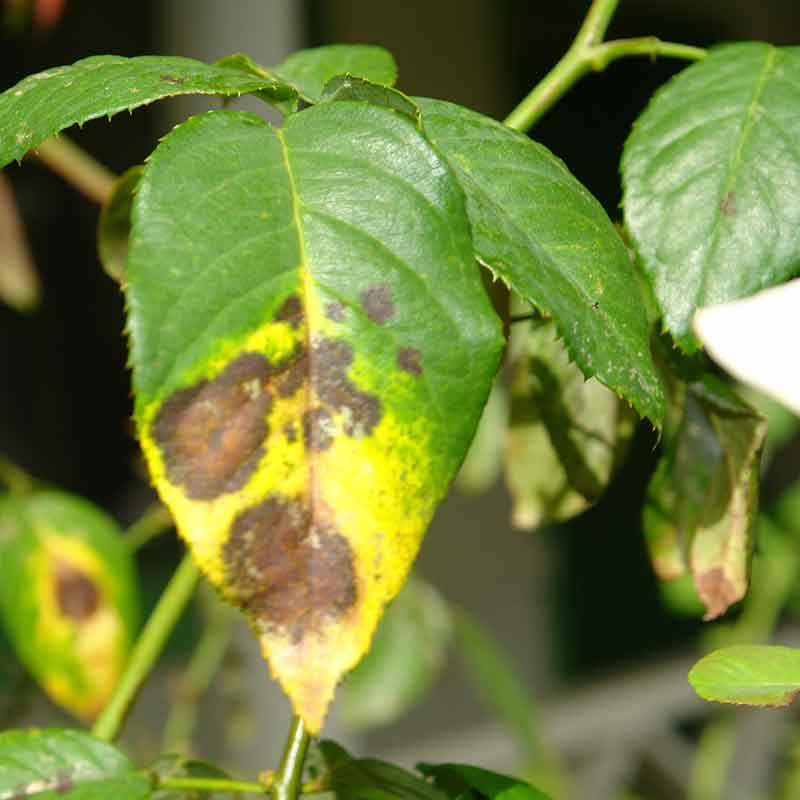
Fungal infections in plants manifest in a variety of symptoms that can significantly affect their health and appearance. The symptoms often depend on the type of fungus involved, as well as the host plant species. Common signs of fungal infections include discolored spots, wilting, and unusual growths on leaves, stems, and fruits. Below are some of the most prevalent symptoms associated with fungal infections in plants.
Symptoms of Fungal Infections
The symptoms of fungal infections can vary widely but typically include:
- Leaf Spots: Circular or irregular spots that can be yellow, brown, or black.
- Mildew: A white or grayish powdery substance on leaves, particularly on the upper side.
- Wilting: Leaves may wilt or droop, losing their turgidity.
Types of Fungal Infections
Fungal infections can be classified into several types based on their characteristics:
- Powdery Mildew: A common fungal disease appearing as white powder on leaves.
- Botrytis Blight: Characterized by brown or gray mold, often affecting flowers and buds.
- Root Rot: Fungi infect roots, causing plants to become weak and discolored.
Impact on Plant Growth
Fungal infections can have severe impacts on plant health:
- Stunted Growth: Infections can hinder growth due to nutrient absorption issues.
- Reduced Yield: The production of fruits and flowers may decline.
- Increased Susceptibility: Infected plants become more vulnerable to other pests and diseases.
Conditions Favoring Fungal Infections
Certain environmental conditions encourage the proliferation of fungi:
See also:
- High Humidity: Fungi thrive in damp conditions which facilitate spore germination.
- Poor Air Circulation: Crowded plants can trap moisture, leading to infections.
- Inadequate Drainage: Waterlogged soil promotes root rot and other fungal issues.
Prevention and Treatment
Managing fungal infections is crucial for plant health:
- Proper Watering: Avoid overwatering and water at the base of plants.
- Improve Air Circulation: Space plants adequately to enhance airflow.
- Use Fungicides: Chemical or organic fungicides can help manage outbreaks effectively.
How do you fix a fungal infection in plants?
:max_bytes(150000):strip_icc()/powdery-mildew-1402500_FINAL-132e55a8e24b4392a79a41a3791e01b5.png)
To fix a fungal infection in plants, it's essential to first identify the type of fungus affecting your plants. Different fungi may require different treatments, but several general approaches can effectively manage and eliminate the problem.
Identify the Fungal Infection
Recognizing the symptoms of a fungal infection is crucial for effective treatment. Common signs include:
- Discoloration: Leaves may turn yellow, brown, or exhibit dark spots.
- Wilting: Affected plants may show signs of wilting or drooping.
- Powdery Mildew: A white, powdery substance can appear on leaves and stems.
Isolate Infected Plants
To prevent the spread of the fungal infection, it is advisable to isolate any infected plants immediately. This helps to contain the problem and protects your healthy plants. It’s vital to:
- Remove the infected plant from its location, ensuring not to disturb the soil too much.
- Place it in a separate area, away from other plants.
- Monitor the isolated plant for further symptoms and actively treat it.
Improve Air Circulation
Proper ventilation helps prevent fungal growth by reducing humidity around the plants. You can improve air circulation by:
- Spacing plants appropriately to allow air movement.
- Pruning excess foliage to reduce overcrowding.
- Using fans in indoor environments to enhance airflow.
Apply Fungal Treatments
After identifying the fungal infection, applying appropriate treatments can be essential. Consider the following options:
- Fungicides: Use a commercially available fungicide that is appropriate for your specific type of fungus.
- Neem Oil: A natural remedy that can be effective against various fungi.
- Homemade Remedies: Solutions made with baking soda or vinegar can help treat mild infections.
Maintain Proper Watering Practices
Overwatering can create conditions conducive to fungal infections. To help prevent and treat them, focus on:
- Watering plants early in the day to allow the moisture to evaporate.
- Ensuring good drainage in pots and garden beds.
- Checking soil moisture regularly before watering again.
How do I know if my plant has a bacterial or fungal infection?

To determine whether your plant has a bacterial or fungal infection, several signs and symptoms can help you differentiate between the two. Observing the leaves, stems, and roots of your plant is crucial. Here are some indicators to watch for:
Common Signs of Fungal Infections
Fungal infections often present themselves through specific symptoms. Here are the typical signs to look out for:
- Leaf Spots: Fungi can cause dark spots or patches on the leaves. These spots might be surrounded by a yellow halo.
- Mold Growth: A white, powdery substance on leaves or stems is often a sign of mildew.
- Wilting or Rotting: Fungi can cause root rot, leading to overall wilting even if the soil is moist.
Common Signs of Bacterial Infections
Bacterial infections have different characteristics and can be recognized by these symptoms:
- Water-soaked Spots: Bacterial infections often begin with dark, water-soaked patches on leaves.
- Bacterial ooze: When the stem or leaf is cut, a sticky, clear, or cloudy substance may ooze out.
- Increased growth of plant lesions: Bacteria cause rapid deterioration in leaf or stem condition, leading to larger and more numerous lesions.
Environmental Factors Influencing Infections
Several environmental factors can exacerbate or lead to infections in plants:
See also:
- Humidity: High humidity can promote fungal growth, while high moisture levels can facilitate bacterial spread.
- Temperature: Warm environments often increase the likelihood of both bacterial and fungal infections.
- Poor Air Circulation: Inadequate airflow around plants can create a conducive environment for pathogens.
Methods for Diagnosis
Diagnosing whether your plant has a bacterial or fungal infection can involve several methods:
- Visual Inspection: Regularly inspect your plants for symptoms and note changes over time.
- Soil Testing: Checking soil quality can reveal conditions conducive to pathogens.
- Professional Analysis: Sending samples to a lab can provide precise identification of the infection type.
Treatment Options
Once you identify the type of infection, various treatment options can be applied:
- Fungicides: Use commercially available fungicides, following the instructions for effective application.
- Bactericides: Similar to fungicides, specific bactericides can help manage bacterial infections.
- Plant Hygiene: Remove affected leaves and clean tools to prevent further spread.
What are the signs and symptoms of plant fungal diseases?
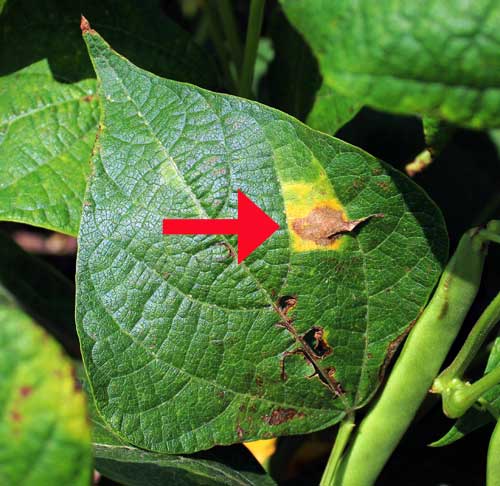
Fungal diseases in plants can present a variety of symptoms that may vary depending on the type of fungus and the plant species affected. Understanding these signs is crucial for early detection and management of the disease. Here are some common signs and symptoms associated with plant fungal diseases:
Visual Symptoms of Fungal Diseases
The most common visual symptoms of fungal diseases include spots, blights, and discoloration. These signs are crucial for identifying the presence of a fungal infection.
- Leaf spots: Circular or irregular discolorations that often turn yellow, brown, or black.
- Blight: Rapid wilting and death of leaves or stems, commonly associated with certain fungal pathogens.
- Rust or mold: Fuzzy or powdery growth on the surface of leaves, which can also appear in distinctive colors.
Growth Patterns and Stunting
Fungal diseases can disrupt normal growth patterns of plants, often leading to stunted growth and other abnormalities.
- Stunted growth: A noticeable slowdown or arrest in the overall development of the plant.
- Abnormal flowering: Premature blooming or failure to bloom, which can affect yield in crops.
- Deformed structures: Twisted or curled leaves and stems, showing irregular growth patterns.
Fungal Infections in Roots and Stems
Fungal diseases do not only affect above-ground parts of the plant; they can also target roots and stems, leading to severe consequences.
- Root rot: Decay of roots, often resulting in stunted growth and wilting.
- Cankers: Sunken lesions or wounds on stems that can weaken the plant.
- Wilting: A sign of infection in the vascular system, often caused by fungal pathogens affecting transport tissues.
Secondary Symptoms and Effects
As plant health declines due to fungal infections, secondary symptoms and effects may emerge, indicating systemic problems within the plant.
- Yellowing foliage: Often associated with nutrient deficiencies caused by root damage.
- Fungal fruiting bodies: Fruiting structures on the surface of plant tissues, indicating active fungal growth.
- Increased susceptibility: Weakened plants may become more vulnerable to pests and other diseases.
Environmental Factors Influencing Fungal Diseases
Various environmental conditions can exacerbate or contribute to the onset of fungal diseases in plants, making understanding these factors crucial in prevention.
- Humidity: High humidity levels promote fungal growth and spore production.
- Temperature: Optimal range for many fungi can accelerate the spread of diseases.
- Soil conditions: Poor drainage and overwatering can lead to favorable conditions for root-infecting fungi.
Questions from Our Readers
How can I identify signs of a fungal infection in my plant?
To identify signs of a fungal infection, look for discoloration, spots, or molds on the leaves. Additionally, you might notice wilting, stunted growth, or a foul odor emanating from the soil. Early detection is crucial for effective treatment.
What are common types of fungal infections in houseplants?
Common types of fungal infections in houseplants include powdery mildew, root rot, and leaf spot diseases. These infections can lead to serious health issues for your plant and may require specific fungicides for treatment.
Can environmental factors contribute to fungal infections?
Yes, environmental factors such as high humidity, poor air circulation, and overwatering can significantly contribute to the development of fungal infections. Maintaining balanced watering practices and ensuring good ventilation can help reduce the risk.
What should I do if I suspect my plant has a fungal infection?
If you suspect your plant has a fungal infection, first isolate it to prevent spreading. Then, remove any affected parts, adjust your watering routine, and consider applying an appropriate fungicide. Regular monitoring is essential to ensure recovery.
See also:

If you want to read more articles like How to Tell if Your Plant Has a Fungal Infection? Essential Signs and Solutions Explained, we recommend you check out our Plants category.
Leave a Reply
Related Articles