Ultimate Guide: How to Treat Fungus on Vegetable Plants?

Fungal infections can pose a significant threat to vegetable plants, impacting their growth and yield. Understanding how to identify and treat these pesky invaders is crucial for any gardener looking to maintain a healthy, thriving garden. This ultimate guide will provide you with essential information on the types of fungi that commonly affect vegetable plants, effective treatment options, and preventative strategies to keep your garden flourishing. Whether you're a seasoned gardener or a beginner, mastering the art of fungal management will empower you to protect your plants and ensure a bountiful harvest. Let's dive into the best practices for tackling fungus head-on.
How to Effectively Treat Fungi on Vegetable Plants
To effectively treat fungal infections on vegetable plants, it is essential to first identify the specific type of fungus affecting the plants, as different fungi may require different treatment methods. Common treatments include the use of fungicides, which can be either chemical or natural, applying these according to the manufacturer's instructions to minimize plant stress. Preventative measures such as ensuring proper air circulation, avoiding overhead watering, and practicing crop rotation can significantly reduce the incidence of fungi. In addition to these methods, it's beneficial to remove and destroy any infected plant material to contain the spread of the fungus and maintain a healthy garden environment.
Identifying Fungal Infections
Identifying a fungal infection on vegetable plants involves careful observation of symptoms such as yellowing leaves, wilting, mold growth, and unusual spots or lesions. By recognizing these signs early, gardeners can take prompt action against the spread of the fungus. Tools like a magnifying glass may help in examining the leaves and stems more closely, and consulting gardening guides or online resources can aid in accurately diagnosing the specific type of fungus present, ensuring targeted treatment.
Using Chemical Fungicides
Chemical fungicides are often effective for managing severe fungal outbreaks. These products typically contain powerful ingredients designed to inhibit the growth of fungi. When using chemical fungicides, it's crucial to follow the label instructions thoroughly to ensure proper application rates and safety precautions. Timing is also essential; applying fungicides at the first sign of fungal infection or in the early morning or late evening to prevent damage to beneficial insects can result in more effective control of the disease.
Utilizing Organic Treatments
For those seeking a more natural approach, organic treatments using ingredients like baking soda, neem oil, or garlic can be quite effective against many types of fungi. These alternatives work by creating an unfavorable environment for the fungus or directly interfering with its growth. Organic treatments generally pose less risk to the surrounding ecosystem and can be safely applied throughout the growing season. However, consistency and regular applications are key to combating infection effectively when using such remedies.
Preventative Measures for Fungal Control
Prevention is often the best method for controlling fungal infections on vegetable plants. Gardeners should ensure good airflow around plants by spacing them adequately and utilizing stakes or trellises for vining crops. Keeping the garden tidy by removing fallen leaves and debris helps eliminate potential breeding grounds for fungi. Additionally, proper watering techniques, such as watering at the base of the plants rather than overhead, can greatly reduce moisture levels on leaves, thereby mitigating the risk of fungal infection.
Disposal of Infected Plant Material
Disposing of infected plant material is a critical step in managing fungal infections. It prevents further spread of the disease within the garden. Infected plants should be removed and either composted in a manner that ensures complete decomposition or disposed of in targeted waste systems that will not contaminate healthy plants. This practice not only helps to control the current outbreak but also promotes a healthier garden environment for future growth.
| Fungal Treatment Method | Overview |
|---|---|
| Chemical Fungicides | Powerful and effective for severe outbreaks; requires careful application. |
| Organic Treatments | Natural options like baking soda or neem oil; safer for the ecosystem. |
| Preventative Measures | Includes good airflow, proper watering, and garden cleanliness. |
| Plant Material Disposal | Essential to stop the spread of infection and promote garden health. |
What is the best homemade fungicide for plants?

To combat fungal infections in plants using homemade solutions, one of the best options is a baking soda fungicide. This method is effective against various types of fungal diseases, including powdery mildew, black spot, and others. The alkaline nature of baking soda disrupts the fungal cell walls, preventing the fungus from growing and spreading.
Baking Soda and Water Solution
A simple yet effective homemade fungicide can be prepared using baking soda and water. This mixture can help control fungal diseases on a variety of plants.
- Mix 1 tablespoon of baking soda with 1 gallon of water.
- Add a few drops of liquid soap (such as dish soap) to help the solution adhere to the leaves.
- Spray this mixture onto affected plants every two weeks or after rainfall.
Vinegar as a Natural Fungicide
Vinegar, particularly white vinegar, is another effective homemade fungicide. The acetic acid present in vinegar can help to kill unwanted fungi while being relatively safe for your plants.
See also:
- Mix 1 part white vinegar with 3 parts water in a spray bottle.
- Test the solution on a small part of the plant to ensure it does not cause damage.
- Spray directly on the affected areas and repeat weekly if necessary.
Garlic Spray for Fungal Issues
Garlic has natural antifungal properties, making it an excellent ingredient for a homemade fungicide. Its strong aroma can also deter pests that contribute to fungal outbreaks.
- Crush 10 cloves of garlic and let them steep in 2 cups of water overnight.
- Strain the mixture and dilute it with 1 gallon of water.
- Spray this garlic solution on affected plants, especially in the evenings to avoid leaf burn.
Cornmeal Suspension for Prevention
Cornmeal can also serve as a preventative measure against fungal diseases. It contains natural compounds that suppress fungal growth.
- Mix 1 cup of cornmeal with 2 gallons of water.
- Let it steep for a couple of days, stirring occasionally.
- Use this mixture as a soil drench to promote beneficial fungi in the soil that can outcompete pathogens.
Milk Spray for Powdery Mildew
A milk spray is another effective method, particularly for combating powdery mildew. The enzymes in milk can help eliminate fungal spores on plant surfaces.
- Mix 1 part milk (preferably whole milk) with 2 parts water in a spray container.
- Spray the affected plants liberally, ensuring to cover both the top and undersides of the leaves.
- Apply this solution once a week until the problem is resolved.
Can a plant recover from fungus?
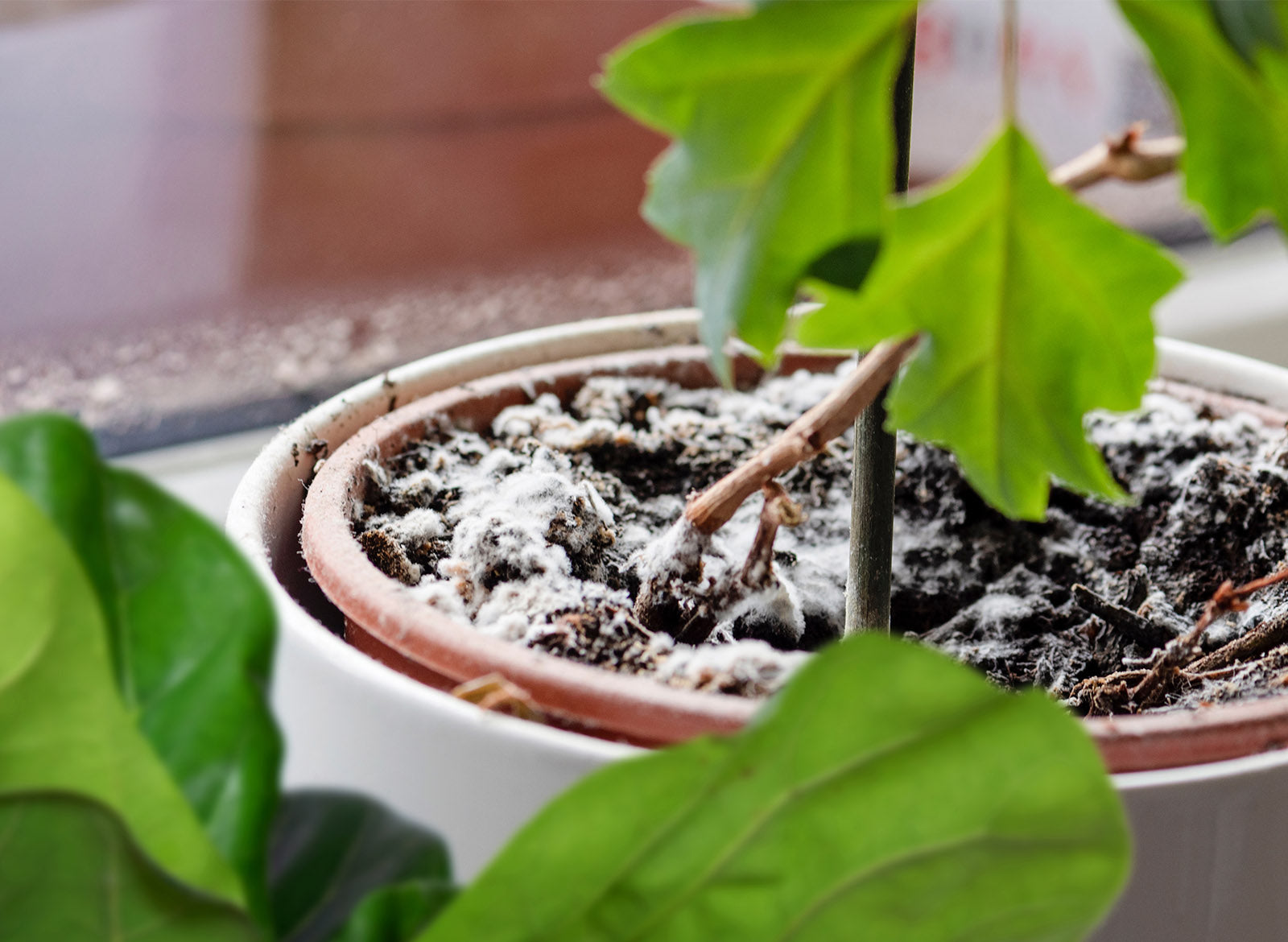
Certainly!
Yes, a plant can recover from fungal infections, but the outcome largely depends on several factors, including the type of fungus, the extent of the infection, and the specific plant species involved. The recovery process involves identifying the fungal disease, implementing appropriate treatments, and providing optimal care for the plant. Early detection is crucial, as it allows for more effective intervention and increases the likelihood of renewal.
Common Types of Fungal Infections in Plants
Fungal infections can manifest in various forms and can affect different parts of the plant. Some common types include:
- Powdery Mildew: Characterized by white, powdery spots on leaves.
- Root Rot: Caused by pathogens in the soil leading to a decay of roots.
- Leaf Spot: Presents as dark or light spots on leaves, which can lead to leaf drop.
Signs of Fungal Infection
Identifying the signs of fungal infections early can significantly aid a plant's recovery. Common signs include:
- Discoloration: Yellowing or browning of leaves and stems.
- Wilting: Leaves may appear limp or droopy.
- Spots or Growths: Unusual spots or fungal growths may appear on plant surfaces.
Treatment Options for Fungal Infections
Once a fungal infection is identified, several treatments can be applied to help the plant recover, such as:
- Fungicides: Chemical or organic treatments that specifically target fungal pathogens.
- Improved Drainage: Adjusting watering habits to prevent excess moisture can help control root rot.
- Pruning: Removing infected leaves or stems to limit the spread of fungus.
Prevention of Fungal Infections
Preventing fungal infections is essential for maintaining plant health. Effective prevention strategies include:
See also:
- Proper Watering: Water the plant at the soil level to avoid moisture on leaves.
- Good Air Circulation: Space plants appropriately to allow air flow, preventing humid conditions.
- Using Sterilized Tools: Ensure that pruning and garden tools are sterilized to prevent spreading pathogens.
Caring for a Plant During Recovery
Providing the right care during recovery is vital for the plant's health. Recommended practices include:
- Monitoring Soil Moisture: Check soil moisture regularly to avoid overwatering.
- Feeding with Nutrients: Use fertilizers to boost the plant’s strength during the recovery phase.
- Limiting Stress: Minimize environmental stresses such as pests or extreme temperature changes.
Does vinegar get rid of plant fungus?
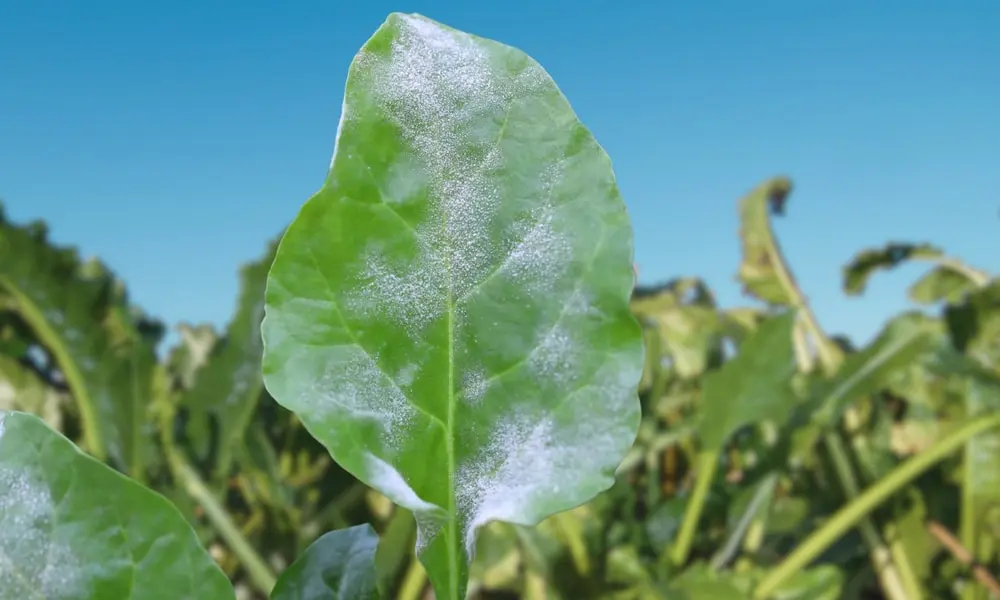
Vinegar can be an effective solution for managing plant fungus due to its acidity and antimicrobial properties. The most commonly used type of vinegar for this purpose is white vinegar or apple cider vinegar. When applied properly, vinegar can help inhibit the growth of fungi, such as powdery mildew, root rot, or other fungal infections. However, while vinegar can help control existing fungus, it may not completely eliminate it, and the plant's health must be assessed to ensure it's not negatively affected. It's also crucial to note that vinegar should be used cautiously, as its acidity can potentially damage plant tissues if applied in excessive concentrations or without proper dilution.
How to Use Vinegar for Plant Fungus
To use vinegar as a treatment for plant fungus, you need to follow specific steps to ensure safety and effectiveness. Here’s a simple guideline:
- Choose the right vinegar: Use either white vinegar or apple cider vinegar.
- Dilute the vinegar: Mix one part vinegar with three parts water to avoid damaging the plant.
- Apply carefully: Use a spray bottle to apply the solution directly onto the affected areas while avoiding healthy plant tissue.
Effectiveness of Vinegar Against Various Fungal Types
Vinegar can combat different types of fungal issues in plants, but its effectiveness varies. Here are some examples:
- Powdery mildew: Vinegar can inhibit this common fungal disease when applied consistently.
- Root rot: While vinegar can help prevent some types of root rot, it is not a cure for established infections.
- Leaf spot: Mild vinegar applications can reduce the spread of leaf spot fungi if used early.
Precautions When Using Vinegar on Plants
While vinegar can be beneficial, several precautions must be taken to ensure it does not harm the plants. Here are some important considerations:
- Dilution is key: Always dilute vinegar to minimize the risk of leaf burn or damage.
- Test a small area: Apply on a small, inconspicuous area first to gauge any negative reactions.
- Time of day: Apply vinegar solutions during cooler times of the day to prevent rapid evaporation.
Alternatives to Vinegar for Fungal Treatment
If vinegar doesn't suit your gardening needs, there are several other options for treating plant fungus. Consider these alternatives:
- Baking soda: Often used as a fungicide, it can also help control powdery mildew.
- Neem oil: A natural pesticide that targets various types of fungus and pests.
- Commercial fungicides: Products specifically designed for plant treatment can be highly effective.
Long-Term Solutions for Managing Plant Fungus
While vinegar offers a short-term solution, long-term management requires a broader approach. Here are some strategies:
- Improve air circulation: Ensure plants have enough space for air to flow, which reduces humidity and fungal growth.
- Proper watering techniques: Water plants at their base instead of overhead to minimize leaf wetness.
- Remove infected parts: Trim away affected leaves or stems to prevent fungus from spreading.
Questions from Our Readers
What are the common signs of fungal infections on vegetable plants?
Fungal infections on vegetable plants often present with discoloration, leaf spots, or mold growth. You may notice yellowing leaves, a powdery substance on the foliage, or even wilting plants. Early detection is crucial for effective treatment.
How can I organically treat fungus on my vegetable plants?
To organically treat fungus, you can use fungicidal sprays made from natural ingredients, such as baking soda or neem oil. These treatments help in controlling fungal growth while being safe for your plants. Regularly applying these solutions can improve the overall health of your vegetable garden.
When is the best time to apply treatments for fungal infections?
The best time to apply treatments for fungal infections is during the early morning or late afternoon when temperatures are cooler. This prevents leaf burn and allows the treatment to be more effectively absorbed. Additionally, consistent monitoring should follow to ensure the treatment is working.
See also:
How can I prevent fungal infections in my vegetable garden?
To prevent fungal infections, practice good garden hygiene by removing debris, ensuring proper air circulation, and avoiding overhead watering. Implementing crop rotation and planting resistant varieties can also significantly reduce the risk of fungal issues in your vegetable plants.
If you want to read more articles like Ultimate Guide: How to Treat Fungus on Vegetable Plants?, we recommend you check out our Plants category.
Leave a Reply
Related Articles