What is the Cheapest Flower in the World? Discover Affordable Floral Options!
When it comes to gifting or decorating with flowers, the cost can often be a concern. However, not all blooms come with a hefty price tag. In this article, we will explore the world of affordable floral options, unveiling the cheapest flower in the world. From their unique characteristics to their availability, these budget-friendly blossoms prove that you don’t have to break the bank to enjoy the beauty of flowers. Whether you're planning a special event or simply want to brighten up your space, discover how you can indulge in floral arrangements without compromising your budget.
What is the Cheapest Flower in the World?
The cheapest flower in the world is often considered to be the dandelion. While technically classified as a weed by many, dandelions bloom abundantly and are found in nearly every part of the world, making them virtually free for anyone to pick. In many regions, they can be seen growing in gardens, parks, and even on sidewalks, showcasing vibrant yellow petals. While usually overlooked, these flowers are not only economical but also possess various culinary and medicinal uses, further demonstrating their value beyond just being inexpensive.
Introduction to Dandelions
Dandelions, scientifically known as Taraxacum, are flowering plants in the Asteraceae family. They are characterized by their bright yellow flowers and fluffy seed heads. These hardy plants thrive in a variety of environments, making them easy to find and identify. Dandelions are often one of the first flowers to bloom in the spring, and their growth cycle makes them accessible throughout the year, which contributes to their reputation as the cheapest flower available.
Growing Conditions
Dandelions flourish in a wide range of soil types and conditions, including poor, dry, and nutrient-deficient soils. They can tolerate varying levels of moisture and do well under both sunny and partially shaded environments. This adaptability allows them to grow in diverse locations, from lawns to meadows, which significantly reduces the cost associated with cultivating or purchasing these flowers. Their robust nature enables them to thrive where many other flowers cannot, thus ensuring their availability at minimal costs.
Uses of Dandelions
Aside from their affordability, dandelions are incredibly versatile. The leaves, flowers, and roots of dandelions are all edible and have been used in various culinary dishes, such as salads, teas, and even wine. Additionally, dandelions are recognized for their potential health benefits, including high levels of vitamins A, C, and K, as well as several minerals such as iron and calcium. This makes them not only a cost-effective flower but also a nutritious addition to any diet.
Environmental Benefits
Dandelions play a significant role in supporting local ecosystems. They are an essential food source for early foraging insects, particularly bees. The vibrant yellow blooms offer vital pollen and nectar, which are crucial for the survival of these pollinators in the spring months. Moreover, the deep taproots of dandelions help to aerate the soil and improve its overall quality, thus making them beneficial for other surrounding plants.
Cultural Significance
In various cultures, dandelions hold symbolic meanings related to simplicity and resilience. They are often associated with childhood memories of blowing their seeds into the wind and making wishes. Additionally, in traditional medicine, dandelions have been used for centuries to treat various ailments, highlighting their significance in herbal remedies. Their recognition as a low-cost flower also promotes an appreciation for nature’s ability to provide beauty and function in the simplest forms.
| Flower | Cost (approx.) | Availability | Uses |
|---|---|---|---|
| Dandelion | Free | Year-round | Culinary, Medicinal |
| Chickweed | Free | Year-round | Culinary |
| Wild Violet | Free | Spring-Fall | Culinary, Ornamental |
| Foam Flower | Low Cost | Spring | Ornamental |
What flower is the cheapest?

The cheapest flower can vary depending on the region, season, and market availability, but generally, the most affordable flowers are typically the carnations, daisies, and chrysanthemums. These flowers are often widely available and can be found at lower prices in grocery stores and florists.
Factors Influencing Flower Prices
The price of flowers can fluctuate based on several factors, including:
- Seasonality: Some flowers grow best in specific seasons, making them more abundant and cheaper during those times.
- Location: Prices can vary significantly based on where you are buying the flowers. Local markets might offer better deals than shops.
- Demand: Flowers that are in high demand, like roses around Valentine's Day, will often be more expensive.
Types of Affordable Flowers
When looking for the most affordable flowers, consider the following options:
- Carnations: Known for their long-lasting quality and wide range of colors, carnations are often the go-to affordable option.
- Daisies: These cheerful flowers are generally inexpensive and easy to find, making them a popular choice for casual arrangements.
- Chrysanthemums: Often available in bulk, chrysanthemums are not only budget-friendly but also available in various shapes and sizes.
Buying Tips for Low-Cost Flowers
To find the best deals on flowers, consider these helpful tips:
See also:
- Buy in bulk: Purchasing flowers in larger quantities can often reduce the overall cost per stem.
- Shop locally: Local flower markets and grocery stores typically have more competitive prices compared to large chains.
- Choose seasonal flowers: Opting for flowers that are in season can often yield a lower price due to their abundance.
Care Tips for Budget Flowers
To maximize the lifespan of your affordable flowers, follow these care tips:
- Trim stems: Cutting the stems at an angle helps improve water absorption and keeps the flowers fresher longer.
- Change water regularly: Keeping the water clean and refreshed can help prevent bacterial growth, which can shorten the lifespan of the flowers.
- Keep away from direct sunlight: Placing flowers away from direct sunlight can help maintain their color and freshness.
Using Cheap Flowers for Arrangements
Affordable flowers can be creatively used in floral arrangements, including:
- Mixing colors: Combining different types of inexpensive flowers can create a vibrant and appealing arrangement without breaking the bank.
- Filler flowers: Using budget-friendly flowers as fillers alongside more expensive varieties can elevate the overall look of the bouquet.
- Diy arrangements: Creating your own arrangements allows for creativity while also saving money on floral design services.
What is the 1 most sold cut flower?

The 1 most sold cut flower is the rose. Renowned for its beauty, fragrance, and symbolism, roses have dominated the cut flower market for centuries. Their popularity spans across various cultures and occasions, making them a staple in florists’ shops all over the world.
History of Roses as Cut Flowers
Roses have a rich history that dates back thousands of years. They have been cultivated for their beauty and scent since ancient times, and their significance has only grown over the years.
- Ancient Association: Roses were often linked to love and beauty in ancient civilizations like Greece and Rome.
- Symbol of Status: In the Victorian era, roses became a symbol of status, with specific colors signifying different meanings.
- Global Cultivation: Today, roses are cultivated worldwide, contributing to their availability and popularity in floral arrangements.
Popular Varieties of Roses
The diversity of rose varieties is vast, allowing for a range of options for consumers. Some varieties are particularly favored in the cut flower market.
- Hybrid Tea Roses: These are often preferred for their long stems and large blooms, making them ideal for bouquets.
- Floribunda Roses: Known for their clusters of blooms, Floribundas are popular for their vibrant colors and resilience.
- Climbing Roses: While less common as cut flowers, climbing roses can be used in arrangements due to their unique shapes and fragrances.
Symbolism Associated with Roses
Roses carry deep meanings that vary by color and cultural interpretation, which enhances their appeal as cut flowers for various occasions.
- Red Roses: Symbolize love and passion, making them the go-to flower for romantic gestures.
- White Roses: Often associated with purity and new beginnings, these are popular at weddings and christenings.
- Yellow Roses: Represent friendship and joy, suitable for celebration and congratulatory events.
Economic Impact of Rose Sales
The sale of roses significantly contributes to the floral industry’s economy, making them a crucial crop for many countries.
- Global Market Size: The cut flower industry is a multi-billion dollar market, with roses leading as the most sold cut flower.
- Job Creation: The demand for roses supports thousands of jobs in cultivation, transportation, and retail.
- Export Importance: Many countries rely on the export of roses, especially around holidays like Valentine’s Day and Mother’s Day.
Cultivation and Care of Cut Roses
Proper cultivation and care are vital for ensuring the longevity and quality of cut roses. Growers employ various methods to achieve the best blooms.
- Ideal Conditions: Roses require specific conditions, including the right soil type, sunlight, and water, to thrive.
- Pest Management: Effective pest control methods are crucial to prevent infestations that can damage rose plants.
- Harvesting Techniques: Knowing the best time to harvest roses significantly affects their vase life and overall appearance.
What is the top 1 rarest flower in the world?

The top rarest flower in the world is the Middlemist's Red, or Camellia japonica, a species that was originally discovered in China and is now primarily known from a small number of cultivated specimens. Only two known plants are said to exist today, one located in the United Kingdom and the other in New Zealand. This extraordinary rarity and its striking appearance make the Middlemist's Red one of the most sought-after flowers among collectors and botanists alike.
History of Middlemist's Red
The history of the Middlemist's Red is both fascinating and tragic. Discovered in the early 19th century by a botanist named John Middlemist, it was brought to England where its beauty quickly captured the attention of flower enthusiasts.
See also:
- The plant was originally cultivated in gardens but faced extinction due to over-collection and changing horticultural trends.
- Throughout the 19th and 20th centuries, it became increasingly rare as other varieties gained popularity.
- Today, only a handful of Middlemist's Red plants survive, making it an extraordinary specimen of botanical history.
Botanical Characteristics
Middlemist's Red is known for its striking qualities that make it stand out among other camellias. The flower typically features deep red petals that are smooth and luxurious to the touch, presenting a stunning contrast against its dark green foliage.
- The blooms can grow quite large, reaching a diameter of up to 10 centimeters.
- It usually flowers in the spring, making it a seasonal highlight for garden enthusiasts.
- The plant is evergreen, maintaining its rich foliage throughout the year, which adds to its ornamental value.
Habitat and Cultivation
Middlemist's Red is primarily found in carefully tended gardens where it is protected from environmental threats. Its specific habitat requirements make it challenging to cultivate successfully in many regions.
- It thrives in well-drained soil and requires a shaded environment to mimic its natural habitat.
- Due to its rarity, those who do cultivate this flower often engage in strict propagation techniques to ensure its survival.
- Efforts have been made in botanic gardens and by enthusiasts around the world to conserve and replicate this rare species.
Cultural Significance
The Middlemist's Red holds significant cultural value among horticulturists and botanical conservationists. It symbolizes the fragility of plant species and the importance of conservation efforts in preserving biodiversity.
- It has become an emblem of the fight against extinction of rare plant species.
- Collectors often showcase their Middlemist's Red specimens as a mark of prestige and commitment to conservation.
- The flower is a reminder of the natural world's delicate balance and the impact human activities can have on it.
Conservation Efforts
Various organizations are actively working to protect the Middlemist's Red and its habitat, emphasizing the need for more awareness regarding the conservation of rare species.
- Botanists are researching propagation techniques to help increase the number of viable plants.
- Public awareness campaigns are being launched to educate about the importance of preserving rare and endangered flora.
- Collaborative efforts among horticultural societies aim to create preservation plans for the Middlemist's Red and other rare species.
Which is cheaper, Carnation or Rose?
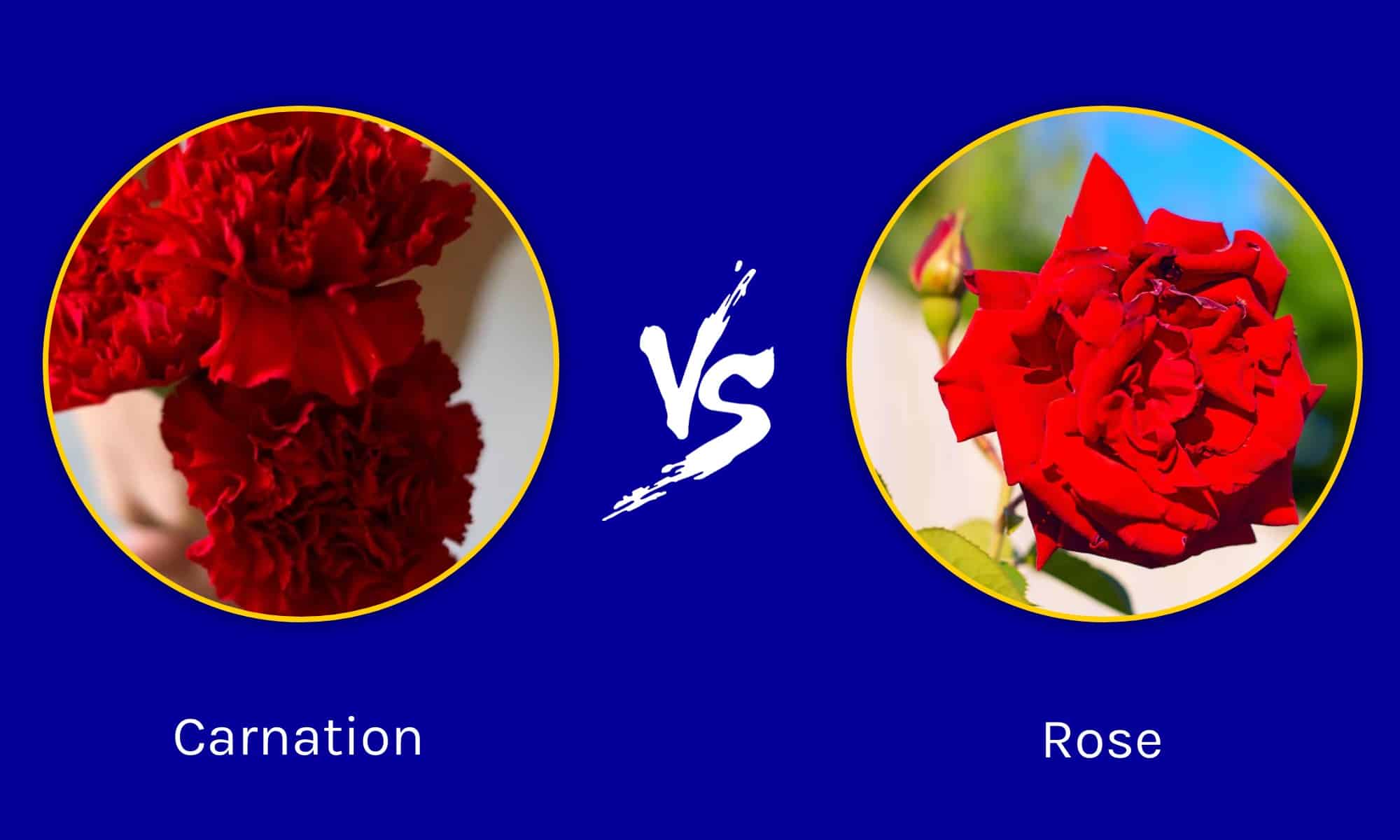
Cost Comparison of Carnations and Roses
When it comes to floral arrangements and purchases, the cost of flowers can vary widely. Generally, carnations tend to be more economical than roses. The price difference is primarily due to factors such as their availability, demand, and growing conditions. While prices fluctuate based on season and location, carnations are often found at lower price points compared to roses, making them a popular choice for budget-conscious consumers.
- Carnations are typically less expensive due to their widespread availability.
- Roses can be more costly because of their status and desirability in floral arrangements.
- Prices vary greatly depending on the variety and seasonality of both flowers.
Factors Influencing Flower Prices
The pricing of both carnations and roses is influenced by several key factors. These include seasonality, regional market variations, and specific flower types. For instance, premium varieties of roses, such as long-stemmed or specialty colors, often see higher prices. In contrast, everyday carnations are usually priced lower, making them more accessible for consumers looking for affordable options.
- Seasonality plays a crucial role in the prices of both flowers.
- Regional demand affects local pricing trends for each flower type.
- Specific varieties may command higher prices based on their uniqueness.
Availability and Market Dynamics
The availability of flowers in the market is another aspect that affects their cost. Carnations are often produced in larger quantities and have a longer shelf life compared to roses. This increased availability tends to lower their price. On the other hand, roses, particularly those that are out of season or require special cultivation methods, can lead to higher costs.
- Carnations are usually produced all year round, ensuring consistent supply.
- Roses may have limited availability depending on the season.
- The flower market dynamics can also shift prices unexpectedly based on international supply chains.
Quality and Long-Lasting Options
When purchasing flowers, the quality and longevity of the blooms can also impact price considerations. While both flowers can last a significant amount of time, carnations are renowned for their durability. This quality makes them an appealing option for buyers looking for more cost-effective arrangements that do not compromise on longevity. Conversely, roses may have a shorter vase life depending on the variety, which can influence their perceived value.
- Carnations can last up to three weeks in proper conditions.
- Roses typically last one to two weeks, making their value perception different.
- Consumers often weigh the cost against the expected lifespan of the arrangement.
Conclusion: Budget-Friendly Choices
In summary, when considering which flower is cheaper, carnations generally emerge as the more budget-friendly option compared to roses. Factors such as their availability, longevity, and overall demand contribute to this distinction. For those looking to create beautiful arrangements without overspending, carnations often provide the best value while still delivering vibrant colors and charm.
- Carnations are typically regarded as more affordable than roses.
- Market dynamics and demand fluctuate, impacting both flower types.
- Considering the purpose and lifespan can help consumers make informed decisions.
Questions from Our Readers
What is the cheapest flower in the world?
The cheapest flower in the world is often considered to be the carnation. Due to its affordability and availability, it is frequently used for events such as weddings and celebrations.
Why are some flowers cheaper than others?
The price of flowers can vary based on factors like availability, seasonality, and cultivation costs. Flowers that are easy to grow and widely cultivated tend to be less expensive than rare or out-of-season varieties.
See also:
Where can I find inexpensive flowers?
You can find inexpensive flowers at local grocery stores, farmers' markets, or through online flower delivery services. Many vendors offer discounts on bulk purchases, making it easier to find affordable options.
Are cheap flowers of lower quality?
Not necessarily. While cheap flowers may not always have the same longevity or appearance as premium blooms, many affordable options, such as daisies and zinnias, can still offer vibrant colors and beauty without breaking the bank.

If you want to read more articles like What is the Cheapest Flower in the World? Discover Affordable Floral Options!, we recommend you check out our Flowers category.
Leave a Reply
Related Articles