What is the Rarest Tulip Color? Discover the Most Unique Tulip Shades!

Tulips are celebrated for their stunning variety and vibrant colors, but among this floral beauty, some shades are rarer than others. Exploring the world of tulips reveals a fascinating palette, including unique hues that capture the imagination of gardeners and flower enthusiasts alike. This article delves into the rarest tulip colors, uncovering the stories, characteristics, and cultivation tips for these extraordinary blooms. From enchanting lavender tones to elusive black varieties, join us as we highlight the most unique shades that add a touch of exclusivity to any garden. Discover the magic behind these uncommon tulip colors!
What is the Rarest Tulip Color?
The rarest tulip color is widely considered to be black, specifically the variety known as 'Queen of Night'. This striking tulip, which offers a deep, velvety hue resembling black, captivates florists and gardening enthusiasts alike. While true black is not a natural occurrence in tulips, 'Queen of Night' comes close, creating a dramatic contrast in gardens. The rarity of this color, both in the wild and in cultivated varieties, adds to its allure and often leads to a higher price point in the market. Consequently, it has garnered a special place in floral arrangements and gardening exhibitions, symbolizing elegance and sophistication.
Why is Black Considered the Rarest Color in Tulips?
Black tulips are deemed rare because pure black pigments do not exist in tulip flowers. Instead, varieties like 'Queen of Night' achieve their dark appearance through the combination of deep maroon and purple hues. This unique coloration process is difficult to replicate, making true black tulips a rarity in the botanical world. Moreover, the cultivation of these tulips demands specific growing conditions, adding to their scarcity and increasing the fascination among tulip aficionados.
Are There Other Rare Tulip Colors?
In addition to black, other rare tulip colors include shades like blue, true green, and pure orange. These colors are challenging to find as they are typically produced through hybridization, resulting in less common cultivars. Different species of tulips exhibit a fantastic range of colors, but those mentioned above stand out due to their limited availability and the specialized techniques required for their propagation. Consequently, they are highly sought after by collectors and enthusiasts willing to invest extra effort into their cultivation.
How Do Rarity and Price Correlate in Tulips?
As with many plants, the rarity of a tulip color directly influences its market value. Rare colors like black or blue often come with a premium price tag because of their limited availability and the care required for their growth. Collectors and gardeners are frequently willing to pay more for these unique varieties, driving demand and further increasing their market worth. The relationship between rarity and price creates a fascinating dynamic, making certain tulips prized possessions among floral connoisseurs.
Where Can You Find Rare Tulip Varieties?
Rare tulip varieties can often be located at specialized nurseries, garden centers, or through online flower retailers that focus on unique cultivars. Botanical gardens and flower festivals often showcase these rarer types, providing enthusiasts with opportunities to purchase them directly or learn more about their cultivation. Additionally, participating in tulip societies or forums can connect growers with fellow enthusiasts who have tips on where to find these coveted colors for our gardens.
How to Care for Rare Tulip Colors?
Caring for rare tulip colors, such as black tulips, requires particular attention to growing conditions. These tulips prefer well-drained soil and full sunlight to flourish. Adequate watering andfertilization during the growing season are essential for ensuring their vibrancy and health. Additionally, protecting them from pests and diseases, which can be prevalent in more delicate varieties, is crucial. Regular monitoring of their environment can help maintain their unique colors and overall vitality.
| Color | Rarity | Example Varieties |
|---|---|---|
| Black | Very Rare | Queen of Night |
| Blue | Rare | Blue Wow |
| True Green | Rare | Green Star |
| Pure Orange | Rare | Orange Emperor |
| Chocolate | Uncommon | Rembrandt |
What is the rarest color of tulips?

The rarest color of tulips is often considered to be black. While there are various shades of dark tulips, true black tulips are exceptionally hard to find. They are not entirely black but appear very dark, with hues that may include deep purple or maroon. The quest for a true black tulip has led to many cultivars, but none can claim the title of being entirely black.
The Origin of Black Tulips
The idea of black tulips has a rich historical context. Cultivated primarily in the Netherlands during the Tulip Mania of the 17th century, black tulips symbolize rarity and elegance. Their elusive nature has made them a sought-after specimen among tulip enthusiasts and hybridizers.
See also:
- Tulip Mania Era: During this period, black tulips became a status symbol.
- Breeding Efforts: Hybridization efforts have been focused on achieving a true black hue.
- Cultural Significance: They are often associated with mystery and sophistication in floral arrangements.
Popular Varieties That Resemble Black Tulips
While true black tulips are rare, several varieties come close to that deep shade. These include 'Queen of Night', 'Black Parrot', and 'Black Hero'.
- Queen of Night: This variety exhibits a stunning dark purple that appears black in certain lighting.
- Black Parrot: Known for its fringed petals, it has a dark shade that adds texture along with a sense of depth.
- Black Hero: This cultivar has a dramatic dark color, merging shades of red and black.
Growing Conditions for Rare Tulip Colors
To grow rare colored tulips, specific conditions are essential. These tulips often require well-draining soil and adequate sunlight.
- Soil Quality: The soil should be loamy and rich in organic matter for optimal growth.
- Sunlight Exposure: They generally prefer full sun to partially shaded areas.
- Watering Needs: Proper irrigation is crucial, ensuring not to overwater to prevent bulb rot.
Significance of Rarity in Tulip Cultivation
The rarity of certain tulip colors significantly affects their value and desirability in the market. Rarer flowers often command higher prices and are more collectible.
- Market Demand: The scarcity drives demand, making them a lucrative option for growers.
- Investment Potential: Rare color tulips can appreciate in value, attracting collectors.
- Conservation Efforts: Many growers focus on preserving these rarer varieties to maintain biodiversity.
How to Identify Rare Tulip Species
Identifying rare tulip species can be challenging but is essential for collectors and enthusiasts. Familiarity with leaf shape, flower structure, and color variations plays a crucial role.
- Leaf Characteristics: Leaf shape and texture can indicate specific species.
- Petal Structure: Examining the petal shape and surface markings can reveal the tulip's lineage.
- Bloom Time: Different species have varying bloom times that can help in identification.
What is the rarest tulip?
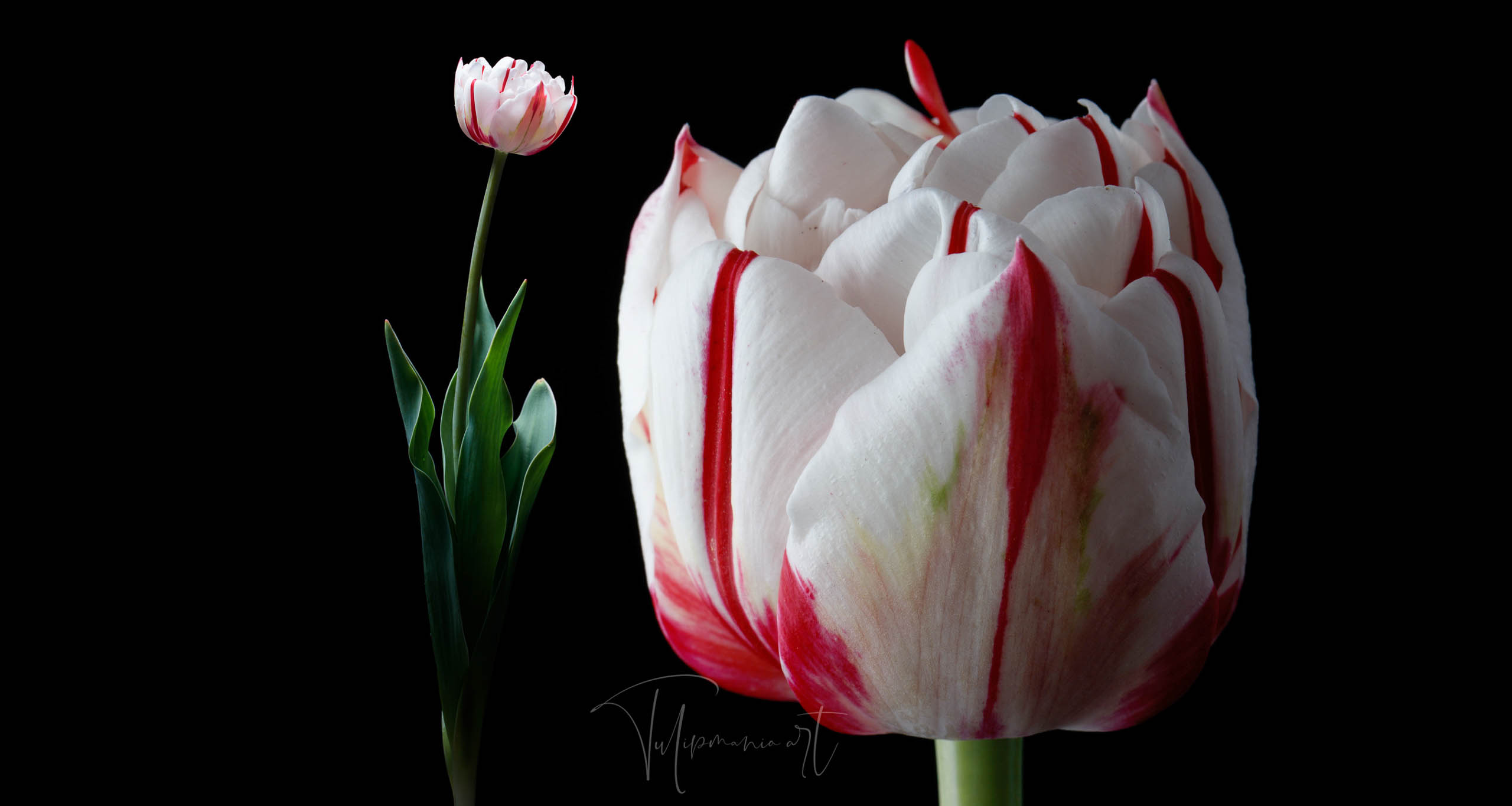
The rarest tulip is the Tulip Semper Augustus. This beautiful flower is often regarded as a symbol of wealth and status due to its extraordinary appearance and scarcity. The Semper Augustus was highly sought after during the Dutch Golden Age, particularly during the Tulip Mania in the 17th century, where it commanded exorbitant prices. The rarity of this tulip is attributed to its unique characteristics, including its striking red and white color pattern, which becomes more vibrant during the blooming period.
Historical Significance of Tulip Semper Augustus
The Tulip Semper Augustus played a crucial role in the history of tulip cultivation and trade. During the Tulip Mania, this specific variety was priced so highly that it became a marker of social status.
- The tulip was introduced to Europe from the Ottoman Empire.
- By the 1630s, it was valued more than gold, with bulbs selling for thousands of florins.
- Its rise and fall in price illustrate the dangers of speculative market bubbles.
Characteristics of the Rare Tulip
The Tulip Semper Augustus is distinct not only for its rarity but also for its exceptional aesthetic qualities. It features deep red petals with elegant white streaks, making it a captivating sight in any garden.
- It exhibits a strong contrast between red and white hues.
- Each bulb produces unique flowers, adding to its allure.
- Flowers bloom in early spring, showcasing a large, cup-shaped form.
Propagation Challenges
Due to its rarity, propagating the Tulip Semper Augustus poses significant challenges. The specific conditions needed for its growth can be difficult to replicate.
- Bulbs must be carefully handled to avoid disease.
- They require well-drained soil and specific nutrients to thrive.
- Reproducing the exact characteristics of the original bulb can be unpredictable.
Collector's Market
The Tulip Semper Augustus remains a coveted item among collectors, driving prices to astronomical heights. Its status has led to a niche market for rare tulips that appeals to enthusiasts and investors alike.
See also:
- Collectors often seek out original bulbs or high-quality reproductions.
- Prices can reach thousands of dollars at auctions.
- Rarity and historical significance significantly influence market demand.
Conservation Efforts
Preserving the Tulip Semper Augustus is essential for future generations. Conservation efforts focus on maintaining its genetic integrity to ensure this rare flower remains part of the horticultural landscape.
- Botanic gardens play a pivotal role in preservation efforts.
- Research into disease resistance and propagation methods is ongoing.
- Awareness campaigns help educate the public about the importance of preserving rare species.
What is the most beautiful tulip color?
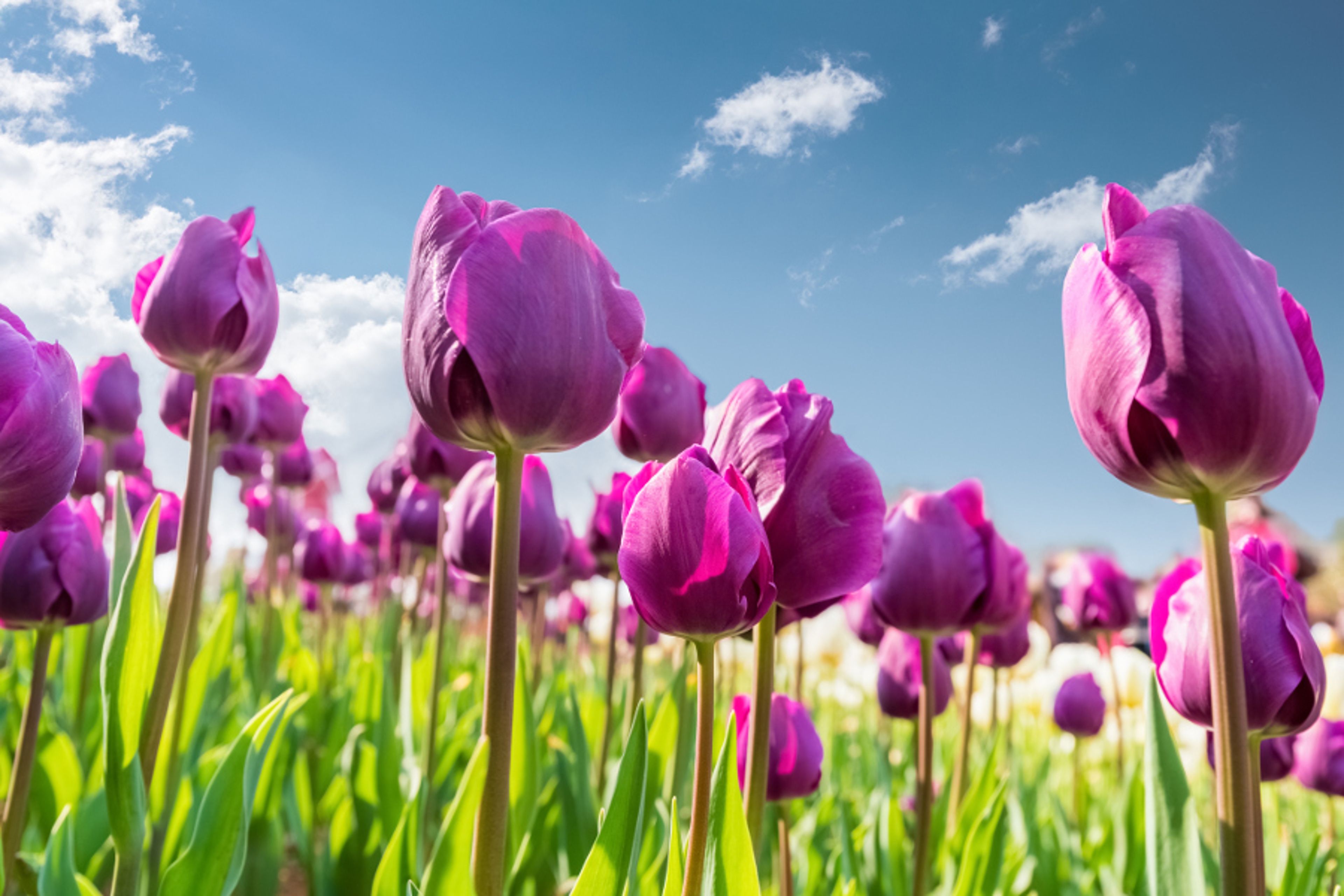
The concept of the most beautiful tulip color is inherently subjective and varies based on personal preferences, cultural associations, and the context in which the tulips are viewed. However, some tulip colors are widely celebrated for their vibrancy and appeal. Among these, red, purple, yellow, and white are often highlighted as stunning choices. Each color evokes different emotions and has unique symbolism, contributing to their allure.
Red Tulips: Symbol of Love
Red tulips are often considered one of the most beautiful colors due to their rich color and association with love. These tulips are frequently given as gifts on romantic occasions and symbolize deep affection.
- Romantic Significance: Red tulips convey feelings of passion and love.
- Visual Impact: Their vibrant hue stands out in any garden setting.
- Variety: There are numerous hybrids of red tulips, ranging from bright scarlet to deep burgundy.
Purple Tulips: Royalty and Elegance
Purple tulips are often associated with royalty and elegance, adding a sense of sophistication to any bouquet or garden. The color purple has a long history of being linked to nobility, making these tulips quite special.
- Symbolism: Purple represents dignity, pride, and a touch of luxury.
- Shades: Unlike just one shade, purple tulips come in light lavender to deep violet.
- Unique Appeal: Their elegant look makes them perfect for formal events or upscale gardens.
Yellow Tulips: Cheerful Brightness
Yellow tulips exude a sense of joy and warmth, often symbolizing cheerfulness and optimism. Their bright color can instantly uplift spirits and bring a sense of happiness to any setting.
- Happy Vibes: They are often associated with spring and new beginnings.
- Contrast: Yellow tulips provide a beautiful contrast in mixed bouquets or against green foliage.
- Positive Symbolism: They symbolize hope and renewal, making them ideal for celebrations.
White Tulips: Purity and Simplicity
White tulips represent purity, simplicity, and new beginnings. Their clean and crisp appearance makes them a popular choice for weddings and formal occasions.
- Symbolic Meaning: White tulips are associated with forgiveness and peace.
- Versatile Use: Their neutrality allows them to blend seamlessly with any color palette.
- Elegant Aesthetic: They offer a classic and timeless look in any arrangement.
Unique Tulip Colors: Beyond the Basics
While the traditional colors hold significant beauty, there are also many unique and captivating shades of tulips that can take center stage. Colors like pink, black, and multi-colored tulips add flair and individuality.
- Pink Tulips: Often symbolize affection and care, making them great for gifting.
- Black Tulips: A rarity in nature, they create a dramatic and striking contrast in gardens.
- Bi-colored and Multi-colored Tulips: These tulips can create stunning visual effects due to their unique patterns combining various colors.
Questions from Our Readers
What is the rarest tulip color?
The rarest tulip color is black. Black tulips are not truly black but rather a very dark shade of purple or maroon. Among varieties, the most famous is the Queen of Night, which is highly sought after for its striking appearance.
Why are black tulips considered rare?
Black tulips are considered rare because they are the result of a specific genetic mutation in tulips, which makes their color difficult to achieve. The unique pedigree of these tulips often leads to limited availability in the market, contributing to their rarity.
See also:
Where can I find rare tulip colors?
You can find rare tulip colors, including black tulips, at specialty nurseries, botanical gardens, and through online retailers that specialize in unique flower bulbs. Additionally, attending flower festivals can be a good opportunity to discover rare varieties.
Are rare tulip colors more expensive?
Yes, rare tulip colors, particularly black tulips, typically come with a higher price tag due to their scarcity and the demand from gardeners and collectors. The limited supply and the effort required to grow these unique varieties contribute to their increased cost.

If you want to read more articles like What is the Rarest Tulip Color? Discover the Most Unique Tulip Shades!, we recommend you check out our Flowers category.
Leave a Reply
Related Articles