Discover the Answer: What Flower Has 100 Petals?

Flowers have long captivated our senses with their beauty, fragrances, and unique characteristics. Among the myriad of blooms, some stand out not just for their appearance but for their fascinating features, such as the number of petals they possess. One intriguing question that often arises is: what flower has 100 petals? In this article, we will explore the enchanting world of flowers with a specific focus on those that boast the impressive count of 100 petals. Join us as we uncover the identity of this remarkable bloom and the significance it holds in nature and culture.
What Flower Has 100 Petals?
The flower commonly known to have 100 petals is the Chrysanthemum, specifically certain varieties such as the disbud chrysanthemum. This striking flower is renowned for its aesthetic appeal and can add a vibrant color palette to gardens and floral arrangements. The 100-petal varieties are often cultivated for ornamental purposes, showcasing a rich history in various cultures, particularly in Asia, where they are symbols of longevity and happiness. The unique petal structure enhances their overall appearance, making them a favored choice for festivals and celebrations, especially in places like Japan, where the chrysanthemum is considered the national flower.
Characteristics of Chrysanthemums
Chrysanthemums are characterized by their diverse colors and petal shapes, ranging from flat to spoon-like formations. These flowers typically bloom during the fall, adding bursts of color to gardens when most plants start to wilt. The variety among chrysanthemum types, including the 100-petal version, enriches their presence in horticulture. Additionally, these flowers are perennial, meaning they return year after year, making them a low-maintenance yet visually appealing choice for gardeners.
Significance in Various Cultures
The chrysanthemum holds profound significance in many cultures, most notably in Japanese culture, where it symbolizes nobility and purity. During the annual Chrysanthemum Festival, this flower is celebrated with parades and displays, emphasizing its importance in cultural heritage. In China, the chrysanthemum is associated with rejuvenation and is one of the Four Gentlemen in traditional Chinese art, representing the virtues of endurance and nobility throughout folklore. Its multi-faceted cultural meanings highlight the flower's universal appeal.
Growing and Caring for 100-Petal Chrysanthemums
To successfully grow 100-petal chrysanthemums, it is essential to plant them in well-drained soil with ample sunlight, as these conditions promote healthy growth and flourishing blooms. Regular watering is crucial, especially during dry spells, but overwatering should be avoided to prevent root rot. Pruning is also beneficial, as it can encourage bushier growth and ultimately lead to more abundant flowering. Providing support for taller varieties can help maintain the integrity of the plant, especially under heavy blooms.
Uses of Chrysanthemums
Chrysanthemums serve various uses, both ornamental and practical. Aside from their popularity in floral arrangements and landscaping, they are also used in traditional medicine for their antioxidant properties. Chrysanthemum tea, made from the dried flowers, is believed to provide health benefits, including soothing headaches and reducing inflammation. Additionally, the flowers can attract beneficial insects like pollinators, further increasing their value in ecosystems where they are planted.
The Evolution of Chrysanthemum Varieties
The evolution of chrysanthemum varieties, including the sought-after 100-petal type, has been significantly influenced by selective breeding practices over centuries. This process has resulted in a multitude of shapes, sizes, and colors, catering to diverse agricultural and decorative needs. Modern breeding techniques have introduced hybrid varieties that exhibit enhanced hardiness and bloom longevity. Today, gardeners can choose from traditional types or modern hybrids, allowing for a diverse display in landscapes and gardens.
| Flower Name | Petal Count | Color Variety | Bloom Season |
|---|---|---|---|
| Chrysanthemum | 100 | Multiple | Fall |
| Rosa | 5-100 | Various | Spring-Summer |
| Tulip | 3-6 | Multiple | Spring |
What rose has 100 petals?

The rose that is famous for having 100 petals is known as the Centifolia rose, often referred to as the Cabbage rose. This variety is recognized for its lush, full blooms and strong fragrance. The name Centifolia is derived from the Latin word centum, meaning hundred, and folia, meaning leaves or petals. It is an old garden rose, dating back to the 17th century, and is primarily grown for its ornamental beauty and scent.
History of the Centifolia Rose
The Centifolia rose has a rich history that dates back to the 1600s in Europe. It was initially cultivated in France, where it became a symbol of romance and wealth.
- The Cabbage roses were highly prized by royalty and aristocrats for their beauty.
- Over time, they became popular among florists and gardeners for their lush blooms.
- In addition to ornamental uses, they were cultivated for their essential oils.
Characteristics of the Centifolia Rose
Centifolia roses are known for their striking features that set them apart from other rose varieties.
- They usually have large, soft blooms that can have up to 100 petals.
- The fragrance of these roses is often described as strong yet sweet, making them favorites for perfume production.
- The petals are typically a soft pink or white, providing a lush appearance in gardens.
Growing Conditions for Centifolia Roses
To ensure the best growth and blooming of Centifolia roses, specific growing conditions must be followed.
- They thrive in well-drained, rich soil that retains moisture.
- Centifolia roses require at least 6 hours of sunlight each day for optimal bloom and health.
- Regular pruning helps maintain their shape and promotes new growth.
Uses of Centifolia Roses
The uses of Centifolia roses extend beyond ornamental applications, making them valuable in various industries.
See also:
- They are commonly used in the perfume industry for their strong scent.
- Centifolia roses are utilized in the making of rose water, a popular skincare product.
- These roses can also be used fresh in bouquets or as dried petals for potpourri.
Popular Varieties of Centifolia Roses
Various cultivars of Centifolia roses have emerged, each with unique traits and appeal.
- One notable variety is the Rosier de Meaux, known for its beautiful deep pink flowers.
- The Pale Cabbage Rose offers a delicate pale hue, ideal for romantic gardens.
- Piano is another popular cultivar, appreciated for its stunning blooms and fragrance.
What is the flower with the most petals?

The flower with the most petals is generally considered to be the Japanese Lotus (Nelumbo nucifera). This exquisite aquatic flower can have an astonishing number of petals, with some varieties exhibiting a petal count that can exceed 100. The Japanese Lotus is celebrated not only for its beauty but also for its cultural significance in various countries, particularly in Asia.
Characteristics of the Japanese Lotus
The Japanese Lotus is known for its large, impressive blooms that rise above the water surface.
- Size: The flowers can reach up to 12 inches in diameter.
- Color variations: They are typically found in shades of white, pink, or yellow.
- Habitats: These flowers thrive in shallow water bodies such as ponds and lakes.
Cultural Significance of Lotus Flowers
The Japanese Lotus holds significant cultural value, especially in Eastern traditions.
- Symbol of purity: In Buddhism, it represents spiritual enlightenment.
- Art and literature: It frequently appears in Japanese poetry and art.
- Ceremonial use: Often used in religious offerings and rituals.
Other Flowers with High Petal Counts
While the Japanese Lotus is often cited as having the most petals, there are other flowers worth mentioning.
- Peonies: Some varieties can have up to 75 petals.
- Dahlias: Certain hybrid types can also reach high petal counts, sometimes exceeding 80.
- Roses: Certain varieties, like the 'David Austin' roses, can have numerous petals, typically around 100.
Growth Conditions for Japanese Lotus
The growth of the Japanese Lotus requires specific conditions to flourish.
- Water depth: Ideal growth occurs in water depths of 1 to 3 feet.
- Sunlight: They need full sun exposure for optimal blooming.
- Temperature: Warm temperatures, ideally between 70°F and 85°F, encourage growth.
Growing Japanese Lotus at Home
Cultivating the Japanese Lotus can be a rewarding endeavor for gardeners.
- Container gardening: They can be grown in large containers with sufficient depth.
- Water quality: It's crucial to ensure clean and nutrient-rich water for healthy growth.
- Fertilization: Use aquatic plant fertilizer during the growing season to promote blooming.
What does the 100 petal rose mean?
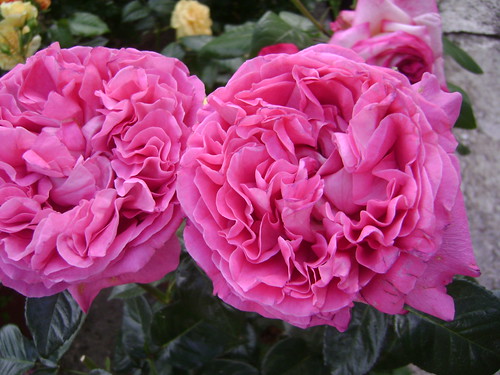
The 100 petal rose is a symbol deeply rooted in various cultures, often representing spiritual growth, enlightenment, and the pursuit of dreams. This symbolism is intricately linked with concepts such as love, beauty, and transformation. In many mystical traditions, the rose is also seen as a representation of the journey of the soul toward self-realization and wisdom. Each petal is typically interpreted as a different aspect of personal growth or learning, indicating that reaching a complete understanding of oneself involves a comprehensive exploration of these facets.
Historical Significance of the 100 Petal Rose
The 100 petal rose has historical relevance in multiple traditions, notably in Eastern philosophies and esoteric teachings.
- Symbolism in Buddhism: In Buddhist texts, flowers, particularly the rose, often represent the impermanence of life. The 100 petals symbolize the numerous lessons and the vast knowledge one acquires on the spiritual path.
- Influence in Mysticism: Various mystical schools adopt the rose as a focal point for meditation, suggesting that to attain spiritual insight, one must unravel the mysteries that lie within each petal.
- Renaissance Art: In the Renaissance, the rose became a common motif, symbolizing not just beauty but also the virginity and purity associated with the Virgin Mary, often represented with roses arranged with many petals.
Spiritual Meaning of the 100 Petal Rose
The spiritual meaning attributed to the 100 petal rose is profound, often connected to higher consciousness and the divine connection.
- Awakening: Each petal can represent a step or phase in the journey of awakening, symbolizing how individuals open their hearts and minds to the universe.
- Unity: The whole rose symbolizes the interconnectedness of all things, urging individuals to recognize their place within the grand design of life.
- Transformation: As petals unfold, they represent the transformation that occurs through experiences, teaching that growth can be sometimes painful but ultimately beautiful.
Religious Interpretations of the 100 Petal Rose
In various religious contexts, the significance of the 100 petal rose varies but often shares common themes of divine love and resurrection.
See also:
- Christianity: The rose is often linked to Mary, mother of Jesus, representing purity and the sacrifice of love, which can be connected to the number of petals as encompassing the sacred.
- Sufism: In Sufi traditions, the rose signifies mystical love and the path to divine truth. The petals symbolize the many mystical experiences one gathers on their spiritual journey.
- Hinduism: The rose is sometimes associated with Krishna and Lakshmi, symbolizing the beauty and abundance of divine love, suggesting that every petal represents a quality of the divine.
Psychological Aspects of the 100 Petal Rose
The 100 petal rose can be explored through a psychological lens, where it represents the complexities of the human psyche and emotional growth.
- Self-Discovery: Each petal can signify a layer of the self, indicating that emotional healing requires self-examination and understanding of different aspects of one’s personality.
- Complexity of Emotions: The multitude of petals reflects the diversity of human emotions, teaching that the journey toward holistic health includes embracing both positive and negative feelings.
- Integration: The path to mental well-being often involves integrating all aspects of oneself, akin to appreciating the whole rose rather than just focusing on individual petals.
Cultural Relevance of the 100 Petal Rose
The cultural relevance of the 100 petal rose touches on various interpretations and artistic expressions across different societies.
- Literature: The rose has been a popular motif in poetry and prose, often representing themes of love, loss, and beauty which can encompass multiple meanings as seen in its petals.
- Art: Artists have utilized the rose in paintings to convey complex emotions, with the number of petals often signifying the depth of feeling or experience being depicted.
- Ceremonies: In cultural rituals, especially those related to love and remembrance, the rose serves as a powerful symbol, where its many petals reflect the multitude of emotions surrounding such occasions.
What is the name of the flower ?

The name of the flower can vary depending on the species or variety being referred to. However, one of the most recognized flowers in the world is the cherry blossom, scientifically known as Prunus serrulata. This beautiful flowering tree is celebrated for its stunning pink or white blooms that appear in spring, attracting many visitors to parks and gardens.
Characteristics of Cherry Blossoms
The cherry blossom has distinct characteristics that make it easily identifiable. These features include:
- Flower Color: The blossoms can range from pale pink to bright white, creating a visually striking appearance.
- Petal Structure: The flowers typically have five petals, often with a slight notch at the tips.
- Fragrance: Cherry blossoms emit a light, sweet fragrance that adds to their allure during the blooming season.
Cultural Significance of Cherry Blossoms
Cherry blossoms hold significant cultural importance, especially in countries like Japan. Their symbolism includes:
- Transience: They symbolize the fleeting nature of life, reflecting beauty that is short-lived.
- Celebration: Festivals, known as Hanami, are organized to celebrate the blooming of cherry trees.
- Art and Literature: The blossoms inspire countless works of art, poetry, and literature, representing hope and renewal.
Blooming Season of Cherry Blossoms
The blooming period for cherry blossoms typically occurs in spring, with variations based on geographical location. Important points include:
- Timing: Generally, they bloom between late March and early April, depending on the climate.
- Peak Bloom: The peak bloom lasts about a week, during which the trees are most visually stunning.
- Weather Influence: Weather conditions, such as temperature and rainfall, can significantly affect the blooming period.
Types of Cherry Blossom Trees
There are various types of cherry blossom trees, each with unique features. Some popular types include:
- Yoshino Cherry: Known for its pale pink flowers and widespread popularity in parks.
- Kwanzan Cherry: Features double-pink flowers, blooming later than many other types.
- Weeping Cherry: Notable for its graceful, drooping branches covered with delicate blossoms.
Care and Cultivation of Cherry Blossom Trees
Cultivating cherry blossom trees requires specific care to thrive in gardens. Key care tips include:
- Soil Type: Prefer well-draining soil rich in organic matter for healthy growth.
- Sunlight: They require full sun to flourish, ideally receiving at least 6 hours of sunlight daily.
- Watering: Regular watering, especially during dry spells, is essential for their development.
Questions from Our Readers
What flower has 100 petals?
The flower commonly associated with having 100 petals is the Chrysanthemum. This flower is known for its vibrant colors and is often used in various floral arrangements. Its multiple layers of petals create a lush and full appearance, making it a popular choice in gardens and as a decorative piece.
Are there other flowers with a similar petal count?
Yes, while the Chrysanthemum is most notably recognized, there are variations of other flowers that can often reach a similar petal count. For example, some varieties of Peonies and Roses can have petals that tally up to around 100, depending on the specific breed and cultivar chosen.
Can the number of petals vary in flowers?
Absolutely, the number of petals can vary significantly among individual flowers, even within the same species. Factors such as genetics, environmental conditions, and cultivation techniques can influence the petal count, making it possible to find flowers with either more or fewer than 100 petals.
Why is the petal count important?
The petal count can be significant for several reasons, including aesthetics in floral design, ecological functions like attracting pollinators, and cultural symbolism associated with certain numbers of petals. In some traditions, flowers with higher petal counts are deemed more luxurious and are preferred for events and celebrations.
See also:

If you want to read more articles like Discover the Answer: What Flower Has 100 Petals?, we recommend you check out our Flowers category.
Leave a Reply
Related Articles