What is the Name of 10 Flowers? Discover Beautiful Flower Names and Their Meanings
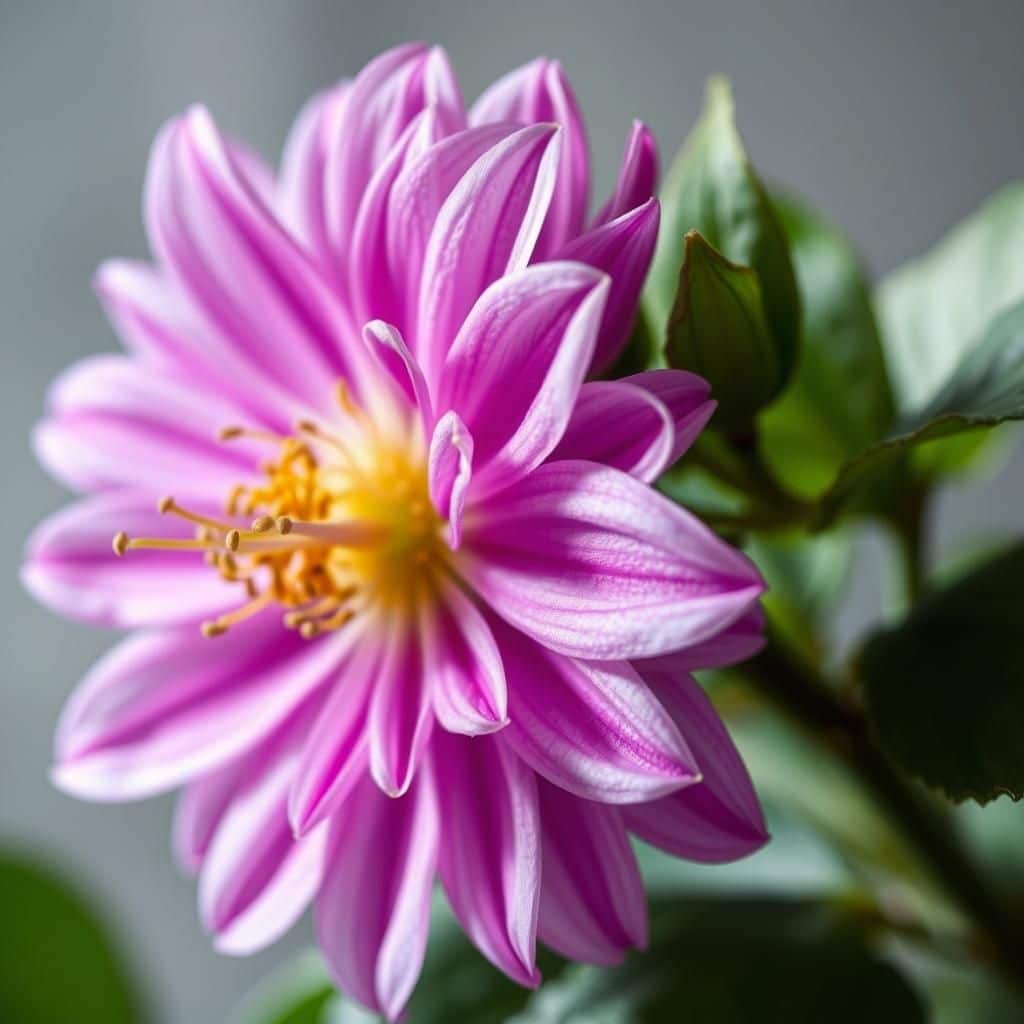
Flowers have captivated humanity with their stunning beauty and intricate symbolism for centuries. Each bloom carries its own unique story and meaning, reflecting emotions, traditions, and cultural significance. In this article, we will explore the names of ten exquisite flowers, uncovering not only their enchanting appearances but also the deeper meanings that lie beneath their petals. Whether you're a gardening enthusiast, a lover of nature, or simply curious about the language of flowers, join us on this journey to discover the delicate beauty and profound significance behind these cherished floral names.
Exploring the Names of 10 Beautiful Flowers
Flowers are not only essential for the ecology of our planet but also captivate us with their stunning aesthetics. Each variety carries a unique name, often derived from its appearance, history, or native region. Here are the names of ten well-known flowers: Rosa (Rose), Tulipa (Tulip), Lilium (Lily), Helianthus (Sunflower), Dendrobium (Orchid), Chrysanthemum, Lavandula (Lavender), Narcissus (Daffodil), Calendula (Marigold), and Crysanthemums (Mum). Understanding these names not only enriches our vocabulary but also enhances our appreciation for the beauty of nature.
1. Rosa (Rose)
The Rose is arguably one of the most iconic flowers in the world, known for its beautiful petals and intoxicating fragrance. It comes in a variety of colors, each symbolizing different emotions—from red, representing love and passion, to white, symbolizing purity and innocence. The Rose holds significant cultural importance in various traditions and is often associated with romance.
2. Tulipa (Tulip)
Tulips are vibrant, cup-shaped flowers that bloom in the springtime and are celebrated for their wide range of colors and forms. Originally found in Central Asia, they became widely popular in Europe during the 17th century, especially in the Netherlands, which remains a leading producer today. Their sleek design and elegant appearance make them a favorite among gardeners and floral enthusiasts.
3. Lilium (Lily)
The Lily is a striking flower characterized by its large, showy blooms and robust fragrance. These perennials are known for their diverse colors, including white, orange, pink, and yellow. In many cultures, Lilies symbolize purity and transformation and are often used in bouquets, celebrating special occasions or expressing condolences.
4. Helianthus (Sunflower)
The Sunflower is a cheerful, towering flower known for its large, round face that turns to follow the sun throughout the day. With its vibrant yellow petals and dark center, it symbolizes adoration and loyalty. The Sunflower is also a source of food oil and seeds, linking its beauty with practicality in agriculture.
5. Dendrobium (Orchid)
Orchids, particularly the Dendrobium variety, are renowned for their exquisite beauty and complex structures. Comprising over 25,000 species, they are one of the largest families of flowering plants. The Dendrobium orchids are often valued for their long-lasting blooms and are popular in both horticulture and as decorative plants.
| Flower Name | Scientific Name | Symbolism |
|---|---|---|
| Rose | Rosa | Love and Passion |
| Tulip | Tulipa | Perfect Love |
| Lily | Lilium | Purity and Transformation |
| Sunflower | Helianthus | Adoration and Loyalty |
| Orchid | Dendrobium | Beauty and Strength |
What are the names of the 10 flowers?


Here are the names of 10 flowers:
1. Rose
2. Tulip
3. Daisy
4. Sunflower
5. Orchid
6. Lily
7. Carnation
8. Peony
9. Hydrangea
10. Marigold
Rose
The rose is one of the most beloved flowers globally, renowned for its beauty and fragrance. It symbolizes love and passion. There are numerous varieties, each offering different colors and meanings.
- Red roses symbolize romantic love.
- Yellow roses are associated with friendship.
- White roses signify purity and innocence.
Tulip
The tulip is a spring-blooming perennial that comes in a variety of colors and shapes. It is known for its simple yet elegant appearance and has a rich history in culture and art.
- Tulips originated in Central Asia.
- They are a symbol of renewal and new beginnings.
- In the Netherlands, tulips are celebrated with festivals.
Daisy
The daisy is characterized by its white petals and yellow center, representing innocence and purity. It thrives in various environments and is often found in meadows and gardens.
- Daisies are commonly associated with childhood.
- They can symbolize gentleness and new beginnings.
- The name comes from the term day's eye for their tendency to open at sunrise.
Sunflower
The sunflower is known for its large, bright yellow blooms that resemble the sun. They are famous for turning to face the sun as it moves across the sky, a phenomenon called heliotropism.
- Sunflowers are a symbol of loyalty and adoration.
- They can grow to heights of over 10 feet.
- Sunflower seeds are rich in nutrients and widely consumed.
Orchid
The orchid is one of the most diverse and widespread flowering plant families. They are esteemed for their striking and unique forms, making them popular in floristry and ornamental gardening.
- Orchids symbolize rare beauty and refinement.
- There are over 25,000 species of orchids worldwide.
- Some species can live for over 100 years if cared for properly.
What is the name of the 15 flower?


The 15 flower, commonly known as the Fifteen flower, typically refers to the Hibiscus rosa-sinensis, often celebrated for its vibrant blooms and cultural significance in various regions, particularly in tropical and subtropical climates. This flower is also known by names such as Chinese hibiscus or shoeblack plant. It is widely cultivated for ornamental purposes and is recognized for its large, trumpet-shaped flowers in various colors, including red, pink, orange, and yellow.
Characteristics of the 15 Flower
The Hibiscus rosa-sinensis has several notable characteristics that make it a popular choice among gardeners and flower enthusiasts. Its large, colorful flowers bloom throughout the year in suitable climates.
- Flower Size: The hibiscus can produce flowers that measure up to 6-8 inches across, showcasing an impressive display.
- Color Variety: These flowers come in a plethora of colors, including shades of red, orange, pink, white, and yellow, often with contrasting centers.
- Leaf Structure: The leaves are glossy and dark green, with a lobed structure that adds to the plant's aesthetic appeal.
Cultural Significance of the 15 Flower
The 15 flower holds deep cultural meanings in various societies, often symbolizing beauty, love, and hospitality. Various cultures attribute different meanings to the hibiscus flower.
- In China: It symbolizes wealth and good fortune, often used in celebrations and festivities.
- In Hawaii: The hibiscus is the state flower and represents greeting and welcome, often worn as a lei.
- In India: The flower is sacred to the goddess Kali and is often used in religious ceremonies and offerings.
Growing Conditions for the 15 Flower
To cultivate the 15 flower successfully, certain growing conditions are optimal. The hibiscus thrives in a warm, sunny environment.
- Sunlight: It requires full sun for at least 6-8 hours a day for optimal blooming.
- Soil Composition: Well-draining, rich soil is ideal, with a slightly acidic to neutral pH for best growth.
- Watering: Regular watering is essential, especially during dry spells, but overwatering should be avoided to prevent root rot.
Uses of the 15 Flower
The hibiscus flower offers a variety of uses that extend beyond ornamental purposes. Its applications range from culinary to medicinal.
- Culinary Uses: The petals can be used to make herbal teas, jams, and even salads, adding flavor and color.
- Medicinal Properties: Hibiscus tea is renowned for its health benefits, including blood pressure regulation and antioxidant properties.
- Cosmetic Applications: It is often used in skincare products for its anti-inflammatory and moisturizing properties.
Popular Varieties of the 15 Flower
There are several popular varieties of the hibiscus flower that are cultivated worldwide, each with unique features.
- 'Copper King': Known for its bright orange flowers and large size, making it a striking addition to gardens.
- 'Double Orange': This variety features double blooms that resemble roses, adding lushness to landscaping.
- 'Pink Giant': Characterized by its enormous pink blooms, it creates a dramatic flower display in any garden.
Questions from Our Readers
What are some common flower names?
Some common flower names include rose, tulip, sunflower, daisy, lily, orchid, chrysanthemum, daffodil, carnation, and peony. These flowers are popular for their beauty and symbolism in various cultures.
What flowers are known for their fragrance?
Flowers known for their fragrance include the jasmine, lavender, gardenia, lily of the valley, rose, and honeysuckle. These aromatic flowers are often used in perfumes and are appreciated for their pleasant scents.
See also:
Which flowers are suitable for gardens?
Suitable flowers for gardens include marigolds, petunias, zinnias, geraniums, pansies, cosmos, salvia, asters, hostas, and black-eyed Susans. These flowers can enhance the aesthetic appeal and provide a vibrant atmosphere in outdoor spaces.
What flowers bloom all year round?
Flowers that bloom all year round include geraniums, African violets, chrysanthemums, begonias, orchids, and pansies. These flowers are often favored for their durability and ability to add color throughout the seasons, regardless of the climate.

If you want to read more articles like What is the Name of 10 Flowers? Discover Beautiful Flower Names and Their Meanings, we recommend you check out our Flowers category.
Leave a Reply
Related Articles