Ultimate Guide: How Do You Winterize Coneflowers for a Thriving Garden?

As winter approaches, many gardeners face the challenge of preparing their plants for the colder months. Coneflowers, known for their vibrant colors and resilience, require special attention to thrive through winter conditions. This ultimate guide will walk you through essential steps for winterizing your coneflowers, ensuring their survival and health for the blooming season ahead. From proper pruning techniques to mulching and protecting against harsh weather, this comprehensive resource will equip you with the knowledge needed to maintain a flourishing garden. Discover how to care for your coneflowers in winter and set the stage for stunning spring growth.
How to Winterize Coneflowers
To effectively winterize coneflowers (Echinacea), it's essential to prepare the plants for the colder months in order to ensure that they thrive come spring. Start by trimming back the foliage after the first frost, which will prevent disease and pests from overwintering in the plant debris. It's advisable to leave about 3 to 4 inches of the stems above ground to provide shape and protection during harsh weather. Additionally, adding a layer of mulch around the base of the plants will help insulate the roots, retain soil moisture, and suppress weeds. Be sure to monitor the moisture level throughout winter, as extremely dry conditions can be detrimental to the plants. This process will help your coneflowers survive the winter and emerge stronger in the growing season.
Pruning Coneflowers in Fall
Pruning coneflowers in the fall is a crucial step for winterization. After the first frost, cut back the stems to a few inches above the ground. This not only removes any diseased or spent foliage but also helps the plant conserve energy during the harsh winter months. By pruning, you can encourage new growth in the spring, leading to healthier and more robust blooms.
Mulching Techniques
Applying a layer of mulch around your coneflower plants helps insulate the root systems and retain moisture throughout the winter. Ideal materials for mulching include shredded leaves, straw, or bark chips. Aim for a 2 to 3-inch layer of mulch that provides sufficient coverage without suffocating the plants. Be careful not to pile mulch too high against the stems to avoid rot and disease.
Soil Moisture Monitoring
Even in winter, keeping an eye on soil moisture is important for the health of your coneflowers. During dry winter spells, especially in milder climates, the roots can suffer from dehydration. If there has been little precipitation, water the plants lightly during warmer days, ensuring that the soil is moist but not soggy. This will help maintain a healthy root system as the plant prepares for the upcoming growing season.
Container Coneflowers Winter Care
For coneflowers grown in containers, winterization requires extra attention. Move the containers to a more sheltered spot, such as against a wall or into a garage, to protect them from harsh winds and frost. Wrap the pots in burlap or bubble wrap to provide insulation. Ensure that they still receive adequate sunlight, and monitor the moisture levels since container plants can dry out faster in winter.
Pest and Disease Prevention
Preventing pests and diseases during winter is an essential part of winterizing your coneflowers. Remove any dead foliage and debris around the base of the plants to reduce overwintering habitats for pests. Additionally, consider applying an organic fungicide if you've had issues in previous years; this helps create a protective barrier against potential diseases. Regular checks throughout the winter can aid in early identification of any problems.
| Action | Purpose |
|---|---|
| Prune Foliage | Promotes healthy growth and prevents disease. |
| Add Mulch | Insulates roots and retains moisture. |
| Monitor Soil Moisture | Prevents dehydration of roots. |
| Move Containers | Protects from frost and wind damage. |
| Remove Debris | Reduces pest and disease risks. |
Should coneflowers be cut back for winter?

Cutting back coneflowers (Echinacea) for winter is a topic that stirs much debate among gardeners. While some prefer to leave the plant standing through the winter, others advocate for cutting them back to promote healthy growth in the spring. Generally, the decision can depend on the specific climate, the health of the plants, and personal gardening preferences.
Benefits of Cutting Back Coneflowers
Cutting back coneflowers can provide several benefits that contribute to the overall health of the plants:
- Preventing Disease: Pruning any dead or diseased foliage can help reduce the risk of fungal diseases that might thrive in decaying plant matter.
- Improving Air Circulation: Removing old growth can enhance air flow around the plants, which may prevent mold and mildew issues during winter months.
- Encouraging New Growth: Cutting back encourages the plant to focus its energy on new growth in the spring, leading to more vigorous blooms.
Reasons to Leave Coneflowers Standing
Despite the benefits of cutting back, there are also compelling reasons to leave coneflowers standing throughout winter:
- Wildlife Habitat: Standing coneflower stalks can provide essential habitat and food for birds and other wildlife during cold months.
- Winter Interest: The dried flower heads can add visual interest to your winter garden and provide structure to the landscape.
- Seed Dispersal: Leaving the flowers intact helps in the natural seed dispersal process, allowing self-seeding and potentially new plants to emerge in spring.
Best Practices for Cutting Back Coneflowers
If you decide to cut back your coneflowers, following certain best practices can lead to optimal results:
- Timing: Wait until after the first frost to cut back, allowing the plants to enter dormancy and become more resilient to cold.
- Tools: Use sharp, clean pruning shears to make clean cuts and reduce the risk of damaging the plant or introducing diseases.
- Height: Trim the plants down to about 3-4 inches above soil level to ensure there’s enough remaining foliage to protect the crown during winter.
Impact of Local Climate on Care
The local climate plays a significant role in whether you should cut back coneflowers or not:
- Mild Climates: In warmer regions, leaving the plants standing can help protect roots from temperature fluctuations.
- Cold Climates: In harsher winter climates, cutting back may be beneficial as it prevents snow and ice from weighing down and damaging the plants.
- Snow Cover: If your area receives substantial snowfall, left-standing plants can help insulate the soil and protect root systems from extreme cold.
Alternatives to Cutting Back Coneflowers
If you're hesitant to cut back your coneflowers, there are alternative methods to care for them during winter:
See also:
- Mulching: Apply a layer of organic mulch around the base in late fall to provide insulation and retain soil moisture.
- Selective Pruning: Only remove damaged or diseased stems while leaving healthier ones to support wildlife.
- Covering: In extremely cold areas, consider using protective covers or fabric to shield the plants from frost while they’re still standing.
How do I overwinter coneflowers?
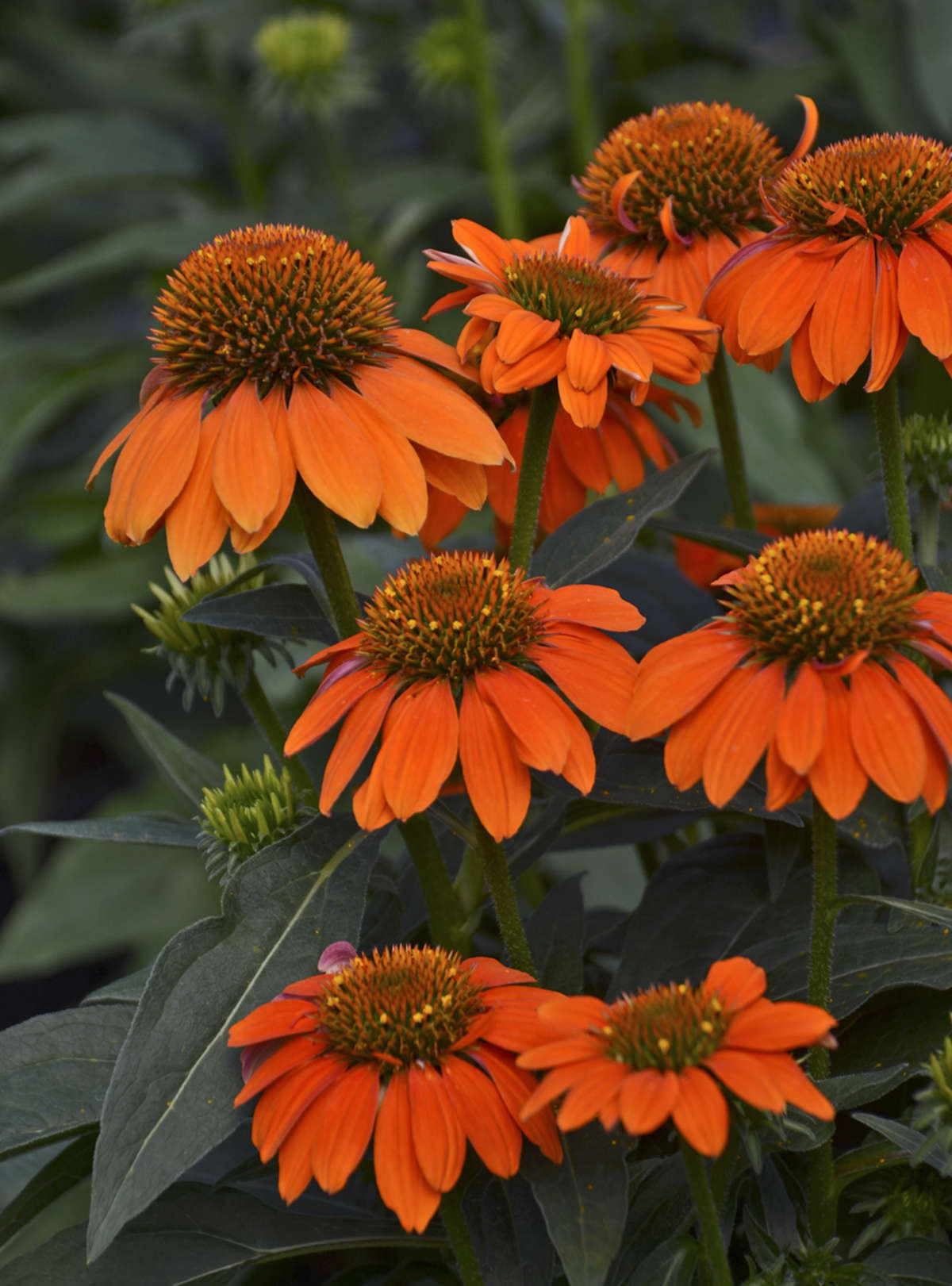
To successfully overwinter coneflowers, also known as Echinacea, it's essential to take specific steps to ensure their survival through the colder months. Coneflowers are perennials, but they benefit from proper care and preparation for winter. Here is a detailed guide to help you overwinter your coneflowers effectively.
Understanding Coneflower Hardiness
Coneflowers are hardy in USDA zones 3 to 9, making them resilient to various climates. Knowing your local climate zone is crucial as it determines how much protection your coneflowers may need. In colder climates, these plants might require extra insulation during winter months. Understanding their hardiness level will inform how to care for them before the frost sets in.
- Check your USDA zone.
- Assess the current health of your plants.
- Plan for any needed protection based on your zone.
Preparing Coneflowers for Winter
Before winter arrives, it is important to prepare your coneflowers for the cold. This involves pruning and possibly even mulching to provide insulation. Proper preparation includes cutting back dead stems and removing any debris that could harbor pests.
- Prune the spent flowers and stems to around 3-4 inches above the ground.
- Remove any dead leaves or debris from around the plants.
- Apply a layer of mulch to protect the root system.
Applying Mulch for Insulation
Mulching is a critical step in overwintering coneflowers. A good layer of mulch can help retain moisture and regulate soil temperature, protecting the roots from freezing and thawing cycles that can be damaging.
- Choose organic materials such as straw, wood chips, or shredded leaves.
- Apply a 2-3 inch layer of mulch around the base of each plant.
- Avoid piling mulch directly against the plant stems to prevent rot.
Watering Before Winter Sets In
Before the ground freezes, it is essential to ensure that your coneflowers are adequately hydrated. Providing enough moisture going into winter helps the plants survive the dry cold months.
- Water thoroughly in late fall, ensuring the soil is moist but not waterlogged.
- Check moisture levels periodically throughout the fall.
- Reduce watering frequency as temperatures drop and the plant goes dormant.
Monitoring During Winter
Even during winter, monitoring your coneflowers is critical. This includes checking for signs of stress or potential issues like rot or pest activity.
- Periodically check mulch levels and replenish if necessary.
- Inspect for any animal damage or signs of pests.
- Make sure the plants are not too wet; excess moisture can lead to root rot.
Can I just scatter coneflower seeds?

Yes, you can scatter coneflower seeds, but there are some important factors to consider for successful germination and growth. Simply scattering the seeds on the soil surface may not yield the best results. Here are some key points to keep in mind:
1. Seed Preparation: Before scattering, it’s advisable to prepare the seeds. Coneflower seeds may benefit from a process called stratification, which mimics the natural winter conditions required for germination. This can be done by placing seeds in a damp paper towel inside a sealed bag in the refrigerator for a few weeks.
2. Soil Condition: The condition of the soil plays a crucial role in the germination of coneflower seeds. The soil should be well-drained, rich in organic matter, and free of weeds. Ensuring the right soil pH (around 6.0 to 7.0) can also enhance seed germination.
3. Timing: The best time to scatter coneflower seeds is in the fall or early spring. Scattering in the fall allows the seeds to undergo natural cold stratification over winter. If you choose to plant in spring, make sure to do so after the last frost date to prevent damage to young seedlings.
4. Watering: After scattering the seeds, it’s important to ensure they receive adequate moisture. While the seeds can benefit from rain, you may need to water them gently if the weather is dry. Avoid over-watering, as this can lead to rot.
5. Sunlight Requirements: Coneflowers thrive in full sun, so choose a location that receives at least 6 to 8 hours of sunlight each day. This will help the plants establish strong roots and promote healthy growth.
See also:
Seed Preparation for Coneflower Planting
Before scattering coneflower seeds, it is essential to prepare them properly to enhance germination rates.
- Stratification: Cold treatment can be beneficial.
- Damp Environment: Store seeds in a damp paper towel for better results.
- Timing: Prepare seeds well in advance of planting.
Ideal Soil Conditions for Coneflowers
The soil's quality significantly impacts the growth of coneflowers. Having the right soil can determine the health and vitality of your plants.
- Well-Drained Soil: Prevents waterlogging and root rot.
- Organic Matter: Improves soil fertility and structure.
- pH Level: Aim for a neutral pH for optimal growth.
Best Timing for Scattering Seeds
Choosing the right time to scatter coneflower seeds can significantly influence their success.
- Fall Planting: Natural stratification is achieved during winter.
- Early Spring: Plant after the last frost date for best results.
- Monitor Weather: Keep an eye on local weather patterns.
Watering and Moisture Requirements
Moisture management is crucial in the early stages of coneflower growth.
- Gentle Watering: Use a light hand to avoid displacing the seeds.
- Natural Rainfall: Ideal for maintaining seed moisture.
- Avoid Over-Watering: Prevents rot and fungal issues.
Sunlight Needs for Healthy Coneflowers
Understanding the light requirements of coneflowers will support their growth and flowering.
- Full Sun: Aim for at least 6-8 hours of sunlight daily.
- Air Circulation: Helps reduce disease risk and supports growth.
- Location Selection: Choose a sunny spot in your garden.
What temperature is too cold for coneflowers?
:max_bytes(150000):strip_icc()/plants-for-a-front-porch-coneflower-5cfcfaa4d76c4fd2a00b7ef32ae76d75.jpg)
Coneflowers, scientifically known as Echinacea, are hardy plants that can tolerate a range of temperatures. However, there are specific cold temperature thresholds that can negatively affect their growth and survival. Generally, coneflowers can withstand temperatures as low as -10°F (-23°C), but anything below this temperature can be harmful. Prolonged exposure to extreme cold can lead to freezing damage, affecting the roots and decreasing their ability to bloom in the warmer months.
Cold Hardiness of Coneflowers
Coneflowers are typically classified as hardy perennials that thrive in USDA hardiness zones 3 through 9. This means that they are well-adapted to survive cold winters. However:
- Coneflowers can survive winter temperatures as low as -10°F.
- In zones with milder winters, they may experience less stress and have higher survival rates.
- Unusually cold snaps or heavy frost can still pose threats even in suitable zones.
Signs of Cold Damage
When cone flowers are exposed to excessively low temperatures, they may exhibit signs of cold damage. Indicators include:
- Stunted growth in the spring.
- Discoloration of leaves, often turning dark or black.
- Complete dieback, where dormant crowns do not sprout new shoots.
How to Protect Coneflowers from Cold
To ensure the health of cone flowers during cold spells, it's essential to take preventative measures. Practical steps include:
- Using mulch around the plants to maintain soil temperature.
- Covering plants with frost cloth during severe cold snaps.
- Planting in well-drained areas to prevent root rot from freezing and thawing cycles.
Best Locations for Planting Coneflowers
Choosing the right location for planting coneflowers can significantly influence their ability to withstand cold conditions. Important factors include:
- Planting in full sun helps absorb warmth during the day.
- Positioning them in areas with good drainage to avoid waterlogging.
- Avoiding sheltered spots that may trap cold air and frost.
Choosing the Right Variety
Selecting the right variety of coneflower can impact cold tolerance. Consider the following:
- Echinacea purpurea, which is well adapted to various climates and generally hardier.
- Echinacea angustifolia, known for its resilience in colder zones.
- Hybrid varieties may offer specific traits but could also vary in cold tolerance.
Questions from Our Readers
How do you prepare coneflowers for winter?
To prepare coneflowers for winter, start by cutting back the plant’s stems to about 3-4 inches above the ground once the foliage has died back. This practice prevents diseases and helps your plants conserve energy over the winter months. Adding a layer of mulch can also provide insulation and protect the roots from extreme cold.
Should I cover coneflowers in winter?
Yes, covering coneflowers in winter can be beneficial. Using a protective layer of pine needles, straw, or mulch can help to insulate the plants against harsh weather conditions and fluctuating temperatures, preventing damage to the roots and encouraging robust growth in spring.
See also:
When is the best time to winterize coneflowers?
The best time to winterize coneflowers is in late fall, after the first frost has occurred. At this point, the plants are entering dormancy and it is ideal to trim back the old growth and apply mulch to protect them over the winter months.
Do coneflowers need to be watered in winter?
Generally, coneflowers do not need to be watered in winter, as they are dormant and require less moisture. However, if there is a significant period without precipitation during the winter months, a light watering can be beneficial to keep the roots from drying out, especially in dry climates.

If you want to read more articles like Ultimate Guide: How Do You Winterize Coneflowers for a Thriving Garden?, we recommend you check out our Flowers category.
Leave a Reply
Related Articles