What Animal Eats Echinacea? Discover the Fascinating Herbivores and Insects That Enjoy This Plant

Echinacea, widely celebrated for its immune-boosting properties, is not just a favorite among herbalists and health enthusiasts. This vibrant plant attracts various herbivores and insects that relish its unique characteristics. From grazing animals to buzzing pollinators, a fascinating array of wildlife depends on Echinacea as a vital food source. Understanding which creatures enjoy this remarkable plant can shed light on its ecological significance and its role in supporting biodiversity. In this article, we will explore the diverse herbivores and insects that indulge in Echinacea, revealing the interconnectedness of nature and the importance of protecting these essential species.
What Animals Are Known to Eat Echinacea?
Many animals are known to consume echinacea, including both herbivores and some insects. Echinacea, a popular medicinal plant, is not only appreciated by humans for its health benefits but is also a food source. Animals such as deer, rabbits, and various types of birds have been observed eating its leaves and flowers. The plant's robust nature allows it to survive some grazing pressure, although heavy feeding can hinder its growth. Additionally, certain insects are attracted to the nectar of echinacea flowers, contributing to the pollination process while also feeding on the plant.
Herbivores That Consume Echinacea
Herbivores, particularly larger mammals like deer and rabbits, commonly feed on echinacea. They are attracted to the tender leaves and vibrant flowers, especially in the spring and summer when the plant is at its peak. These animals can damage the plant if their populations are large, affecting the plant's ability to thrive and reproduce in the wild.
Birds and Their Relationship with Echinacea
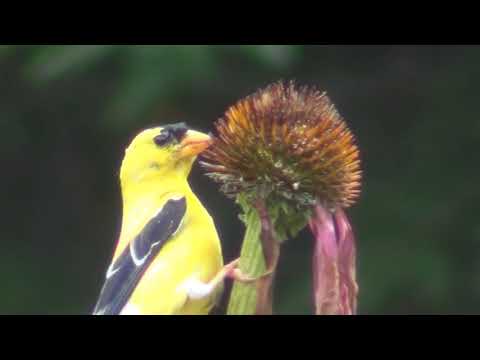
Various species of birds are drawn to echinacea, particularly during the late summer and fall when the flowers develop their distinctive seed heads. They consume the seeds, which are rich in nutrients, thereby playing a crucial role in the plant's reproduction by helping disperse the seeds. The occurrence of birds feeding on echinacea serves as an important link between the plant and the ecosystem.
Insects That Feed on Echinacea
Insects, including bees and butterflies, are attracted to echinacea for its nectar. While these insects primarily seek nourishment from the plant, they inadvertently assist in the pollination process, which is essential for echinacea's reproductive cycle. Additionally, certain beetles and caterpillars may also consume parts of the plant, although this can be detrimental if their population sizes increase significantly.
See also:
The Role of Echinacea in Ecosystems
Echinacea plays a vital role in maintaining the ecosystem balance by providing food for various wildlife. The plant not only supplies nourishment for herbivores and insects but also supports pollinators, which are critical for many plants' reproductive success. This relationship underscores the importance of echinacea in promoting biodiversity within its habitat.
Impacts of Animal Feeding on Echinacea
The feeding habits of animals on echinacea can significantly impact its growth and survival. While moderate grazing can promote new growth and prevent invasive species, excessive consumption can lead to overgrazing, which stunts the plant's development. Understanding these interactions helps gardeners and conservationists better manage echinacea populations in both urban and wild settings.
| Animal Type | Feeding Behavior |
|---|---|
| Herbivores | Consume leaves and flowers, potentially affecting growth |
| Birds | Feed on seeds and assist in seed dispersal |
| Insects | Attracted to nectar for pollination and food |
| Impact on Ecosystem | Supports biodiversity and ecological balance |
| Feeding Effects | Moderate consumption aids growth; excessive can hinder |
Understanding the Ecosystem Interactions of Echinacea
Echinacea, often admired for its medicinal properties, serves as a food source for various herbivores and insects in the environment. Animals such as deer and rabbits are known to nibble on the leaves and flowers, while various caterpillars and beetles feast on its parts as well. The plant's vibrant blooms also attract pollinators like bees and butterflies, which play a crucial role in its reproduction. This complex interaction not only illustrates the plant's role in the ecosystem but also raises awareness about the delicate balance between plants and the herbivores that depend on them.
The Role of Insects in Echinacea's Life Cycle
Insects play a pivotal role in the pollination of Echinacea species, which is essential for their reproduction. Bees, in particular, are drawn to the plant's nectar-rich flowers, facilitating cross-pollination between different Echinacea plants. This not only aids in seed production but also enhances the genetic diversity of the species. Moreover, some insects, like certain caterpillars, may consume the leaves, influencing the plant's growth and resilience.
Herbivores That Enjoy Echinacea
Herbivores such as deer and rabbits regularly consume Echinacea, particularly during the growing season when nutrient content is at its peak. These animals depend on the plant as a food source, especially in areas where other vegetation may be scarce. While their grazing can benefit the ecosystem through plant pruning, excessive feeding can lead to overgrazing, adversely affecting the plant's health and viability in that habitat.
See also:
The Impact of Grazing on Echinacea Populations
Grazing by various herbivores can have significant effects on Echinacea populations. While moderate grazing might promote new growth and biodiversity, too much can stunt the plant's development, cause stress, and result in decreased flower production. This can lead to a decline in local populations of Echinacea, as fewer flowers mean less pollination and ultimately fewer seeds for the next generation.
Competing Flora: Echinacea's Neighbors
Echinacea grows in habitats often shared with other wildflowers and grasses, which can compete for sunlight, nutrients, and water. These neighboring plants can sometimes overshadow Echinacea, limiting its growth and reproduction. However, the coexistence also allows for a more diverse ecosystem, wherein Echinacea's presence contributes to the overall health of its environment, benefiting both itself and other flora.
Seasonal Variations in Echinacea Consumption
The consumption of Echinacea by herbivores often varies with the seasons. During the spring and summer, these animals are more likely to feed on the plant's fresh leaves and blooms due to their high nutritional value. In contrast, during the fall and winter, herbivore activity decreases as Echinacea enters a dormant phase. Understanding these seasonal patterns helps in managing Echinacea populations and ensuring they thrive in their natural habitats.
Questions from Our Readers
What animals are known to eat echinacea?
Various animals are known to eat echinacea, including deer and various types of insects such as bees and butterflies. These creatures are attracted to the plants for their nectar and pollen, contributing to the plant's pollination while also feeding.
Is echinacea harmful to animals that eat it?
In general, echinacea is not considered harmful to animals. However, while it is safe for many species, it’s always best to monitor animal consumption as individual reactions can vary, especially in pets or wildlife that may have sensitive systems.
See also:
Do herbivores prefer echinacea over other plants?
Herbivores may not specifically prefer echinacea over other plants, but they do enjoy its leaves and can eat it if it’s readily available. Factors such as availability, nutrition, and taste can influence their preferences, leading them to consume echinacea when other food sources are limited.
How does echinacea attract pollinators and animals?
Echinacea attracts pollinators and animals through its vibrant flowers and the availability of nectar. The bright colors serve to invite various wildlife, while the high levels of nectar make it a desirable food source for many insect species, thereby playing a crucial role in the ecosystem.
If you want to read more articles like What Animal Eats Echinacea? Discover the Fascinating Herbivores and Insects That Enjoy This Plant, we recommend you check out our Echinacea category.
Leave a Reply
Related Articles