Does Echinacea Keep Bugs Away? Discover the Truth About This Popular Herb
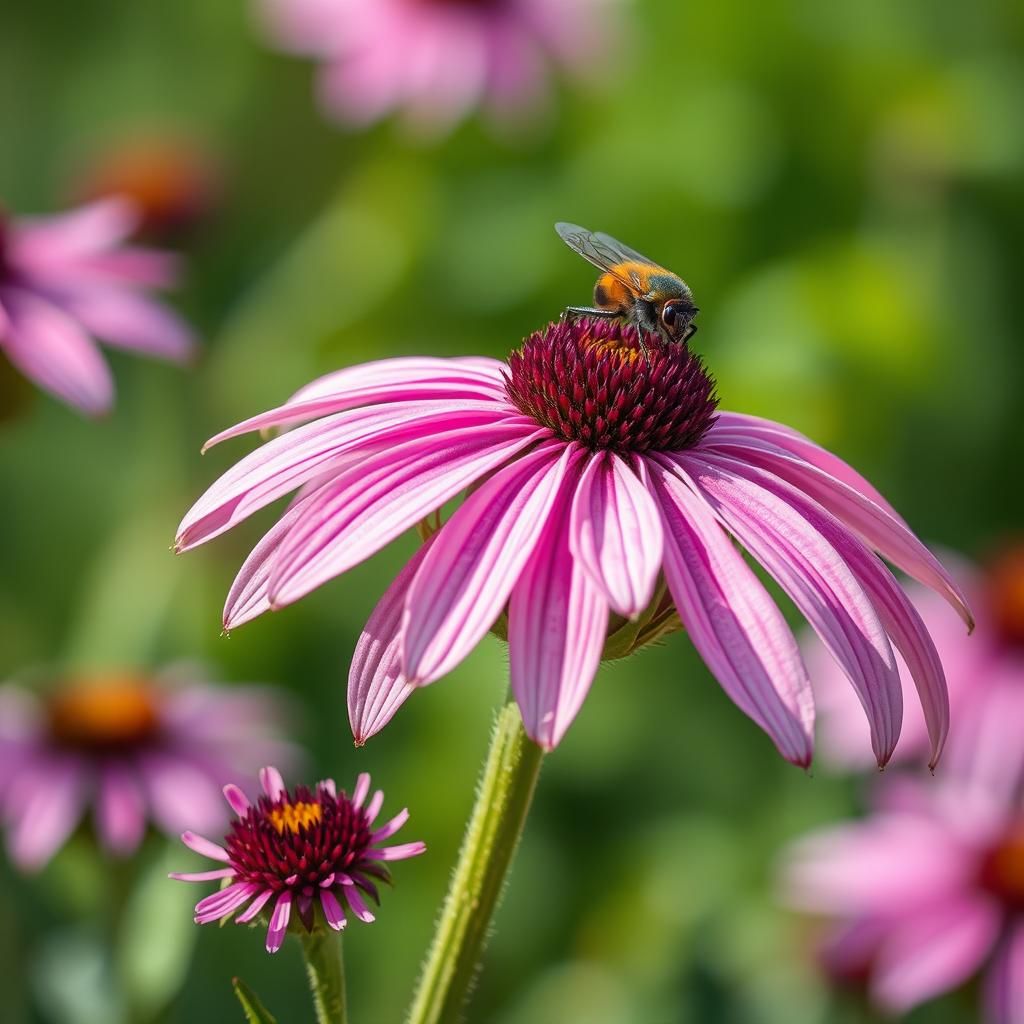
Echinacea, a popular herb known for its immune-boosting properties, has garnered attention for its potential to repel insects as well. Many people wonder whether this herbal remedy can serve a dual purpose: enhancing health while keeping pesky bugs at bay. With the rise of natural alternatives to chemical repellents, Echinacea's reputation is on the line. In this article, we will delve into the scientific studies and traditional uses surrounding Echinacea to uncover the truth about its effectiveness in insect repulsion. Readers will learn whether they can rely on this beloved herb to protect them from bothersome bugs.
Does Echinacea Keep Bugs Away?
Echinacea, a well-known herbal remedy primarily used for its immune-boosting properties, has also been suggested as a natural insect repellent. The plant contains compounds such as cichoric acid and echinacoside, which may possess some insect-repelling properties. Research on this topic is limited, but anecdotal evidence suggests that some insects, particularly mosquitoes and ticks, may be deterred by the scent of Echinacea. However, while Echinacea can contribute to a garden's biodiversity and attract beneficial insects, its effectiveness as a standalone bug repellent is not well-established in scientific literature.
What is Echinacea?
Echinacea, commonly referred to as coneflower, is a group of flowering plants in the daisy family, native to North America. It is renowned for its medicinal properties, particularly in boosting the immune system and combating colds and infections. The plant's active compounds, including flavonoids, polysaccharides, and phenolic acids, contribute to its health benefits and may also influence its interaction with insects.
How Does Echinacea Work Against Bugs?
While Echinacea is primarily valued for its immune-enhancing effects, some studies indicate that it may contain compounds that produce a scent unpleasant to certain insects. This phenomenon occurs as a result of the plant's natural defense mechanisms, which can deter herbivores and pests. However, the effectiveness of Echinacea as an insect repellent would likely need to be supplemented with other natural repellents for optimal results.
Are There Scientific Studies on Echinacea's Effectiveness as an Insect Repellent?
Currently, there is limited scientific research directly linking Echinacea with insect-repelling properties. Most studies focus on its health benefits rather than its role as a bug deterrent. However, some preliminary research has explored the overall effects of various herbal extracts on insect behavior, suggesting that further studies could be beneficial in determining Echinacea's effectiveness against specific insect species.
Which Insects Are Affected by Echinacea?
Echinacea may have potential effects against common pests like mosquitoes, ticks, and other garden insects. However, the extent of its effectiveness varies widely and may not be substantial compared to conventional insect repellents. Anecdotal evidence suggests that individuals using Echinacea-infused products have experienced fewer insect encounters, but this is largely unverified through rigorous scientific testing.
Alternative Natural Insect Repellents
In addition to Echinacea, several other natural insect repellents can be effective in keeping bugs away. Ingredients like citronella, lavender, and peppermint oils are widely regarded for their insect-repellent properties. Combining Echinacea with these alternatives may enhance repellent effectiveness, providing a more comprehensive approach to pest management in both gardens and living spaces.
| Insect | Effectiveness of Echinacea | Alternate Repellents |
|---|---|---|
| Mosquitoes | Limited Research | Citronella, Lavender Oil |
| Ticks | Anecdotal Evidence | Peppermint Oil, Lemon Oil |
| Flies | Not Established | Vinegar, Essential Oils |
| Ants | Uncertain | Cinnamon, Borax |
| Bed Bugs | No Evidence | Natural Traps & Diatomaceous Earth |
Does echinacea repel bugs?

Echinacea, commonly known for its immune-boosting properties, is often queried regarding its ability to repel insects. While it is not widely recognized as a bug repellent in scientific literature, some sources suggest it might possess certain qualities that can deter pests. However, concrete evidence supporting the claim that echinacea effectively repels bugs is limited. The effectiveness of any plant in repelling insects largely depends on the type of insect, the method of application, and the concentration of the active compounds present in the plant.
What is Echinacea?
Echinacea is a genus of flowering plants in the daisy family, native to North America. It is well-known for its use in herbal medicine, particularly for enhancing immune response and reducing symptoms of colds and flu. The key active compounds in echinacea include alkamides, polysaccharides, and glycoproteins.
See also:
- Botanical Characteristics: Echinacea species, such as Echinacea purpurea and Echinacea angustifolia, are recognized for their vibrant purple flowers and long stems.
- Health Benefits: Traditionally, echinacea is used to combat respiratory infections, boost immunity, and as a general health tonic.
- Active Ingredients: The chemical constituents are thought to be responsible for its medicinal properties, potentially influencing insect behavior as well.
Do Plants Repel Insects?
Certain plants are known for their natural insect-repelling properties. These plants release specific compounds that can deter pests, either through scent, taste, or physiological effects on the insects.
- Chemical Defenses: Many plants produce essential oils that disrupt the sensory receptors of insects, making them less attracted to the plant.
- Plant Families: Specific families, like the mint family (Lamiaceae) and the composite family (Asteraceae), often contain species that serve as effective insect repellents.
- Application Methods: Insect repellent properties can be harnessed through essential oils, extracts, or even companion planting in gardens.
Studies on Echinacea and Insect Repellency
Research on echinacea's role in insect repellency is not extensive. Most studies focus on its medicinal properties rather than its ability to deter insects.
- Limited Research: The existing studies primarily evaluate the antimicrobial and immune-boosting properties of echinacea rather than its effects on insects.
- Natural Compounds: Some compounds found in echinacea, such as alkamides, could theoretically have properties that affect insects, but research is lacking.
- Comparison with Other Plants: Other herbs like citronella or lavender have been extensively studied for insect repellency, unlike echinacea.
Practical Uses of Echinacea in Gardens
While echinacea may not be a primary option for insect repelling, it can still play a role in creating a diverse garden ecosystem.
- Attracting Beneficial Insects: Echinacea can attract pollinators like bees and butterflies, which are essential for a healthy garden.
- Encouraging Biodiversity: A diverse plant community can naturally curb pest populations through the support of predatory insects.
- Complementary Planting: Planting echinacea alongside known insect-repelling plants can enhance overall effectiveness in deterring pests.
Alternative Natural Insect Repellents
If the goal is to repel insects, there are alternative natural insect repellents that have more proven efficacy.
- Citronella Grass: Known for its strong lemon scent, citronella oil is widely recognized for repelling mosquitoes and other biting insects.
- Lemongrass: Similar to citronella, lemongrass contains citronella as well and is effective against various pests.
- Neem Oil: Derived from the seeds of the neem tree, this oil is known to disrupt the life cycle of many insects and is commonly used in organic farming.
What does echinacea attract?
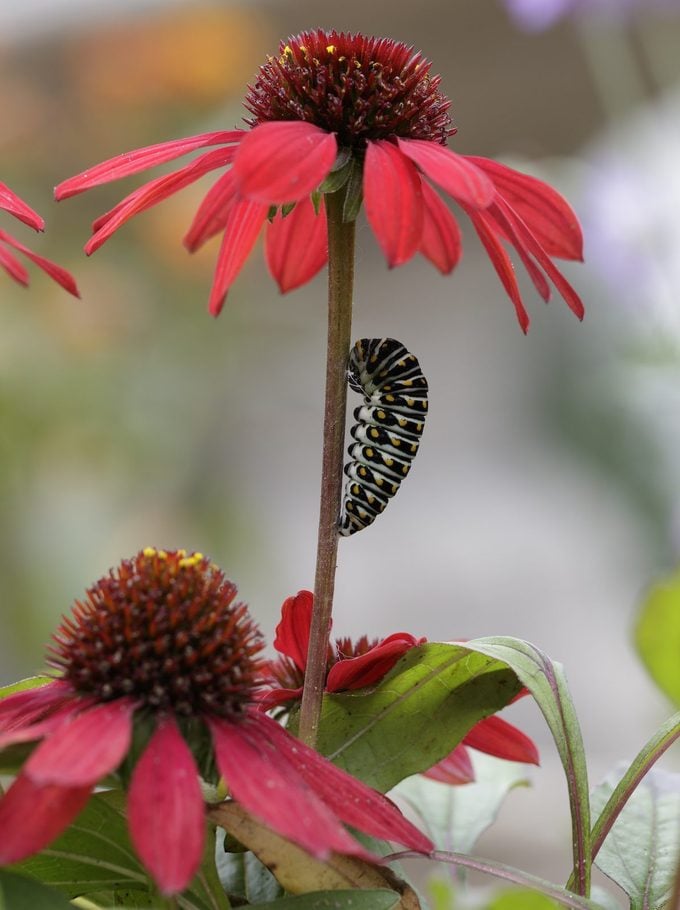
Echinacea, commonly known as coneflower, is a popular herb known for its medicinal properties and stunning appearance in gardens. One of the intriguing aspects of echinacea is the variety of wildlife it attracts. This plant acts as a magnet for several beneficial insects and creatures, which play a vital role in the ecosystem.
Pollinators
Echinacea is particularly known for attracting a diverse array of pollinators. The vibrant petals of the echinacea flower make it an appealing stop for various species.
- Bees: Both honeybees and native bee species are drawn to echinacea for its nectar, which is a crucial food source.
- Butterflies: Various butterfly species, including swallowtails and monarchs, visit echinacea for nectar, aiding in pollination.
- Moths: Night-flying moths are also attracted to the echinacea flowers, contributing to nighttime pollination.
Beneficial Insects
In addition to pollinators, echinacea attracts a range of beneficial insects that can aid in pest control.
- Ladybugs: These insects love to feast on aphids, helping to keep pest populations in check.
- Hoverflies: Their larvae consume aphids and other harmful insects, making them excellent allies in the garden.
- Praying mantises: These predators will hunt a variety of pests in the area, contributing to a healthier ecosystem.
Birds
Once the flowering season is over, echinacea plants produce seed heads that are particularly attractive to several bird species.
- Goldfinches: These birds often visit echinacea plants to feast on the seeds, making them a delight to watch in gardens.
- Sparrows: Various sparrow species are also known to enjoy the seeds, adding to the diversity of wildlife in the area.
- Chickadees: These small birds will forage among echinacea plants for seeds, contributing to the garden's ecosystem.
Small Mammals
Small mammals are also intrigued by the seeds of echinacea. These creatures play an essential role in seed dispersal.
See also:
- Squirrels: These agile animals not only eat the seeds but also help in spreading them, allowing echinacea to grow in new areas.
- Rabbits: While they might nibble on the leaves, their presence often indicates a vibrant ecosystem.
- Chipmunks: These small mammals often collect seeds, further aiding in the plant's propagation.
Beneficial Soil Microorganisms
Finally, the presence of echinacea can encourage a diverse community of soil microorganisms, which are crucial for soil health.
- Mycorrhizal fungi: These beneficial fungi form symbiotic relationships with echinacea roots, aiding in nutrient absorption.
- Bacteria: Various bacteria thrive in the rhizosphere of echinacea, contributing to soil health and fertility.
- Worms: Earthworms and other soil-dwelling organisms benefit from the organic matter provided by decaying echinacea leaves and stems.
What are the best herbs to keep bugs away?

Using herbs to repel pests is a natural and effective method that many people have adopted for home and garden protection. Various herbs emit scents that insects find off-putting, making them a popular choice for gardeners and homeowners seeking to reduce pest populations. Here are some of the best herbs that can aid in keeping bugs away:
1. Basil
Basil is not only a popular culinary herb but also an effective insect repellent. Its strong smell can deter flies and mosquitoes, making it a common choice for gardens and patios. Planting basil in your garden can help keep these annoying insects at bay.
- Deters flies due to its potent aroma.
- Effective against mosquitoes, enhancing outdoor comfort.
- Easily grown in pots or garden beds.
2. Lavender
Lavender is well-known for its soothing fragrance, but it also serves as a superb repellent for moths, fleas, and mosquitoes. Its oil can be used in sachets or sprays to keep bugs away from clothing and living spaces, making it a versatile herb for pest control.
- Natural insect repellent for multiple pests.
- Aromatic properties that beautify gardens.
- Can be dried and used in sachets for homes.
3. Mint
Mint is another potent herb known for its ability to attract beneficial insects while repelling pests such as ants, spiders, and mosquitoes. Its vigorous growth makes it essential to plant in contained areas.
- Repels ants effectively, preventing infestations.
- Discourages mosquitoes from invading outdoor spaces.
- Grows rapidly and can spread easily if not managed.
4. Rosemary
Rosemary not only adds flavor to dishes but also acts as a deterrent for certain insects, including mosquitoes and some beetles. It thrives in sunny locations, making it an excellent choice for herb gardens placed in sunny spots.
- Enhances culinary dishes while repelling pests.
- Thrives in sunny areas, easy to maintain.
- Strong scent that is unappealing to many bugs.
5. Sage
Sage is another herb that helps repel insects, particularly flies and moths. When burned, sage releases a strong aroma that is known to deter pests, making it popular for outdoor spaces and during gatherings.
- Repels flies effectively with its strong scent.
- Can be burned for additional pest deterrent effects.
- Versatile use in both gardens and kitchen.
Questions from Our Readers
Does echinacea repel insects?
Echinacea is primarily known for its immune-boosting properties rather than its effectiveness as an insect repellent. While some studies suggest that it may have certain compounds that can deter insects, it is not widely recognized as a reliable method for keeping bugs away.
Can echinacea be used in homemade bug sprays?
Yes, echinacea can be incorporated into homemade bug sprays, but its effectiveness may vary. Essential oils derived from echinacea could be mixed with other natural repellents to potentially enhance their ability to keep bugs away, although more research is needed for proof of efficacy.
See also:
Is there scientific evidence supporting echinacea's insect-repelling abilities?
Currently, there is limited scientific evidence that directly supports the idea that echinacea effectively repels insects. Most research focuses on its health benefits, particularly for the immune system, rather than its role as an insect deterrent.
What are alternative natural insect repellents?
There are several natural insect repellents that are known to be more effective than echinacea, including citronella, lemongrass, and peppermint oil. These substances have been shown in various studies to provide better protection against common pests like mosquitoes and flies.

If you want to read more articles like Does Echinacea Keep Bugs Away? Discover the Truth About This Popular Herb, we recommend you check out our Echinacea category.
Leave a Reply
Related Articles