Does Echinacea Spread? Exploring Growth Patterns and Care Tips
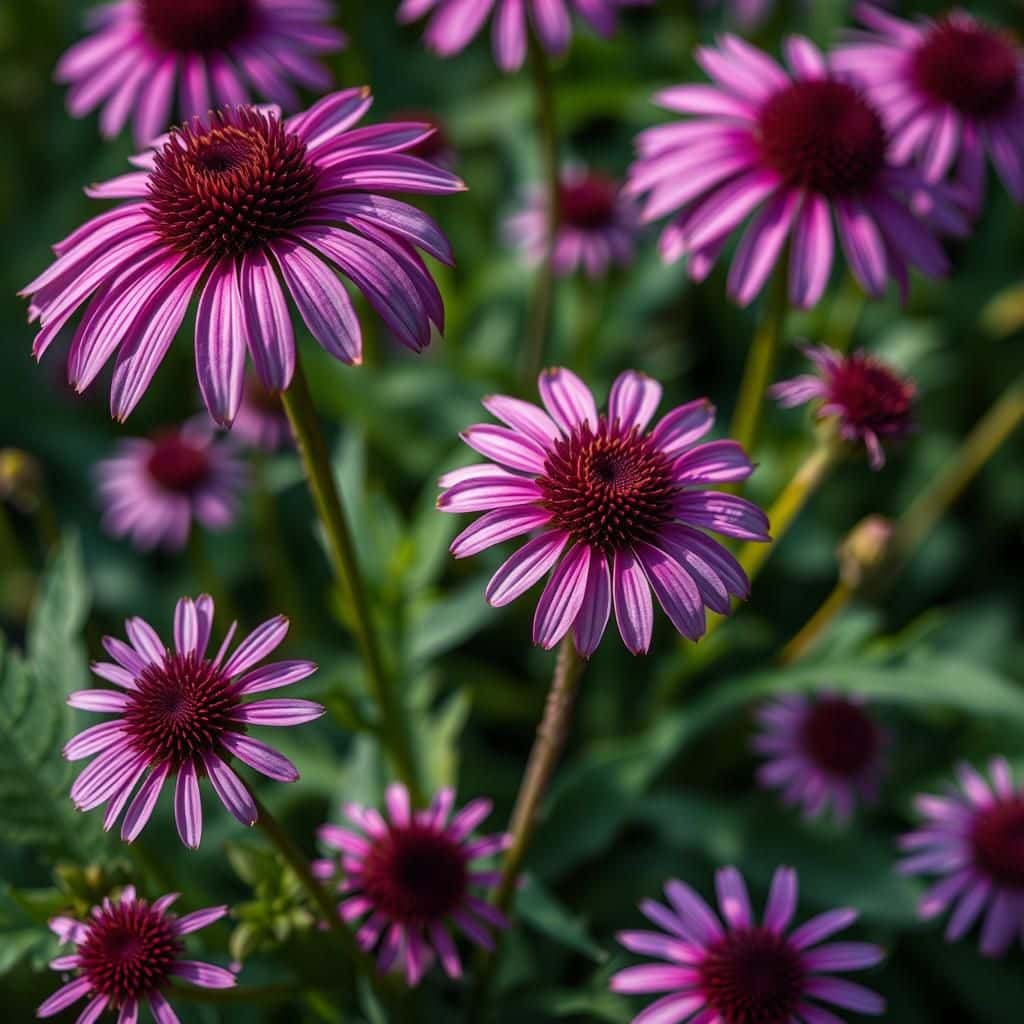
Echinacea, known for its vibrant blooms and immune-boosting properties, has gained popularity among gardeners and herbal enthusiasts alike. However, one question often arises: does Echinacea spread easily in the garden? Understanding its growth patterns and propagation methods is essential for successful cultivation. In this article, we will explore the natural spreading tendencies of Echinacea, factors that influence its growth, and essential care tips to promote a thriving garden. Whether you’re a seasoned gardener or a newcomer, this guide will provide valuable insights into maximizing the potential of Echinacea in your landscape.
Does Echinacea Spread?
Echinacea, a popular herb known for its immune-boosting properties, primarily spreads through seed production and root division. While Echincea plants can reproduce by self-seeding, they require suitable environmental conditions such as ample sunlight, well-drained soil, and moderate moisture for optimal growth and spread. Their rhizomatous nature allows them to develop new shoots from their roots, contributing to the expansion of the plant population in a designated area. In cultivated settings, gardeners often supplement natural spread by dividing mature clumps and replanting them to establish new colonies of Echinacea.
Methods of Echinacea Propagation
Echinacea can be propagated through seeds or vegetative methods such as division and cuttings. Seed propagation is most common and involves collecting and sowing seeds directly in the garden or starting them indoors. This method allows for genetic diversity. On the other hand, division involves separating established clumps of Echinacea into smaller sections, which are then replanted. This method is often used to maintain the characteristics of a particular cultivar and can result in faster growth.
Environmental Conditions for Growth
For Echinacea to thrive and adequately spread, it requires a full sun location with at least six hours of direct sunlight daily. It also prefers well-drained soils that are rich in organic matter. Planting in areas with good air circulation helps prevent disease and promotes healthier growth. Consistent moisture levels are necessary, yet overwatering should be avoided, as it can lead to root rot and impede the plant's ability to establish itself.
Seed Collection and Germination
After Echinacea flowers have bloomed, they produce seed heads that can be harvested in late summer or early fall. These seeds can be collected once they become dry and brown. To germinate Echinacea seeds, a period of cold stratification is often beneficial, mimicking winter conditions that trigger dormancy to break. Seeds should be sown in high-quality seed-starting mix, kept moist, and provided with light until they germinate in early spring.
Challenges to Echinacea Spread
While Echinacea is generally resilient, various challenges can hinder its spread, including pest infestations and disease. Common pests include aphids and spider mites, which can damage the foliage. Additionally, fungal infections such as powdery mildew can affect plant health. Sustainable gardening practices, such as crop rotation and the introduction of beneficial insects, can help mitigate these challenges and promote a healthy environment for Echinacea to flourish.
See also:
Using Echinacea in Landscaping
Integrating Echinacea into landscaping can create a visually appealing environment while supporting local pollinators like bees and butterflies. These perennial plants bloom in summer, offering vibrant colors that attract wildlife. When planted in massed groups, they can form effective natural borders or focal points in a garden. Their low maintenance requirements make them an excellent choice for sustainable landscaping, contributing to biodiversity while enhancing aesthetic value.
| Method | Description |
|---|---|
| Seed Propagation | Involves collecting and sowing seeds, allowing for genetic diversity. |
| Division | Involves splitting established clumps to quickly create new plants. |
| Cuttings | Create new plants by taking sections of stems from existing plants. |
| Environmental Needs | Requires full sun, well-drained soils, and consistent moisture. |
| Challenges | Pest issues and diseases can hinder spread; sustainable practices are key. |
Does Echinacea spread on its own?

Echinacea, commonly known as coneflower, is a popular perennial plant known for its medicinal properties and vibrant flowers. When considering whether Echinacea spreads on its own, it's essential to understand its growth habits and reproductive strategies.
Natural Propagation
Echinacea can spread naturally through several methods, including self-seeding and rhizome growth. This plant produces seeds after flowering, which can fall to the ground and germinate in the surrounding area. Given the right conditions, this can lead to new plants growing nearby without any human intervention.
- Self-Seeding: Echinacea plants produce seeds that can scatter and grow into new plants.
- Reproduction from Rhizomes: Some varieties of Echinacea develop underground stems (rhizomes) that allow them to spread horizontally.
- Seed Dormancy: The seeds can remain dormant in the soil until conditions are optimal for germination.
Factors Influencing Echinacea Spread
Several factors can influence how effectively Echinacea spreads on its own. Soil quality, amount of sunlight, and moisture levels all play crucial roles in the survival and proliferation of the plants.
See also:
- Soil Quality: Echinacea generally thrives in well-drained soil that is rich in nutrients. Poor soil can limit its growth.
- Sunlight: This plant requires full sun to flourish. Insufficient light can hinder its ability to grow and self-seed effectively.
- Moisture Levels: Echinacea prefers moderate moisture levels. Excess water or drought can adversely affect its spread.
Benefits of Self-Propagation
Allowing Echinacea to spread on its own can have several advantages, contributing to the health of the garden or ecosystem where it grows.
- Pollination Opportunities: The presence of more Echinacea plants can attract pollinators, enhancing biodiversity.
- Natural Habitat Creation: Self-propagation can help in creating a natural habitat for various wildlife.
- Cost-Effective Gardening: Encouraging natural spread reduces the need for purchasing new plants, saving money for gardeners.
Challenges of Echinacea Self-Spread
While Echinacea can effectively spread on its own, there are also challenges and potential drawbacks to this method of propagation.
- Overcrowding: Echinacea may spread too much in some areas, leading to competition for resources among plants.
- Genetic Diversity: Limited genetic variation from self-seeding can lead to weaker plants over time.
- Invasive Behavior: In some environments, Echinacea may become invasive, disrupting local ecosystems.
Best Practices for Cultivating Echinacea
For those looking to encourage the natural spread of Echinacea, following specific best practices can enhance its growth while minimizing issues.
- Regular Maintenance: Performing regular maintenance, such as deadheading spent flowers, can promote more blooms and encourage self-seeding.
- Providing Adequate Space: Allow sufficient space between plants to minimize overcrowding and competition.
- Monitoring Soil Health: Regularly assess soil quality and amend it as necessary to support robust growth of Echinacea.
Questions from Our Readers
Does echinacea spread easily in gardens?
Echinacea can spread moderately in gardens, as it is a perennial plant that can produce seeds. Once established, it may self-sow in nearby areas, but its spread is generally controlled unless intentionally propagated.
Can echinacea propagate through its roots?
Yes, echinacea can also propagate through its roots, as some species can develop rhizomes that may lead to new plants emerging nearby. However, this method of propagation is less common compared to seed dispersal.
Is echinacea considered invasive in some regions?
Echinacea is not typically considered invasive, but in some favorable conditions, it can naturalize and become widespread. It’s important to monitor its growth in non-native regions to prevent monopolizing local flora.
See also:
How can one manage the spread of echinacea in a garden?
To manage the spread of echinacea, gardeners can regularly deadhead flowers to prevent seed formation and carefully control the planting areas to contain its growth, ensuring it doesn’t overwhelm other plants.

If you want to read more articles like Does Echinacea Spread? Exploring Growth Patterns and Care Tips, we recommend you check out our Echinacea category.
Leave a Reply
Related Articles