What Not to Plant with Echinacea? Essential Companion Planting Tips for Your Garden

When planning a garden, it’s crucial to consider not just what to plant but also what to avoid planting together. Echinacea, known for its vibrant blooms and medicinal properties, can be a stunning addition to any garden. However, certain plants can hinder its growth or affect its health. Understanding companion planting principles can help gardeners make informed decisions to create a thriving ecosystem. In this article, we’ll explore what not to plant with Echinacea, offering essential tips to maximize your garden's potential while ensuring your coneflowers flourish alongside their best companions.
What Not to Plant with Echinacea?
When planning a garden that includes Echinacea, or coneflower, it's crucial to consider the companion plants that may hinder its growth or overall health. This perennial flower thrives in full sun and well-drained soil, but certain plants can compete for nutrients or water, potentially stunting its growth. For instance, species that prefer high moisture or shade can overshadow or drown out Echinacea, leading to decreased flower production and increased susceptibility to diseases. It's best to avoid planting Echinacea alongside highly invasive plants or those with a similar nutrient draw, to ensure a flourishing display in your garden.
Invasive Species to Avoid
Invasive species can quickly dominate a garden, outcompeting plants like Echinacea for nutrients and sunlight. Plants such as mint, bamboo, or kudzu can take over the space intended for Echinacea, leading to poor growth and health. These plants spread rapidly and can limit the ability of Echinacea to thrive, making their coexistence problematic. To maintain a balanced garden ecosystem, it’s best to steer clear of these aggressive growers.
Shade-Loving Plants
Plants that thrive in low-light conditions can inhibit the growth of Echinacea, which requires full sun for optimal blooming. Examples of such plants include ferns and certain types of hostas. When grown in the same environment, these shade-loving varieties will absorb much of the available sunlight, creating competition that can lead to decreased flower production and overall vigor in your Echinacea plants.
High Moisture Requirements
Echinacea prefers well-drained soil and is susceptible to rot if planted with species requiring high moisture. Plants such as caladium or astilbe, which thrive in consistently damp areas, can create waterlogged conditions detrimental to Echinacea. Overly wet soil can lead to root rot and fungal infections, causing significant damage to your Echinacea plants.
Nutrient-Heavy Companions
Companion plants that have heavy nutrient requirements can sap vital minerals from the soil, affecting Echinacea's growth. Plants like tomatoes and corn tend to demand more nutrients than Echinacea, potentially leading to nutrient depletion in the common soil. This imbalance can result in weaker plants and reduced flowering, making it advisable to pair Echinacea with less demanding companions.
Plants Susceptible to Similar Pests and Diseases
Certain plants can invite pests and diseases that also afflict Echinacea, creating a pathway for infestations. For example, plants such as zinnia or aster may attract shared pests like aphids or diseases like powdery mildew. Planting these alongside Echinacea increases the risk of spreading these problems, which can compromise the health of all plants involved.
| Category | Examples | Reason for Avoidance |
|---|---|---|
| Invasive Species | Mint, Bamboo, Kudzu | Outcompete for nutrients and space |
| Shade-Loving Plants | Ferns, Hostas | Reduce sunlight availability |
| High Moisture Needs | Caladium, Astilbe | Risk of waterlogging and root rot |
| Nutrient-Heavy Plants | Tomatoes, Corn | Diminish soil nutrients |
| Similar Pest Hosts | Zinnia, Aster | Attract shared pests and diseases |
What should you not plant with Echinacea?
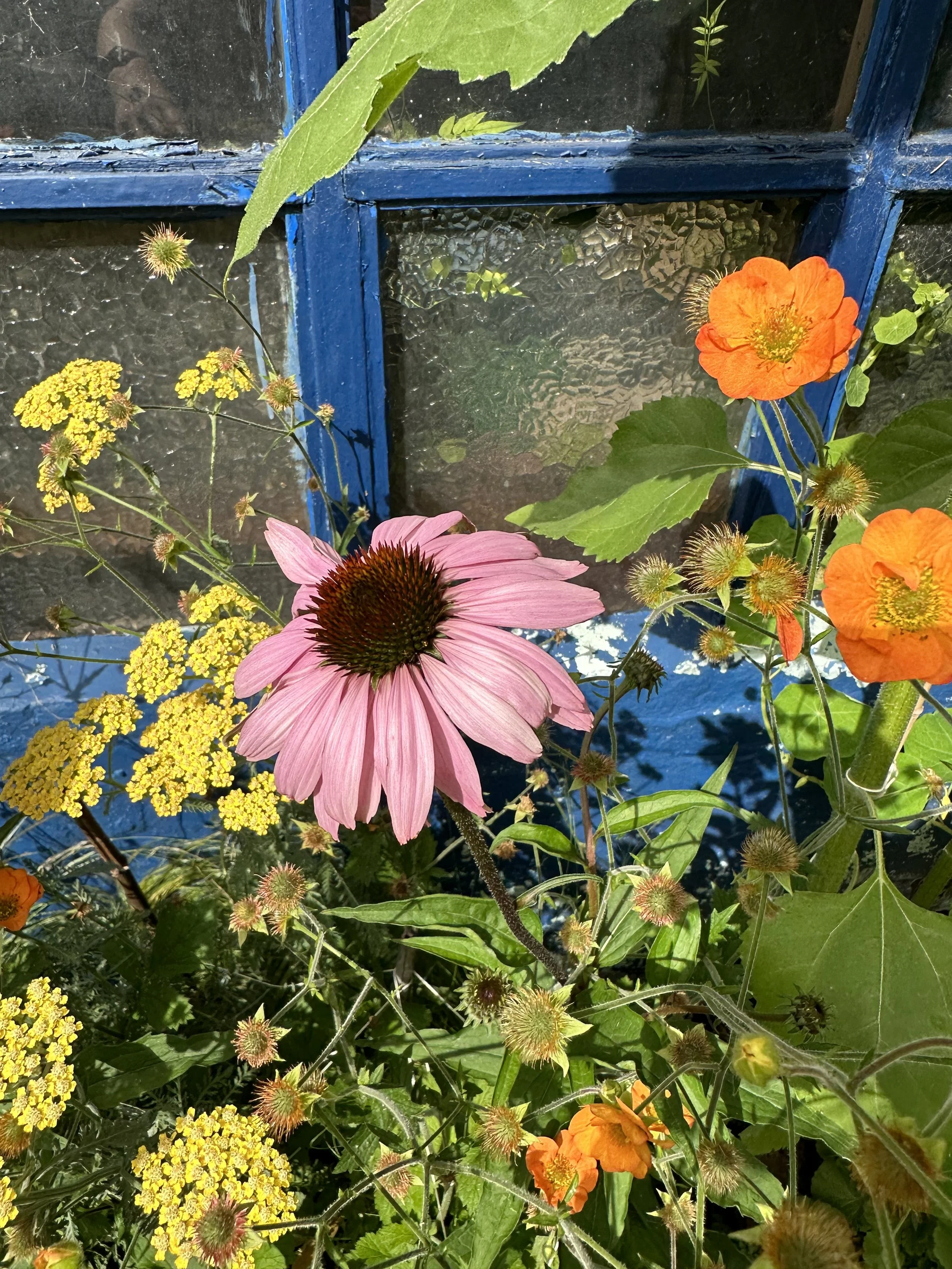
Echinacea, commonly known as coneflower, is a popular perennial that offers beautiful blooms and attracts pollinators. However, certain plants do not thrive well alongside Echinacea. When planning your garden, it's crucial to consider companion planting to ensure the health and growth of your Echinacea. Here are some plants you should avoid planting with Echinacea.
1. Impatiens
Impatiens are often chosen for their bright flowers, but they can compete with Echinacea for resources. Both plants require adequate moisture and nutrients, but Impatiens thrive in shaded conditions while Echinacea prefers full sun. This discrepancy can lead to poor growth for both plants.
See also:
- Impatiens prefer moist, shaded conditions.
- Echinacea requires full sunlight to bloom effectively.
- Competition for water and nutrients can hinder plant health.
2. Monarda (Bee Balm)
Monarda, also known as bee balm, is a fragrant plant that attracts similar pollinators as Echinacea. Planting them together can lead to cross-pollination and disease transmission, as both can be susceptible to the same pathogens, such as powdery mildew.
- Both plants attract similar pollinators, which could encourage pest issues.
- They can share diseases like powdery mildew.
- Planting together may create an environment conducive to pests.
3. Mint
Mint is known for its vigorous growth and can quickly take over a garden space. If planted alongside Echinacea, mint can overshadow the coneflower and monopolize resources such as water and nutrients, stunting its growth.
- Mint's growth can overwhelm Echinacea.
- It competes for sunlight and nutrients, damaging Echinacea's development.
- Mint can lead to a cluttered garden, reducing aesthetic appeal.
4. Fennel
Fennel releases alleopathic chemicals that can inhibit the growth of nearby plants, including Echinacea. These chemicals can affect the soil health and growth patterns of Echinacea, leading to poor performance and health issues.
- Fennel may negatively impact the soil ecosystem.
- Allelopathic properties can stunt the growth of Echinacea.
- Planting fennel nearby can lead to reduced yields of Echinacea flowers.
5. Potatoes
Potatoes are heavy feeders that require significant nutrients, which they can deplete from the soil. This competition for nutrients can weaken Echinacea, resulting in decreased vigor and flowering.
- Potatoes absorb many nutrients, leaving Echinacea deficient.
- Both plants have different watering needs, leading to potential over- or under-watering.
- Competing root systems can lead to stunted growth for Echinacea.
What not to mix with Echinacea?
Echinacea is a popular herbal remedy known for its purported benefits in boosting the immune system and combating common colds. However, there are certain substances and medications that should not be mixed with echinacea due to potential interactions or adverse effects. Here’s a detailed look at what to avoid when using echinacea.
1. Immunosuppressants
Using echinacea alongside immunosuppressant medications can compromise their effectiveness. Echinacea is thought to stimulate the immune system, which may counteract the intended effects of these drugs. It's essential to be cautious if you are undergoing treatment that involves:
- Chronic illnesses: Conditions like HIV/AIDS, cancer, or organ transplant recipients may require immunosuppressants.
- Medications: Common immunosuppressants include corticosteroids and drugs like cyclosporine.
- Monitoring: Always consult a healthcare provider before combining treatments.
2. Certain Antibiotics
Some studies suggest that echinacea may interact with certain antibiotics, potentially affecting their efficacy. This is due to the way echinacea can influence liver enzymes responsible for drug metabolism. Be cautious with:
- Tetracyclines: Echinacea can reduce the effectiveness of these antibiotics.
- Macrolides: Interference in the metabolism may lead to increased side effects.
- Consultation: Talk to your healthcare provider for alternatives if you are prescribed these medications.
3. Other Herbal Supplements
While herbal remedies can provide health benefits, combining them with echinacea may lead to unpredictable interactions. Some herbs can enhance or counteract the effect of echinacea:
- St. John’s Wort: May affect serotonin levels and lead to increased side effects.
- Garlic: While beneficial for health, it may affect blood thinning and immunity.
- Consult Expert: Always seek advice from a knowledgeable herbalist or healthcare provider.
4. Caffeine
Combining echinacea with caffeine may lead to increased nervousness or restlessness. Caffeine is a stimulant, which can affect your body’s overall response to herbal remedies. Consider the following:
See also:
- Potential Side Effects: Increased heart rate or anxiety if taken in large amounts.
- Individual Sensitivity: Different people respond differently to caffeine; some may experience heightened effects.
- Moderation: If consuming caffeine, consider limiting your intake while taking echinacea.
5. Alcohol
Combining echinacea with alcohol can lead to several undesirable effects. Alcohol can suppress the immune system, which counters the benefits associated with echinacea. Be aware of the following:
- Reduced Effectiveness: Alcohol may negate the immune-boosting effects of echinacea.
- Increased Side Effects: Risk of increased drowsiness or dizziness when taken together.
- Health Risks: Excessive alcohol consumption poses its own risks and can complicate treatment.
What perennials should not be planted together?
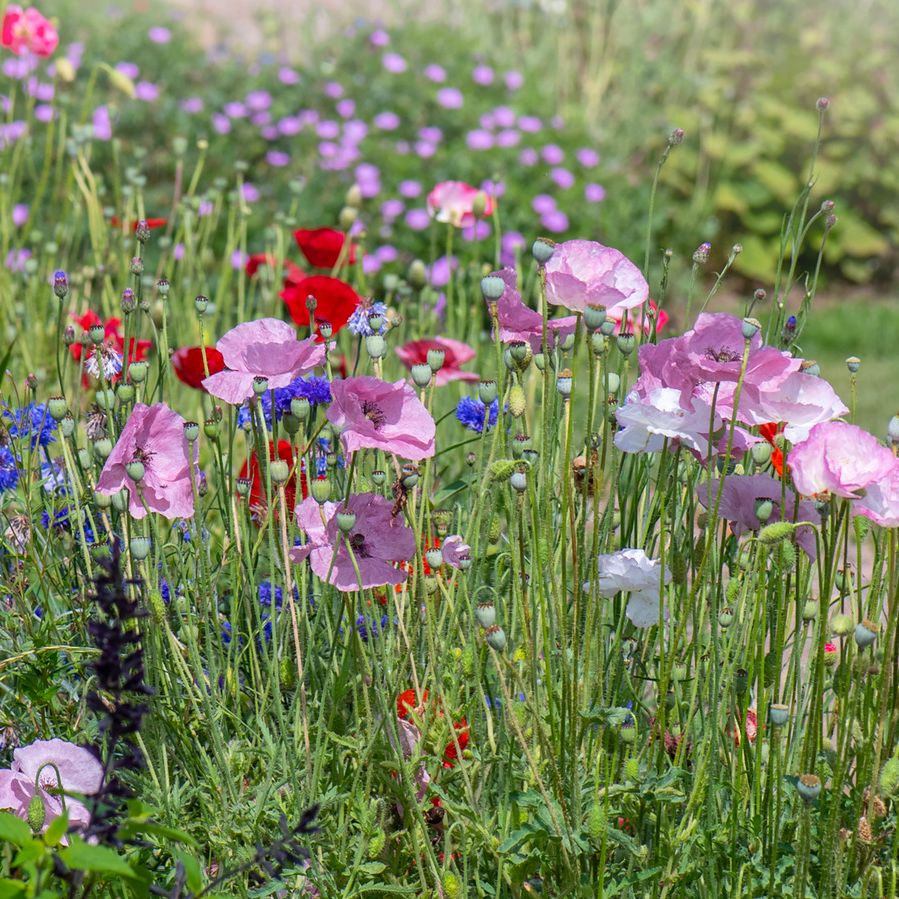
There are several perennials that should not be planted together due to their differing needs for water, light, and soil conditions. Mixing plants with conflicting requirements can lead to poor growth, diseases, and may even harm the overall health of the garden. Below are some specific combinations to avoid, as well as general guidelines to help in planning perennial gardens.
Incompatible Water Requirements
Many perennials thrive under different moisture conditions, making it critical to group plants with similar needs together. For instance:
- Cacti should not be planted with ferns as ferns require consistently moist soil, while cacti prefer arid conditions.
- Daylilies and Astilbe should also be separated; Daylilies tolerate drought while Astilbe flourishes in wet soil.
- Lavender and Hostas pose another incompatible duo; Lavender needs dry conditions, whereas Hostas thrive in moist environments.
Conflicting Light Requirements
Light is crucial for healthy plant growth, and some perennials prefer full sun while others thrive in shady areas. Here are a few to avoid mixing:
- Black-eyed Susans (full sun) should not be combined with Bleeding Hearts (preferring shade).
- Coreopsis performs best in full sun, while ferns generally require less direct light.
- Echinacea and Astilbe are not good companions; Echinacea enjoys sunny spots, while Astilbe prefers shady, moist environments.
Soil Condition Differences
Different perennials thrive in a range of soil types, impacting their growth and health. Here's a look at some that shouldn't be combined:
- Hostas prefer rich, well-drained soil, while Purple Coneflower does better in poorer, drier conditions.
- Peonies need well-draining soil high in organic matter, which is unsuitable for Daylilies that can adapt to varying conditions.
- Bee Balm, which thrives in moist, loamy soils, is not suitable with Yarrow, which prefers drier, sandy soils.
Pest and Disease Compatibility
Some perennials attract specific pests or are prone to diseases that can affect neighboring plants. Avoid these combinations:
- Rudbeckia can attract aphids, which may harm nearby Marigolds that are susceptible to these pests.
- Lilies can attract lily beetles which could spread to nearby Peonies.
- Phlox may suffer from powdery mildew, which can also affect neighboring plants like Astilbe.
Competing Growth Habits
Different growth habits can lead to competition for nutrients and space, making some perennials unsuitable companions. Key examples include:
- Monarda (Bee Balm) can become very invasive, possibly smothering more delicate plants like Lady's Mantle.
- Mint is notorious for its invasive growth and should definitely not be planted near less aggressive perennials like Heliopsis.
- Hostas, while not invasive, can overshadow and dominate space, outcompeting lower-growing perennials like Thyme.
Questions from Our Readers
What plants should be avoided when growing Echinacea?
Echinacea should not be planted alongside competitive plants that can overshadow its growth. Specifically, avoid planting it with tall perennials like delphiniums or sunflowers, which can inhibit Echinacea's access to sunlight.
Can Echinacea be planted with other members of the Asteraceae family?
While Echinacea belongs to the Asteraceae family, it is generally advisable to avoid planting it with other similar perennials from the same family, such as chrysanthemums or daisies, as they may compete for resources and lead to disease susceptibility.
See also:
Are there any vegetables that should not be planted with Echinacea?
Yes, it is best to avoid planting Echinacea near vegetables like cabbage or lettuce. These vegetables can attract pests that may also harm Echinacea, reducing your overall garden health.
What are the consequences of planting Echinacea with incompatible plants?
Planting Echinacea with incompatible plants can lead to stunted growth, reduced blooms, and increased susceptibility to pests and diseases. This can significantly impact the overall vitality and aesthetic appeal of your garden.

If you want to read more articles like What Not to Plant with Echinacea? Essential Companion Planting Tips for Your Garden, we recommend you check out our Echinacea category.
Leave a Reply
Related Articles