Do Tiger Lilies Like Full Sun or Shade? Discover the Best Growing Conditions!

Tiger lilies are a stunning addition to any garden, known for their vibrant flowers and unique appearance. As a gardener, understanding the optimal growing conditions for these striking plants is essential to achieving a thriving display. One common question arises: do tiger lilies prefer full sun or shade? In this article, we will explore the ideal environment for tiger lilies, examining their light requirements and other factors that contribute to their growth. By uncovering the best practices for cultivating these beautiful blooms, you can ensure your garden flourishes with the bold color and charm of tiger lilies.
Do Tiger Lilies Prefer Full Sun or Shade?
Tiger lilies thrive in full sun, which means they require at least six hours of direct sunlight daily to flourish. While they can tolerate some partial shade, especially in hotter climates, too much shade can hinder their growth and flowering capabilities. Proper sunlight exposure is critical for their health, as it enhances their ability to photosynthesize effectively. Additionally, adequate sunlight helps prevent issues such as disease and pest infestations, contributing to a more robust and vibrant plant.
Optimal Sunlight Conditions for Tiger Lilies
Tiger lilies perform best when planted in full sun settings, which provide them with ample light to grow and produce their characteristic orange blooms. To achieve optimal conditions, it is recommended that they should be placed in areas where they receive a minimum of six hours of direct sunlight each day. In somewhat overcast regions, they may still do well with slightly less sun, but it is essential to ensure they are not entirely shaded, as this can lead to weak growth and fewer flowers.
Effects of Partial Shade on Tiger Lilies
While tiger lilies can manage in partial shade, it is not their preferred environment. In areas that experience prolonged shade, they may grow taller in search of light, leading to weak stems and spindly flowers. Furthermore, these conditions can result in reduced blooming and a higher susceptibility to diseases due to lower air circulation. Essentially, while some shade can protect the plants during extreme heat, too much can adversely affect their overall health.
Soil and Watering Considerations
Regardless of the amount of sunlight, the health of tiger lilies also depends on well-drained soil and proper watering. They prefer loamy or sandy soils that retain moisture without becoming soggy. Overwatering, particularly in shadier spots, can lead to root rot. To support healthy growth, it's important to provide regular watering, allowing the soil to dry out slightly between sessions, particularly if the lilies are in full sun where evaporation rates are higher.
Ideal Planting Locations
When selecting a planting location for tiger lilies, aim for areas that have the ideal balance of sunlight and soil conditions. Ideally, they should be positioned in a south-facing garden bed where they can receive maximum sunlight exposure. If there's a need for some shade, consider planting them near taller plants or structures that provide intermittent cover rather than having them in shaded corners of the garden.
Seasonal Care Tips for Tiger Lilies
In terms of seasonal care, tiger lilies benefit from receiving full sunlight throughout their growing season, which typically spans from late spring to early autumn. It's crucial to monitor their sunlight exposure and adjust their positions if necessary, especially after winter. After blooming, it's recommended to deadhead the flowers and allow the foliage to remain until it naturally dies back, which helps in nutrient absorption for the following year.
| Light Requirement | Soil Type | Watering Needs |
|---|---|---|
| Full Sun | Loamy / Sandy | Regular, well-drained |
| Partial Shade | Avoid poor drainage | Monitor closely |
How do you keep tiger lilies blooming all summer?
:max_bytes(150000):strip_icc()/tiger-lily-bloom-bulbils-big-56a589203df78cf77288b3c7.jpg)
To ensure that tiger lilies bloom all summer long, you'll need to focus on several key aspects of care and maintenance. Here are some essential steps that will help you promote an extended blooming period for your tiger lilies.
Proper Planting Location
Choosing the right location for your tiger lilies is crucial for their growth and blooming. They thrive in areas that provide full sun to partial shade. A well-drained spot is necessary to prevent root rot.
See also:
- Find a location that receives at least 6 hours of sunlight daily.
- Avoid low-lying areas where water could accumulate after rainfall.
- Consider planting in sandy or loamy soil for better drainage.
Soil Preparation
Proper soil preparation is essential for the health of your tiger lilies. The soil needs to be rich in nutrients and well-drained to support vigorous growth and abundant flowers.
- Enrich the soil with organic compost or well-rotted manure before planting.
- Test the pH level of the soil, aiming for a range of 6.0 to 7.0 for optimal growth.
- Amend the soil with perlite or sand if it retains too much moisture.
Watering Techniques
Watering plays a significant role in the blooming process of tiger lilies. Correct watering techniques can promote healthy blooms and prevent stress on the plants.
- Water deeply and infrequently to encourage deep root growth.
- Water early in the morning to reduce evaporation and fungal diseases.
- Allow the top inch of soil to dry out before watering again to avoid overwatering.
Fertilization Schedule
Feeding your tiger lilies is crucial for maximizing their flowering potential. A balanced fertilizer helps promote growth and extends the blooming period.
- Use a balanced fertilizer, such as a 10-10-10 (N-P-K) formula, during the growing season.
- Apply fertilizer every 6-8 weeks during the summer months for continuous blooms.
- Follow the manufacturer's instructions to avoid over-fertilizing, which can hinder flowering.
Deadheading and Pruning
Regular deadheading and pruning are important practices to keep your tiger lilies blooming throughout the summer. This process encourages the plant to direct energy toward producing new flowers.
- Remove spent blooms promptly to encourage further blooming.
- Cut back any dead or damaged foliage to promote healthier growth.
- Consider dividing the bulbs every few years to prevent overcrowding, which can hinder blooming.
Do tiger lily bulbs multiply?
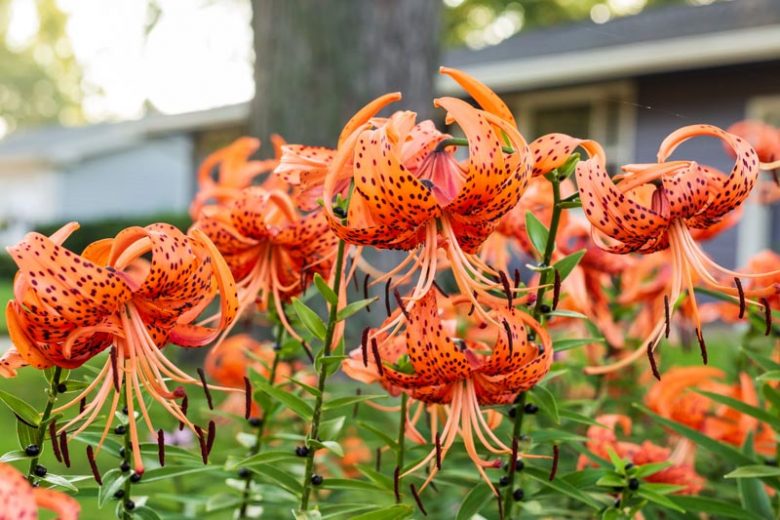
Yes, tiger lily bulbs do multiply, and they are known for their ability to produce offspring through various methods. The primary way they multiply is through the formation of bulbils, which are small bulbs that develop in the leaf axils of the plant. These bulbils can fall to the ground and grow into new plants, allowing the tiger lily to spread effectively. Additionally, tiger lilies can also reproduce by sexual reproduction through seeds, which is less common compared to vegetative means of propagation.
How Do Tiger Lily Bulbs Multiply?
Tiger lily bulbs multiply mainly through the production of bulbils. When environmental conditions are favorable, these small bulbs form at the base of the main bulb or along the stems. This vegetative reproduction is efficient, as it enables the plant to spread without relying on pollinators.
- Formation of Bulbils: In the leaf axils, bulbils are developed which can later sprout into new plants.
- Seeds: While less common, tiger lilies can also reproduce by forming seeds after flowering.
- Root Division: Mature bulbs can sometimes divide underground, leading to new bulb formation.
Conditions That Encourage Multiplication
Tiger lilies thrive in a variety of conditions that promote their multiplication. Ensuring the right environmental factors can enhance the production of bulbils and successful flowering.
- Soil Type: Well-drained, loamy soils tend to produce healthier tiger lilies.
- Moisture Levels: Adequate but not excessive moisture supports bulb growth.
- Sunlight: Full sun conditions encourage robust growth and flowering, leading to more bulbils.
Timing for Bulb Division
If you want to propagate tiger lilies manually, timing is crucial. The best time to divide the bulbs is typically in early spring or fall when the plants are not actively growing. Proper timing ensures that the bulbs can take root before the onset of heat or cold.
- Spring Division: Division in spring allows bulbs to establish before the growing season.
- Fall Division: Fall is another good time as it provides a resting period through winter.
- Healthy Bulbs: Only divide healthy bulbs that have flowered well in the previous season.
Challenges in Multiplication
While tiger lilies can multiply easily, certain challenges can hinder their growth and reproduction. These challenges can include pests, diseases, and environmental stressors that can negatively affect the bulbs.
See also:
- Pest Issues: Pests like aphids can damage the leaves and weaken the bulbs.
- Diseases: Fungal infections can rot the bulbs, leading to poor reproduction.
- Environmental Stress: Extreme temperatures can impact bulb health and reproductive capability.
Maintaining Healthy Tiger Lily Bulbs
To ensure that tiger lily bulbs continue to multiply successfully, maintaining their health is essential. Proper care involves the right balance of water, nutrients, and light, which will ultimately lead to more bulbils and flourishing plants.
- Regular Watering: Provide consistent moisture, especially during dry spells.
- Fertilization: Use balanced fertilizers to promote robust growth and vitality.
- Mulching: Apply mulch to maintain soil temperature and moisture levels, protecting the bulbs.
Do lilies grow better in pots or ground?
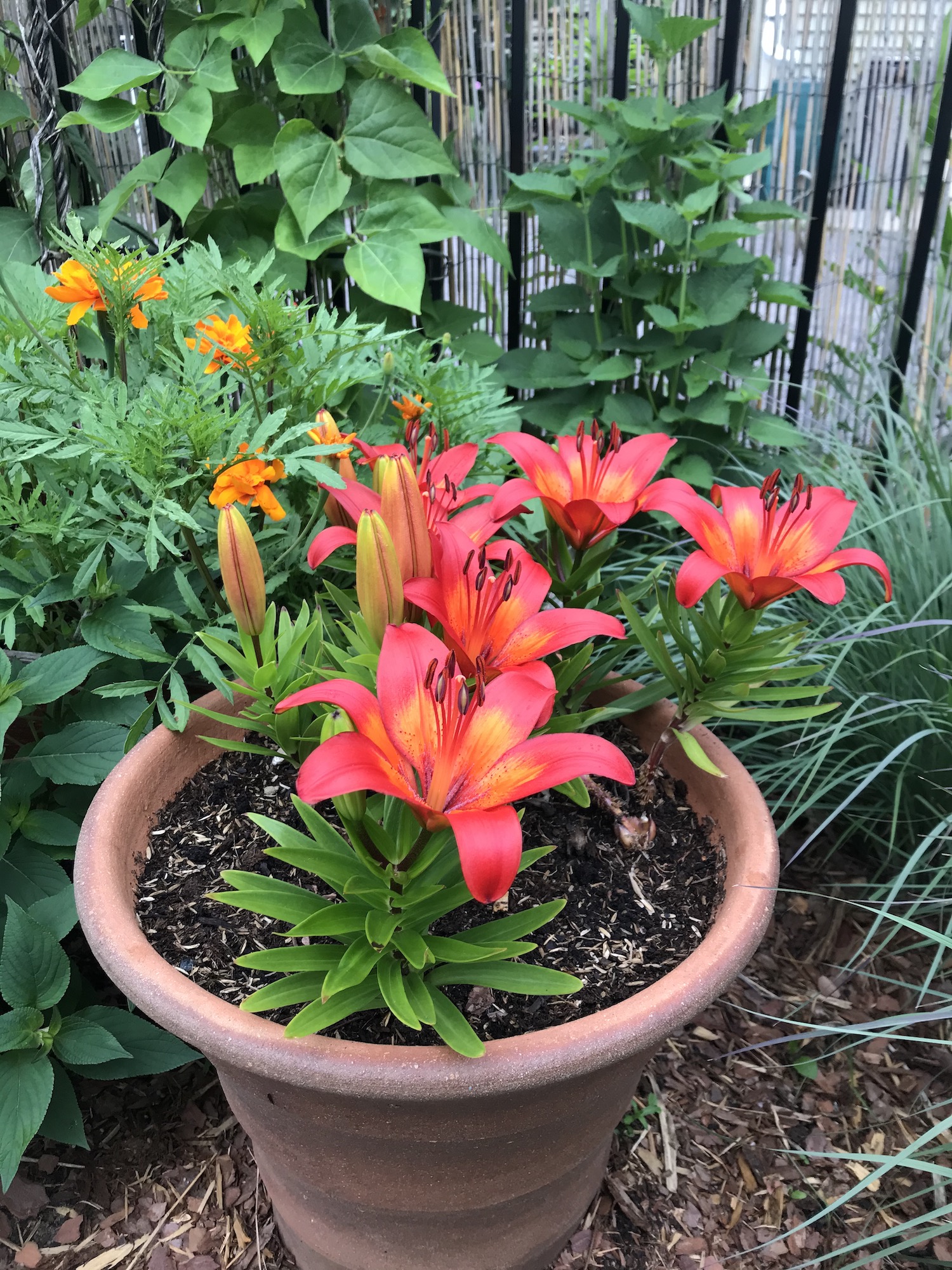
Lilies can be successfully grown in both pots and the ground, but their growth may depend on several factors, including the specific variety of lily, climate, and individual gardener preferences. Here are the key considerations for each method:
Growing Lilies in Pots
Growing lilies in pots can be beneficial for several reasons. One of the significant advantages is mobility; you can easily move the pots to take advantage of sunlight or shelter from extreme weather. Additionally, if you live in an area with invasive species or poor soil quality, pots provide a contained environment for optimal growth.
- Soil Quality: Potting soil can be specially formulated to provide the right nutrients and drainage for lilies.
- Drainage: Containers allow for excellent drainage, which can prevent issues like root rot.
- Temperature Control: You can move pots indoors during extreme temperatures to protect the plant.
Growing Lilies in the Ground
Growing lilies in the ground has its set of advantages as well. Establishment in the soil can often lead to more robust root systems, which can result in healthier and taller plants over time. Additionally, they can benefit from the natural ecosystem of the garden.
- Space for Growth: Lilies can spread out and grow larger when planted in the ground.
- Natural Nutrients: The soil provides a variety of nutrients that potted plants might not receive.
- Less Frequent Watering: Once established, ground-grown lilies generally require less frequent watering compared to potted ones.
Climate Considerations
The climate can play a crucial role in deciding whether to grow lilies in pots or the ground. Some regions with extreme seasonal changes might favor container gardening, while others with mild climates may be suitable for in-ground planting.
- Temperature Extremes: In areas with severe winters, pots can be moved indoors to avoid frost.
- Sunlight Exposure: Pots can be positioned to maximize sunlight exposure throughout the day.
- Rainfall and Drainage: Different regions may have varied rainfall, affecting drainage when planted in the ground.
Maintenance Requirements
The maintenance required for lilies can vary based on the planting method. Potted lilies often require more attention, while in-ground lilies may thrive on less frequent care once established.
- Watering Schedule: Potted lilies require regular monitoring of soil moisture levels.
- Fertilization: Container plants might need more frequent fertilization due to limited soil nutrients.
- Weed Control: Ground-grown lilies may require weeding, whereas pots typically have fewer weed issues.
Variety of Lilies
The choice of lily variety can determine the best growing method. Some varieties are better suited for container life, while others are more robust in garden settings.
- Container-friendly Varieties: Dwarf varieties or those that bloom early can thrive in pots.
- Hardy Varieties: Tall lilies often require in-ground planting for structural support.
- Hybrid Options: Certain hybrids may perform well in both environments, but knowing the specific needs can guide better choices.
Questions from Our Readers
Do tiger lilies prefer full sun or shade?
Tiger lilies thrive best in full sun, which means they require at least six hours of direct sunlight each day to grow robustly and bloom beautifully. While they can tolerate some shade, too much shade can hinder their growth and flowering capabilities.
How much sunlight do tiger lilies need?
Typically, tiger lilies need about 6 to 8 hours of direct sunlight each day. This exposure helps them develop strong stems and vibrant blooms, ensuring that they reach their potential in the garden.
See also:
Can tiger lilies survive in partial shade?
Yes, tiger lilies can survive in partial shade, but their performance may be compromised. In such conditions, they might produce fewer flowers and have weaker growth compared to those planted in full sun.
What are the best growing conditions for tiger lilies?
The best growing conditions for tiger lilies include well-drained soil, access to full sun, and adequate moisture without waterlogging. These factors contribute significantly to their health and blooming success in the garden.

If you want to read more articles like Do Tiger Lilies Like Full Sun or Shade? Discover the Best Growing Conditions!, we recommend you check out our Flowers category.
Leave a Reply
Related Articles