Is it Poisonous to Touch a Lily? Understanding the Risks and Safety Tips

Lilies are often celebrated for their beauty and fragrant blossoms, making them popular choices for gardens and floral arrangements. However, a common concern among plant enthusiasts and pet owners alike is whether these lovely flowers pose any risks when touched. Understanding the potential hazards of lilies is essential for ensuring safety around these plants. In this article, we will explore whether touching a lily can be poisonous, the specific risks associated with different species, and essential safety tips to protect both people and pets from accidental harm. Knowledge is key to enjoying the beauty of lilies without worry.
Is It Poisonous to Touch a Lily?
Touching a lily is generally not considered poisonous; however, some varieties, particularly true lilies (Lilium species), can be toxic if ingested, especially to cats. While handling these flowers does not pose a risk of poisoning, it's essential to wash your hands after contact to prevent any potential skin irritation or allergic reaction. Moreover, the sap and pollen of certain lilies can cause mild skin reactions in sensitive individuals. Therefore, while casual touch may not lead to severe consequences, caution is always advisable when dealing with any plant that has toxic properties.
Understanding Lily Toxicity
Lily toxicity varies among different species, with some being harmless to touch but harmful if ingested. True lilies such as the Asiatic lilies and Easter lilies are particularly toxic to cats, leading to acute kidney failure if they consume even small amounts. Although touching these flowers doesn’t result in poisoning, it is vital to be aware of their potential dangers, particularly in households with pets.
Symptoms of Lily Exposure
The symptoms of lily poisoning typically manifest when the plant is ingested. In pets, particularly cats, these symptoms include vomiting, lack of appetite, lethargy, and possible kidney failure. For humans, skin contact may result in minor reactions such as redness, swelling, or irritation, especially if one has a preexisting sensitivity. Washing the affected area with soap and water can help alleviate these symptoms, but serious reactions are rare from merely touching lilies.
Which Lilies Are Safe to Touch?
Many types of lilies are safe to touch without causing harm, such as daylilies and calla lilies, which are not classified as true lilies. These varieties do not contain the same toxic compounds found in true lilies and do not pose a risk of serious health issues to humans or pets through mere contact. However, as a precaution, individuals are discouraged from handling any plant without prior knowledge of its toxicity.
Preventative Measures When Handling Lilies
When handling lilies, it's always wise to take certain precautions to minimize any potential risk. Wearing gloves can help protect your skin from contact with any irritating substances that may be present. Additionally, it’s best to wash your hands thoroughly after handling these flowers, especially before eating or touching your face. Keeping lilies out of reach from pets, particularly cats, is also crucial in preventing accidental ingestion.
Resources for Further Information
For those looking to learn more about plant toxicity, including that of lilies, several reliable resources are available. Websites like the ASPCA Poison Control or the American Association of Poison Control Centers provide comprehensive listings of plants and their toxicity levels. These resources can be invaluable for pet owners and garden enthusiasts who want to ensure a safe environment for both people and pets.
| Plant Type | Toxicity Level | Risks |
|---|---|---|
| True Lilies | High | Kidney failure in cats |
| Daylilies | Low | Generally safe for pets |
| Calla Lilies | Low | Minor irritation possible |
| Asiatic Lilies | High | Serious reactions in cats |
| Easter Lilies | High | Severe toxicity in cats |
Are lilies poisonous to human skin?

Lilies are a popular choice for gardens and floral arrangements, but there is a common concern regarding their safety, particularly when it comes to human skin. Generally, lilies are not considered poisonous to human skin. While some people may experience mild irritation or allergic reactions after contact with lily sap or pollen, most individuals can handle lilies without any adverse effects. It is important, however, to note that certain types of lilies, especially those in the Lilium and Hemerocallis genera, can be toxic to cats if ingested, but this toxicity does not extend to human skin.
Common Reactions to Lily Contact
Individuals who come into contact with lilies may experience varying reactions, but most of these are minor. Common reactions include:
- Skin Irritation: Some people may develop a localized rash or redness on the skin.
- Allergic Reactions: Those sensitive to pollens may have allergic reactions ranging from mild to moderate, which can include itching or swelling.
- Dermatitis: In rare cases, prolonged exposure may lead to contact dermatitis, characterized by more severe inflammation of the skin.
Prevention of Skin Irritation
To minimize the risk of skin irritation when handling lilies, consider the following preventive measures:
- Wear Gloves: Using gardening gloves can help protect your skin from direct contact with lily sap and pollen.
- Avoid Touching the Face: After handling lilies, avoid touching your face to prevent transferring any irritants.
- Wash Hands Thoroughly: Immediately wash your hands with soap and water after handling lilies to eliminate any residual sap or pollen.
What to Do if Irritated
In case of skin irritation or allergic reaction after contact with lilies, consider the following actions:
- Clean the Area: Rinse the affected area with lukewarm water and mild soap to remove any irritants.
- Apply a Cold Compress: Use a clean, cold compress to reduce inflammation and soothe itching.
- Use Over-the-Counter Treatments: Apply over-the-counter hydrocortisone cream or antihistamines if itching persists.
Potential Risks for Specific Individuals
While most people can handle lilies without issues, certain individuals may be more susceptible to adverse reactions:
- Allergic Individuals: Those with known allergies to pollen may react more significantly to lilies.
- People with Sensitive Skin: Individuals with sensitive skin may experience irritation even with minimal exposure.
- Children: Young children may have more sensitive skin and should be monitored when around lilies.
Summary of Safety Practices
When it comes to safely enjoying lilies, adhering to best practices can enhance safety:
See also:
- Choose the Right Varieties: If you're sensitive, opt for varieties that are less likely to cause irritation.
- Handle with Care: Take care when arranging flowers to minimize sap contact with the skin.
- Educate Others: Inform family members or guests about handling precautions to prevent allergic reactions.
Can lilies make you sick?
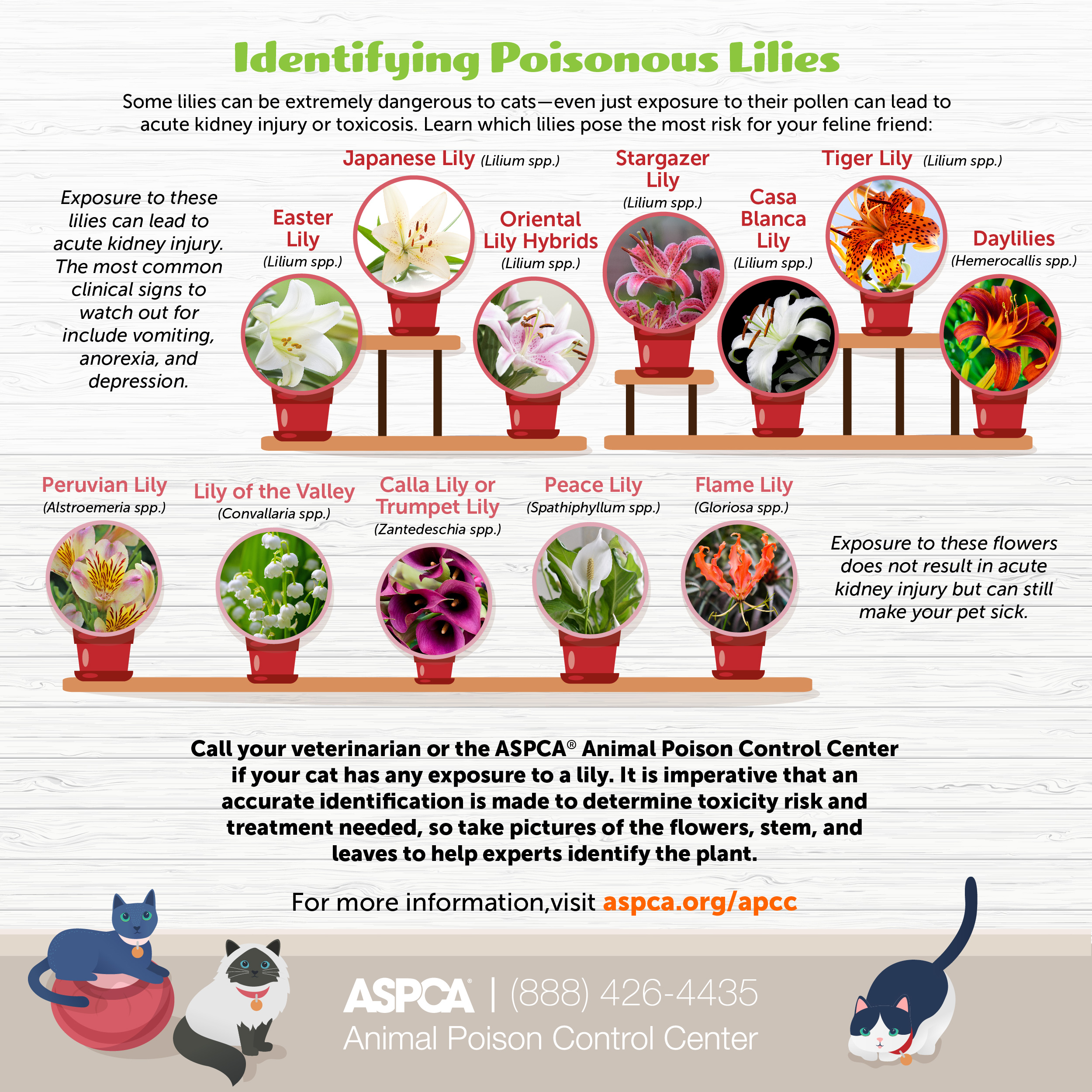
Lilies are beautiful and popular flowers, but they can pose health risks, especially to pets like cats. In this detailed response, we will explore various aspects of the toxic effects of lilies and their potential to make you sick.
Are Lilies Toxic to Humans?
Lilies are not commonly considered toxic to humans; however, certain varieties may cause mild reactions.
- Allergic Reactions: Some people may be allergic to lilies, leading to symptoms such as skin rashes, itching, or respiratory issues.
- Food Poisoning: Ingesting parts of lily plants could lead to nausea or gastrointestinal distress, although severe cases are rare.
- Contact Dermatitis: Handling lilies without gloves may cause skin irritation in sensitive individuals.
Which Lilies Are Dangerous to Pets?
While lilies are not particularly harmful to humans, they are highly toxic to certain pets, especially cats.
- Easter Lily: This variety can cause acute kidney failure in cats even with a small amount ingested.
- Tiger Lily: Similar to Easter lilies, this type can lead to severe gastrointestinal upset and kidney damage.
- Day Lily: Although less toxic than others, ingestion can still result in vomiting or diarrhea in pets.
Symptoms of Lily Poisoning in Pets
If a pet has ingested lilies, it’s crucial to recognize the signs of poisoning.
- Vomiting: This is one of the most common symptoms and can occur rapidly after ingestion.
- Loss of Appetite: Affected pets may refuse to eat due to nausea or discomfort.
- Lethargy: Symptoms may progress to weakness or listlessness, indicating a need for immediate veterinary care.
What to Do If You Suspect Poisoning?
Taking quick action is essential if you suspect your pet has ingested lilies.
- Contact a Veterinarian: Immediate communication with your vet can provide guidance on the next steps.
- Do Not Induce Vomiting: Unless instructed by a professional, avoid inducing vomiting as it may cause further harm.
- Provide Information: Share details about the type of lily and amount potentially ingested to help the veterinarian make informed decisions.
Preventive Measures to Keep Your Pets Safe
Preventing exposure to lilies is the best way to protect your pets.
- Houseplant Selection: Choose non-toxic plants and research any new houseplants before bringing them home.
- Awareness of Common Lilies: Familiarize yourself with the types of lilies that are dangerous to pets to avoid accidental exposure.
- Pet Supervision: Keep a close watch on pets in areas where lilies are present to prevent access or ingestion.
What part of the lily is poisonous?
The most poisonous part of the lily is the entire plant, particularly its flowers and pollen. Many types of lilies, including the popular Easter lily (Lilium longiflorum), are highly toxic to cats, and ingestion of even small amounts can lead to severe health issues. The toxins present in the lily affect the kidneys and can cause acute kidney injury in cats, which may be fatal if not treated promptly.
Effects of Lily Poisoning in Cats
The ingestion of lily parts can lead to various health issues in cats. The symptoms may not appear immediately, which can delay treatment. The effects of poisoning include:
- Vomiting: Cats may vomit shortly after consuming any part of a lily.
- Loss of appetite: Affected cats may refuse to eat due to discomfort and nausea.
- Increased urination and later, decreased urination: This can indicate kidney failure, which is a critical condition.
Identification of Toxic Lily Varieties
Several species of lilies are toxic, and it is crucial to identify them to prevent accidents. Some well-known toxic varieties include:
- Easter Lily (Lilium longiflorum)
- Day Lily (Hemerocallis spp.)
- Tiger Lily (Lilium lancifolium)
Symptoms of Lily Poisoning in Humans
While lilies are primarily toxic to cats, humans can also experience adverse reactions if large quantities are ingested. Symptoms can include:
- Gastrointestinal distress: Symptoms may include nausea, diarrhea, or abdominal pain.
- Skin irritation: Handling the plant may cause allergic reactions or rashes.
- Respiratory issues: Inhaling pollen can irritate the respiratory tract.
Treatment for Lily Poisoning
Immediate medical attention is crucial if ingestion occurs. Effective treatments include:
- Induction of vomiting: This is often done in veterinary settings to prevent further absorption of toxins.
- Activated charcoal: This may be administered to limit intestinal absorption of the toxin.
- Intravenous fluids: These support kidney function and help flush out toxins.
Prevention of Lily Poisoning
To avoid incidents of lily poisoning, consider the following preventive measures:
See also:
- Keep lilies out of reach: Place all lilies in areas inaccessible to pets.
- Educate others: Inform family and friends about the dangers of lilies to pets.
- Choose pet-friendly plants: Opt for non-toxic houseplants if you have pets.
What to do if you touch Lily of the Valley?

If you touch Lily of the Valley, it's important to be aware of the potential risks associated with this plant. Lily of the Valley (Convallaria majalis) is highly toxic, and even minimal contact can lead to reactions, especially if you touch your face or eat anything afterward. Here are the steps you should take:
1. Wash Your Hands Immediately: Make sure to thoroughly wash your hands with soap and water. This is crucial for removing any potential toxins that may have transferred from the plant to your skin.
2. Avoid Touching Your Face: Until you have cleaned your hands, avoid rubbing your eyes, touching your mouth, or face, as this could introduce toxins into your system.
3. Watch for Symptoms: Be on the lookout for any signs of toxicity. Even handling the plant can lead to symptoms such as skin irritation or allergic reactions. If you notice any unusual symptoms, seek medical advice.
4. Seek Medical Attention if Necessary: If you experience severe symptoms, such as nausea, vomiting, or heart rhythm disturbances, it is essential to contact your healthcare provider or local poison control immediately.
5. Educate Others About the Plant: Share the information with family or friends to prevent accidental contact in the future.
Understanding the Toxicity of Lily of the Valley
Lily of the Valley contains several toxic compounds, mainly convallatoxin, which can cause serious health issues.
- Effects on the Heart: The plant's toxins can disrupt normal heart function, leading to arrhythmias or other cardiac issues.
- Other Symptoms: Individuals may experience gastrointestinal distress such as nausea and vomiting, along with neurological symptoms.
- Potential Fatality: In severe cases, ingestion can lead to death, emphasizing the need for caution and awareness.
First Aid Measures for Contact
If you accidentally touch Lily of the Valley, it is vital to take immediate action to minimize any potential risks.
- Immediate Hand Washing: Use soap and warm water for at least 20 seconds to ensure all traces of the toxin are removed.
- Remove Contaminated Clothing: If the plant touched your clothing, changing into clean clothes can help avoid further exposure.
- Monitor for Reactions: Keep an eye on any skin irritation or other symptoms that may develop.
Identifying Symptoms of Poisoning
Recognizing the symptoms of poisoning from Lily of the Valley is crucial for timely medical intervention.
- Gastrointestinal Distress: Look for symptoms such as stomach pain, vomiting, and diarrhea which are common reactions.
- Cardiac Symptoms: Be attentive to unusual heartbeats or palpitations, as these can indicate a problem.
- Neurological Symptoms: Symptoms like confusion, dizziness, or vision changes may occur as well.
Long-Term Effects of Exposure
While touching Lily of the Valley may not always result in severe consequences, it is essential to understand the long-term effects it may have.
- Allergic Reactions: Some individuals may develop skin allergies or sensitivities to the plant after initial exposure.
- Heart Health Issues: Repeated exposure or ingestion can lead to chronic heart problems for some individuals.
- Psychosocial Impacts: Anxiety about interactions with the plant may develop, leading to avoidance behaviors.
Preventing Accidental Contact
To avoid future incidents with Lily of the Valley, implementing preventive measures is key.
- Educate Yourself and Others: Understanding the risks of this plant can help prevent accidental encounters.
- Avoid Planting in Gardens: If you garden, consider keeping this plant out of your home garden due to its toxicity.
- Supervise Children and Pets: Ensure that children and pets do not access areas where this plant is growing.
Questions from Our Readers
Is it dangerous to touch a lily?
It is generally not considered dangerous to touch a lily; however, some species of lilies can cause skin irritation in sensitive individuals. It is best to wash your hands after contact to avoid any potential discomfort.
Are all lilies poisonous if ingested?
While not all lilies are considered poisonous, certain types, like the Easter lily, are extremely toxic to cats and can cause significant health issues if ingested. Always research the specific variety of lily before having them around pets.
See also:
What should I do if a lily touches my skin?
If a lily touches your skin and you experience any irritation or rash, wash the area with soap and water immediately. If symptoms persist, it is advisable to seek medical attention for appropriate evaluation and treatment.
Can touching lilies cause allergic reactions?
Yes, some individuals may experience allergic reactions when touching lilies, especially if they have a pre-existing sensitivity to plants in the Lilium family. Symptoms can range from mild irritation to more serious reactions, so caution is advised.

If you want to read more articles like Is it Poisonous to Touch a Lily? Understanding the Risks and Safety Tips, we recommend you check out our Flowers category.
Leave a Reply
Related Articles