Why Do People Not Like Lilies? Uncovering the Truth Behind Common Misconceptions

Lilies are often celebrated for their beauty and fragrance, yet they elicit mixed feelings among many people. Some may associate these flowers with sadness or even disdain, stemming from cultural myths and personal experiences. This article delves into the reasons behind the aversion to lilies, exploring common misconceptions and the deeper meanings attributed to them. By uncovering the truth behind these sentiments, we aim to foster a greater understanding of this complex flower and its place in the hearts and minds of those who encounter it. Join us as we unravel this intriguing floral divide.
Why Do People Not Like Lilies?
Many individuals express dislike for lilies due to a combination of factors such as their strong fragrance, which can be overpowering and trigger allergies or headaches in sensitive people. Additionally, some species of lilies can be toxic to pets, particularly cats, creating concern for animal owners. The plant’s pollination process can also lead to unwanted mess from falling pollen, which can stain surfaces and clothing. Furthermore, the cultural associations related to death and funerals linked to lily flowers can lead to negative perceptions, making some people hesitant to appreciate or accept them in their homes or gardens.
Strong Fragrance
The strong fragrance of lilies is one of the main reasons people may avoid them. While some appreciate the scent, others find it overwhelming and potentially harmful, especially those with allergies or respiratory issues. This powerful aroma can lead to discomfort for those who are sensitive, sparking a strong aversion to these flowers.
Allergenic Reactions
Lilies are known to cause allergenic reactions in certain individuals. Pollen disperses easily, and those allergic to lily pollen may experience symptoms such as sneezing, nasal congestion, or itchy eyes. This can make them a less desirable choice for people who suffer from seasonal allergies or have a history of sensitivity to flowering plants.
Toxicity to Pets
The toxicity of lilies to pets, especially cats, is a significant concern for many animal lovers. Ingestion of even a small quantity of lily can lead to kidney failure in cats, prompting pet owners to steer clear of these flowers in their home. This potential danger can overshadow the beauty and appeal of lilies, leading to a more negative perception among pet owners.
Cultural Associations
In various cultures, lilies are often associated with death and mourning, especially in funeral arrangements. This negative symbolism can cause discomfort for individuals, leading them to avoid lilies altogether, as they may view them as a reminder of loss rather than a celebration of life and beauty. Thus, these associations play a role in diminishing their popularity.
Pollen Mess
Another reason people may not like lilies is the mess created by their pollen. The heavy pollen can easily fall onto surfaces, creating stains that are difficult to remove from clothing and furniture. The requirement to clean up after them can discourage individuals from choosing lilies as part of their floral arrangements or garden designs.
| Factor | Description |
|---|---|
| Fragrance | Powerful aroma that can be overwhelming to some individuals. |
| Allergies | Pollen may trigger allergic reactions in sensitive people. |
| Toxicity | Lilies are toxic to pets, particularly cats, causing health concerns. |
| Cultural Views | Associated with death and mourning, leading to negative perceptions. |
| Pollen Cleanliness | Pollen can stain surfaces, making lilies a less appealing choice. |
Why do people dislike lilies?

Lilies are a popular flower known for their beauty and fragrance; however, they are not universally loved. Several reasons contribute to the dislike of these flowers among certain individuals. Below are some factors that explain why people may have negative feelings towards lilies.
Allergies to Lily Pollen
Many people experience allergies triggered by the pollen produced by lilies. This can lead to:
- Respiratory issues: Sneezing, coughing, and difficulty breathing.
- Skin reactions: Rashes or irritation upon contact with lily pollen.
- Eye irritation: Red, itchy eyes and discomfort from pollen exposure.
For those with pollen allergies, lilies can be particularly problematic, leading to a strong aversion to these flowers.
Strong Fragrance
The fragrance of lilies can be overpowering for some individuals, causing discomfort rather than enjoyment. This strong scent can trigger reactions such as:
- Headaches: Migraines or tension headaches from excessive scent.
- Nausea: Feeling queasy or unwell due to the intense aroma.
- Dislike of floral scents: Personal preference against strong floral fragrances.
People who are sensitive to smells may find that lilies create an unfriendly environment.
Association with Mourning and Death
Lilies, especially white ones, are often associated with funerals and mourning in various cultures. This can lead to:
See also:
- Painful memories: Reminders of loss and grief can evoke sadness.
- Negative symbolism: Viewed as symbols of death rather than celebration.
- Preference for joyful flowers: People may prefer flowers associated with happiness.
Such associations can make individuals uncomfortable around lilies, opting for different flowers instead.
Maintenance and Care Difficulties
Some individuals might dislike lilies because they require specific care and maintenance that can be daunting. Challenges include:
- Soil requirements: Need for well-draining soil and particular pH levels.
- Watering needs: Over or under-watering can lead to plant failure.
- Susceptibility to pests: Attract aphids, beetles, and other pests requiring vigilance.
For those who prefer low-maintenance plants, lilies may not be the ideal choice.
Personal Preferences and Aesthetic Choices
Lastly, personal tastes play a significant role in flower preferences. Some individuals simply prefer other flowers over lilies due to:
- Color choices: Favoring brighter or different colored blooms.
- Petal shape and texture: Preferring flowers with different textures or structures.
- Cultural preferences: Values and beliefs that favor specific floral options.
Personal aesthetic preferences greatly influence how individuals view and appreciate various types of flowers, including lilies.
Why are lilies the flower of sadness?
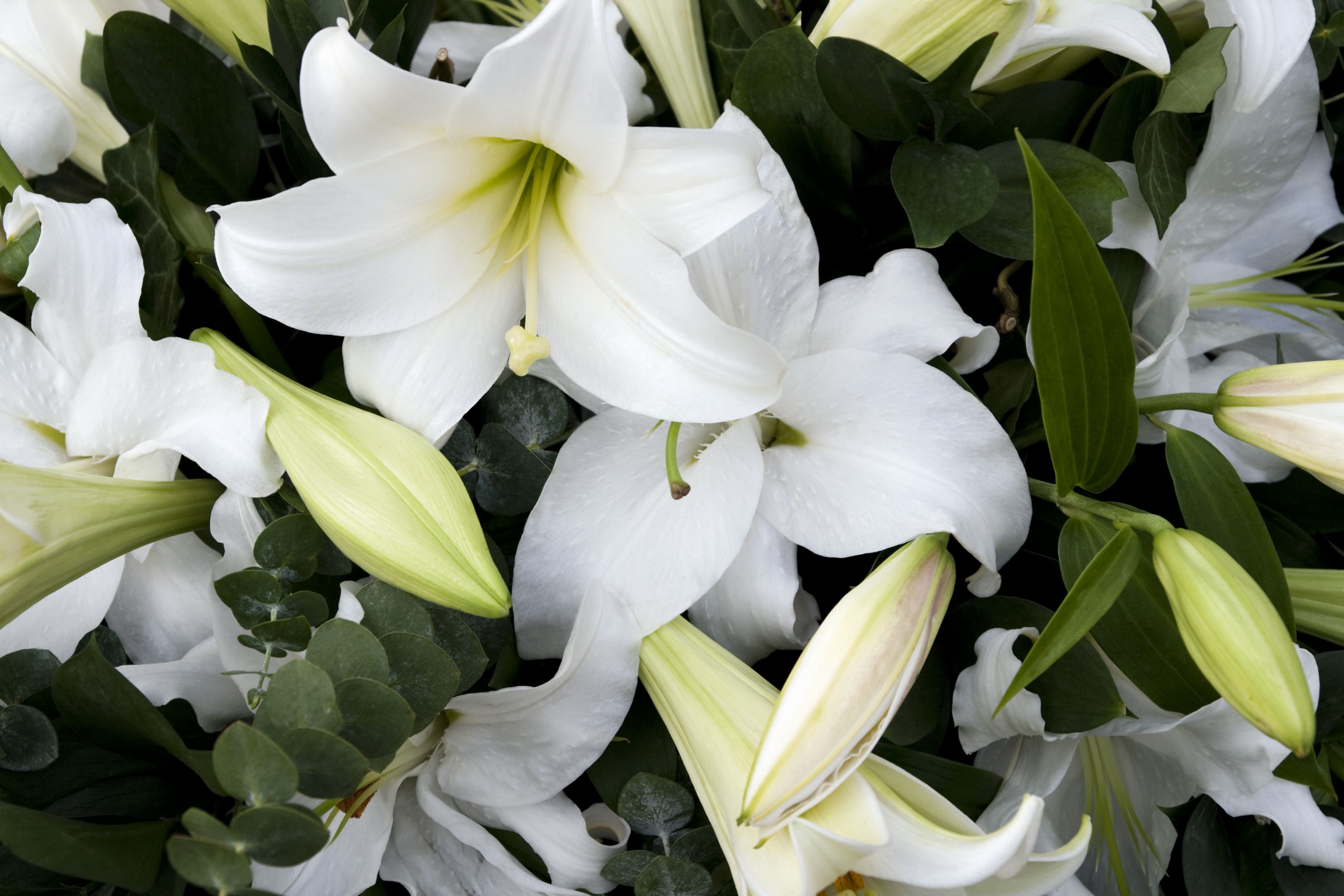
Lilies have long been associated with various emotional states, and one of the most poignant is sadness. The connection between lilies and sadness can be traced back to cultural symbolism, historical interpretations, and their presence in rituals related to mourning.
The Historical Significance of Lilies
Lilies have been used as a symbol of mourning in many cultures throughout history. They frequently appear in funeral arrangements and are often seen in cemetery settings. The connection springs from their association with the purity of the soul and the idea of rebirth after death.
- In Ancient Greece, lilies were believed to have sprung from the tears of the goddess Hera.
- In Christian symbolism, they represent the resurrection of Christ and the hope that follows death.
- Victorian culture linked the white lily with innocence and purity, especially in regards to departed loved ones.
Cultural Interpretations Across the Globe
Different cultures have distinct interpretations of lilies, with many associating them with loss and sorrow. From Asia to Europe, their meanings vary but often share a common theme of grief and remembrance.
- In Chinese culture, lilies symbolize a broken heart, often given during times of distress.
- In Japanese traditions, they are often included in obon festivals to honor departed ancestors.
- In Western cultures, the presence of lilies in obituaries and memorial cards reinforces their role as symbols of sorrow.
The Symbolism of Colors
The color of lilies can significantly alter their symbolic meaning, particularly when associated with sadness. While different colors of lilies convey various sentiments, white lilies, specifically, are strongly tied to themes of mourning.
- White lilies evoke a sense of tranquility and pureness, often used in arrangements for those who have passed.
- Black lilies, though rare, are sometimes linked to death and serve as a stark reminder of loss.
- Yellow lilies could symbolize sorrow, especially when gifted in times of grief.
Literature and Art
Lilies have captured the attention of artists and writers throughout ages, frequently used to convey feelings of sadness and melancholy. This artistic representation has cemented their place as symbols of sorrow.
- In literature, poets often use lilies to symbolize loss, longing, and the impermanence of life.
- Artworks featuring lilies often depict themes of mourning, with the flower serving as a focal point of grief.
- The imagery of lilies in various forms of art tends to evoke a sense of nostalgia and reflection on lost moments.
Modern Usage and Rituals
In contemporary society, the symbolism of lilies continues to flourish, particularly in rituals and practices surrounding death and remembrance. They are commonly used in various memorials and services.
- Funeral arrangements often prominently feature white lilies as a traditional choice for honoring the deceased.
- Many people still send lilies to express condolences during times of loss.
- In memorial gardens, lilies serve as a lasting symbol of remembrance and love for those who have passed.
Why are so many people allergic to lilies?
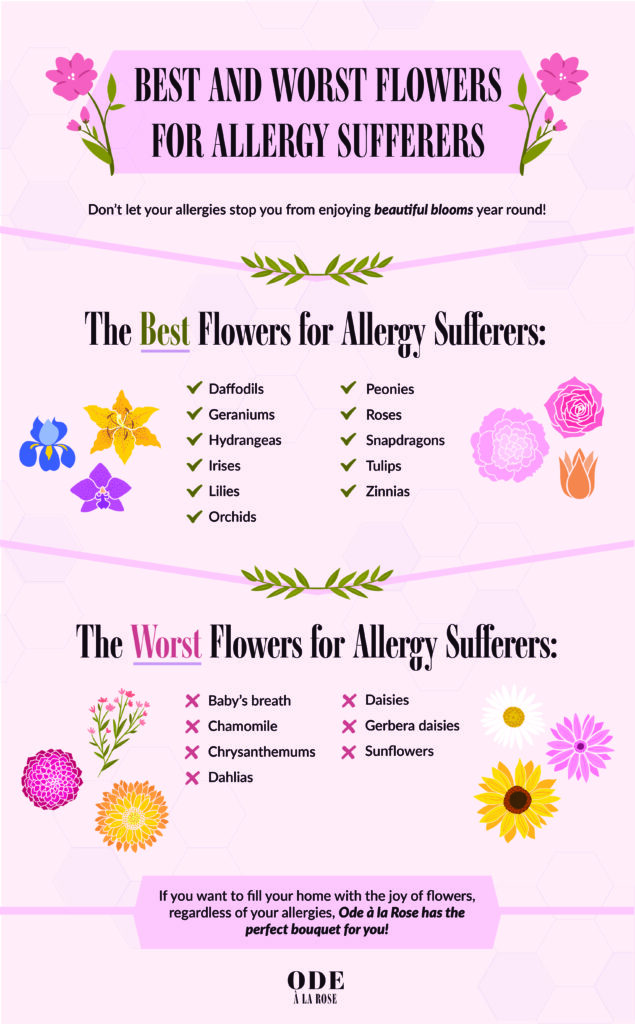
Many people are allergic to lilies due to various factors that influence allergic reactions. Lilies, particularly those in the Lilium and Hemerocallis families, contain various proteins and compounds that can trigger immune responses in susceptible individuals. The primary allergenic compounds in lilies can include certain pollen proteins, which can become airborne and lead to respiratory issues, skin reactions, and other allergy symptoms.
See also:
Common Symptoms of Lily Allergies
Allergic reactions to lilies can manifest in several ways. Common symptoms include:
- Respiratory issues: This can include sneezing, nasal congestion, and difficulty breathing.
- Skin reactions: Individuals may experience rashes, hives, or dermatitis upon contact with lilies.
- Eye irritation: Allergic conjunctivitis can cause redness, itching, and tearing of the eyes.
Mechanism of Allergic Reactions
The immune system's response to lily allergens involves different mechanisms.
- IgE antibodies: In allergic individuals, the immune system produces Immunoglobulin E (IgE) antibodies that recognize lily proteins as harmful.
- Mast cell activation: Exposure to lilies can trigger mast cells to release histamines and other chemicals, leading to allergy symptoms.
- Inflammation: This immune response can cause inflammation and irritation in affected tissues, worsening the symptoms.
Factors Contributing to Lily Allergies
Several factors can contribute to an increased risk of developing allergies to lilies.
- Genetic predisposition: A family history of allergies can increase the likelihood of developing allergic responses to lilies.
- Environmental exposure: Frequent exposure to lilies or their pollen can lead to sensitization and the development of allergies.
- Age and immune system: Young children and individuals with compromised immune systems may be more susceptible to allergies.
Types of Lilies Associated with Allergies
Not all lilies are equally allergenic, but some species are more commonly associated with allergic reactions.
- Oriental lilies: These are known for their strong fragrance and abundant pollen, which can trigger allergies.
- Asiatic lilies: They are also known to produce significant pollen and cause allergic reactions in some individuals.
- Trumpet lilies: Similar to the others, these can also release a considerable amount of pollen into the air.
Prevention and Management of Lily Allergies
Managing allergies to lilies involves various strategies to minimize exposure and alleviate symptoms.
- Avoidance: Keeping lilies out of homes and workplaces can reduce allergen exposure.
- Hygiene practices: Regular cleaning can help reduce pollen accumulation in living spaces.
- Medication: Over-the-counter antihistamines or prescription medications can help manage allergy symptoms.
What is the negative meaning of the lily flower?
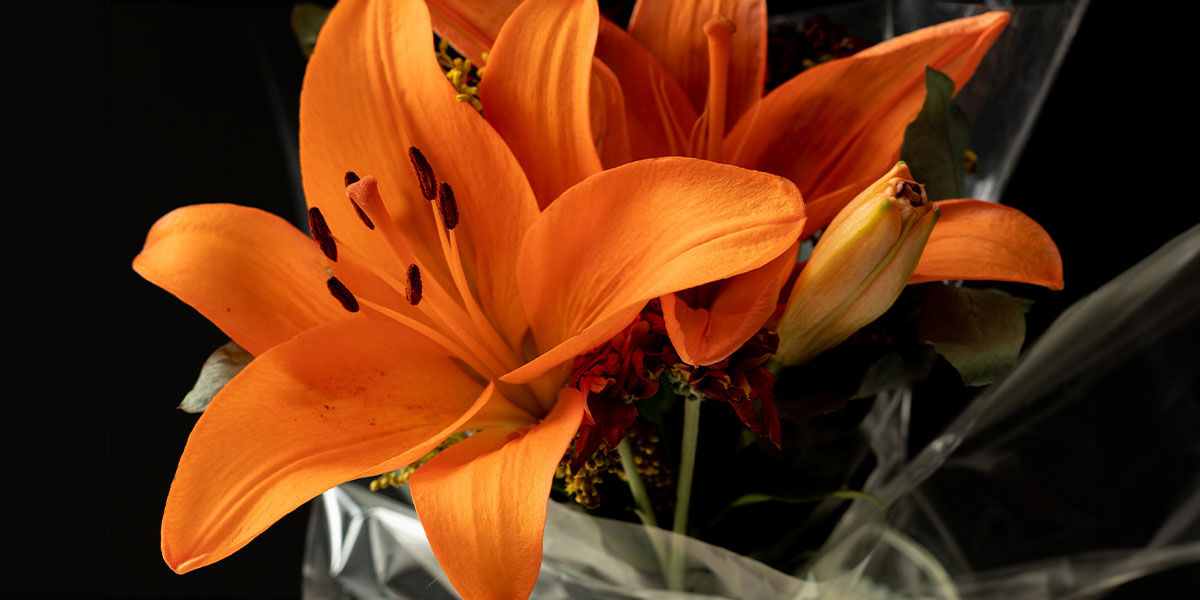
The lily flower is often associated with beauty and purity; however, it also carries some negative meanings in various cultures and contexts. One of the most significant negative interpretations of the lily is linked to death and mourning. In many traditions, particularly in Western cultures, white lilies are used in funerals, symbolizing the restored innocence of the deceased's soul. This connection gives the lily a dual nature: while it can signify the beauty of life, it can also embody the somber and painful aspects of death.
Historical Associations with Death
Throughout history, the lily flower has often been associated with death in various cultures.
- In ancient Rome, lilies were used to decorate graves, symbolizing the transition to the afterlife.
- The use of white lilies in funerals reflects the idea of purity and the return of the soul to a state of innocence.
- In Christianity, the lily is mentioned in the context of the Virgin Mary, but often associated with her sorrows as the mother of Christ.
Symbolism in Literature
In literature, the lily flower has often been used as a potent symbol of death and tragedy.
- Authors like T.S. Eliot and William Blake reference lilies as harbingers of death in their poetry.
- In Shakespeare's plays, lilies sometimes signify beauty fading away, connecting them to the transient nature of life.
- The contrast between beauty and its subsequent decay underlines the melancholic aspect of the lily's symbolism.
Color Variations and their Meanings
Different colors of lilies can impart varying negative meanings.
- Black or dark-colored lilies are often interpreted as a negative omen, suggesting misfortune or grief.
- Yellow lilies, while bright, can symbolize caution and may hint at betrayal or caution in relationships.
- Pink lilies are often tied to disdain or indifference, reflecting a more complicated emotional response.
Cultural References to the Lily's Negative Aspects
Different cultures interpret the lily's negative meanings in unique ways.
- In some Asian cultures, the lily is linked to bad luck and is often avoided in celebrations.
- The Chinese consider the lily as a symbol of infidelity, making it a poor choice for romantic gestures.
- Folklore in various regions suggests that the appearance of lilies may foreshadow tragic events.
Modern Interpretations and Uses
In contemporary times, the negative meanings of the lily flower can inform modern interpretations.
- Despite their beauty, the associations with death and loss make lilies a complicated choice for gifting.
- Florists often advise clients about the meanings of lilies to ensure they convey the intended sentiments.
- The negative connotations have led to a decline in their popularity for celebrations and joyous occasions.
Questions from Our Readers
Why do some people find the smell of lilies overwhelming?
The scent of lilies can be very potent, which may trigger discomfort or allergic reactions in some individuals. For those sensitive to strong fragrances, the aroma can become overwhelming, leading to a negative association with the flower.
Are lilies associated with any negative symbolism?
In certain cultures, lilies are linked to death and mourning, particularly in funeral settings. This association can create a negative perception among people who prefer flowers that symbolize life and joy rather than loss.
See also:
Do some people have allergies to lilies?
Yes, lilies can cause allergic reactions in some individuals. Symptoms may include sneezing, nasal congestion, or skin irritation, leading to an aversion to the flower due to physical discomfort.
Why are some lilies considered toxic to pets?
Certain varieties of lilies, especially like the Easter lily and the tiger lily, are highly toxic to cats and can cause severe health issues. This toxicity can make pet owners wary of having lilies in their homes, affecting their overall popularity.

If you want to read more articles like Why Do People Not Like Lilies? Uncovering the Truth Behind Common Misconceptions, we recommend you check out our Flowers category.
Leave a Reply
Related Articles