Ultimate Guide: How to Encourage Lilies to Bloom? Tips and Tricks for Flourishing Flowers

Lilies are among the most enchanting flowers, known for their stunning blooms and captivating fragrances. However, encouraging these beautiful plants to flourish can be a challenge for many gardeners. This ultimate guide will provide you with essential tips and tricks to promote vibrant lily blooms in your garden. From selecting the right varieties and proper planting techniques to optimizing watering and fertilization, we will explore the key factors that contribute to the health and beauty of your lilies. Whether you're a novice or an experienced gardener, these insights will help you create a flourishing display of nature's artistry.
How to Encourage Lilies to Bloom?
To encourage lilies to bloom, it is essential to provide them with the right conditions that promote healthy growth and flowering. This includes ensuring they receive adequate sunlight, as most lily varieties need at least six hours of direct sunlight each day. Additionally, selecting the right soil, ideally one that is well-draining yet retains some moisture, can significantly impact blooming. Regular watering, especially during dry spells, along with the use of a balanced fertilizer during the growing season will also support healthy blooms. Finally, ensuring that lilies are not overcrowded allows them the space needed to thrive and produces stunning flowers.
Optimal Sunlight Requirements
Lilies thrive in conditions where they receive full sunlight for at least six to eight hours daily. If they are not exposed to enough light, they may grow tall and spindly, producing fewer flowers. Planting lilies in a location with morning sun and some afternoon shade can help protect them from the harsh afternoon rays while still providing the light they need to flourish. If planting in a garden bed, choose a site that is free from overhead canopies that might obstruct sunlight as lilies require direct exposure to encourage robust blooms.
Soil Composition and Quality
The soil quality and composition play a critical role in the blooming of lilies. Ideally, lilies prefer loamy soil that is rich in organic matter, well-drained, and slightly acidic to neutral (pH 6.0 to 7.0). Adding compost or peat moss can increase organic content and improve soil structure. It’s also important to ensure that the soil is not too compact, as this can hinder root development and water drainage. Conducting a soil test can help determine the necessary amendments needed to create the best environment for lily growth.
Watering Practices
Proper watering practices are essential to promote healthy lily blooms. Lilies require consistent moisture, especially during their active growing season. However, it is crucial not to overwater, as this can lead to root rot. Watering should be done at the base of the plant to avoid wetting the foliage, which can lead to fungal diseases. A general rule is to keep the soil consistently moist but not soggy. Adjusting watering frequency depending on rainfall and temperature will help maintain the optimal moisture level for the plants.
Fertilization Techniques
Using a balanced fertilizer specifically designed for flowering plants can significantly boost lily blooms. Applying fertilizer when the plants emerge in spring can provide them with the nutrients needed to support growth. Opt for a low-nitrogen fertilizer, as too much nitrogen can encourage leaf growth at the expense of flowers. Students should consider applying a slow-release fertilizer every four to six weeks during the growing season for optimal results, ensuring that they adhere to the recommended dosage based on the product’s instructions.
Spacing and Planting Considerations
When planting lilies, ensuring proper spacing is crucial for their development and blooming potential. Overcrowding can lead to competition for nutrients, light, and water, resulting in fewer and smaller blooms. Generally, lilies should be planted approximately 12 to 18 inches apart, allowing for adequate airflow and space for each bulb to grow. Additionally, planting at the correct depth (about 6 to 8 inches, depending on the bulb size) ensures they have the necessary room to establish robust root systems, which helps in promoting abundant flowering.
| Factor | Recommendation |
|---|---|
| Sunlight | 6-8 hours of direct sunlight |
| Soil Type | Loamy, well-draining soil |
| Watering | Consistent moisture, avoid sogginess |
| Fertilization | Low-nitrogen, balanced fertilizer |
| Spacing | 12-18 inches between bulbs |
What triggers lilies to bloom?
:max_bytes(150000):strip_icc()/lilies-GettyImages-1689088422-679faa8693134a689c446d44d4c04d55.jpg)
Lilies, belonging to the genus Lilium, are beautiful and fragrant flowers that are popular in gardens and floral arrangements. The blooming of these flowers is influenced by several critical factors, including environmental conditions, genetic makeup, and care practices. This detailed response explores what specifically triggers lilies to bloom, considering various aspects that contribute to their flowering cycle.
Environmental Conditions
The environmental conditions play a significant role in the blooming of lilies. Factors such as temperature, sunlight, and soil moisture influence their growth and flowering.
See also:
- Temperature: Lilies generally require moderate temperatures to thrive. Ideal growth occurs between 60°F to 70°F (15°C to 21°C), where they can develop strong stems and blooms.
- Sunlight: Lilies prefer full sun to partial shade conditions. Adequate sunlight is crucial as it affects photosynthesis, impacting their growth and ability to produce flowers.
- Soil Moisture: Adequate drainage and balanced moisture levels in the soil are also vital. Overwatering or waterlogged conditions can hinder blooming.
Genetic Factors
Genetic factors also play a crucial role in determining the blooming time and characteristics of lilies. Different species and hybrids have varying blooming patterns.
- Species Variations: Different lily species have unique genetic traits that dictate their flowering behavior. For example, some species bloom in early spring, while others bloom in mid or late summer.
- Hybridization: Many lilies are hybrids, and their genetics can affect bloom shapes, sizes, and even the time of blooming.
- Dormancy Period: Most lilies require a dormancy period before flowering, driven by their genetic makeup. This period is essential for proper energy storage and subsequent blooming.
Photoperiodism
Photoperiodism refers to how the length of day and night influences plant growth and development, including blooming in lilies.
- Day Length Sensitivity: Lilies can be classified as long-day plants, meaning they require longer daylight hours to initiate blooming. When exposed to extended periods of light, they trigger blooming.
- Nights' Duration: Short nights can also stimulate blooming, especially in certain species adapted to specific photoperiods.
- Artificial Light: In controlled environments, such as greenhouses, artificial lighting can mimic natural day length and encourage early blooming.
Nutrient Availability
The availability of nutrients in the soil is essential for healthy plant growth and successful flowering of lilies.
- Soil Composition: Nutrient-rich soil with a balanced pH can significantly enhance blooming. Lilies favor well-draining soils that are rich in organic matter.
- Fertilization: Proper fertilization schedules can provide the essential nutrients needed for blooming. Nitrogen, phosphorus, and potassium are key nutrients that must be balanced.
- Micronutrients: Elements like calcium, magnesium, and iron also play roles in healthy growth and flowering.
Watering Practices
Watering practices are crucial to trigger blooming in lilies, as they require consistent moisture but also need to avoid root rot.
- Watering Schedule: A consistent watering schedule, especially during dry periods, ensures that lilies receive adequate moisture without becoming oversaturated.
- Water Quality: Using good-quality water, free from high chlorine levels or contaminants, can ensure healthier growth and blooming.
- Mulching: Applying mulch can retain soil moisture, regulate temperature, and provide steady conditions conducive to blooming.
How do I get my lily plant to flower?
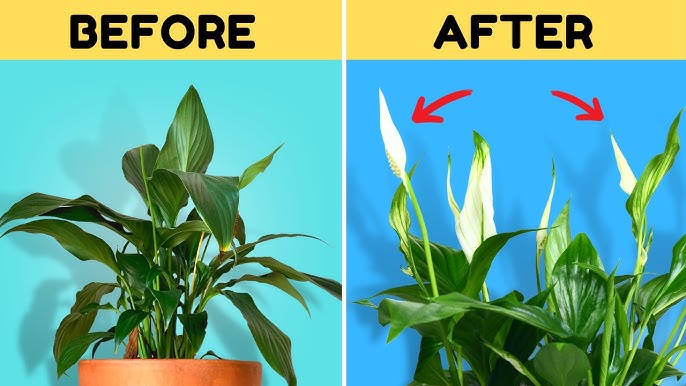
To encourage your lily plant to flower, it's essential to provide the right care and conditions that promote flowering. Here are several key aspects to consider:
Watering Requirements
Proper watering is crucial for the health of your lily plant. Ensure the soil is consistently moist but not overly saturated.
- Water deeply but infrequently, allowing the top inch of soil to dry out between waterings.
- Adjust the frequency based on the climate and whether the plant is indoors or outdoors.
- Avoid letting the plant sit in standing water to prevent root rot.
Sunlight Exposure
Lily plants thrive in bright, indirect light. Sunlight plays a significant role in promoting blooming.
- Place your lily plant in an area that receives at least 6 hours of sunlight daily.
- If indoors, a south or west-facing window is ideal.
- Be cautious of too much direct sunlight, which can scorch the leaves.
Soil Quality
The type of soil you use can greatly affect the flowering of your lily. Good drainage and nutrient content are vital.
- Use well-draining soil rich in organic matter, like compost.
- Consider a pH level between 6.0 and 7.0 for optimal growth.
- Re-pot your lilies every couple of years to refresh the soil and nutrients.
Fertilization Tips
Regular fertilization encourages flowering and healthy growth by providing necessary nutrients.
See also:
- Fertilize with a balanced, slow-release fertilizer once in spring as growth begins.
- Use a fertilizer higher in phosphorus (the middle number in the N-P-K ratio) to promote blooming.
- A second application may be beneficial after the first set of blooms appears.
Pruning and Deadheading
Proper maintenance, including pruning and deadheading, supports better blooming in future seasons.
- Remove spent flowers by pinching them off to encourage more blooms.
- Trim back yellowing leaves and spent stems to redirect energy to new growth.
- Cut back the plant after the blooming period to help prepare it for the next season.
What to do when lilies don't bloom?

When lilies don’t bloom, it can be frustrating for gardeners who have invested time and care into their plants. Here are some reasons why lilies may fail to bloom and steps you can take to rectify the situation.
Understanding the Causes of Lily Failure to Bloom
The failure of lilies to bloom can be attributed to various factors. Understanding these causes is crucial for taking effective action.
- Insufficient sunlight: Lilies generally require a lot of sunlight, typically around 6 hours a day. Lack of adequate light can stunt their growth and prevent blooming.
- Poor soil quality: Nutrient-deficient or compacted soil can hinder growth. Lilies thrive in well-draining, fertile soil.
- Over or under-watering: Both scenarios can stress the plant. Lilies need a consistent watering schedule to ensure their health.
Checking Soil Conditions
Evaluating the soil conditions where the lilies are planted is essential for their blooming success.
- Conduct a soil test: Determine pH and nutrient levels. Ideally, lilies prefer a pH between 6.0 and 6.8.
- Amend the soil: If the soil is poor, consider adding compost or other organic matter to improve fertility and drainage.
- Ensure proper drainage: If water tends to pool, consider raising the planting area or using raised beds.
Adjusting Watering Practices
Correct watering practices are vital for the health of lilies and their ability to bloom effectively.
- Water consistently: Ensure a regular watering schedule, aiming for 1 inch of water per week.
- Avoid overhead watering: Water at the base to prevent fungal diseases that can arise from wet foliage.
- Check for drainage: Make sure the pots or garden bed has adequate drainage holes to prevent root rot.
Fertilization Techniques
Fertilizing your lilies appropriately can boost their blooming potential.
- Use a balanced fertilizer: Apply a balanced fertilizer (like a 10-10-10 ratio) in early spring as new growth begins.
- Avoid high nitrogen fertilizers: While nitrogen is important, an excess can promote leaves at the expense of blooms.
- Apply fertilizer at the right time: Fertilize once at the beginning of their growing season and possibly again after blooming.
Patience and Timing for Blooming
Patience is key in gardening, particularly with perennials like lilies which may take time to establish.
- Consider the variety: Different lily varieties bloom at different times. Knowing the type can help in understanding blooming expectations.
- Give them time: Newly planted lilies may take a year or more to establish before they begin to bloom reliably.
- Monitor for pests and diseases: Ensure lilies are healthy to prevent any stressors that might affect bloom cycles. Regular inspections can help catch problems early.
Questions from Our Readers
How much sunlight do lilies need to bloom?
Lilies thrive best in full sunlight, requiring a minimum of 6 to 8 hours of direct sunlight daily. Adequate light not only promotes healthy foliage but also encourages prolific blooming. If they receive too little sunlight, the flowers may become sparse or fail to open.
What type of soil is ideal for lilies?
Lilies prefer well-drained, fertile soil with a neutral to slightly acidic pH. Incorporating organic matter such as compost can improve soil quality and drainage, ensuring that the roots receive adequate nutrients while preventing rot that can occur in overly moist conditions.
See also:
How often should I water lilies for optimal blooming?
Watering should be done consistently, allowing the soil to dry slightly between waterings. It's vital to keep the soil moist, but not soggy, as excess water can lead to root rot. A general guideline is to water deeply once a week, increasing frequency during particularly hot or dry spells.
Should I fertilize lilies to encourage blooming?
Yes, applying a balanced fertilizer in early spring can significantly boost blooming. A formulation high in potassium, such as a 5-10-10 fertilizer, is particularly beneficial as it supports flower development. Fertilizing should be done according to package instructions to avoid nutrient imbalances.

If you want to read more articles like Ultimate Guide: How to Encourage Lilies to Bloom? Tips and Tricks for Flourishing Flowers, we recommend you check out our Flowers category.
Leave a Reply
Related Articles