What Do You Put Around Daylilies? Essential Tips for Garden Success
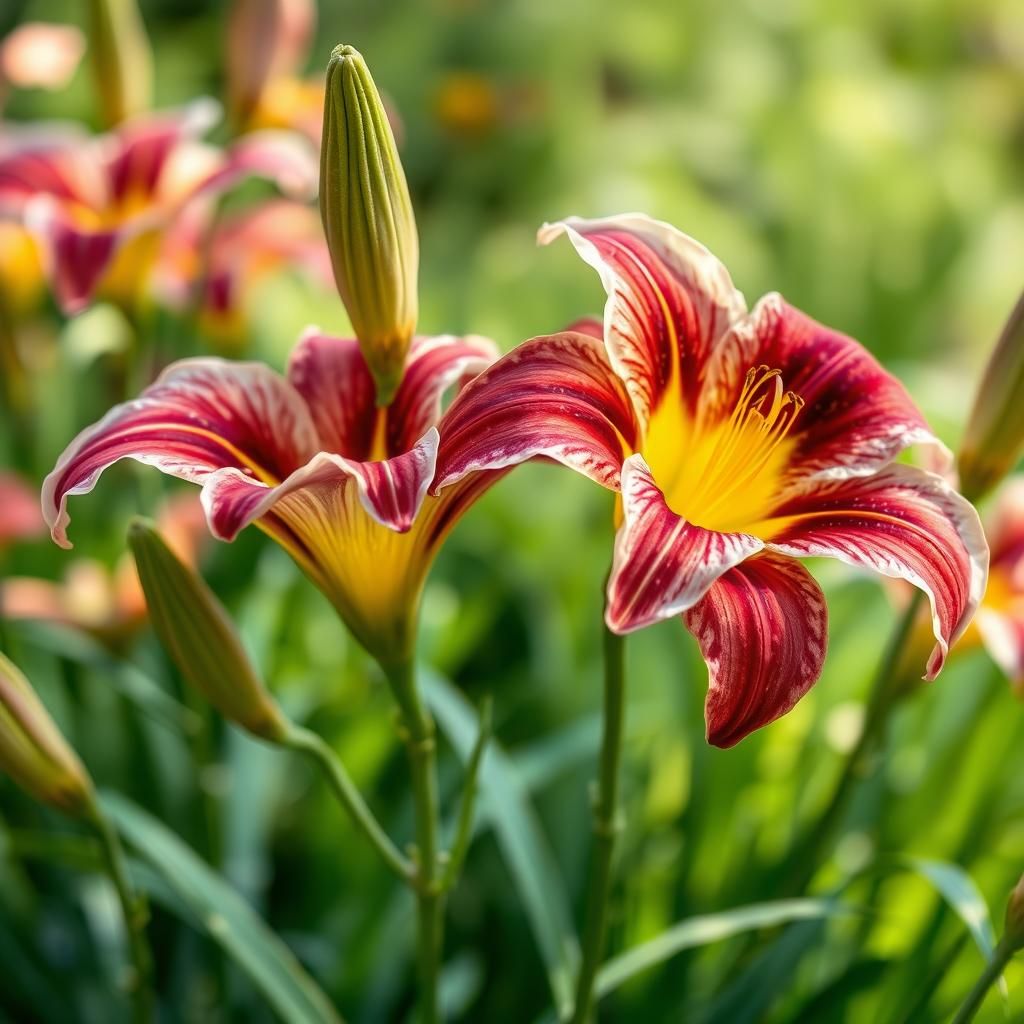
When it comes to cultivating daylilies, understanding their environment and care is crucial for thriving blooms and healthy plants. This article delves into the essential tips for what to put around daylilies, ensuring they receive the optimal conditions for growth. From mulch and companion plants to proper soil amendments, creating the right ecosystem is key to success in any garden. With the right practices in place, your daylilies can flourish, showcasing their vibrant colors and resilience throughout the growing season. Whether you're a seasoned gardener or a novice, these strategies will help elevate your gardening experience with daylilies.
What to Place Around Daylilies?
When planning your garden around daylilies, it's essential to consider the types of materials and plants that will complement these beautiful flowers. Daylilies thrive in well-drained soil and require full sun to partial shade, so surrounding them with organic mulch can help retain moisture and suppress weeds. Additionally, using landscape fabric underneath the mulch will improve drainage and prevent competing plants from taking nutrients. Incorporating companion plants like hostas or ornamental grasses can create a lush, diverse landscape that enhances the visual appeal while providing a supportive environment for daylilies to flourish.
The Benefits of Mulching
Mulching around daylilies serves multiple purposes; it helps retain soil moisture, regulates soil temperature, and reduces weed growth. Using organic materials such as bark mulch, straw, or shredded leaves not only enriches the soil as it decomposes but also adds to the aesthetics of your garden. A layer of mulch about 2-3 inches thick is generally effective for these purposes, ensuring that the soil remains healthy and conducive to the growth of your daylilies.
Choosing Companion Plants
Selecting the right companion plants is crucial when planning your garden. Plants like hostas, black-eyed Susans, and ornamental grasses pair beautifully with daylilies. These companions typically thrive in similar conditions, providing varying heights and colors that can enhance the overall aesthetic. Additionally, having a mix of plants can attract beneficial insects and pollinators, contributing to a healthier garden ecosystem.
Creating a Draining System
Daylilies prefer well-drained soil to prevent root rot and other diseases. To facilitate proper drainage, consider using gravel or pea stone around your daylilies, which will allow water to flow through easily, avoiding waterlogged conditions. Alternatively, raised beds can also be created to ensure adequate drainage while providing an attractive presentation for your daylilies.
Using Decorative Edging
Incorporating decorative edging around your daylilies can provide a polished look to your garden. Edging materials such as bricks, stones, or decorative metal can not only delineate your planting bed but also help in maintaining soil structure. This clear boundary will help prevent grass and weeds from encroaching on your garden space, and it adds a touch of artistry to your landscape design.
See also:
Soil Preparation Tips
Preparation of the soil before planting daylilies is vital for their growth and health. Amend the soil with compost to increase its nutrient content and improve drainage. Test the soil pH; daylilies prefer slightly acidic to neutral pH levels (6.0 to 7.0). Adding lime if the soil is too acidic, or sulfur if too alkaline, helps create an optimal growth environment that supports your daylilies effectively.
| Material/Plant | Purpose |
|---|---|
| Organic mulch | Retains moisture, suppresses weeds |
| Hostas | Companion plant, adds diversity |
| Gravel | Improves drainage around plants |
| Decorative edging | Enhances appearance, restricts weed growth |
| Compost | Enriches soil, boosts nutrient levels |
Can you put coffee grounds around daylilies?

Yes, you can put coffee grounds around daylilies, but there are some important factors to consider before doing so. Coffee grounds can provide various benefits to your daylilies, such as improving soil structure, adding nutrients, and attracting beneficial microorganisms. However, it's essential to use them in moderation and to be mindful of certain characteristics of your soil and plants.
Nutrient Benefits of Coffee Grounds
Coffee grounds contain several essential nutrients that can benefit your daylilies, primarily nitrogen, which promotes healthy leafy growth. Other trace elements found in coffee grounds include phosphorus and potassium, both vital for plant development.
- Nitrogen: Supports leaf growth and overall vigor.
- Phosphorus: Aids in root development and flowering.
- Potassium: Enhances plant resilience and health.
Soil Improvement with Coffee Grounds
Incorporating coffee grounds into the soil around daylilies can help improve soil structure. The coarse texture of the grounds can promote better drainage and aeration, which is crucial for healthy root development.
- Improved drainage: Prevents root rot and promotes healthy growth.
- Aeration: Encourages the movement of air and moisture in the soil.
- Soil structure: Enhances the ability of the soil to retain nutrients.
Attracting Beneficial Microorganisms
Coffee grounds can help attract beneficial microorganisms, such as earthworms and microbes that enrich the soil and promote healthy plant growth. These organisms play a significant role in the decomposition process, making nutrients more available to plants.
See also:
- Earthworms: Improve soil aeration and nutrient cycling.
- Microbes: Break down organic matter into nutrients.
- Enhanced biodiversity: Contributes to a healthier garden ecosystem.
Potential Risks of Using Coffee Grounds
While coffee grounds can be beneficial, there are also potential risks associated with their use. Over-application can lead to issues like soil acidification, which may not be suitable for all plants, including some types of daylilies that prefer neutral to slightly acidic soil.
- Soil acidification: Excessive acidity can harm plant growth.
- Overwhelming nutrients: Too much nitrogen can lead to excessive vegetative growth at the expense of blooming.
- Mold growth: Wet coffee grounds can promote mold if not properly managed.
How to Apply Coffee Grounds Safely
To ensure that coffee grounds benefit your daylilies without negative effects, apply them correctly. It's best to incorporate them into the soil or use them as a mulch layer rather than dumping them directly on the plant.
- Mixing into soil: Blend coffee grounds with existing soil for even distribution.
- Thin layer as mulch: Spread a light layer around the base of the plant.
- Monitor soil pH: Regularly check soil acidity to prevent imbalances.
Questions from Our Readers
What type of mulch is best for daylilies?
A good option for mulching daylilies is organic mulch, such as shredded bark or straw, which helps retain moisture and suppress weeds while adding nutrients to the soil as it decomposes.
Should I use fertilizer around daylilies?
Yes, using a balanced fertilizer around daylilies can promote healthy growth and abundant blooms, but be careful not to over-fertilize, as this can lead to excessive foliage at the expense of flowers.
Is it necessary to cover daylilies in winter?
In colder climates, it's advisable to apply a layer of mulch over daylilies in winter to protect the roots from freezing temperatures and to insulate the plants, promoting better growth in spring.
Can I plant ground cover around daylilies?
Yes, planting ground cover around daylilies can enhance the landscape and reduce weed growth, but make sure the chosen plants do not compete aggressively for nutrients and water.
See also:

If you want to read more articles like What Do You Put Around Daylilies? Essential Tips for Garden Success, we recommend you check out our Daylily category.
Leave a Reply
Related Articles