10 Common Reasons Why Are Daylilies' Leaves Turning Yellow?
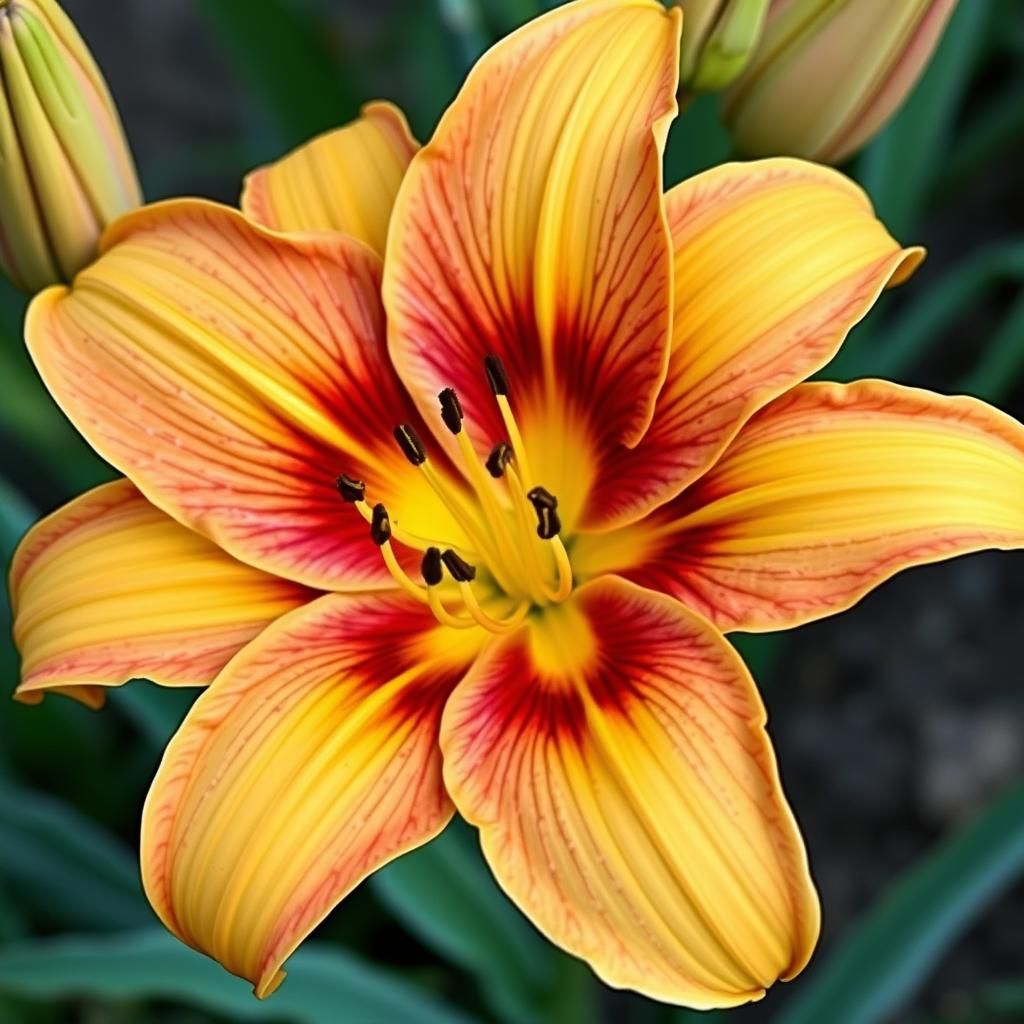
Daylilies are beloved perennials known for their vibrant blooms and hardy nature. However, gardeners often face the perplexing issue of yellowing leaves, which can signal various underlying problems. Understanding why daylily leaves turn yellow is essential for maintaining the health and beauty of these plants. In this article, we will explore ten common reasons for this phenomenon, from environmental factors and nutrient deficiencies to pests and diseases. By diagnosing the cause of yellowing leaves, you can implement effective solutions to restore your daylilies to their full glory and enjoy their stunning display throughout the growing season.
Why Are Daylilies' Leaves Turning Yellow?
The yellowing of daylily leaves can often be attributed to several factors, including nutrient deficiencies, overwatering, pests, and environmental stressors. Daylilies require adequate nutrients such as nitrogen, potassium, and phosphorus for healthy growth; a lack of these can lead to chlorosis, the yellowing of leaves. Furthermore, excessive water can cause root rot, hindering nutrient absorption and resulting in yellow leaves. Pests such as aphids and diseases like fungal infections can also sap the vigor of plants, leading to color changes. Lastly, environmental conditions such as high heat or poor soil drainage can stress plants, causing them to yellow as a sign of distress.
Nutrient Deficiencies
When daylilies are lacking essential nutrients, particularly nitrogen, the leaves can exhibit signs of yellowing. Nitrogen is critical for chlorophyll production, and without sufficient levels, the plant cannot effectively carry out photosynthesis. This deficiency may be noticeable in the form of yellowing starting from the leaf tips and progressing inward. To remedy this, applying a balanced fertilizer or a nutrient-rich organic amendment can help restore the necessary nutrients for vibrant, healthy leaves.
Overwatering
Overwatering is a common issue that can cause daylily leaves to turn yellow. Excess moisture in the soil can lead to root rot, affecting the plant's ability to properly uptake water and nutrients. When the roots are compromised, the plant may exhibit yellow leaves as a stress response. To solve this problem, it is essential to ensure that the soil has adequate drainage and to adjust watering schedules to allow the soil to dry out between watering sessions.
Pest Infestations
Pests like aphids and spider mites can cause significant damage to daylilies, resulting in yellowing leaves. These pests infest the foliage and sap vital nutrients, leading to weakened plants. Infestations are often characterized by visible signs such as sticky residue or tiny webs on the leaves. To combat pest problems, regularly inspect the plants and consider using insecticidal soap or introducing beneficial insects like ladybugs to control the population.
See also:
Environmental Stress
Daylilies can experience environmental stress due to extreme temperatures, poor soil composition, or insufficient light, all of which can contribute to yellowing leaves. High temperatures, particularly if coupled with inadequate moisture, can lead to stress where the plants show visual signs of distress like yellowing. Ensuring that daylilies are planted in a suitable location with adequate light and mulching to retain soil moisture can help mitigate this stress.
Fungal Infections
Fungal infections can also lead to yellowing leaves on daylilies, often resulting from issues such as poor air circulation or excessive humidity. Diseases like leaf streak can cause significant yellowing, typically accompanied by dark streaks along the leaves. Proper spacing between plants to allow for air circulation, keeping foliage dry, and using fungicides can help prevent and control these infections.
| Factor | Description | Solution |
|---|---|---|
| Nutrient Deficiencies | Lack of essential nutrients leading to chlorosis. | Apply balanced fertilizer. |
| Overwatering | Excess moisture causing root rot. | Improve drainage and adjust watering. |
| Pest Infestations | Insects affecting the plant's health. | Use insecticidal soap or ladybugs. |
| Environmental Stress | Extreme conditions affecting growth. | Ensure proper planting conditions. |
| Fungal Infections | Diseases affecting leaf health. | Promote air circulation and use fungicides. |
Understanding the Causes of Yellowing Daylily Leaves
Yellowing daylily leaves can be a puzzling issue, as it may stem from various underlying factors affecting their health. One common reason for this phenomenon is nutrient deficiency, particularly in nitrogen or iron, which are crucial for the production of chlorophyll. Additionally, overwatering can lead to root rot, depriving the plant of necessary nutrients and oxygen. Environmental stressors such as extreme temperatures, lack of sunlight, or poor soil drainage can also contribute to leaf discoloration. Identifying and addressing these causes promptly is essential for restoring the plant’s vitality and ensuring a vibrant bloom in the growing season.
Nutrient Deficiency
Nutrient deficiency is a prevalent reason for yellowing daylily leaves, especially a lack of nitrogen and iron. Nitrogen is vital for leaf growth and the overall green color of foliage, while iron is necessary for chlorophyll production. Without adequate levels of these nutrients, the leaves will start to turn yellow and may later die off. Regular soil testing can help determine nutrient levels, allowing you to amend the soil with the appropriate fertilizers to support your daylilies' growth.
Overwatering
Overwatering is another common cause that can lead to yellowing leaves in daylilies. Excess moisture can suffocate the roots, leading to root rot and ultimately impacting the plant's ability to take up essential nutrients. When the roots cannot function properly, the leaves will exhibit yellowing as a distress signal. To remedy this situation, ensure that you are allowing the soil to dry out between waterings and enhance drainage by using well-aerated soil or raised beds.
See also:
Pests and Disease
Pests such as aphids, spider mites, and thrips can significantly damage daylily leaves, leading to yellowing and stress in the plant. These pests feed on the sap, causing the leaves to lose their vitality. Similarly, diseases like fungal infections can also manifest as yellow and wilting leaves. Regular inspection of the foliage and immediate treatment with suitable insecticides or fungicides can help manage these issues effectively.
Environmental Stressors
Environmental stressors, including extreme temperatures and inadequate sunlight, can also cause daylily leaves to turn yellow. Daylilies thrive in full sun, and insufficient light can hinder their ability to photosynthesize adequately. Furthermore, sudden temperature changes can shock the plants, affecting their overall health. To mitigate these stresses, ensure daylilies are planted in a suitable location, protected from extreme elements, and receiving adequate sunlight throughout the day.
Poor Soil Drainage
Poor soil drainage can hinder the health of daylilies, creating conditions that foster yellowing leaves. When the soil remains saturated, it can lead to root problems and limit the plant’s access to nutrients and oxygen. Amending the soil with organic matter or choosing raised garden beds can help improve drainage. Additionally, ensuring that the planting site allows for proper water runoff is crucial in preventing root-related issues and promoting healthier foliage.
Questions from Our Readers
Why are my daylilies' leaves turning yellow?
The yellowing of daylilies' leaves can be attributed to several factors, including nutrient deficiencies, particularly a lack of nitrogen, or issues related to environmental stress such as extreme temperatures or inadequate watering. It’s crucial to assess their growing conditions to determine the exact cause.
Can overwatering cause daylilies' leaves to yellow?
Yes, overwatering can lead to root rot and other related issues, which often manifests as yellow leaves on daylilies. This is due to the roots being deprived of oxygen, leading to poor plant health and discoloration.
See also:
Is pest damage a reason for yellowing daylilies' leaves?
Absolutely, pests such as aphids or spider mites can damage daylily leaves, leading to yellowing and wilting. Monitoring your plants for infestations and taking appropriate action can help maintain their vibrancy.
How can I prevent my daylilies' leaves from turning yellow?
To prevent yellowing leaves on daylilies, ensure they receive proper watering and nutrients, and are planted in an area with adequate sunlight. Regularly check for pests and maintain a proper watering schedule to support their overall health.

If you want to read more articles like 10 Common Reasons Why Are Daylilies' Leaves Turning Yellow?, we recommend you check out our Daylily category.
Leave a Reply
Related Articles