Which Daylilies Have the Longest Blooming Season? Discover the Best Varieties for Continuous Color

Daylilies are a favorite among gardeners for their vibrant colors and low maintenance requirements. However, with so many varieties available, it's essential to know which types will provide the longest blooming season for your garden. In this article, we will explore the best daylily varieties that ensure continuous color from early spring through late summer. By selecting the right combinations of early, mid-season, and late-blooming cultivars, you can create a stunning display that enhances your landscape year-round. Join us as we delve into the world of daylilies and discover the perfect blooms for your garden.
Which Daylilies Have the Longest Blooming Season?
The daylily is a popular perennial plant known for its vibrant blooms and adaptability to various growing conditions. Among the countless varieties, certain daylilies stand out with their extended blooming seasons, typically offering color from late spring to early fall. Varieties such as ‘Happy Returns’ and ‘Stella de Oro’ are particularly renowned for their ability to produce flowers over a prolonged period, often reblooming throughout the season. These plants not only thrive in a range of soil types but also benefit from deadheading, which encourages further blooms and enhances the overall longevity of their flowering period.
Characteristics of Long-Blooming Daylilies
Long-blooming daylilies are characterized by their repeat blooming nature, which allows them to produce multiple rounds of flowers throughout the growing season. Typically, these varieties exhibit strong resilience against pests and diseases, making them ideal for low-maintenance gardens. Their foliage also tends to be lush and green, providing an attractive backdrop even when not in bloom. Gardeners often seek out well-drained soil and plenty of sunlight to maximize the performance of these resilient plants.
Popular Long-Blooming Varieties
Some of the most popular long-blooming daylilies include ‘Stella de Oro’, known for its compact growth and golden-yellow blooms, and ‘Happy Returns’, which features bright yellow flowers that appear early and continue to bloom throughout the summer. Additionally, ‘Jan Van Leeuwen’ is another noteworthy variety that offers striking orange-red flowers and blooms consistently from early summer to early fall. Each of these varieties has unique characteristics that cater to different garden environments and aesthetic preferences.
Growing Conditions for Maximum Blooming
For daylilies to achieve their full bloom potential, optimal growing conditions are crucial. These plants thrive in full sun to partial shade, ideally receiving a minimum of six hours of direct sunlight daily. Well-drained soil enriched with organic matter can significantly improve blooming performance. Regular watering, especially during dry spells, can also aid in sustaining vigorous growth and flowering. It's recommended to apply a balanced fertilizer in early spring to promote healthy foliage and abundant blooms throughout the season.
Maintenance Tips to Enhance Blooming
To ensure that daylilies maintain their long blooming seasons, regular maintenance is essential. Deadheading spent flowers not only promotes a tidier appearance but also encourages the plant to direct its energy towards producing new blooms. Dividing daylily clumps every three to four years helps rejuvenate the plants and can lead to more vigorous flowering. Additionally, applying a layer of mulch can retain moisture and suppress weeds, further enhancing the overall health of these beautiful perennials.
Additional Factors Influencing Bloom Duration
Several factors can influence the duration of bloom in daylilies, including the specific growing zone, climate conditions, and care practices. For instance, daylilies grown in warmer climates may bloom earlier and for longer than those in cooler regions. Additionally, the planting location can affect bloom times; those in sunnier spots tend to bloom more profusely. Using appropriate pest control and ensuring adequate water supply can also extend the blooming period by keeping the plants healthy and vibrant.
| Daylily Variety | Bloom Color | Average Bloom Duration | Optimal Sunlight |
|---|---|---|---|
| Stella de Oro | Golden-yellow | May to October | Full sun to partial shade |
| Happy Returns | Bright yellow | June to September | Full sun |
| Jan Van Leeuwen | Orange-red | June to October | Full sun |
Are there any daylilies that bloom all summer?
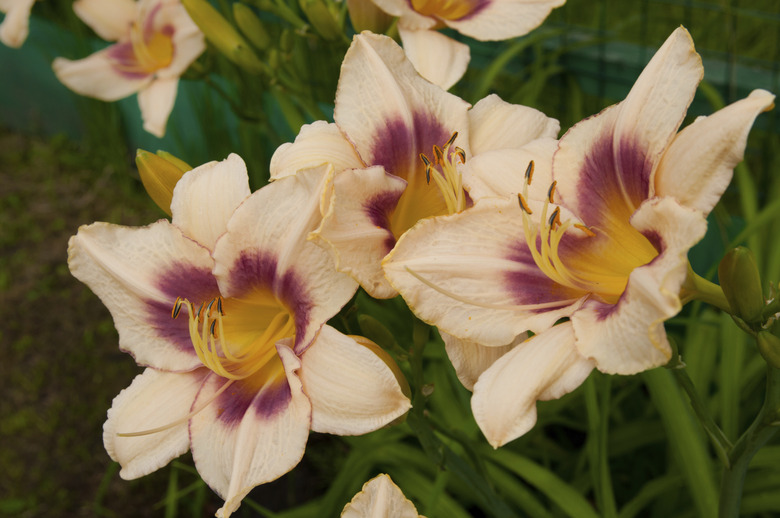
Yes, there are varieties of daylilies that can bloom throughout the summer. Daylilies belong to the genus Hemerocallis and are known for their vibrant colors and the ability to thrive in various climates. Though most daylilies have a specific bloom period, there are cultivars bred to extend their flowering season. These daylilies can produce flowers continuously or nearly so from late spring into the late summer.
Factors Affecting Daylily Blooming Duration
The blooming duration of daylilies can be influenced by several factors:
- Variety: Certain cultivars are specifically bred for prolonged blooming.
- Climate: Warmer climates can promote longer blooming periods.
- Care: Proper fertilization and watering can enhance blooming.
Best Daylily Varieties for Summer Blooms
Several daylily varieties are recognized for their ability to bloom all summer:
See also:
- 'Happy Returns': This is a well-known re-blooming variety that produces lemon-yellow flowers.
- 'Stella de Oro': A popular choice, it is known for its prolific blooms and golden-yellow flowers.
- 'Pardon Me': This daylily produces vibrant red blooms and is another excellent option for extended summer blooms.
Care Tips for Extended Daylily Blooms
To ensure your daylilies bloom throughout the summer, consider the following care tips:
- Deadheading: Regularly remove spent flowers to promote new blooms.
- Watering: Ensure these plants receive consistent moisture, especially during dry spells.
- Fertilization: Use a balanced fertilizer to support plant health and flower production.
Companion Plants for Daylilies
Planting daylilies alongside other flowering plants can enhance the garden's overall appearance. Here are some compatible companions:
- Hostas: With their lush foliage, hostas complement the flowers beautifully.
- Catmint: The aromatic leaves and blue flowers of catmint provide a nice contrast.
- Salvia: This plant adds vertical interest and attracts pollinators.
Common Pests and Problems
Despite their hardiness, daylilies are susceptible to some pests and issues:
- Spider mites: These can cause discoloration and leaf damage; regular watering can help control them.
- Daylily rust: A fungal disease that affects the foliage; removing affected leaves can help.
- Root rot: Overwatering can lead to this issue; ensure proper soil drainage.
What daylily blooms the longest?
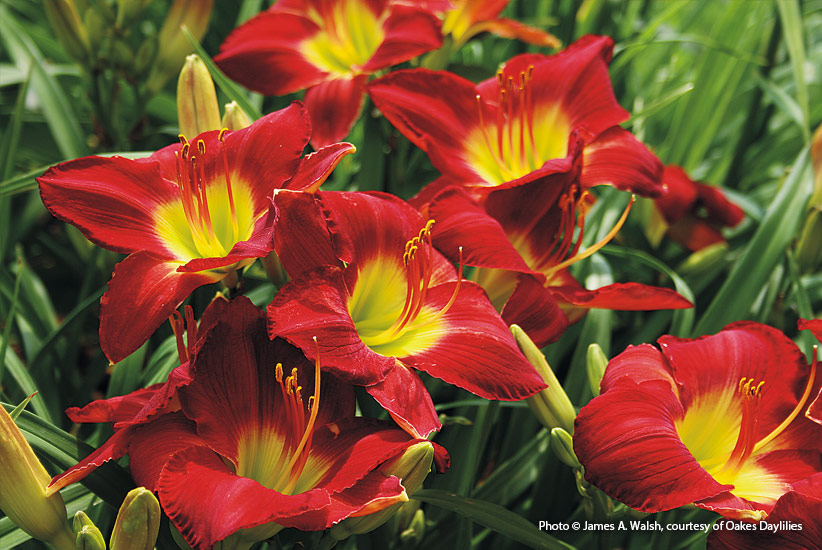
The daylily (Hemerocallis) is known for its remarkable ability to produce stunning blooms throughout the summer. One specific type of daylily that is renowned for its extended blooming period is the 'Stella de Oro'. This hybrid variety can deliver a continuous show of flowers that typically lasts from late spring to early autumn. The 'Stella de Oro' daylily is especially favored for its vibrant golden-yellow blossoms and its capacity to bloom repeatedly, making it a popular choice among gardeners.
Understanding Daylily Blooming Cycles
The blooming cycle of daylilies is primarily influenced by their genetic makeup, environmental conditions, and care practices. Daylilies typically bloom during summer; however, some varieties can bloom longer than others. The key factors that affect their blooming cycles include:
- Temperature: Daylilies thrive in warm climates, which can promote longer blooming periods.
- Soil Quality: Nutrient-rich, well-draining soil enhances growth and flowering frequency.
- Watering Practices: Consistent moisture, without waterlogging, encourages healthier plants and longer blooming.
Characteristics of 'Stella de Oro'
The 'Stella de Oro' is characterized by its short stature and profuse blooms. This daylily is not only prized for its beauty but also for its resilience. Its unique characteristics include:
- Compact Growth: Reaches about 12-18 inches tall, making it perfect for borders and small gardens.
- Reblooming Nature: Flowers open continuously throughout the season, often going through several cycles of blooms.
- Versatility: Can thrive in various conditions, from full sun to partial shade.
Care Tips for Prolonging Blooms
To ensure that your daylilies bloom for as long as possible, it is essential to provide them with appropriate care. Here are some tips to help prolong their blooming season:
- Regular Deadheading: Remove spent blooms to promote further flowering and prevent energy diversion.
- Fertilization: Use a balanced fertilizer in early spring to enhance growth and flowering potential.
- Mulching: Apply mulch to retain soil moisture and regulate temperature, which benefits blooming.
Other Long-Blooming Daylily Varieties
In addition to 'Stella de Oro', there are several other daylily varieties known for their extended blooming periods. Some of these include:
- 'Happy Returns': Known for its bright yellow flowers and high reblooming capability.
- 'Spacecoast Supernova': A vibrant variety that features large, showy blossoms and blooms consistently.
- 'Jersey Dandy': A classic choice with a long flowering season and fragrant petals.
The Role of Climate in Daylily Bloom Duration
The climate in which daylilies are planted significantly impacts their blooming duration and vigor. Factors include:
- Sunlight Exposure: Daylilies require full sun for optimal growth and longer blooming periods.
- Humidity Levels: Moderate humidity can enhance growth, while excessive humidity may lead to disease and reduced blooms.
- Frost Dates: Planting daylilies after the last frost can extend their blooming season.
Which daylilies are reblooming?
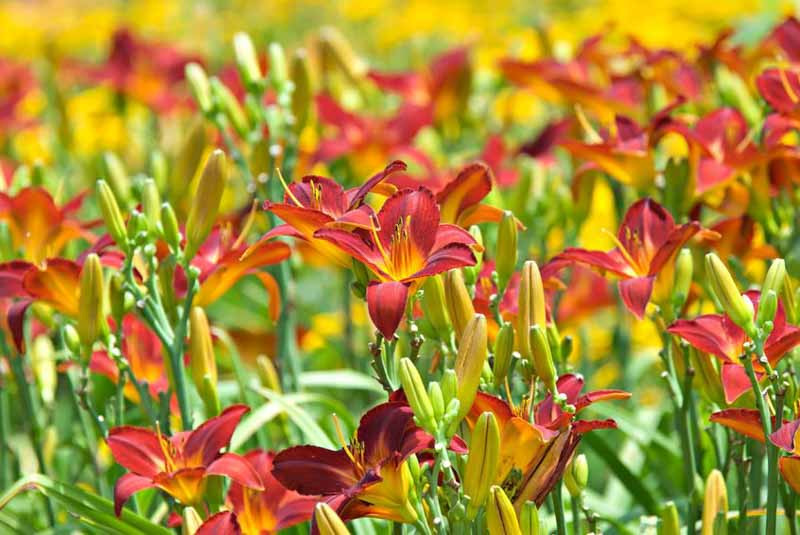

The reblooming daylilies are hybrid varieties known for their ability to flower multiple times throughout the growing season. Unlike traditional daylilies, which typically bloom for a short period, reblooming varieties can extend their floral display, making them a favorite among gardeners. Some of the most popular reblooming daylilies include:
- 'Stella de Oro': This variety is one of the most recognized rebloomers, producing bright yellow blooms from late spring until frost.
- 'Happy Returns': This cultivar features cheerful yellow flowers and tends to bloom more than once, often throughout the entire summer.
- 'Rosey Returns': A pink variant that adds a lovely touch to any garden, blooming in cycles throughout the summer.
- 'Twice the Spice': Known for its vibrant color and significant reblooming ability, providing excitement and charm to garden beds.
- 'Pardon Me': Features red flowers and keeps blooming through the season, making it a delight in smaller spaces.
Benefits of Reblooming Daylilies
Reblooming daylilies are a wonderful addition to any garden for various reasons:
- Extended Blooming Period: Unlike traditional varieties, rebloomers can produce flowers multiple times, offering continuous color.
- Diverse Color Range: These hybrids come in a spectrum of colors, including yellow, pink, red, and even bicolored varieties, enhancing garden aesthetics.
- Low Maintenance: Reblooming daylilies are hardy and generally require minimal care, making them ideal for busy gardeners.
How to Care for Reblooming Daylilies
Proper care is essential for maximizing the flowering potential of reblooming daylilies:
- Watering: Ensure adequate watering, especially during dry spells, as consistent moisture helps encourage more blooms.
- Fertilization: Use balanced fertilizers in early spring and mid-summer to promote healthy growth and robust blooming.
- Deadheading: Remove spent blooms regularly to encourage plants to produce more flowers and maintain a tidy appearance.
Best Planting Locations
Choosing the right spot for planting reblooming daylilies can significantly affect their performance:
- Full Sun: Plant in an area with at least six hours of sunlight per day to ensure optimal blooming.
- Well-drained Soil: Ensure the soil drains well to prevent root rot, as daylilies prefer slightly drier conditions.
- Space Considerations: Allow enough spacing between plants to promote airflow and prevent overcrowding, enhancing both growth and blooming.
Popular Reblooming Daylily Varieties
Several daylily varieties are well-known for their reblooming characteristics. Here are a few favorites among gardeners:
- 'Stella de Oro': A compact variety with golden-yellow blooms that continuously rebloom.
- 'Happy Returns': Bright yellow flowers that thrive in various landscapes and conditions.
- 'Pardon Me': A cute companion plant with rich red flowers that blooms multiple times throughout the season.
Challenges with Reblooming Daylilies
While reblooming daylilies are generally easy to care for, certain challenges may arise:
- Pest Issues: Be vigilant for pests like aphids and spider mites that can hinder growth. Regular inspections can help mitigate these problems.
- Overcrowding: As they grow, reblooming daylilies can become overcrowded and may require dividing every few years.
- Inconsistent Watering: Irregular watering can reduce blooming frequency, so establishing a consistent watering routine is crucial.
Questions from Our Readers
Which daylilies bloom the longest?
The daylilies known for having the longest blooming seasons typically include varieties such as 'Stella de Oro', which is a repeat bloomer, and 'Happy Returns'. These cultivars can continue to flower from late spring through early fall, given the right conditions.
How can I extend the blooming season of my daylilies?
To extend the blooming season of your daylilies, consider planting a variety of cultivars that have different bloom times, along with proper fertilization and regular deadheading. This can help to encourage more blooms and a longer display throughout the growing season.
Do all daylilies have the same blooming period?
No, not all daylilies have the same blooming period. While some varieties bloom early in the season, others might bloom later. This diversity is why it’s beneficial to select multiple types to ensure continuous flowers from spring to fall.
What conditions do daylilies need for a prolonged bloom?
Daylilies thrive under full sun and well-drained soil, which significantly contributes to a longer bloom. Ensuring they receive adequate water and nutrients can also promote overall plant health and enhance blooming duration.
See also:

If you want to read more articles like Which Daylilies Have the Longest Blooming Season? Discover the Best Varieties for Continuous Color, we recommend you check out our Daylily category.
Leave a Reply
Related Articles