Do Petunias Grow Better in Pots or the Ground? A Comprehensive Guide to Choosing the Best Growing Method

When it comes to growing petunias, gardeners often face the decision of whether to plant them in pots or directly in the ground. Both methods have their unique advantages and challenges, making the choice crucial for achieving vibrant blooms and healthy plants. This comprehensive guide will explore the factors influencing petunia growth in each setting, including soil conditions, space considerations, and maintenance requirements. By examining these elements, you'll be better equipped to determine the optimal environment for your petunias, ensuring they flourish and add beauty to your garden or patio. Let’s dive into the pros and cons of each growing method.
Do Petunias Thrive Better in Pots or in the Ground?
Petunias can flourish in both pots and the ground, but their growth depends largely on specific conditions such as drainage, sunlight, and water availability. When grown in pots, petunias can benefit from improved soil quality and easier control of watering and fertilization, which can lead to more vibrant blooms. On the other hand, petunias planted in the ground can establish deeper root systems and may have access to more nutrients from the surrounding soil, although they are more susceptible to pests and disease. Ultimately, the choice between pots and ground planting hinges on the gardener's preference and the local environmental factors.
Benefits of Growing Petunias in Pots
Growing petunias in pots offers significant advantages, including better drainage and the ability to control soil quality more effectively. Container gardening allows for tailored nutrient management, where gardeners can select high-quality potting mixes and easily add fertilizers. Additionally, pots can be moved to optimize sunlight exposure, enabling petunias to thrive under the best conditions. The portability of pots also allows for creative landscaping, making it easy to rearrange plants depending on seasonal aesthetics.
Advantages of Planting Petunias in the Ground
Planting petunias in the ground allows for their roots to extend deeper into the soil, which can result in stronger and more resilient plants. Ground-planted petunias benefit from a larger volume of nutrient-rich soil, potentially leading to better growth and more prolific flowering. Additionally, petunias in the ground can remain insulated from extreme temperature fluctuations, allowing for longer growing seasons. However, they may require routine monitoring for pests and diseases that can affect their health.
Watering Needs for Pot vs Ground Grown Petunias
The watering needs between potted and ground-grown petunias differ significantly. Potted petunias generally require more frequent watering, as the soil in containers dries out more rapidly than that in the ground. Container growth can lead to faster evaporation of moisture, especially in hot weather. Conversely, petunias planted in the ground may retain moisture for longer periods, often necessitating less frequent watering. However, gardeners should monitor both to ensure they receive adequate moisture without risking root rot.
Soil Quality Considerations
Soil quality plays a crucial role in the success of petunias, regardless of the growing method. In pots, using high-quality potting mixes with good drainage is essential to prevent waterlogged conditions that can hinder growth. Adding organic matter can enhance the soil’s fertility and structure. Conversely, when planting in the ground, assessing the existing soil is necessary; amendments such as compost or organic fertilizers can improve soil quality. Healthy soil rich in nutrients encourages robust growth and vibrant flowers for both planting methods.
Pest and Disease Management
Pest and disease management strategies differ considerably between potted and ground-grown petunias. Potted plants tend to have localized infestations that can be easier to control, as gardeners can apply targeted treatments without affecting surrounding plants. However, they can be more vulnerable to conditions such as damping off due to poor drainage. Ground-planted petunias might experience a broader range of pests and diseases that can spread from the soil or nearby plants; therefore, regular monitoring and preventive measures are key to maintaining their health.
| Aspect | Potted Petunias | Ground-Planted Petunias |
|---|---|---|
| Watering Frequency | Higher, due to rapid drying | Lower, retains moisture |
| Root Depth | Shallower | Deeper |
| Nutrient Availability | Controlled through potting mix | Dependent on ground soil quality |
| Pest Management | Localized, easier to manage | Wider range, requires vigilance |
| Sunlight Optimization | Can be moved as needed | Fixed location |
Do petunias do better in pots or in the ground?
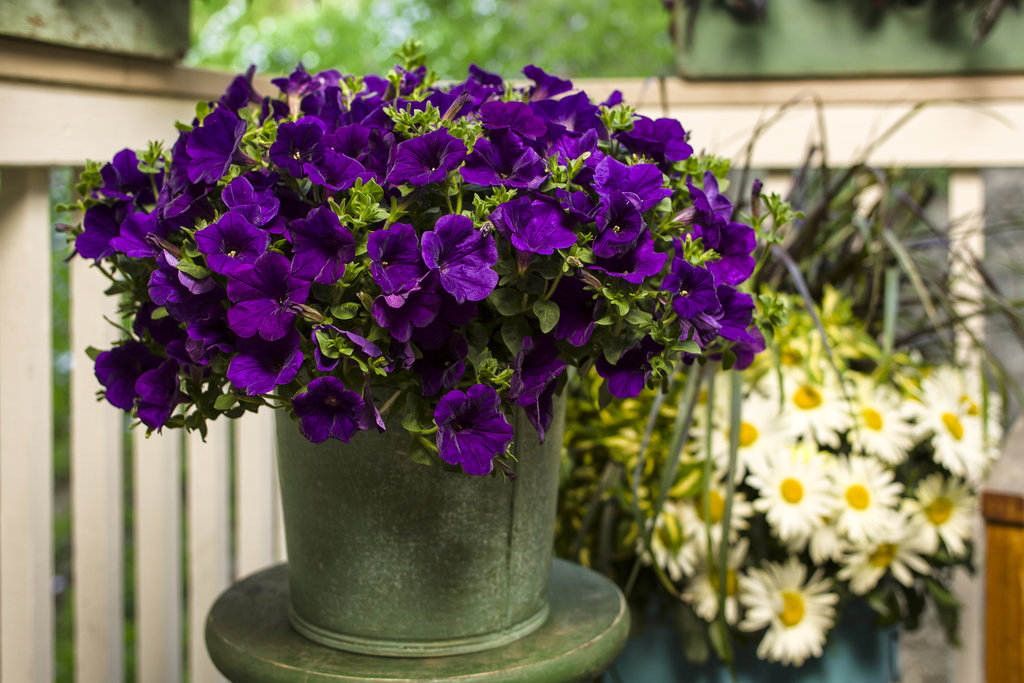
Petunias are versatile flowers that can thrive in both pots and in the ground. The choice between these two options often depends on the specific cultivation conditions and the gardener's preferences. Each option has its own set of advantages and disadvantages, which are important to consider when deciding where to grow petunias.
Benefits of Growing Petunias in Pots
Growing petunias in pots allows for greater control over the plant's environment. Pot-grown petunias can be easily moved to optimize sun exposure and protect them from extreme weather conditions.
See also:
- Mobility: Pots can be relocated as needed for optimal sunlight or protection from adverse weather.
- Soil Control: You can use potting soil that provides the best drainage and nutrients for petunias.
- Space Efficiency: Ideal for small gardens or patios where ground space is limited.
Advantages of Planting Petunias in the Ground
Planting petunias in the ground often leads to larger floral displays and greater natural growth. Soil in the ground can provide a more stable environment for root development.
- Root Expansion: In-ground planting allows roots to spread out more freely, promoting growth.
- Natural Nutrients: Ground soil often contains beneficial microorganisms and nutrients not found in potting mixes.
- Less Frequent Watering: Ground-planted petunias typically require less frequent watering compared to those in pots.
Sunlight Requirements for Pot vs. Ground
Both pot-grown and ground-planted petunias need ample sunlight to thrive. However, pot placement can significantly affect their exposure to sunlight.
- Pots: Can be moved to catch more sunlight throughout the day.
- Ground: Should be planted in a location with full sun for at least six hours daily.
- Shade Consideration: It's easier to provide temporary shade for pots than for ground plants if there's too much sun exposure.
Watering Considerations for Petunias
The watering needs of petunias vary whether they are grown in pots or in the ground. Proper watering is crucial to their health and blooming potential.
- Pots: Require more frequent watering as potting soil drains quickly.
- Ground: Retains moisture better, leading to less frequent watering necessity.
- Drainage: Ensure pots have drainage holes to prevent waterlogging, while in-ground pets should be planted in well-draining soil.
Fertilization Needs for Petunias
Both pot-grown and in-ground petunias benefit from regular fertilization, but the type and frequency may differ.
- Pots: Often require more frequent fertilization due to limited nutrient availability in potting soil.
- Ground: May benefit from natural soil nutrients; regular compost additions can enhance growth.
- Liquid Fertilizers: Are advantageous for pot-grown petunias to ensure nutrient delivery directly to the roots.
What is the secret to growing petunias?
:max_bytes(150000):strip_icc()/KaraRiley-10-5e6371888b8a43eb9973aa8ed5cad44f.jpg)
To successfully grow petunias, certain secrets and care practices must be followed, ensuring vibrant blooms and healthy plants. Petunias are beloved for their spectacular colors and ability to thrive in various conditions, making them a popular choice for gardeners. This guide will provide detailed insights into the essential steps to cultivate petunias effectively.
Soil Requirements
The foundation of growing healthy petunias lies in the quality of the soil. Petunias thrive in well-draining, nutrient-rich soil. Here are key aspects to consider:
- Drainage: Ensuring the soil has good drainage helps prevent root rot.
- pH Level: Ideal soil pH for petunias is between 6.0 and 7.0, slightly acidic to neutral.
- Nutrients: Incorporating organic matter such as compost can enhance soil fertility.
Watering Practices
Proper watering is crucial to keeping petunias healthy. Striking the right balance is vital, as both under-watering and over-watering can cause issues. Consider these guidelines:
- Frequency: Water petunias regularly, especially during dry periods, but let the soil dry slightly between waterings.
- Method: Water at the base of the plant to avoid wetting the foliage, which can lead to diseases.
- Signs of Need: Yellowing leaves or wilting are signs that your petunias may need more water.
Sunlight Exposure
Petunias are sun-loving plants that require abundant sunlight for optimal growth. Here’s what to keep in mind:
- Direct Sunlight: Aim for at least 6 hours of direct sunlight each day to encourage blooming.
- Heat Tolerance: Petunias can withstand high temperatures, but they may require extra water during extremely hot days.
- Shade Considerations: In very hot climates, provide some afternoon shade to prevent stress on the plants.
Fertilization Tips
Regular fertilization plays a significant role in maintaining petunia health and promoting abundant flowers. Follow these tips for successful feeding:
See also:
- Type of Fertilizer: Use a balanced, slow-release fertilizer suited for flowering plants to promote growth.
- Frequency: Fertilize every 4-6 weeks during the growing season for continued vigor.
- Watering-in Fertilizer: Always water after applying fertilizer to prevent root burn.
Pest and Disease Management
Monitoring for pests and diseases is essential for petunia care. Addressing issues early can save your plants from serious damage. Keep an eye on the following:
- Common Pests: Look out for aphids, whiteflies, and spider mites, which can harm petunias.
- Disease Prevention: Ensure good air circulation and avoid overhead watering to reduce the risk of fungal diseases.
- Organic Solutions: Use insecticidal soap or neem oil for pest control while minimizing harm to beneficial insects.
Do plants grow better in pots or in the ground?
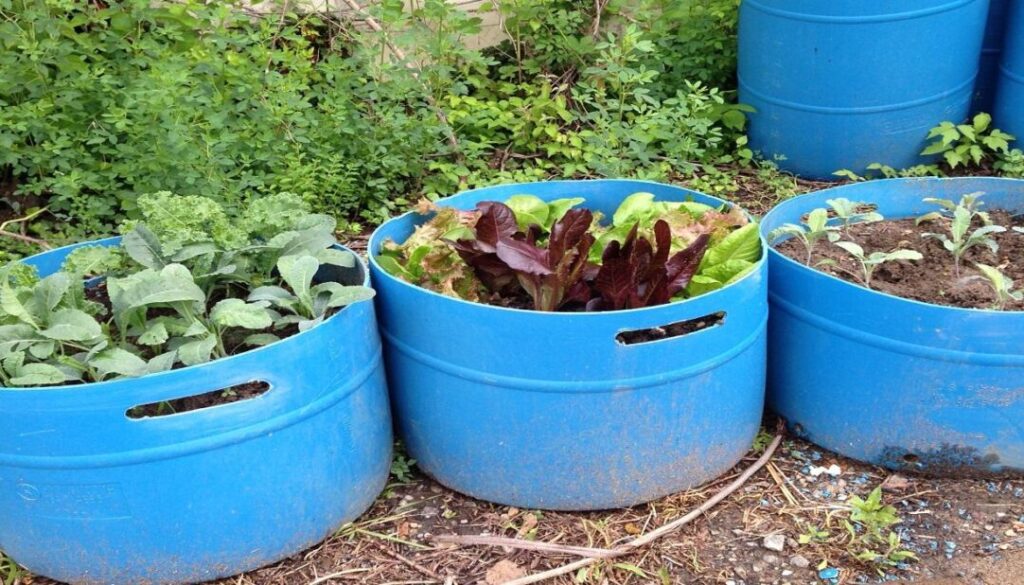
When comparing plant growth in pots versus in the ground, several factors come into play. Each environment has distinct advantages and disadvantages depending on the type of plant, the local climate, and the gardener's resources and preferences.
Advantages of Growing Plants in Pots
Growing plants in pots can offer several benefits that are often suited for specific gardening needs and environments.
- Mobility: Pots can be moved easily to different locations to optimize light, temperature, and protection from harsh weather conditions.
- Soil Control: Pots allow gardeners to create the perfect soil mixture tailored for specific plant needs, which can be crucial for plants that require well-draining soils.
- Pest Management: By containing plants in pots, it can be easier to control pests and diseases, as well as prevent the spread of invasive species.
Disadvantages of Growing Plants in Pots
While pots offer many advantages, they also come with certain challenges that can affect plant growth.
- Limited Space: The root system is confined, which can restrict growth and ultimately affect the health and vigor of the plant.
- Watering Needs: Potted plants may dry out more quickly than those in the ground, requiring more frequent watering to maintain moisture levels.
- Temperature Fluctuations: Containers can heat up or cool down faster than ground soil, potentially stressing the plant during temperature extremes.
Advantages of Growing Plants in the Ground
Planting directly in the ground has many benefits that can enhance overall growth and vitality.
- Root Growth: Plants have access to unlimited space for their roots to expand, which can lead to stronger and healthier plants.
- Moisture Retention: Ground soil tends to retain moisture better than pots, leading to reduced watering requirements.
- Microbial Activity: In-ground plants benefit from a diverse range of soil microorganisms that contribute to nutrient availability and soil health.
Disadvantages of Growing Plants in the Ground
Despite the benefits, growing plants in the ground also has its downsides.
- Less Control Over Soil: Soil quality can vary greatly and may require amending to meet plant requirements.
- Permanent Location: Once planted, moving plants is much more difficult, especially for larger specimens.
- Pest Vulnerability: Ground-grown plants are often more susceptible to pests and diseases which can spread from neighboring plants.
Impact of Environment and Climate
The environment and climate play a significant role in determining whether pots or ground planting is more beneficial.
- Climate Variability: In areas with extreme weather, pots can be moved to protect plants from heat waves or frosts, making them ideal for sensitive species.
- Soil Conditions: Poor soil in the ground may necessitate potting for optimal growth, while rich soil can encourage in-ground planting.
- Space Availability: Urban gardeners with limited space may opt for pots, while those with larger gardens might prefer in-ground planting.
Questions from Our Readers
Do petunias grow better in pots or the ground?
Petunias can thrive in both pots and the ground, depending on the specific growing conditions. When planted in pots, they can benefit from better drainage and control over soil quality, while in the ground, they may have access to more nutrients and moisture. Ultimately, the choice will depend on your gardening preferences and local climate.
What are the advantages of growing petunias in pots?
Growing petunias in pots offers several advantages, including the ability to control soil quality, provide better drainage, and relocate plants as needed for optimal sunlight. Additionally, pots can help prevent soil-borne pests and diseases, making it easier to care for your petunias.
See also:
Can petunias grow well in poor soil conditions?
Petunias are relatively adaptable and can grow in poorer soil conditions, but they thrive best in well-draining, nutrient-rich soil. While they may survive in less than ideal conditions, enriching the soil with compost or fertilizer will promote healthier growth and more vibrant blooms.
How often should I water petunias in pots versus in the ground?

If you want to read more articles like Do Petunias Grow Better in Pots or the Ground? A Comprehensive Guide to Choosing the Best Growing Method, we recommend you check out our Flowers category.
Leave a Reply
Related Articles