Do You Plant Marigolds in Sun or Shade? Discover the Best Growing Conditions for Marigolds
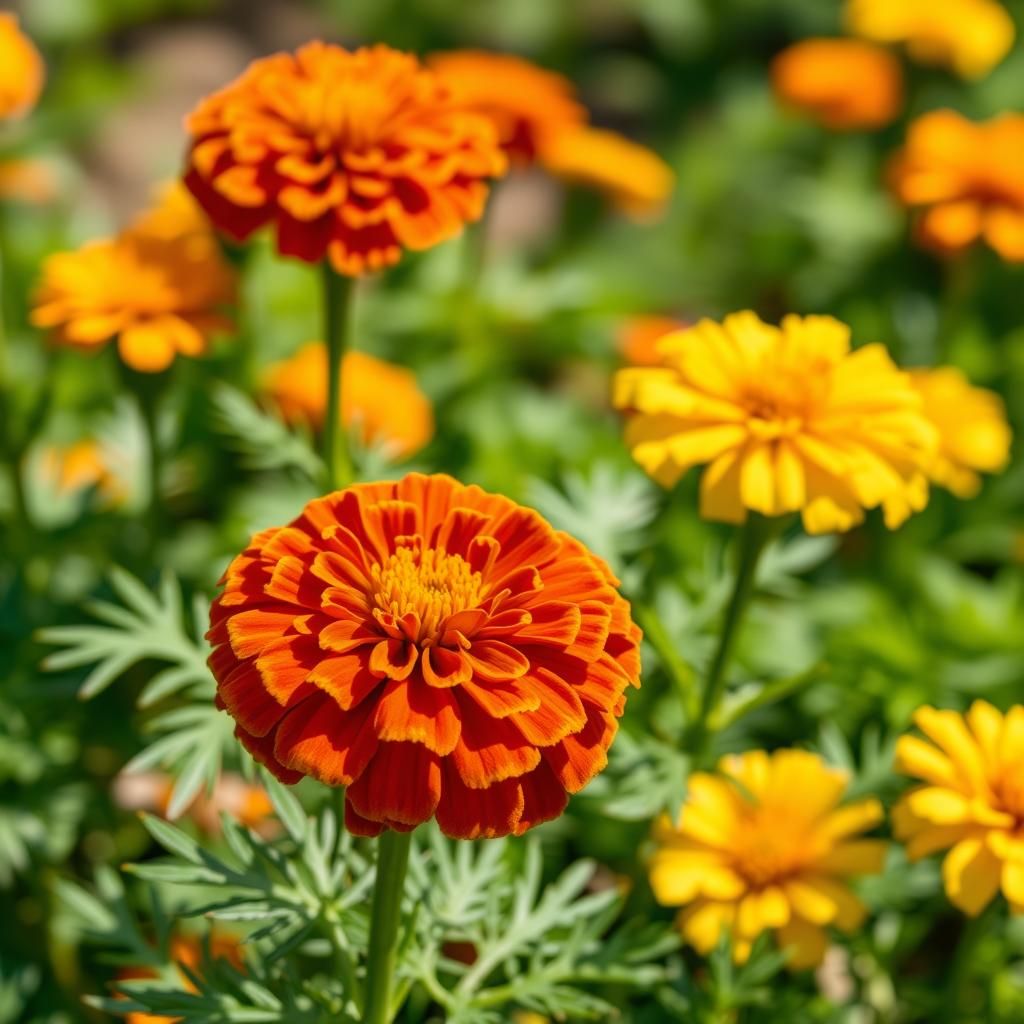
Marigolds are vibrant and versatile flowers that can enhance any garden, but understanding their ideal growing conditions is crucial for success. One common question among gardeners is whether marigolds prefer sun or shade. This article delves into the specific light requirements for marigolds, exploring how sun exposure affects their growth, blooming habits, and overall health. By discovering the best conditions for these cheerful flowers, gardeners can cultivate a thriving display of marigolds that not only beautifies their outdoor spaces but also attracts beneficial pollinators. Join us as we uncover the secrets to growing marigolds to their full potential.
Planting Marigolds: Sun or Shade?
Marigolds thrive best when planted in full sun, meaning they require at least 6 hours of direct sunlight each day to develop vibrant blooms and healthy foliage. While they may tolerate partial shade, their growth and flowering may be significantly reduced in such conditions. When planted in ideal sunlight, marigolds can attract beneficial insects and deter pests, making them not only beautiful additions to the garden but also functional companions for other plants. Therefore, if you're planning to grow marigolds, ensure you choose a well-lit spot in your garden for optimal results.
Understanding Marigold Light Requirements
Marigolds, known for their bright colors and resilience, prefer full sun to showcase their beauty. They need at least 6 hours of direct sunlight per day to produce robust plants with plentiful blooms. Insufficient sunlight can lead to leggy growth and reduced flowering, as the plants will stretch towards the light. Understanding this light requirement is crucial for gardeners who wish to maintain a lively and colorful garden filled with marigolds.
Choosing the Right Location for Marigolds
When selecting a location for planting marigolds, opt for areas that receive adequate sunlight throughout the day. Avoid shaded spots created by tall structures or overhanging trees, as these can limit light exposure. Ideal locations may include open garden spaces or containers placed on sunny patios. The right site selection will enhance growth, enabling marigolds to flourish with vibrant colors and strong stems.
Effects of Shade on Marigold Growth
Planting marigolds in shade can negatively impact their overall health and flowering abilities. In shaded environments, these flowers may blossom less frequently, and their stems may become weak and spindly as they reach for the light. This can also make them more susceptible to diseases, as poor air circulation often accompanies shadows. Therefore, it is advisable to avoid shaded areas if you want your marigolds to reach their full potential.
Tips for Growing Marigolds in Limited Sunlight
If you have a garden with limited sunlight, consider using strategies to maximize exposure for your marigolds. You could use reflective surfaces or strategically position other plants to create a more favorable environment. Additionally, selecting more shade-tolerant varieties of marigolds can help provide color without full sun. However, if possible, try to supplement their light with artificial grow lights for healthier growth during low-light periods.
See also:
Benefits of Planting Marigolds in Sunny Areas
Planting marigolds in sunny areas provides numerous benefits, including vibrant flowers, increased resistance to pests, and a healthier garden ecosystem. The bright yellows and oranges of marigolds can also enhance the aesthetic appeal of the garden, serving as a cheerful border or companion plants for vegetables and other flowers. Furthermore, their ability to deter nematodes and other harmful pests makes them a valuable addition to your garden, especially when strategically placed in sunny spots.
| Condition | Marigold Growth | Location |
|---|---|---|
| Full Sun | Optimal flowering and healthy growth | Open garden spaces, sunny patios |
| Partial Shade | Reduced growth and fewer blooms | Near taller plants or structures |
| Full Shade | Minimal flowering, weak stems | Undercover of trees or buildings |
What month is best to plant marigolds?

Marigolds are a popular choice for gardeners due to their bright colors and ability to attract beneficial insects. The best month to plant marigolds generally depends on your climate zone. However, a good rule of thumb is to start planting marigolds in late spring, specifically in May, when the risk of frost has passed, and soil temperatures are warming up.
Understanding Your Climate Zone
The first step in determining the best time to plant marigolds is understanding your local climate zone. Different zones have varying planting calendars, so knowing your zone can help maximize the growth potential of your marigolds.
- Zone 5 and below: Plant in late May.
- Zone 6: Begin planting mid- to late April.
- Zone 7 and above: Start planting in early to mid-April.
Soil Temperature Considerations
Another crucial factor when planting marigolds is the temperature of the soil. Marigolds thrive in warm soil, and planting too early can lead to poor germination and growth.
- Ideal Soil Temperature: Marigolds prefer soil temperatures between 60°F and 70°F.
- Testing Soil Temperature: Use a soil thermometer to check before planting.
- Wait for Warmth: If the soil is cold, it's wise to delay planting.
Timing for Seedlings vs. Direct Sowing
The approach you choose for growing marigolds can also affect when you should plant them. Growing from seeds or starting with seedlings has different timing needs.
See also:
- Starting Seeds Indoors: If starting from seeds, sow them indoors 6 to 8 weeks before the last frost date.
- Transplanting Seedlings: Transplant seedlings outdoors after the last frost, usually in late May.
- Direct Sowing: For direct sowing, wait until soil temperatures warm up in late spring.
Regional Variations
It's essential to consider that regional variations can influence the best month to plant marigolds. Different areas may have unique climatic conditions that can affect planting times.
- Coastal Areas: May is ideal for seaside climates where temperatures are milder.
- Inland Regions: Planting can start earlier in warmer, inland regions.
- Mountain Areas: In cooler elevations, wait until late May or even June.
Impact of Weather Conditions
Lastly, it's crucial to monitor the weather conditions leading up to and during the planting period for marigolds. Unexpected cold snaps or heavy rains can impact your planting schedule.
- Frost Alerts: Keep an eye on the local forecast for frost warnings.
- Heavy Rain Predictions: Avoid planting during excessive rain, as this can wash away seeds.
- Wind and Temperature: Wait for calm and warm days to ensure better chances of survival for new plants.
Questions from Our Readers
Do marigolds prefer sun or shade?
Marigolds thrive in full sunlight and ideally need at least six hours of direct sunlight each day to grow healthy and vibrant. While they may tolerate partial shade, they will not bloom as profusely in these conditions.
Can marigolds grow in shady areas?
While marigolds can survive in shady areas, they do not perform well and may exhibit stunted growth and fewer flowers. To achieve the best results, it’s important to plant them in areas that receive ample sunlight.
What happens to marigolds in full shade?
In full shade, marigolds will struggle to survive, leading to poor health and diminished flowering. The lack of proper light can make them more susceptible to diseases and pests, impacting their overall vitality.
How much sun do marigolds need to bloom?
To ensure abundant blooming, marigolds require at least six to eight hours of sunlight daily. Sufficient exposure to sunlight promotes robust growth and vibrant flowers, making them a favorite for gardens and landscapes.
See also:

If you want to read more articles like Do You Plant Marigolds in Sun or Shade? Discover the Best Growing Conditions for Marigolds, we recommend you check out our Flowers category.
Leave a Reply
Related Articles