What are the easiest flowers to grow in a garden bed? Discover Simple Tips for Your Green Thumb!

Creating a vibrant garden can be a rewarding experience, especially when you choose the right flowers to cultivate. If you're new to gardening or simply looking to simplify your planting process, understanding which flowers are the easiest to grow is essential. In this article, we will explore some of the most beginner-friendly flowers that thrive in garden beds. Along with this, we will share simple tips and techniques to help nurture your green thumb effortlessly. Whether you're aiming to add color to your yard or simply enjoy the beauty of nature, these flowers will make your gardening journey a breeze.
The Easiest Flowers to Grow in a Garden Bed
Growing flowers in your garden bed can be a rewarding experience, especially when you choose varieties that are known for their hardiness and ease of care. Some of the easiest flowers to cultivate include marigolds, which thrive in most soil types and are resistant to pests; zinnias, which offer vibrant colors and require minimal maintenance; pansies, perfect for cooler climates and blooming from spring through fall; sunflowers, which are not only tall and striking but also simple to plant; and daisies, which are perennial favorites that return year after year with little effort. These flowers not only enhance the beauty of your garden but also attract beneficial insects, making them great choices for both beginners and seasoned gardeners.
Marigolds
Marigolds are often recommended for novice gardeners due to their disease resistance and robust nature. They flourish in well-drained soil and can tolerate a range of light conditions, thriving best in full sun. Furthermore, marigolds deter pests, making them an excellent companion plant for vegetables and other flowers.
Zinnias
Zinnias are celebrated for their stunning display of colors and long bloom time. They prefer full sun and can tolerate drought conditions, making them suitable for various climates. With minimal care including deadheading, zinnias produce vibrant flowers that can last throughout the summer, making them a standout in any garden bed.
Pansies
Pansies are ideal for cooler weather and offer a variety of colors and patterns that can brighten any garden. They thrive in rich, well-drained soil and partial to full sun, making them versatile for spring and fall planting. With regular watering, pansies can provide beautiful blooms for an extended period, often surviving frosty conditions.
Sunflowers
Sunflowers are not just easy to grow, but they also make a striking addition to any garden due to their tall, vibrant heads. They require full sun and well-draining soil to grow effectively. With a simple process of sowing seeds directly into the ground after the last frost, gardeners can enjoy these stunning flowers by mid-summer, attracting birds and pollinators alike.
Daisies
Daisies are a classic choice for gardeners seeking low-maintenance blooms. They thrive in a range of soils and prefer full sun to partial shade. Daisies are perennial flowers, meaning they will come back year after year, providing reliable beauty with minimal effort. They can also spread quickly, filling your garden bed with their cheerful presence.
| Flower | Light Preference | Soil Type | Maintenance Level |
|---|---|---|---|
| Marigolds | Full Sun | Well-drained | Low |
| Zinnias | Full Sun | Well-drained | Low |
| Pansies | Partial to Full Sun | Rich, Well-drained | Medium |
| Sunflowers | Full Sun | Well-drained | Low |
| Daisies | Full Sun to Partial Shade | Varied | Low |
What are the easiest flowers to grow in a flower bed?
:max_bytes(150000):strip_icc()/GettyImages-1366343015-d00ff618ffe1463e840366cdc286315c.jpg)
The easiest flowers to grow in a flower bed can vary based on climate, soil conditions, and the gardener's experience. However, certain flowers are widely recognized for their resilience and low maintenance needs. Here are some of those flowers:
Marigolds
Marigolds are one of the most popular choices for novice gardeners. They are known for their vibrant colors and ability to attract beneficial insects while deterring pests.
- Resilient: They thrive in various soil types and can tolerate drought conditions.
- Attractive: Available in shades of yellow, orange, and red, marigolds add a splash of color to any garden.
- Easy to grow: They can be started from seeds or transplants and require minimal care.
Petunias
Petunias are another easy-to-grow flower that brings a plethora of colors and forms to a flower bed. They bloom profusely and can be grown in both sunny and partially shaded areas.
- Varieties: There are many varieties, including spreading and upright types, which allows for versatility in garden design.
- Continuous Bloom: With proper care, they can bloom all summer long.
- Maintenance: Deadheading spent flowers promotes further blooming and is relatively easy to do.
Zinnias
Zinnias are admired for their bright, cheerful blooms and are perfect for sunny areas in the garden. They are straightforward to grow from seeds.
- Colorful flowers: Available in countless colors and sizes, perfect for attracting butterflies.
- Heat tolerant: They thrive in warm weather and are perfect for summer gardens.
- Low maintenance: Zinnias require little watering and care once established.
Cosmos
Cosmos are another gorgeous option, known for their feathery foliage and open blooms. They are particularly suitable for a naturalistic garden.
See also:
- Self-seeding: Cosmos often reseed themselves, making them easy to manage for future seasons.
- Height variety: Available in different heights, they can create layers in garden beds.
- Pest resistance: They are generally pest-resistant, reducing the need for chemical treatments.
Sunflowers
Sunflowers are iconic for their tall stature and large blooms, making them an eye-catching addition to any flower bed.
- Easy to grow: They can be directly sown into the soil and are very forgiving of different soil types.
- Attracts wildlife: Sunflowers attract birds and bees, increasing biodiversity in the garden.
- Quick germination: Seeds typically sprout within a week, providing rapid results for eager gardeners.
What flowers grow best in a raised bed?

Raised beds offer a unique microclimate that can be ideal for growing a variety of flowers. The soil in these beds typically warms faster in the spring, allows for better drainage, and provides a controlled environment that can be beneficial for certain flower species. When selecting flowers for raised beds, it's important to consider factors such as sunlight, water availability, and the specific climate of your area. Below is a detailed exploration of some flowers that thrive in raised beds.
Perennials for Raised Beds
Perennials are an excellent choice for raised beds because they come back year after year, providing long-term blooms and minimal maintenance. Some notable perennials include:
- Daylilies: Known for their vibrant colors and ability to thrive in various soils.
- Coneflowers: These attract pollinators and are drought-resistant.
- Lavender: This aromatic herb is resilient and can flourish in hot, dry conditions.
Annual Flowers That Flourish
Annuals are perfect for filling your raised bed with color for a whole season. They generally require a bit more care, but their vivid blooms can truly enhance the beauty of your garden. Some popular annuals are:
- Petunias: Available in diverse colors and commonly used for borders.
- Marigolds: They not only provide bright flowers but also repel certain pests.
- Zinnias: Known for their long-lasting blooms and adaptability to various conditions.
Flowering Herbs for Raised Beds
Flowering herbs can be a delightful addition to your raised bed, offering both culinary uses and beauty. They thrive in the same conditions as many flowers, providing dual-purpose benefits. Consider planting:
- Basil: Aside from its culinary use, it produces small white flowers that attract beneficial insects.
- Chives: Their purple flowers are not only aesthetically pleasing but also edible.
- Oregano: This herb features lovely blooms and thrives in well-drained soil.
Flowering Shrubs Suitable for Raised Beds
Incorporating flowering shrubs can add structure and height to your raised bed, making it visually appealing throughout the seasons. Some options include:
- Hydrangeas: These provide beautiful blooms and can adapt to various light conditions.
- Rose bushes: A classic choice that can offer an array of colors and fragrances.
- Spireas: Known for their beautiful, cascading blooms that attract pollinators.
Native Flowers for Raised Beds
Planting native flowers can create a sustainable and low-maintenance garden, as these species are well suited to the local climate and soil conditions. Some excellent choices are:
- Echinacea: Known for its resilience and ability to attract butterflies.
- Black-eyed Susans: These cheerful flowers are easy to grow and drought-resistant.
- Wildflowers: A mixture of local wildflower seeds can create a colorful and biodiverse landscape.
What is the easiest thing to grow in a raised bed?

Vegetable gardening in raised beds can be a rewarding experience, particularly for beginners. Among the various plants that can thrive in this setup, lettuce is often regarded as one of the easiest vegetables to grow. Raised beds offer excellent drainage, control over weeds, and a customizable soil mix, which contributes to a healthy growing environment for fast-growing and nutrient-hungry crops like lettuce.
Lettuce: A Beginner-Friendly Option
Lettuce is perfect for raised beds because it grows quickly and doesn’t require excessive space. You can plant different varieties, including romaine, butterhead, and leaf lettuce, to diversify your harvest. Additionally, it can thrive in cooler temperatures, making it an ideal choice for spring and fall plantings.
- Different varieties allow for a mix of textures and flavors.
- Quick growth means you can have multiple harvests in a season.
- Prefers partial shade, making it suitable for various locations.
Radishes: Fast and Simple
Radishes are another excellent option for raised beds due to their rapid growth cycle. In just 3 to 4 weeks, you can go from seed to harvest, making them a perfect choice for impatient gardeners. They are resilient and can grow in various soil conditions, provided there’s adequate drainage.
- Grow well in cooler weather, providing an early spring harvest.
- They help break up compact soil, benefiting other plants in the bed.
- Minimal pest issues due to their quick life cycle.
Herbs: Versatile and Easy to Care For
Growing herbs in raised beds can be an easy yet rewarding endeavor. Popular options like basil, parsley, and cilantro thrive in raised beds, benefiting from the rich soil and well-draining conditions. Herbs also add flavor to your meals and can be harvested continuously throughout the season.
See also:
- Perfect for small spaces; you can grow multiple varieties in limited space.
- Require minimal care and maintenance once established.
- Often deter pests from other nearby plants.
Green Beans: Climbing and Productive
Green beans, particularly bush varieties, are suitable for raised beds and offer bountiful harvests. They are easy to grow, love the sun, and can be planted directly into the soil after the last frost. Additionally, they enrich the soil by fixing nitrogen, which benefits subsequent crops.
- Fast-growing and prolific, providing a good yield.
- Can be grown vertically, saving space in your bed.
- Tolerant of various soil types, provided they are well-drained.
Squash: High Yield and Low Maintenance
Summer squashes, like zucchini, are ideal for raised beds. They are resilient and can yield a significant amount of produce with minimal effort. They thrive in warm growing conditions and can continue producing throughout the summer months.
- High yields, making them a great choice for maximizing output.
- Easy to care for, needing just regular watering and minimal weeding.
- Varieties are abundant, offering many culinary options.
What is the easiest flower to grow inside?
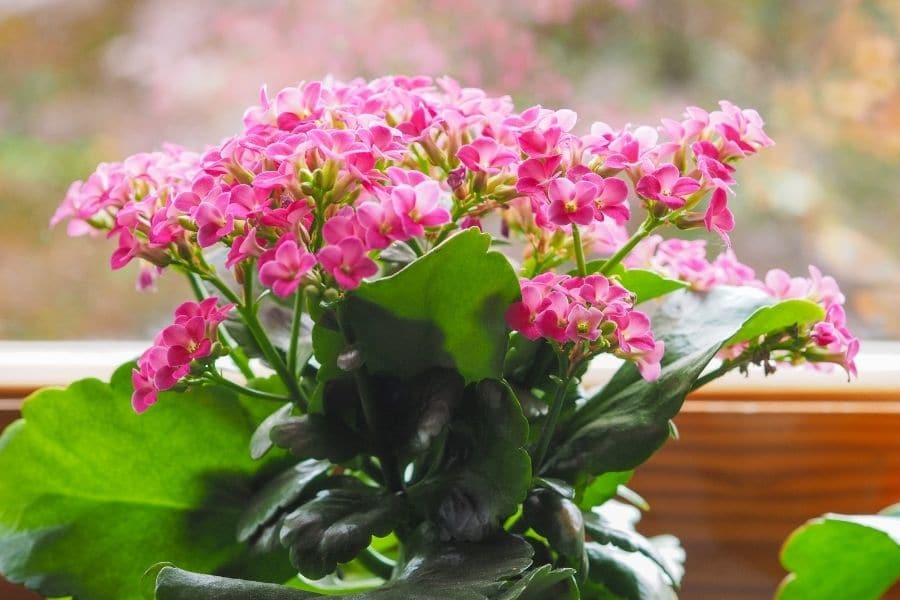
The easiest flower to grow inside is often considered to be the African Violet (Saintpaulia). This charming houseplant produces beautiful flowers in various colors and can thrive in a range of indoor conditions, making it an excellent choice for novice gardeners and busy individuals alike. African Violets are appreciated not only for their aesthetic appeal but also for their relatively low maintenance requirements.
Understanding African Violets
African Violets are small, perennial flowering plants native to tropical Africa. They typically feature fuzzy leaves and blooms that can be purple, pink, or white, which adds a touch of elegance to any indoor environment. These plants grow best in indirect light, making them suitable for placement near windows or in well-lit rooms.
- Originates from tropical East Africa.
- Available in a variety of colors, including blue, purple, pink, and white.
- Requires moderate humidity to thrive.
Care Tips for Growing African Violets Indoors
To successfully grow African Violets indoors, several care tips should be followed. They prefer to have their soil kept slightly moist but not soggy. It's crucial to avoid getting water on the leaves, as this can lead to leaf spots and other issues.
- Water the plant from the bottom to prevent leaf damage.
- Use a well-draining potting mix specifically formulated for African Violets.
- Fertilize with a balanced, water-soluble fertilizer every 4-6 weeks during the growing season.
Light Requirements
African Violets thrive best in bright, indirect light. Direct sunlight can scorch their leaves, while too little light can affect their blooming. Placing them near east-facing windows or using fluorescent lights can provide the optimal environment for growth.
- East-facing windows provide ideal morning light.
- Avoid direct afternoon sun, which can be too intense.
- Fluorescent lights can supplement natural light effectively.
Pest Management
While African Violets are generally resilient, they can be susceptible to pests such as spider mites and aphids. Regularly inspecting your plants and maintaining proper humidity levels can help prevent infestations.
- Check the underside of leaves regularly for signs of pests.
- Use insecticidal soap or neem oil for infestations.
- Keep the leaves clean by gently wiping them with a damp cloth.
Encouraging Blooms
To encourage African Violets to produce flowers, providing the right conditions is crucial. This includes adequate light, consistent watering, and proper fertilization. Additionally, giving them a little extra care during their blooming season can make a significant difference.
- Ensure consistent humidity around the plant.
- Encourage blooming by reducing fertilization after blooming time.
- Remove dead flowers and leaves to promote new growth.
Questions from Our Readers
What are some of the easiest flowers to grow in a garden bed?
Marigolds, zinnias, and portulacas are among the easiest flowers to grow in a garden bed. These flowers thrive in various conditions, require minimal care, and can withstand drought, making them ideal for beginners.
How much sunlight do these flowers need?
Most of the easiest flowers, like marigolds and zinnias, typically require full sun, which means they should receive at least 6 to 8 hours of direct sunlight each day. Adequate sunlight helps these flowers grow robustly and produce vibrant blooms.
Do these flowers attract pests or beneficial insects?
Certain easy-to-grow flowers, such as marigolds, are known for their ability to deter pests, while others can attract beneficial insects like butterflies and bees. This makes them not only simple to grow but also helpful in maintaining a healthy garden ecosystem.
When is the best time to plant these flowers?
The best time to plant these flowers is in the spring after the last frost date. This ensures that the soil is warm enough for germination and that the flowers have ample time to grow and bloom throughout the growing season.
See also:

If you want to read more articles like What are the easiest flowers to grow in a garden bed? Discover Simple Tips for Your Green Thumb!, we recommend you check out our Flowers category.
Leave a Reply
Related Articles