Do Petunias Come Back? A Comprehensive Guide to Petunia Lifecycles and Care

Petunias are beloved for their vibrant colors and prolific blooms, making them a favorite among gardeners and flower enthusiasts alike. However, many wonder whether these stunning plants return year after year, or if they must be replanted each season. In this comprehensive guide, we will explore the lifecycle of petunias, including their growth patterns, seasonal behaviors, and the care they require to thrive. Whether you are a seasoned gardener or a beginner, understanding the nature of petunias is essential to ensuring they flourish in your garden. Discover the secrets to keeping these beautiful flowers coming back season after season.
Do Petunias Come Back Every Year?
Petunias are often considered annual flowers, meaning they typically complete their life cycle within one growing season and do not naturally return in subsequent years. However, in certain conditions, particularly in warmer climates, they might behave as perennials. Factors such as their planting zone, winter protection, and proper care can influence whether petunias will come back. Gardeners sometimes allow petunias to go to seed, which can lead to the spontaneous growth of new plants the following season, but this is not guaranteed. To enhance the chances of having petunias return, it's advisable to provide them with an environment that allows for self-seeding and to cut back the plants before winter to encourage possible regrowth.
How to Overwinter Petunias
To overwinter petunias successfully, they should be brought indoors before the first frost or covered with protective materials if grown in the garden. When moving them indoors, ensure they are placed in a well-lit area and maintain a cooler temperature, which helps them preserve energy for regrowth when spring arrives. Throughout the winter, water them sparingly, allowing the soil to dry out between waterings to prevent root rot. This method can give petunias a fighting chance to thrive again when the warmer months return.
Factors Affecting Petunia Winter Survival
Several factors affect whether petunias will survive the winter and return in the spring. The climate of the growing area is crucial; in USDA hardiness zones 10 and above, petunias are more likely to survive winter as perennials. Conversely, in colder regions, exposure to freezing temperatures can kill the plants. Furthermore, adequate drainage is essential, as waterlogged soil can lead to root rot during dormancy. Overall, these elements play a significant role in determining the chances of petunias returning each year.
Best Practices for Maintaining Petunias
To ensure that petunias have the best chance of returning, maintain healthy plants through practices such as regular pruning and deadheading. Pruning encourages bushy growth instead of leggy plants, while deadheading—removing spent flowers—promotes further blooming. Providing consistent watering and fertilization also contributes to their vitality. Additionally, monitoring for pests and diseases can prevent any setbacks that might hinder their survival, ensuring a thriving display come spring.
Seed Production and Self-Seeding
Petunias can produce seeds that may lead to new plants if the conditions are right. Once the petals fall off, the flower heads will seed, and if left undisturbed, the seeds can germinate on their own in the following season. This natural method of propagation may result in new petunia plants appearing, particularly in milder climates where enough warmth and moisture are present. Gardeners interested in maintaining petunias should consider allowing some of the flowers to go to seed to take advantage of their self-seeding capabilities.
Identifying Petunia Varieties
Different varieties of petunias may have varied capabilities concerning returning perennially. For instance, the Wave and Surfinia petunias are often bred for extended blooming and vigorous growth but may behave as annuals in most regions. On the other hand, certain heritage varieties might adapt better to perennial growth if conditions are favorable. Understanding the variety and its specific growth habits can help gardeners make informed decisions regarding care and the likelihood of returning plants.
| Factor | Impact on Return |
|---|---|
| Climate | Warmer areas increase chances of survival as perennials. |
| Drainage | Improves root health, reducing the risk of rot during winter. |
| Pruning | Encourages bushier growth and prolonged blooming. |
| Seed Saving | Potential for self-seeding and new plants in spring. |
| Variety | Different types have unique survival traits under varying conditions. |
Do potted petunias come back every year?
:max_bytes(150000):strip_icc()/KaraRiley-9-486dd144fb984e6cabf8e1206f5954d3.jpg)
Potted petunias are generally not considered perennials, which means they do not come back every year on their own. These beautiful flowers are typically treated as annuals, meaning they complete their life cycle in one growing season. However, with the right care and environmental conditions, there are a few ways to encourage petunias to thrive year after year.
Understanding Petunia Lifespan
Petunias are classified as annual plants, which means they typically live for one growing season. This lifespan depends greatly on environmental factors such as climate and care provided.
See also:
- Temperature: Petunias thrive in warmer temperatures and can die off in cold weather.
- Soil quality: Rich, well-drained soil promotes healthy growth and flowering.
- Watering practices: Consistent moisture without waterlogging is crucial for their longevity.
Do Potted Petunias Survive Winter?
Potted petunias do not typically survive winter unless they are brought indoors. Most petunia varieties cannot withstand frost and freezing temperatures.
- Container Protection: Moving pots indoors or to a sheltered location can protect them from frost.
- Temperature Monitoring: Keeping an eye on temperature changes is essential for outdoor potted petunias.
- Overwintering Techniques: Techniques such as cutting back the plants and reducing watering can help manage their survival.
Replanting Petunias Annually
Since petunias typically do not return year after year, many gardeners choose to replant them each spring. This provides an opportunity to refresh their garden's appearance.
- Choosing Strong Varieties: Select robust varieties that are known to bloom well.
- Soil Preparation: Refresh the potting mix with high-quality soil to provide essential nutrients.
- Scheduling Planting: Timing your planting according to the last frost date ensures optimal growth.
Effective Care for Potted Petunias
To maximize the blooming potential of your potted petunias, follow a dedicated care routine.
- Regular Watering: Maintain consistent moisture in the soil without overwatering.
- Fertilization: Use a balanced fertilizer every few weeks to encourage abundant blooms.
- Deadheading: Regularly removing spent flowers promotes continued blooming.
Using Petunias as Perennials
While standard petunias are annuals, some gardeners experiment with managing them as perennials through various techniques.
- Selective Pruning: Cutting back the plants after the blooming season can sometimes stimulate new growth.
- Indoor Cultivation: Bringing plants indoors during extreme temperatures can extend their lifespan.
- Seed Saving: Collecting seeds from the healthiest plants allows for replanting in subsequent years.
Can you leave petunias in the ground over winter?

Petunias are generally considered annual plants in most regions, meaning they complete their life cycle in one growing season. However, the decision to leave petunias in the ground over winter is influenced by various factors, including climate, care, and plant type.
What Climate Zones Can Petunias Survive In?
In regions with mild winters, specifically in USDA hardiness zones 9-11, petunias can survive outdoors. In these zones, the temperatures rarely drop below freezing, allowing the plants to remain in the ground:
- Zone 9: Typically experiences minimal frost, allowing petunias to thrive year-round.
- Zone 10: Features warmer temperatures where petunias may return in spring without damage.
- Zone 11: Ideal for perennials, ensuring petunias can grow without winter concerns.
How to Prepare Petunias for Winter?
If you live in an area with colder winters, taking steps to prepare petunias can significantly increase their chances of survival:
- Prune the Plants: Before winter, cut back the dead or damaged foliage to help the plant conserve energy.
- Covering: Use mulch or frost cloth to insulate the roots and protect them against extreme cold.
- Watering: Ensure the plants are well-watered before the first freeze, as moisture can help them withstand colder temperatures.
What are Alternatives to Leaving Petunias in the Ground?
For those in colder climates, consider these alternatives instead of leaving petunias outdoors:
- Container Planting: Growing petunias in pots allows for easy relocation indoors during winter.
- Taking Cuttings: Propagating cuttings can provide a new generation of plants for the next season.
- Overwintering Indoors: Bring the entire plant indoors and provide the right light and temperature conditions.
Signs That Petunias Are Not Winter Hardy
A few indicators suggest petunias may not survive a winter left in the ground:
See also:
- Yellowing Leaves: Indicates stress from cold temperatures or disease.
- Soft Stems: May indicate rot from prolonged cold and dampness.
- Plant Dieback: If a significant portion of the plant is brown or dead, it’s likely not winter hardy.
Companion Plants That Can Help Petunias Survive Winter
Certain plants provide an extra layer of protection for petunias during the winter months:
- Cold-Hardy Perennials: Pair petunias with hardy perennials that can shield them from frost.
- Mulching Plants: Ground cover plants can help insulate petunia roots during winter.
- Companion Planting: Using nearby plants that attract beneficial insects can provide additional support.
How to keep petunias for next year?
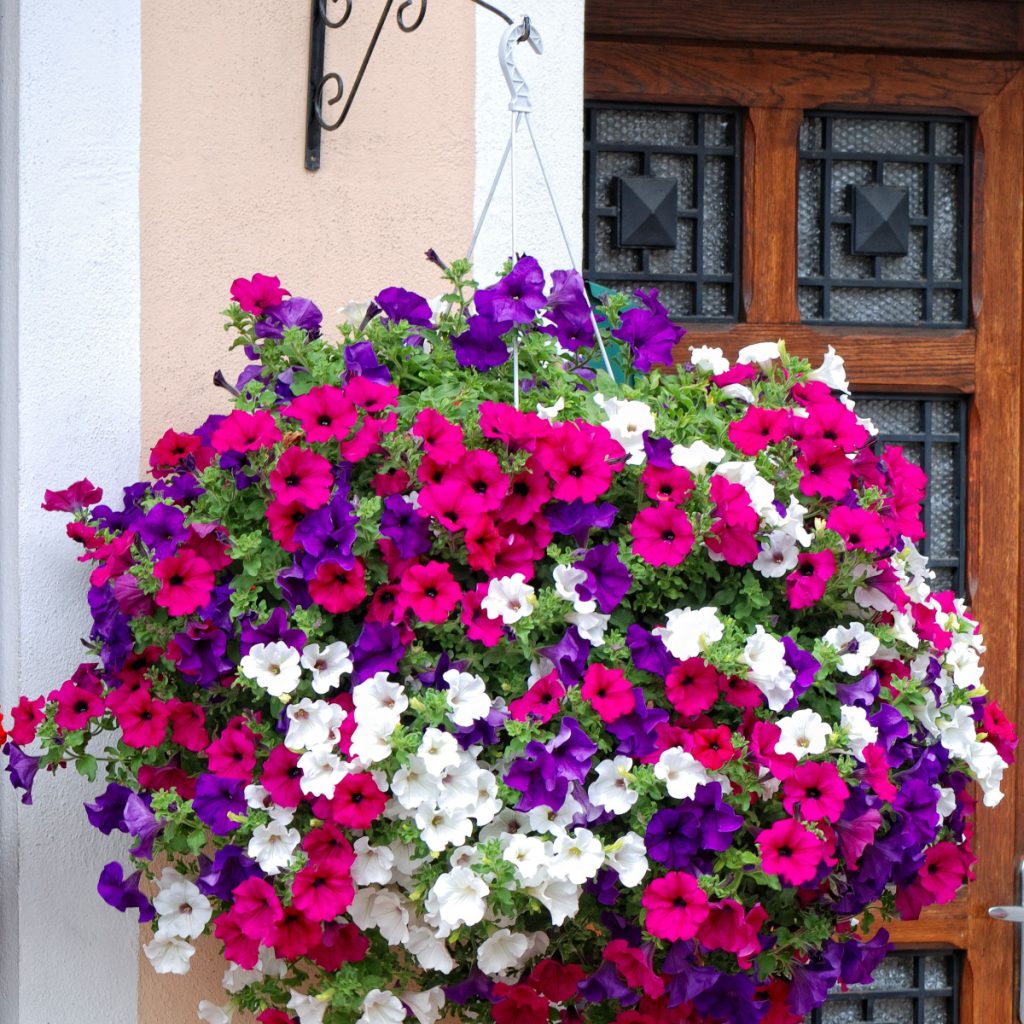
To keep petunias for the next year, you can opt for a few effective methods that focus on either winterizing your current plants or collecting and storing seeds. Here are the detailed steps to achieve this.
Understanding Petunia Lifespan
Petunias are considered annual plants in many climates, meaning they typically live for one growing season. However, in milder climates (Zones 10 and 11), they can behave like perennials. To retain your petunias for next year, understanding their growing conditions and lifecycle is crucial.
- Identify your climate zone.
- Recognize the type of petunia you have.
- Consider the growing conditions in your garden.
Overwintering Petunias Indoors
If you live in a colder region, bringing your petunias indoors can extend their life. This requires careful preparation and care.
- Before the first frost, carefully dig up the petunias.
- Place them in pots with fresh potting soil.
- Store them in a cool, well-lit location indoors.
Taking Cuttings for Propagation
Another effective technique to ensure your petunias continue to thrive is through taking cuttings. This allows you to create new plants from your existing ones.
- Select healthy stems from your petunias.
- Cut 4-6 inches from the tip of the stem, just below a leaf joint.
- Place the cuttings in a small container with moist potting mix and cover them.
Collecting and Storing Seeds
For those interested in growing petunias from seeds, collecting the seeds at the end of the growing season is a sustainable option.
- Allow some flowers to fully mature and dry on the plant.
- Gently remove the seeds from the dried flower heads.
- Store the seeds in a cool, dry, and dark place in a paper envelope.
Preparing for Next Season
Once you've ensured your petunias are preserved for next year, planning their care and preparation is essential.
- Buy high-quality soil when replanting your petunias.
- Choose a suitable location with full sunlight for at least six hours a day.
- Fertilize with a balanced fertilizer to promote healthy growth.
Questions from Our Readers
Do petunias come back every year?
Petunias are typically grown as annuals, which means they do not come back year after year on their own. However, in some regions with mild winters, they may survive and return if they are perennial varieties.
How can I encourage petunias to return?
To encourage petunias to return, you can consider planting perennial petunia varieties, or providing them with proper care during the growing season, such as deadheading spent blooms and ensuring they have proper nutrients and water.
See also:
What should I do with petunias at the end of the season?
At the end of the growing season, it's best to remove annual petunias from your garden, as they are unlikely to survive frost. You can choose to compost them or clear the area for new planting in the next season.
Can I propagate petunias to make them come back?
Yes, you can propagate petunias by taking cuttings and placing them in water or soil to grow roots. This allows you to have new plants each season, giving you the opportunity to keep your favorite varieties.

If you want to read more articles like Do Petunias Come Back? A Comprehensive Guide to Petunia Lifecycles and Care, we recommend you check out our Flowers category.
Leave a Reply
Related Articles