Ultimate Guide: Why Plant Hydrangeas Around Your House? Discover Benefits and Tips
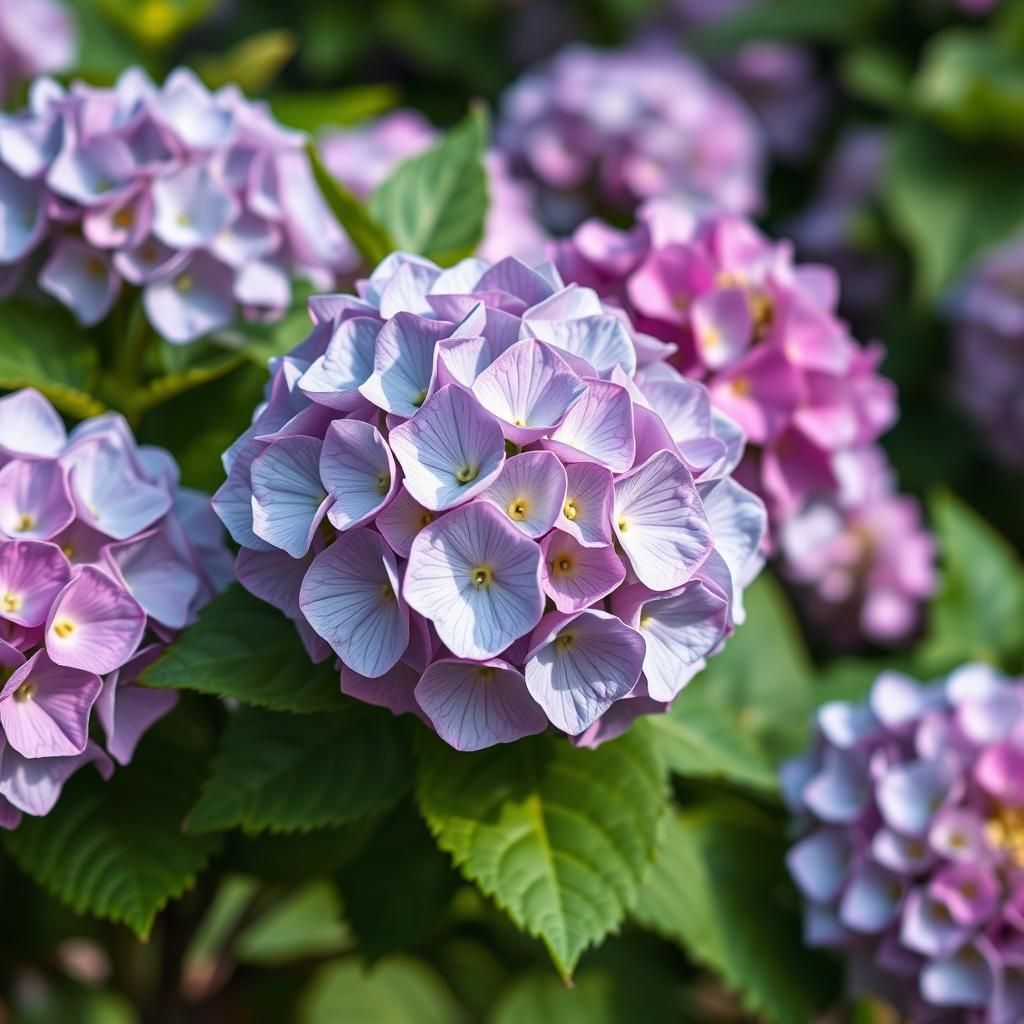
Hydrangeas are not only stunningly beautiful but also serve as versatile plants that can elevate the aesthetic appeal of any home. This ultimate guide delves into the myriad reasons for planting hydrangeas around your house, highlighting their benefits beyond mere decoration. Known for their vibrant blooms and varied colors, hydrangeas can enhance curb appeal, provide natural privacy, and attract beneficial wildlife. Additionally, this article offers essential tips on how to care for these magnificent plants, ensuring they thrive in your garden. Discover the transformative power of hydrangeas and learn how to incorporate them into your landscape for stunning results.
Why Plant Hydrangeas Around Your House?
Planting hydrangeas around your house not only enhances the aesthetic appeal of your landscape but also offers a variety of benefits such as attracting pollinators, improving curb appeal, and creating a welcoming atmosphere. Their large, vibrant blooms provide a stunning contrast to any property, while their adaptability to different soil types makes them an accessible choice for homeowners. Furthermore, hydrangeas come in various species and colors, allowing for an easy integration into any garden style. These plants can also serve as natural privacy screens, offering both beauty and functionality to your outdoor space.
Attracting Pollinators
Hydrangeas are a fantastic choice for attracting pollinators such as butterflies and bees to your garden. The abundant blossoms not only provide a rich source of nectar, but also serve as a visual cue for these important insects. By planting hydrangeas, you can contribute to the local ecosystem and support the survival of pollinator populations, which are essential for the growth of many plants, including those in your own garden.
Enhancing Curb Appeal
The stunning floral display of hydrangeas significantly enhances your home's curb appeal. With their showy blooms available in various hues, you can create visually appealing landscapes that showcase your home’s architecture. Whether you choose to plant them in clusters or as a border, hydrangeas can add charm and character to the overall exterior of your property, making it more inviting to guests and passersby alike.
Versatility in Garden Design
One of the key advantages of hydrangeas is their versatility in garden design. They can thrive in both sunny and partially shaded areas and can be shaped through pruning to fit your desired landscape style. From formal gardens to casual wildflower layouts, hydrangeas can complement and enhance various design themes, making them an excellent choice for both novice and experienced gardeners.
Creating Natural Privacy Screens
Hydrangeas can also be utilized as natural privacy screens, providing a lush barrier that can shield your yard from prying eyes. Their bushy growth habit allows them to fill in spaces, making them an ideal option for creating secluded areas in your garden. This not only promotes a relaxing environment but can also contribute to noise reduction, making your outdoor space a peaceful retreat.
Low Maintenance Options
For homeowners looking for low maintenance landscaping, hydrangeas are a suitable option. Once established, these plants require minimal care, with most needing only annual pruning and occasional watering during dry periods. Their resilience makes them a favorite among busy individuals or families who wish to enjoy a beautiful garden without dedicating excessive time to upkeep.
| Benefit | Description |
|---|---|
| Pollinator Attraction | Provides nectar and support for local ecosystems. |
| Curb Appeal | Enhances the exterior aesthetics of your home. |
| Versatility | Adapts well to various garden designs and conditions. |
| Privacy Screens | Offers a natural barrier against privacy invasions. |
| Low Maintenance | Requires minimal care once established. |
Why put hydrangeas around your house?

Hydrangeas are a popular choice for landscaping around homes due to their stunning visual appeal and variety of benefits they bring to both aesthetics and ecology. Here are some reasons why you might want to consider planting hydrangeas around your house.
Enhancing Curb Appeal
Planting hydrangeas can significantly boost the curb appeal of your home. Their large, colorful blooms can create a welcoming atmosphere and drastically change the look of your landscaping. Consider the following factors:
See also:
- Visual Interest: The size and color diversity of hydrangeas make them a focal point in any garden.
- Seasonal Color: Many hydrangeas bloom in different colors throughout the season, providing continuous visual interest.
- Variety: With several species available, you can choose varieties that suit your style and home architecture.
Providing Privacy
Hydrangeas can also serve practical purposes, such as increasing privacy around your home. They can create natural barriers that shield your outdoor space from view. Here's how:
- Dense Foliage: Their thick leaves can act as a visual screen, providing privacy from passersby.
- Strategic Planting: Positioning them near windows or patios can enhance your outdoor experience.
- Height Variation: Different species can grow to varying heights, allowing you to create layered privacy screens.
Improving Air Quality
Hydrangeas contribute to improving air quality around your home. They help filter pollutants and produce oxygen, benefiting both your property and the environment. Consider these points:
- Air Filtration: Plants like hydrangeas can absorb pollutants through their leaves, helping clean the air.
- Carbon Dioxide Reduction: They take in carbon dioxide, thereby contributing to a healthier atmosphere.
- Enhancing Microclimate: Properly placed hydrangeas can help to regulate temperature, improving comfort around your home.
Attracting Wildlife
Another significant benefit of hydrangeas is their ability to attract local wildlife, including pollinators like bees and butterflies. This can enhance the biodiversity surrounding your home. Key points include:
- Pollinator Habitat: The flowers of hydrangeas are particularly attractive to bees and butterflies, providing essential food sources.
- Birds and Insects: The dense foliage can offer shelter for birds and beneficial insects.
- Ecological Balance: Supporting pollinators contributes to a more balanced local ecosystem.
Easy Maintenance
Hydrangeas are relatively low-maintenance plants, making them a practical choice for homeowners seeking beauty without the hassle. Here are a few reasons why:
- Resilience: Once established, hydrangeas typically require less water and care than many other flowering plants.
- Pruning: They only need minimal pruning, depending on the species, making them easy to maintain.
- Pest Resistance: Hydrangeas are generally resistant to common pests, reducing the need for chemical interventions.
Why did people plant hydrangeas around their house?
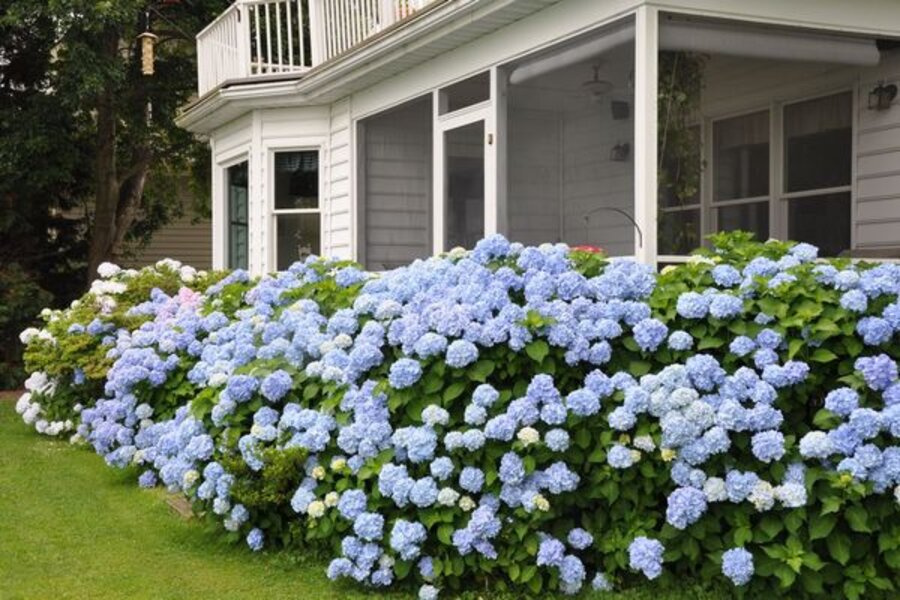
Planting hydrangeas around houses has been a popular practice for various reasons, often rooted in both aesthetics and functionality. These beautiful flowering shrubs not only enhance the visual appeal of a property, but they also serve practical purposes in landscaping and gardening.
Aesthetic Appeal
Hydrangeas are cherished for their beautiful blooms that come in various colors, creating a vibrant and inviting atmosphere. When planted around houses, they can enhance the overall curb appeal. The large, rounded flower clusters add a touch of elegance and charm.
- The color spectrum ranges from blue to pink, white, and purple, allowing homeowners to choose varieties that match their home’s decor.
- Their ability to bloom in different seasons ensures that there is always something colorful in the garden.
- They can be used to create focal points, borders, or hedges, adding structure to landscape designs.
Outdoor Privacy
Many people plant hydrangeas to create a natural privacy barrier around their homes. The dense foliage can effectively shield outdoor spaces from prying eyes.
- Hydrangeas can grow tall and wide, making them effective for screening patios or decks.
- The lush leaves provide not only visual privacy but also absorb sound, creating a peaceful outdoor environment.
- They can be strategically planted to obscure less desirable views from neighbors or streets.
Low Maintenance Gardening
One of the significant advantages of planting hydrangeas is their low maintenance nature. Once established, they require relatively little care.
- Hydrangeas are drought-resistant and can thrive with minimal watering once rooted.
- They typically don’t need extensive pruning; only infrequent trimming to maintain shape and health.
- Pests are usually not problematic, and the plants have natural resilience against common diseases.
Attracting Pollinators
Hydrangeas play a vital role in supporting local ecosystems by attracting various pollinators. Planting them around homes can benefit both the garden and the environment.
See also:
- Their flowers are rich in nectar, making them appealing to bees, butterflies, and other beneficial insects.
- Attracting these pollinators helps promote biodiversity and supports the health of garden plants.
- Establishing a garden with hydrangeas can create a mini habitat for wildlife, enhancing the overall ecological balance in the area.
Seasonal Interest
Hydrangeas provide varying seasonal interest, making them a versatile addition to any landscape. Different varieties bloom at different times, and their foliage changes with the seasons.
- In spring, they produce lush green leaves, becoming a vibrant backdrop for other plants.
- Summer sees the fullest blooms, while fall offers stunning changes in foliage color, often turning into rich autumn tones.
- Even in winter, the dried flower heads can provide texture and interest to otherwise bare gardens.
Are hydrangeas good to plant next to a house?

Planting hydrangeas next to a house can be a beneficial choice, but there are several factors to consider before making this decision. Hydrangeas are known for their stunning blooms and lush foliage, which can enhance the curb appeal of a property. However, the suitability of planting them near a house depends on various conditions such as sunlight, soil type, water requirements, and the specific variety of hydrangeas.
Sunlight Requirements
Hydrangeas thrive in different sunlight conditions depending on the variety. Some types prefer partial shade, while others can tolerate full sun. Consider the following:
- Assess Sun Exposure: Check the amount of sunlight the area receives throughout the day.
- Select the Right Variety: Choose hydrangeas that match the sunlight exposure available, such as Hydrangea macrophylla for partial shade.
- Monitor and Adjust: If needed, consider adjusting surrounding plants to ensure hydrangeas receive the appropriate light.
Soil Types
The type of soil plays a crucial role in the growth of hydrangeas. Proper soil conditions can enhance their health and flowering potential:
- Ensure Good Drainage: Hydrangeas prefer well-drained soil to prevent root rot.
- Test Soil pH: Most hydrangeas thrive in slightly acidic to neutral pH (around 6.0 to 7.0).
- Amend Soil Accordingly: If your soil lacks nutrients, consider adding organic matter or compost to enrich it.
Watering Needs
Hydrangeas have specific watering needs that must be met, especially when planted near a house where drainage might be affected:
- Consistent Moisture: Keep the soil consistently moist but not soggy.
- Mulch Appropriately: Applying a layer of mulch can help retain moisture.
- Monitor Weather Conditions: Adjust watering practices based on rainfall and season to avoid underwatering or overwatering.
Space Considerations
When planting hydrangeas next to a house, it’s important to give them adequate space for growth:
- Consider Mature Size: Keep in mind how large the hydrangeas will grow to avoid overcrowding.
- Plan for Air Circulation: Adequate spacing helps with airflow, reducing the risk of diseases.
- Design for Aesthetics: Ensure that the location complements the overall design of the landscape and the home.
Pest and Disease Management
Hydrangeas can be susceptible to certain pests and diseases, especially when planted close to structures:
- Regular Inspections: Routinely check for signs of pests like aphids or diseases such as powdery mildew.
- Use Preventative Measures: Apply organic pesticides or fungicides when necessary to protect the plants.
- Maintain Cleanliness: Remove any dead foliage or debris around the plants to discourage pests and diseases.
Questions from Our Readers
Why should I plant hydrangeas around my house?
Hydrangeas are a beautiful addition to any garden due to their impressive blooms and vibrant colors. Planting them around your house not only enhances its aesthetic appeal but also provides a welcoming atmosphere. They are versatile and can adapt to various garden styles while attracting beneficial pollinators like bees and butterflies.
What are the benefits of hydrangeas for my landscape?
One of the main benefits of hydrangeas is their ability to provide year-round visual interest. They bloom in various colors and have different leaf shapes, adding texture to your landscape. Additionally, hydrangeas can help with privacy and creating natural barriers when planted in groups, making them a practical choice for homeowners.
See also:
How do hydrangeas improve property value?
Having well-maintained hydrangeas can enhance your curb appeal significantly, which is crucial for increasing property value. Prospective buyers are often attracted to homes with stunning gardens, and hydrangeas can make your property stand out in a competitive market. Their classic beauty is timeless, ensuring that your investment pays off when you decide to sell.
Are hydrangeas easy to care for?
Yes, hydrangeas are relatively easy to care for, making them suitable for both novice and experienced gardeners. They require regular watering and some pruning to maintain their shape and promote blooming. As long as you have the right soil conditions and proper sunlight, hydrangeas can thrive with minimal effort.

If you want to read more articles like Ultimate Guide: Why Plant Hydrangeas Around Your House? Discover Benefits and Tips, we recommend you check out our Hydrangea category.
Leave a Reply
Related Articles