Exploring the Beliefs: Is it Bad Luck to Have Hydrangeas in the House?

Hydrangeas are beloved for their vibrant blooms and lush foliage, often enhancing gardens and interiors alike. However, cultural beliefs surrounding these exquisite flowers vary, with some suggesting that having hydrangeas in the house brings bad luck. This article delves into the fascinating world of superstitions and folklore associated with hydrangeas, exploring the origins of these beliefs and their impact on homeowners. We will examine various cultural perspectives, anecdotes, and the reasons behind the perception of hydrangeas as harbingers of misfortune. Join us as we unravel the myths and truths surrounding this captivating plant and its place in our homes.
Is It Bad Luck to Have Hydrangeas in the House?
Having hydrangeas in the house is often surrounded by various superstitions and beliefs that may link them to bad luck. Traditionally, some cultures regard hydrangeas as symbols of heartfelt emotions and grief, which could lead to the perception that they carry negative connotations. However, this belief is subjective and varies widely among different cultures. In some regions, hydrangeas are seen as a symbol of abundance and grace, reflecting the beauty of nature. Therefore, whether hydrangeas bring bad luck often comes down to personal beliefs, cultural backgrounds, and the specific contexts in which they are presented.
Historical Significance of Hydrangeas
Hydrangeas have been revered throughout history for their stunning blooms and have different meanings across cultures. In the Victorian era, they were seen as symbols of vanity and boastfulness, but in other cultures, they are associated with gratitude and emotional openness. This contradictory symbolism contributes to the varying opinions regarding their presence in the home, as some people may focus on the negative connotations while others celebrate their beauty and positive attributes.
Superstitions Surrounding Hydrangeas
In certain superstitions, particularly in East Asian cultures, hydrangeas are thought to represent bad luck and mourning. It is believed that placing them in the house can attract negative energy or evoke memories of sadness. Conversely, many people dismiss these beliefs and choose to incorporate hydrangeas into their living spaces for their vibrant colors and lush appearance, viewing them as a source of joy rather than a harbinger of bad fortune.
Symbolism of Hydrangeas
The symbolism associated with hydrangeas is diverse and varies significantly depending on color and context. Different colors of hydrangeas can represent different feelings: blue signifies apology, pink may represent gratitude, and white is often linked to purity and clarity. Because of these varied meanings, the perception of hydrangeas as bad luck may not hold for everyone; some may find them to embody positive sentiments that enhance their home environment.
Hydrangeas in Feng Shui
In Feng Shui, the practice of arranging environments for optimal energy flow, hydrangeas can be seen both positively and negatively. While some practitioners may warn against using them due to their associations with mourning, others advocate for their presence because they can attract positive energy and promote emotional health. The key lies in balancing their placement according to the specific energies they bring and the overall harmony one wishes to create in their living space.
Personal Beliefs and Experiences
Ultimately, the belief that hydrangeas bring bad luck varies from person to person and is heavily influenced by personal experiences and beliefs. Many individuals incorporate these flowers into their homes without any concern for bad omens, instead celebrating what they perceive as the beauty and elegance of hydrangeas. This differing perspective suggests that one's relationship with hydrangeas can be entirely subjective, shaped by individual experiences and cultural influences rather than a universal truth.
| Aspect | Belief | Culture |
|---|---|---|
| Bad Luck | Seen as a symbol of mourning | East Asian cultures |
| Symbol of Abundance | Brings positivity and grace | Western cultures |
| Victorian Era | Symbol of vanity | Western traditions |
| Feng Shui | Can attract positive energy | Chinese culture |
| Personal Interpretation | Beauty over superstitions | Individual beliefs |
Are hydrangeas bad luck?
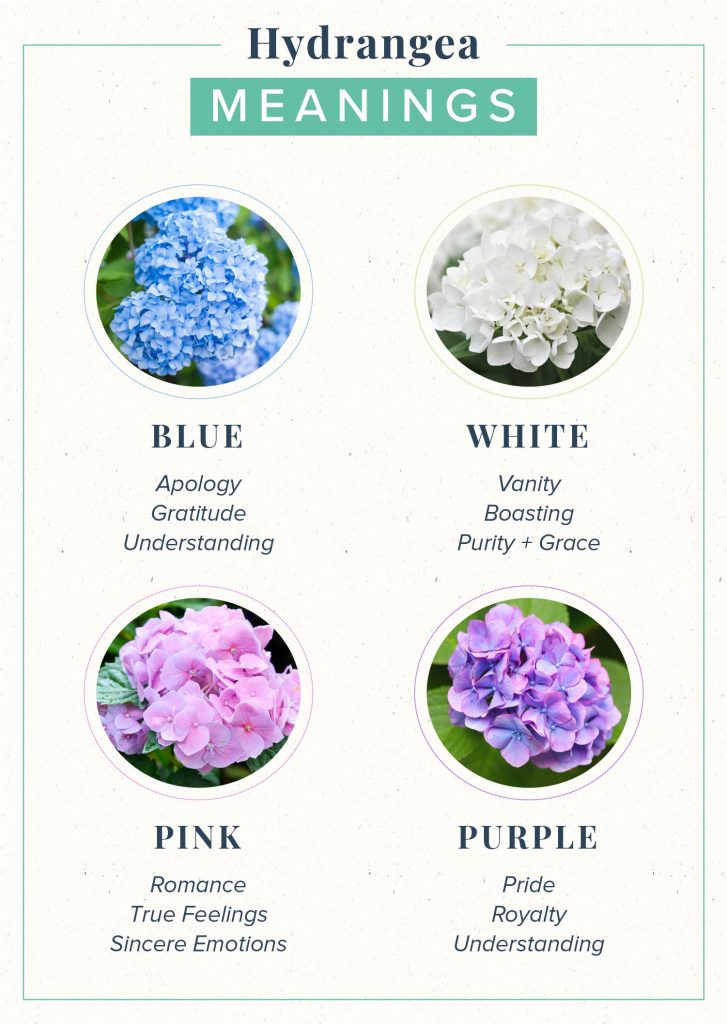
The perception of hydrangeas as symbols of bad luck is subjective and varies across cultures. In some traditions, these beautiful flowers are associated with negative connotations, while in others, they represent positivity and abundance. Let's explore the beliefs surrounding hydrangeas and their supposed link to bad luck.
The Cultural Significance of Hydrangeas
Hydrangeas hold various meanings across different cultures, which can influence the perception of them as symbols of bad luck. For instance:
- Japan: In Japanese culture, hydrangeas are often seen as a symbol of heartfelt emotions and gratitude, rather than bad omens.
- Europe: In some European cultures, hydrangeas are viewed negatively, sometimes associated with insincerity or lack of gratitude, leading to the belief that they could bring bad luck.
- The United States: In the US, hydrangeas are predominantly known for their beauty and are commonly used in gardens and weddings, with little focus on bad luck symbols.
The Symbolism of Colors
The color of hydrangeas may also affect their symbolism regarding luck. Different colors carry different meanings:
- Blue: Often symbolizes tranquility and calmness, with few associations with bad luck.
- Pink: This color represents love and grace, again lacking negative connotations.
- Purple: Symbolizes abundance and prosperity, which enhances the positive view of these blossoms.
Folklore and Myths
The myths surrounding hydrangeas can sometimes contribute to the belief that they are bad luck:
- Legend of the Hydrangea: Some myths claim that receiving hydrangeas is a sign of rejection or heartbreak, associating them with emotional distress.
- Gardening Folklore: In gardening circles, some people believe planting hydrangeas can bring bad luck to the garden, especially if mixed with other flowers.
- Traditional Practices: Certain traditions advise against gifting hydrangeas in specific circumstances, adding to their negative reputation.
Modern Interpretations
Today, hydrangeas are primarily appreciated for their aesthetic appeal rather than their associations with luck:
See also:
- Weddings: Hydrangeas are frequently used in floral arrangements for weddings, symbolizing love and unity.
- Gardening: Gardeners value hydrangeas for their diverse colors and ease of care, focusing more on beauty than superstition.
- Home Decor: The floral arrangements featuring hydrangeas are popular in home decor, emphasizing the beauty and joy they can bring to a space.
Conclusion about Bad Luck and Hydrangeas
The idea of hydrangeas being bad luck is not universally accepted and largely depends on cultural context and personal beliefs. While some might associate them with negativity, others celebrate their beauty and emotional significance, showcasing how perceptions can differ widely.
Can I keep a hydrangea in the house?

Yes, you can keep a hydrangea in the house, but certain conditions need to be met to ensure its health and blooming potential. Indoor hydrangeas are often more delicate than those grown outdoors, so maintaining the right environment is essential. Here are important factors to consider when keeping a hydrangea indoors:
Watering Requirements
Proper watering is crucial for the health of your indoor hydrangea. These plants need consistent moisture but are sensitive to overwatering. To achieve the right balance:
- Water regularly, ensuring the top inch of soil remains moist.
- Avoid direct watering on the leaves to prevent fungal diseases.
- Use well-draining pots to allow excess water to escape.
Light Conditions
Hydrangeas thrive in bright, indirect light. Finding the right spot in your home is vital for their growth. Consider the following:
- Avoid harsh sunlight, which can scorch the leaves.
- Place near a window with filtered light.
- Rotate the plant occasionally for even growth.
Temperature and Humidity
Indoor temperatures and humidity levels greatly influence the health of hydrangeas. Ideal conditions include:
- Maintain a temperature between 60°F to 70°F (15°C to 21°C).
- Increase humidity, especially during dry winter months.
- Avoid placing them near drafts or heating vents.
Fertilizing Your Hydrangea
To promote blooming, regular fertilization is important. The following points should be observed:
- Use a balanced fertilizer formulated for flowering plants.
- Apply fertilizer every 4-6 weeks during the growing season.
- Follow the manufacturer's guidelines to avoid over-fertilization.
Pruning and Maintenance
Regular pruning helps maintain the shape and health of your hydrangea. Important considerations include:
- Prune after flowering to encourage new growth.
- Remove any dead or damaged stems.
- Limit heavy pruning to prevent stress on the plant.
What is the negative meaning of hydrangea?
The negative meaning of hydrangea can vary across different cultures and contexts. Generally, this plant is associated with emotions such as frigidity, disappointment, and reluctance. The flower's capacity to change color based on the soil's pH level often symbolizes the idea that relationships can be fickle and unpredictable. This variability can lead to the interpretation that hydrangeas represent a lack of stability in emotions and commitments.
Historical Context of Hydrangea
The historical perception of hydrangeas has shaped their negative connotations significantly. In some cultures, these flowers were often associated with heartbreak or unrequited love.
- The word hydrangea comes from the Greek words hydor meaning water, and angos, meaning vessel, which reflects their need for ample water but also suggests emotional fluidity.
- In the Victorian Era, flowers were used to convey emotions, and hydrangeas were often linked to gratitude but also served as a warning of openness leading to potential disappointment.
- Various mythologies describe hydrangeas as symbols of feelings that are not reciprocated, further embedding the negative interpretations.
Symbolism in Modern Culture
In modern society, hydrangeas can represent mixed messages or uncertainty in relationships. Their ability to change colors based on their environment can reflect fluctuating feelings towards a person or situation.
- Colors such as blue can symbolize sadness or regret, while pink can indicate emotional indebtedness.
- People often interpret the color change aspect of hydrangeas as a metaphor for instability in romantic relationships.
- In artistic representations, hydrangeas may be used to depict the complexity and inconsistency surrounding love and commitment.
Hydrangeas in Literature
Literature frequently utilizes hydrangeas to express themes of heartbreak and longing. Authors have selected this flower to embody sentiments of disappointment and emotional turmoil.
See also:
- In various novels, hydrangeas can symbolize a lost opportunity, reinforcing the notion of unfulfilled desires.
- Poets have often used hydrangeas to represent fragile love, tying the flower’s delicate nature to emotional vulnerability.
- They frequently appear as metaphors for characters experiencing internal conflict regarding their feelings.
Folklore and Myths
Folklore surrounding hydrangeas often casts them in a negative light, associating them with emotions like jealousy and heartache. These tales contribute to their complex symbolism.
- Some myths indicate that hydrangeas grow best in places where tears have fallen, suggesting a connection to sorrow.
- In certain traditions, gifting hydrangeas can imply a warning or reminder of lost love, rather than a gesture of affection.
- The association with the supernatural in various cultures adds an element of unease around the hydrangea.
Color Variations and Their Meanings
The color of hydrangeas plays a critical role in interpreting their meanings. Different colors can evoke distinct emotions, some of which lean towards the negative.
- Blue hydrangeas can signify sadness or a sense of feeling unloved.
- Pink hydrangeas often symbolize grief or remind individuals of past disappointments.
- White hydrangeas can reflect feelings of indifference, suggesting a lack of emotional involvement.
What do hydrangeas mean spiritually?
Hydrangeas hold significant spiritual meaning across various cultures, often symbolizing a range of emotions and characteristics. Primarily, these flowers are associated with grace, beauty, and abundance, but they also touch on themes of honesty and heartfelt emotions. Their diverse colors and forms allow them to convey different messages. For instance, blue hydrangeas can represent apology, while pink ones may symbolize love and understanding.
The spiritual meaning of hydrangeas can be understood through the following aspects:
Symbolism of Hydrangea Colors
The colors of hydrangeas play a critical role in their spiritual significance. Each hue carries distinct meanings:
- Blue: Often associated with feelings of regret and apology.
- Pink: Represents love, romance, and heartfelt emotions.
- White: Signifies purity, positivity, and new beginnings.
Hydrangeas in Different Cultures
Different cultures ascribe various meanings to hydrangeas, reflecting their unique customs and beliefs:
- Japanese Culture: Represents heartfelt emotions and understanding, often used in festivals.
- Western Culture: Can symbolize gratitude and understanding in relationships.
- Chinese Culture: Often associated with prosperity and abundance, reflecting blessings in life.
Hydrangeas and Emotional Healing
Hydrangeas are often seen as a flower that promotes emotional healing and understanding:
- Comfort: Their lush blooms provide a sense of comfort in times of grief.
- Forgiveness: They encourage people to forgive and move forward in relationships.
- Letting Go: The cyclical nature of their blooms represents the importance of letting go of past emotional burdens.
The Spiritual Connection to Abundance
The abundance of blooms on a hydrangea bush symbolizes prosperity and fullness in life:
- Growth: Represents personal and spiritual growth, encouraging individuals to strive for abundance.
- Fertility: Often associated with fertility, they are seen as symbols of new life and potential.
- Generosity: Encourage a spirit of generosity and sharing, reminding us to nurture those around us.
Hydrangeas in Modern Spiritual Practices
In contemporary spirituality, hydrangeas are used in various practices to enhance spiritual awareness:
- Meditation: Often incorporated in meditation practices to foster tranquility and inner peace.
- Rituals: Used in rituals for emotional release and healing.
- Intention Setting: Their beauty is often utilized in setting intentions for love, empathy, and understanding.
Questions from Our Readers
Is it bad luck to have hydrangeas in the house?
Having hydrangeas in the house is often surrounded by superstitions and cultural beliefs. In some traditions, it is said that they can bring bad luck, while others view them as symbols of gratitude and understanding. Ultimately, the perception of luck associated with hydrangeas can vary greatly based on personal beliefs and cultural backgrounds.
Where do the beliefs about hydrangeas and bad luck originate?
The myths surrounding hydrangeas often stem from cultural folklore and historical contexts. In Japan, for example, these flowers have been linked to emotions and romantic relationships, which can influence perceptions of luck. Despite these beliefs, many view hydrangeas as beautiful symbols in gardens and homes, suggesting that their presence should not be confined to superstitions.
Are there any flowers considered good luck to have at home instead?
While hydrangeas may be associated with bad luck in certain cultures, other flowers like lotus, orchids, or bamboo are often seen as symbols of good fortune and prosperity. Having these plants at home can enhance a positive environment and attract positive energy, reflecting individual preferences in floral choices.
See also:
Can hydrangeas be kept indoors safely?
Yes, hydrangeas can be kept indoors, but they require proper care and conditions to thrive. They need adequate light, regular watering, and should be placed in a cool environment. By attending to their needs, you can enjoy these stunning flowers without concern over the superstitions associated with them.

If you want to read more articles like Exploring the Beliefs: Is it Bad Luck to Have Hydrangeas in the House?, we recommend you check out our Hydrangea category.
Leave a Reply
Related Articles