Is it good to put coffee grounds around hydrangeas? Exploring Benefits and Tips for Gardeners
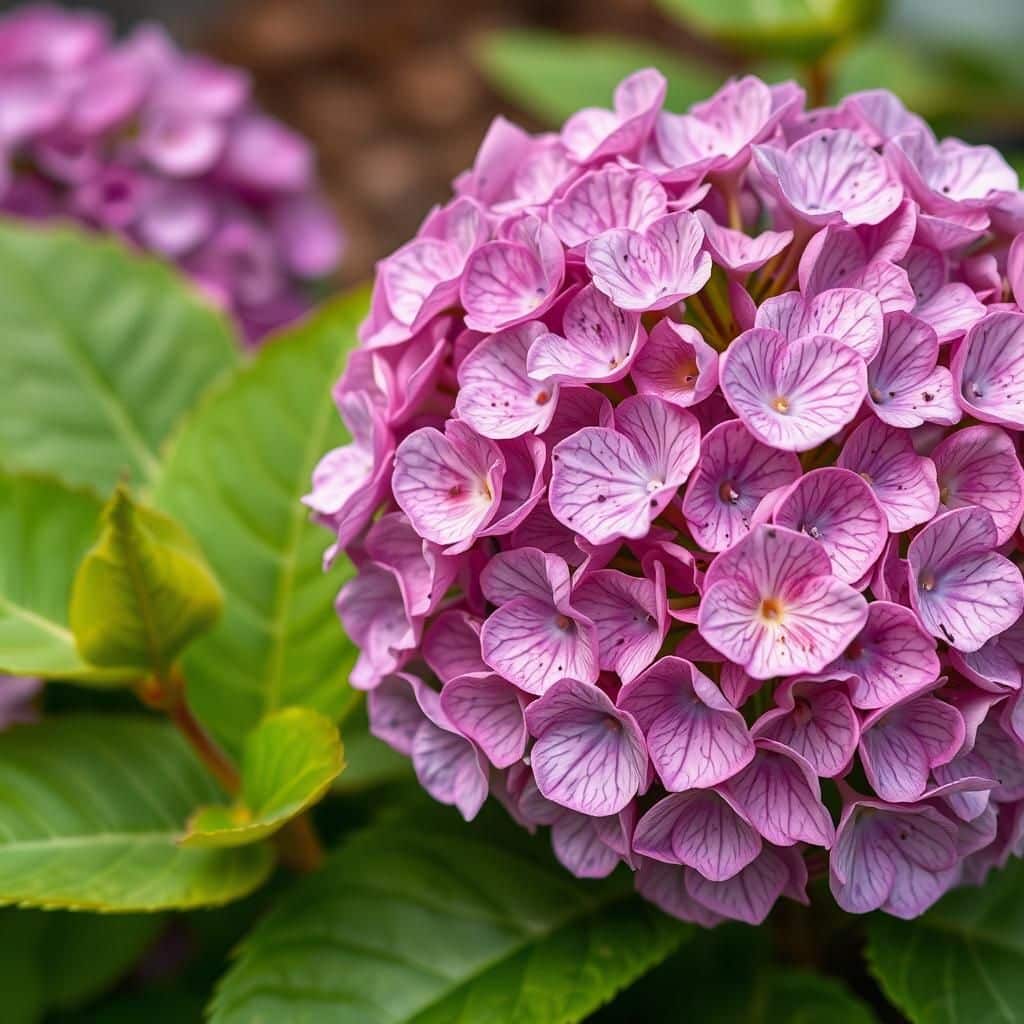
Coffee grounds are a popular amendment for many gardeners, sparking curiosity around their use, particularly with hydrangeas. These vibrant flowering plants thrive in acidic soils, which leads many to wonder if coffee grounds can enhance their growth and color. In this article, we will explore the potential benefits of using coffee grounds around hydrangeas, from improving soil structure to providing essential nutrients. Additionally, we will provide practical tips for gardeners on how to effectively incorporate coffee grounds into their gardening routine, ensuring healthy and thriving hydrangeas. Discover whether this kitchen waste can indeed be a gardener's secret weapon.
Is it Beneficial to Use Coffee Grounds Around Hydrangeas?
Using coffee grounds around hydrangeas can be beneficial due to their high nitrogen content, which promotes healthy growth and vibrant blooms. When applied as a top dressing or mixed into the soil, coffee grounds can enhance soil structure, improve drainage, and increase microbial activity. Moreover, they may help in slightly lowering the soil pH, making it more acidic, which can contribute to the blue coloration of hydrangea flowers, especially in certain varieties that thrive in acidic conditions. However, it's essential to use coffee grounds in moderation, as excessive amounts can lead to potential negative effects such as nutrient imbalance or pest attraction.
Nutrient Benefits of Coffee Grounds
Coffee grounds are rich in nitrogen, which is an essential nutrient for plant growth. The addition of these grounds to the soil around hydrangeas can facilitate leafy growth and improve the vigor of the plants. Additionally, they contain trace minerals such as potassium, phosphorus, and magnesium, which are also beneficial for overall plant health. By utilizing coffee grounds, gardeners can provide a slow-release nutrient source, promoting a balanced nutritional profile for their hydrangeas.
Impact on Soil pH
When used around hydrangeas, coffee grounds can help in slightly acidifying the soil, which is particularly beneficial for those varieties of hydrangeas that prefer acidic conditions for optimal flower color. A lower pH can encourage more vibrant blue hues in the blooms, making them more visually striking. However, the effect on pH is gradual, so it's crucial to monitor soil conditions regularly to ensure they remain within the preferred range for hydrangeas.
How to Apply Coffee Grounds
To effectively use coffee grounds around hydrangeas, it's recommended to apply a thin layer (around 1/2 inch) directly on the soil surface or mix them into the top few inches of soil. This method allows for efficient nutrient release and avoids potential issues such as mold growth. Additionally, it’s advisable to mix coffee grounds with other organic materials like compost to create a more balanced nutrient environment and enhance overall soil structure.
Potential Drawbacks
While coffee grounds can be advantageous, there are potential drawbacks to consider. Excessive application can lead to nutrient imbalances, particularly nitrogen overload, which might attract pests and diseases. Furthermore, relying solely on coffee grounds without integrating other organic matter may result in poor soil structure. Thus, it’s essential to use them sparingly and in combination with other soil amendments for the best results.
Attracting Beneficial Organisms
Incorporating coffee grounds in the garden can attract beneficial organisms such as earthworms and microorganisms, which improve soil fertility and structure. These organisms aid in decomposing organic matter and enhancing humus content in the soil. This increased biological activity can lead to better nutrient cycling and healthier hydrangeas, ultimately resulting in more abundant and vibrant blooms.
| Aspect | Details |
|---|---|
| Nitrogen Content | Supports healthy growth and foliage development. |
| Soil pH | Slightly acidifies soil, promoting blue bloom color. |
| Application Method | Use a thin layer or mix into the topsoil. |
| Drawbacks | Potential nutrient imbalance if used excessively. |
| Beneficial Organisms | Attracts earthworms and microorganisms that improve soil health. |
How often should I put coffee grounds on my hydrangeas?

To optimize the growth and health of your hydrangeas using coffee grounds, it is beneficial to apply them sparingly and at appropriate intervals. Generally, you can apply coffee grounds to your hydrangeas once a month during the growing season, which typically runs from spring to early fall. Here are some important points to consider when using coffee grounds:
- Moderation is Key: While coffee grounds can provide essential nutrients, too much can lead to an imbalance in soil acidity.
- Soil Type Matters: If your soil is already acidic, limit the use of coffee grounds to avoid overwhelming the plants with excess acidity.
- Consider Plant Health: Monitor your hydrangeas for any signs of stress or nutrient deficiency, adjusting your use of coffee grounds accordingly.
Benefits of Coffee Grounds for Hydrangeas
Applying coffee grounds has several advantages for your hydrangeas. Here are some key benefits:
See also:
- Nutrient-Rich: Coffee grounds contain nitrogen, phosphorus, and potassium, essential for plant growth.
- Soil Structure Improvement: They aid in improving soil aeration and drainage.
- Attract Beneficial Organisms: Earthworms and microorganisms are attracted to coffee grounds, promoting a healthy ecosystem.
How to Apply Coffee Grounds
Knowing how to apply coffee grounds can enhance their effectiveness. Follow these steps for proper application:
- Dry the Grounds: Allow used coffee grounds to dry to avoid clumping when applying.
- Sprinkle Evenly: Distribute coffee grounds evenly around the base of the hydrangeas, avoiding direct contact with the stems.
- Water Thoroughly: After application, water the area well to help integrate the grounds into the soil.
Frequency of Application
Stick to a monthly application during the growing season. Here’s why:
- Spring to Fall Schedule: Apply once a month from spring to early fall to align with the plant's growth cycle.
- Observe Reactions: Adjust the frequency based on how your hydrangeas respond; if they show signs of stress, reduce the application.
- Soil Testing: Use soil test results to determine if more or less acid is needed.
Signs Your Hydrangeas Need Coffee Grounds
Your hydrangeas will show certain signs if they could benefit from coffee grounds. Here are common indicators:
- Pale Leaves: Leaves that are lighter than usual may indicate nutrient deficiencies.
- Stunted Growth: If your hydrangeas are not growing as expected, they may need additional nutrition.
- Soil pH Reading: If soil tests show high acidity, limited coffee grounds should be utilized.
Potential Downsides of Using Coffee Grounds
While coffee grounds have many benefits, there are also potential downsides to consider:
- Excess Acidity: Overuse can lead to overly acidic soil, detrimental to certain hydrangea varieties.
- Mold Growth: If applied excessively, coffee grounds can lead to fungal issues like mold.
- Competition for Nutrients: They can compete with other organic materials for nitrogen in the soil.
What plants can you not put coffee grounds on?

Coffee grounds are a popular addition to gardens due to their rich nutrient content and ability to improve soil structure. However, there are specific plants that do not thrive when coffee grounds are added to the soil. Understanding which plants to avoid can help ensure that your garden flourishes.
Carnivorous Plants
Carnivorous plants, such as Venus flytraps and pitcher plants, thrive in nutrient-poor conditions. Adding coffee grounds can disrupt their delicate ecosystem and lead to root burn or other growth issues. These plants are adapted to consume insects for nutrients, and any additional nutrients can be detrimental.
- Root Burn: Coffee grounds can create excess nitrogen, leading to root damage.
- pH Levels: Acidic coffee grounds can alter the soil pH, which these plants usually require to remain stable.
- Competition: Additional nutrients can inadvertently encourage other plant growth that competes with carnivorous plants.
Peas and Beans
Leguminous plants like peas and beans do not require high nitrogen levels from coffee grounds. In fact, excess nitrogen can prevent them from forming the necessary nodules that host helpful nitrogen-fixing bacteria. This can impair their growth and yield.
- Excess Nitrogen: Coffee grounds introduce too much nitrogen, inhibiting nodule formation.
- Growth Stimulation: Excess nutrients can lead to lush foliage but poor pod development.
- Soil Imbalance: Overapplication can lead to unbalanced soil chemistry.
Onions and Garlic
Onions and garlic can be adversely affected by the high acidity of coffee grounds. These plants prefer a more neutral soil environment, and coffee can disrupt the pH balance, resulting in poor bulb formation and stunted growth.
- Soil Acidity: The high acidity can hinder growth and bulb production.
- Weak Plants: Stressed plants may become more susceptible to pests and diseases.
- Poor Flavor: Added acidity can also affect the flavor of the bulbs.
Herbs like Basil and Mint
Certain herbs, particularly basil and mint, can be sensitive to the effects of coffee grounds. The added acidity and potential for nutrient overload can stunt their growth and negatively impact their flavor.
- Acidity Level: Coffee grounds can increase soil acidity, which some herbs do not tolerate.
- Over-Fertilization: Too much nitrogen from coffee can lead to lush growth with poor flavor.
- Flavor Compromise: Disturbed nutrient balance may lead to bitter or unusual taste profiles.
Plants Sensitive to Excess Nutrients
Some ornamental plants are particularly sensitive to changes in soil nutrient levels. Azaleas and rhododendrons prefer a mild environment and may experience damage from the nutrient-rich coffee grounds.
See also:
- Root Damage: High nitrogen levels can cause root burn.
- Flower Production: Nutrient overload may inhibit flowering.
- Plant Stress: Inconsistent nutrient levels can lead to weakened plants that are more susceptible to disease.
What makes hydrangeas happy?
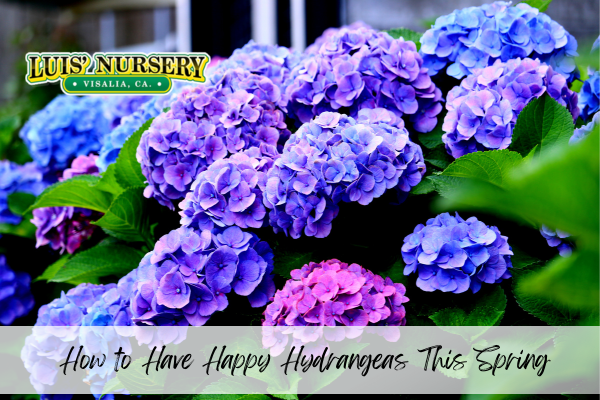
Hydrangeas, known for their vibrant blooms and lush foliage, require specific conditions to thrive and express their full potential. Here are several factors that contribute to the happiness of hydrangeas.
Sunlight Requirements
Hydrangeas flourish best in environments where they receive the appropriate amount of sunlight. Different types of hydrangeas have varying sunlight preferences:
- Partial shade: Many hydrangeas, such as the Hydrangea macrophylla, prefer partial shade, especially in the afternoon heat.
- Dappled sunlight: Some hydrangeas thrive in dappled sunlight, which provides them with the energy they need without scorching their leaves.
- Full sun tolerance: Certain varieties, like Hydrangea paniculata, can tolerate more sun, making them quite versatile in garden planning.
Soil Conditions
The type and condition of soil greatly impact the health of hydrangeas. Well-draining, rich soil is essential for their growth:
- pH levels: Hydrangeas prefer slightly acidic to neutral soil, which can affect flower color, especially in Hydrangea macrophylla.
- Organic matter: Mixing organic compost into the soil enriches it with nutrients, promoting overall plant health.
- Drainage: Soil must drain well to avoid root rot; hydrangeas do not like wet feet.
Watering Needs
Hydrangeas need consistent moisture for optimal growth, so understanding their watering preferences is crucial:
- Regular watering: It's important to keep the soil consistently moist, especially during dry spells.
- Deep watering: Water should reach deep into the roots; using a soaker hose can help with this.
- Avoid overwatering: While they love moisture, too much water can lead to root problems. Monitor the soil's moisture level.
Fertilization Practices
Feeding hydrangeas at the right times is crucial for their happiness and blooming capabilities:
- Spring fertilization: A balanced, slow-release fertilizer applied in spring helps stimulate growth and blooming.
- Acidic fertilizers: If you desire blue flowers, using a fertilizer specifically for acid-loving plants can encourage that color change.
- Over-fertilization caution: It's important not to over-fertilize, as this can harm the plant and lead to fewer blooms.
Pruning Techniques
Proper pruning techniques can enhance the growth and flowering of hydrangeas, ensuring they remain healthy and well-shaped:
- Timing: Prune at the right time, typically right after blooming for some varieties, to avoid cutting off next year's blooms.
- Removing dead wood: Regular removal of dead or damaged branches encourages new growth.
- Shaping: Proper shaping through pruning can enhance airflow and light penetration, which promotes a healthier plant.
Questions from Our Readers
Is it beneficial to put coffee grounds around hydrangeas?
Coffee grounds can be beneficial for hydrangeas as they provide nutrients and improve soil structure. They are rich in nitrogen, which helps in the growth of healthy foliage. However, it's important to use them in moderation to avoid any potential negative effects on the soil's acidity.
Will coffee grounds change the color of my hydrangeas?
Yes, using coffee grounds may influence the color of your hydrangeas. Hydrangeas can change color based on the pH level of the soil; coffee grounds can make the soil slightly more acidic, potentially leading to blue blooms if the variety allows it.
How often should I apply coffee grounds to hydrangeas?
It is recommended to apply coffee grounds to hydrangeas once every few weeks during the growing season. This regular application can help maintain the necessary nutrients and improve the overall health of the plants without overwhelming them with too much at once.
Can coffee grounds attract pests to my hydrangeas?
While coffee grounds are not known to attract most pests, they can sometimes attract certain insects. It's essential to monitor the plants for any signs of unwanted pests and ensure that the application is balanced to minimize any potential issues.
See also:

If you want to read more articles like Is it good to put coffee grounds around hydrangeas? Exploring Benefits and Tips for Gardeners, we recommend you check out our Hydrangea category.
Leave a Reply
Related Articles