Do Hydrangeas Stay Alive All Summer? Essential Tips for Healthy Blooms
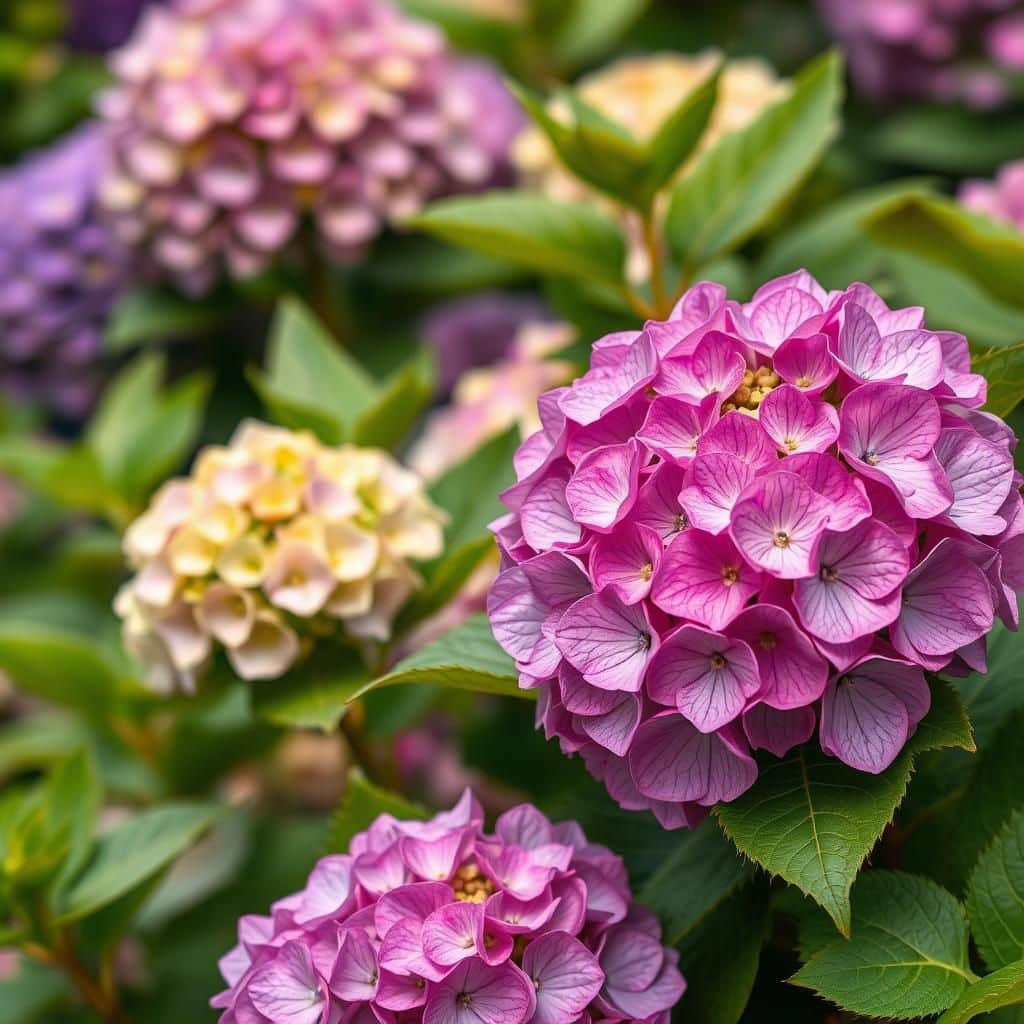
Hydrangeas are beloved for their stunning blooms, but many gardeners wonder if these vibrant plants can thrive throughout the summer months. With the right care, hydrangeas can not only survive but also flourish, adding beauty to your garden during the hottest days of the year. This article explores essential tips for maintaining healthy hydrangeas, including watering, sunlight requirements, and soil conditions. Whether you're a seasoned gardener or a novice, understanding the needs of your hydrangeas is crucial for ensuring they remain vibrant and resilient all summer long. Discover how to keep your hydrangeas blooming beautifully in any climate.
Do Hydrangeas Stay Alive All Summer?
Hydrangeas are generally known for their vibrant blooms and lush foliage, and they can indeed stay alive throughout the summer months. However, their health and vitality during this season depend on several factors, including the specific type of hydrangea, local climate conditions, and the care they receive. Providing adequate water is crucial, especially in hot weather, as hydrangeas can suffer from stress due to drought. Moreover, ensuring they have the right amount of sunlight—usually partial shade—is essential for maintaining their lovely blooms. Regular fertilization can also promote robust growth and flowering, allowing these beautiful plants to thrive all summer long.
Watering Needs of Hydrangeas
The watering needs of hydrangeas are critical to their survival during the summer months. These plants prefer consistently moist soil but can be sensitive to overwatering. A deep watering session once or twice a week is generally recommended, especially in hotter regions. A good sign of dehydration is wilting leaves, which should prompt immediate watering to prevent further stress on the plant. Using mulch can help retain moisture in the soil, reducing the frequency of watering required.
Sunlight Requirements
Hydrangeas thrive best in conditions that offer partial shade rather than full sun. Exposure to intense afternoon sun can scorch their leaves and reduce blooming. Therefore, it's ideal to position hydrangeas where they receive morning sun and afternoon shade. Some varieties, like the Panicle hydrangea, can tolerate more sunlight, but generally, a balance of sun and shade will keep them healthy and blooming throughout the summer.
Soil Conditions
The soil in which hydrangeas are planted plays a significant role in their summer health. They prefer well-draining, organic-rich soil that retains moisture without becoming waterlogged. Testing soil pH can also be beneficial, as certain hydrangea types can change color depending on the acidity of the soil. For example, alkaline soils may produce pink blooms, while acidic soils may yield blue flowers. Regularly amending the soil with compost can improve its structure and nutrient content.
See also:
Fertilization for Blooming
To achieve bountiful blooms, it is essential to fertilize hydrangeas during the growing season, typically in spring. A balanced, slow-release fertilizer can provide the necessary nutrients that promote healthy growth and flowering. Over-fertilizing can lead to excessive leaf growth at the expense of flowers, thus monitoring the type and amount of fertilizer used is crucial. A general recommendation is to apply fertilizer every six to eight weeks during the growing season for optimal results.
Varieties of Hydrangeas and Their Care
Different varieties of hydrangeas have unique care requirements and can affect their longevity throughout the summer. For instance, Bigleaf hydrangeas (Hydrangea macrophylla) may require more care regarding moisture, while Smooth hydrangeas (Hydrangea arborescens) tend to be more tolerant of various conditions. It is essential to research the specific type you own to understand its unique needs, as this knowledge will help ensure they not only survive but thrive in your garden all summer.
| Factor | Requirement |
|---|---|
| Watering | Deep watering weekly |
| Sunlight | Partial shade preferred |
| Soil | Well-draining, moist |
| Fertilization | Every 6-8 weeks |
| Variedades | Care varies by type |
Essential Care Strategies for Summer Hydrangeas
To ensure that your hydrangeas thrive all summer long, it is crucial to adopt several essential care strategies. First, consider the watering frequency; these plants often require consistent moisture, especially during the hotter months. Ensure the soil remains well-drained yet slightly moist, as overly dry or soggy conditions can stress the plants. Additionally, applying a layer of mulch can help retain soil moisture and regulate temperature. Lastly, regular fertilization can support vibrant blooms, so using a balanced fertilizer between the growing seasons will keep your hydrangeas healthy and thriving throughout the summer.
Watering Techniques for Hydrangeas
Proper watering is key to keeping hydrangeas healthy during the summer heat. Aim to water deeply but infrequently, encouraging the roots to expand and seek moisture deeper in the soil. Early morning is the best time to water, as it allows plants to absorb moisture before the sun's heat increases. A general rule of thumb is to provide about one inch of water per week, but always adjust based on rainfall and soil conditions to prevent both drought stress and overwatering.
Choosing the Right Location
The location of your hydrangeas plays a vital role in their summer survival. These plants thrive in locations with partial shade, especially in regions with intense afternoon sun. Too much direct sunlight can lead to leaf scorch and prevent proper blooming. Look for areas with filtered sunlight or dappled shade, which can help protect the plants while still providing the light they need for healthy growth.
See also:
Dealing with Pests and Diseases
Throughout the summer, hydrangeas can be susceptible to various pests and diseases. Common pests include aphids and spider mites, which can weaken plants by sucking sap. Regularly inspect your plants and use organic pest control options, like insecticidal soap, if infestations occur. Additionally, keeping good air circulation around the plants can help prevent fungal diseases, which are more prevalent in warm, humid conditions.
Proper Pruning Techniques
Pruning hydrangeas correctly is essential for promoting robust blooms throughout the summer. Depending on the type of hydrangea, the best time to prune can vary. Generally, it's advisable to prune after flowering to avoid cutting off future buds. Remove dead wood, and thin out overcrowded areas to improve air circulation, which not only promotes health but can also encourage more vibrant blooms.
Fertilizing for Abundant Blooms
To enhance the blooming potential of your hydrangeas, proper fertilization is critical during the growing season. Use a balanced, slow-release fertilizer in early spring, which provides nutrients throughout the summer. Specific formulas for flowering plants that are higher in phosphorus can boost bloom production. Always follow the manufacturer’s guidelines to prevent over-fertilization, which can damage the plants or lead to excessive leafy growth at the expense of flowers.
Questions from Our Readers
Do hydrangeas stay alive all summer?
Hydrangeas typically thrive during the summer months with proper care. They require adequate water, sunlight, and nutrition to stay healthy. As long as the climate is suitable and they are well-maintained, hydrangeas can remain vibrant throughout summer.
What care do hydrangeas need during the summer?
During summer, hydrangeas need regular watering, especially during hot, dry spells. Ensuring they receive consistent moisture without waterlogging is crucial for their survival and blooming.
See also:
Can hydrangeas wilt in extreme heat?
Yes, hydrangeas can wilt in extreme heat if they do not receive enough water. It's important to monitor their hydration levels and provide shade if temperatures become excessively high to prevent stress on the plants.
How can I help my hydrangeas thrive in the summer?
To help your hydrangeas thrive in summer, make sure to provide mulch around the base to retain moisture, apply a balanced fertilizer to promote healthy growth, and monitor their exposure to direct sunlight to prevent leaf scorch.

If you want to read more articles like Do Hydrangeas Stay Alive All Summer? Essential Tips for Healthy Blooms, we recommend you check out our Hydrangea category.
Leave a Reply
Related Articles