When to Cut Back Hydrangeas? Your Ultimate Guide for Pruning Success

Hydrangeas are a beloved choice for gardeners, known for their stunning blooms and vibrant colors. However, proper care, particularly pruning, is essential to ensure these plants flourish year after year. Knowing when to cut back hydrangeas can significantly impact their growth and flowering potential. In this ultimate guide, we will explore the best practices for pruning hydrangeas, including the optimal timing and techniques for various hydrangea varieties. Whether you're a seasoned gardener or a curious beginner, this comprehensive resource will equip you with the knowledge needed for pruning success and maintaining beautiful hydrangeas in your garden.
When to Cut Back Hydrangeas
Cutting back hydrangeas is essential for maintaining their health and promoting vibrant blooms, but the timing can vary based on the type of hydrangea you have. Generally, it’s recommended to cut back hydrangeas in late winter or early spring, just before new growth begins. This timing allows you to assess which branches survived winter and encourages fresh growth. However, for those types that bloom on old wood, such as the bigleaf (Hydrangea macrophylla) and oakleaf (Hydrangea quercifolia) hydrangeas, it is vital to avoid cutting back in the fall or winter, as you may remove the buds that are set to flower in the upcoming season.
Identifying Hydrangea Varieties
Understanding the specific variety of hydrangea you have is crucial for determining the appropriate pruning time. There are mainly two categories: those that bloom on old wood and those that bloom on new wood. Old wood varieties, like the mophead and lacecap, should be pruned after they bloom, while new wood types, such as the panicle and smooth hydrangeas, can be pruned in early spring as they will flower on new growth.
Signs It’s Time to Prune
Knowing the signs that indicate it’s time to prune your hydrangeas can help you maintain them effectively. Look for signs like dead or damaged branches, which can be cut back to promote healthy growth. Additionally, if you notice a crowded appearance with numerous thin stems, it may signify that pruning is needed to allow for better air circulation and light penetration, fostering stronger and more vigorous blooms.
Best Practices for Cutting Back
When you decide to cut back your hydrangeas, employing the right techniques is essential for their health. Use clean, sharp pruning shears to make clean cuts at a 45-degree angle about a quarter inch above a bud. Ensure that you remove old wood and any stems that are crossing each other to prevent crowding. After pruning, it is advisable to clean up the area to avoid any disease from spreading and encourage a nurturing environment for new growth.
Impact of Climate on Pruning
The climate in which your hydrangeas grow significantly impacts when to prune them. In milder climates, gardeners may find it suitable to prune earlier in the spring, while in regions experiencing colder winters, delaying pruning until the risk of frost is over may be necessary. Additionally, hydrangeas in shaded areas may require different timings compared to those in full sun, as light exposure influences their growth patterns.
Post-Pruning Care
After cutting back your hydrangeas, providing proper care is vital to ensure healthy regrowth. Watering the plants adequately promotes recovery, especially if you have pruned during a dry period. Adding a layer of mulch can help maintain moisture and regulate soil temperature, while also supplying essential nutrients as it decomposes. Monitor the plants for pests and diseases, and consider a balanced fertilizer in early spring to encourage robust growth.
| Hydrangea Type | Pruning Time | Bloom Type |
|---|---|---|
| Bigleaf (Hydrangea macrophylla) | After Blooming | Old Wood |
| Oakleaf (Hydrangea quercifolia) | After Blooming | Old Wood |
| Panicle (Hydrangea paniculata) | Early Spring | New Wood |
| Smooth (Hydrangea arborescens) | Early Spring | New Wood |
Is it better to prune hydrangeas in fall or spring?

Pruning hydrangeas is a crucial part of maintaining their health and promoting blooming. The question of whether it is better to prune hydrangeas in fall or spring largely depends on the specific type of hydrangea and the climate of the region where they are grown. Each season offers distinct advantages and disadvantages, making the decision dependent on individual circumstances.
Types of Hydrangeas
Pruning methods often vary based on the type of hydrangea. Here are three main categories:
See also:
- Macrophyllas: These are the typical garden hydrangeas that bloom on old wood. They should be pruned in late spring, after they have flowered, to avoid cutting off the buds.
- Paniculatas: Known for their large, cone-shaped flowers, these hydrangeas bloom on new wood and can be pruned in late winter or early spring without affecting their blooms.
- Arborescens: Similar to paniculatas, these hydrangeas bloom on new wood and benefit from pruning in early spring.
Pruning in Fall
Pruning in the fall can help to maintain the plant's shape and promote air circulation. Consider the following points:
- Preparation for Winter: Getting rid of dead or diseased branches before winter ensures better plant health.
- Reduction of Size: Fall pruning helps to manage the overall size of the plant, preventing it from becoming unruly.
- Potential Damage from Frost: However, pruning in fall can expose any cuts to harsh winter temperatures, which may damage the plant.
Pruning in Spring
Spring pruning is often considered safer and more effective for many hydrangeas. The following benefits are notable:
- Visibility of New Growth: Spring pruning allows gardeners to see where new shoots are emerging, which helps in making informed pruning decisions.
- Avoiding Frost Damage: By delaying pruning until after the last frost, you protect the plant from potential damage.
- Encouragement of Blooms: For types that bloom on new wood, spring pruning stimulates more vigorous growth and ultimately better blooms.
Climate Considerations
The climate plays a critical role in deciding when to prune. Factors to keep in mind include:
- Cold Climates: In regions with harsh winters, it may be better to prune in early spring to avoid freeze damage.
- Mild Climates: In warmer areas where winters are less severe, fall pruning may be more suitable.
- Local Weather Patterns: Consider local weather patterns when determining the best pruning time. Abnormal early spring frosts can affect bloom potential.
Tools and Techniques for Pruning
Proper tools and techniques are also essential for effective pruning. Here are some important tips:
- Sharp Pruners: Always use sharp pruning shears to make clean cuts that reduce the risk of disease.
- Wound Sealant: Consider using a sealant on larger cuts to promote healing and prevent disease.
- Technique: Make cuts at a 45-degree angle just above a bloom or bud to encourage healthy growth patterns.
What happens if you don't cut hydrangeas back?
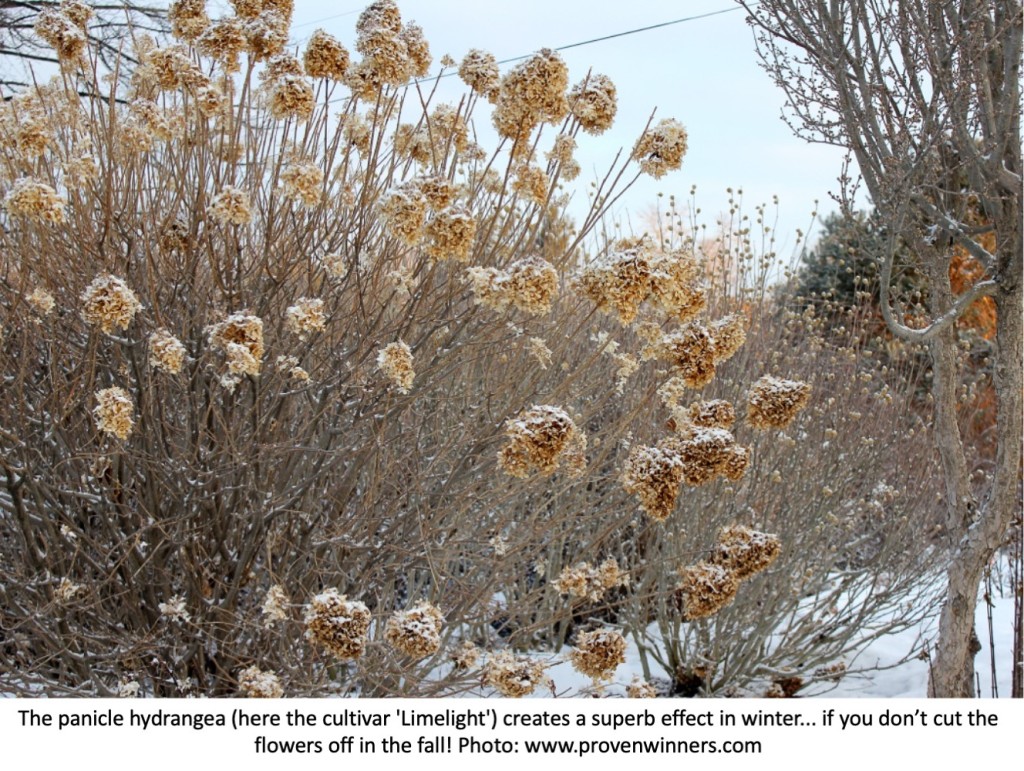
If you don't cut hydrangeas back, several impacts can occur that affect the overall health and appearance of the plants. Hydrangeas are known for their beautiful blooms, but neglecting to prune them can lead to overgrowth, decreased flowering, and increased vulnerability to diseases and pests. Here’s a detailed explanation of the consequences of not cutting hydrangeas back:
1. Overgrowth and Unruliness: Without regular pruning, hydrangeas can become overgrown and unruly. This can lead to:
- Impeded Air Circulation: Overgrown plants can trap moisture and restrict airflow, promoting the development of fungal diseases.
- Difficulty in Maintenance: An unkempt plant becomes harder to manage, requiring more effort in terms of space and care.
- Reduced Aesthetic Appeal: The hydrangea's natural shape and beauty may be compromised, resulting in a less visually appealing garden.
2. Decreased Flower Production: Failing to prune hydrangeas can lead to fewer flowers in the following growing season. This happens because:
- Old Wood Dominance: Many hydrangeas bloom best on new growth; if not pruned, older wood can dominate, reducing flower quantity.
- Increased Competition for Nutrients: More branches can compete for nutrients, ultimately leading to fewer and smaller blooms.
- Browning of Flowers: Old blooms that are not removed can turn brown and detract from the overall look while harming bud development.
3. Increased Risk of Disease and Pests: Not cutting back hydrangeas can lead to an increased risk of various diseases and pests, including:
- Fungal Infections: Poor air circulation and excess moisture can result in fungal infections such as powdery mildew.
- Insect Infestation: Overgrown plants can be more attractive to pests, making them susceptible to infestations.
- Wood Decay: Dead and decaying wood can invite disease pathogens that compromise the overall health of the plant.
4. Stunted Growth: Neglecting to prune hydrangeas can lead to stunted growth, characterized by:
See also:
- Limited New Growth: Without pruning, the energy of the plant is diverted to maintaining older branches rather than producing new ones.
- Imbalanced Growth Patterns: Unmanaged growth can lead to an asymmetrical appearance, affecting the overall structure of the plant.
- Reduced Resilience: Stunted growth may weaken the plant’s ability to withstand harsh weather or environmental stress.
5. Reduced Lifespan of the Plant: Over time, neglecting to prune hydrangeas can shorten their lifespan. This is due to:
- Increased Stress Levels: An overgrown plant experiences higher stress, which can lead to quicker decline and death.
- Lowered Vitality: Without pruning, vitality declines as plants struggle to focus energy on fewer and older branches.
- Persistent Problems: Long-term neglect can lead to cumulative issues with disease and pest invasions, further shortening plant health and lifespan.
Do you cut hydrangeas down to the ground in the winter?

When it comes to caring for hydrangeas during the winter months, the approach you take largely depends on the type of hydrangea you have. In general, cutting hydrangeas down to the ground in winter is not recommended for many varieties, as this can affect their blooming in the following season. Instead, proper winter care may involve selective pruning or minimal cutting back.
Understanding Hydrangea Varieties
It is essential to understand that there are different types of hydrangeas, and their pruning needs vary significantly. Common types include:
- Bigleaf Hydrangeas (Hydrangea macrophylla) - These usually bloom on old wood, so cutting them down can remove potential blooms.
- PeeGee Hydrangeas (Hydrangea paniculata) - These bloom on new wood and can be cut back without affecting their flowering.
- Oakleaf Hydrangeas (Hydrangea quercifolia) - Similar to Bigleaf, they also flower on old wood and should not be pruned drastically in winter.
The Importance of Pruning
Pruning hydrangeas is vital for their health and structure but needs to be done based on each variety's growth habits. A few key points include:
- Encouraging New Growth - Pruning can promote new shoots that will lead to healthy blooms in the next season.
- Removing Dead Wood - It is crucial to remove any dead or diseased branches, cutting them back to healthy tissue.
- Shaping the Plant - Pruning helps maintain a desired shape and size, improving the overall aesthetics of the garden.
Winter Care Tips for Hydrangeas
Providing adequate care during winter can help your hydrangeas thrive the following spring. Important practices include:
- Mulching - Apply a thick layer of mulch around the base to protect roots from frost.
- Watering - Ensure the plants are well-watered before the ground freezes to help them withstand winter.
- Covering - For particularly cold climates, consider covering plants with burlap or a dedicated plant cover.
Signs of Pruning Needs
Recognizing when your hydrangeas need pruning is crucial for their health. Look out for these signs:
- Dead Branches - Yellowing or browning branches that don’t produce leaves in spring indicate a need for removal.
- Overcrowding - If branches are tightly packed, remove a few to allow light and air to circulate.
- Pest Damage - Signs of infestation may require pruning to prevent the spread of disease.
Best Timing for Pruning Hydrangeas
Knowing when to prune is just as important as figuring out how much to prune. Key considerations include:
- Winter Dormancy - Pruning should ideally happen while plants are dormant, usually late winter.
- Post-Bloom Care - For some types, pruning should take place right after blooming to allow for new growth.
- Observe Climate - Adapt your pruning schedule according to local climate conditions to avoid early growth issues.
Questions from Our Readers
When is the best time to cut back hydrangeas?
It is generally recommended to cut back hydrangeas in the early spring, just before new growth begins. This timing allows you to make clean cuts and promote healthy development, as the plants are still dormant but ready to flourish. If you cut them back too late, you may risk removing the buds that will produce flowers.
How much should I cut back hydrangeas?
When cutting back hydrangeas, it's important to prune them to about one-third of their height. This encourages strong growth while maintaining the plant's overall shape. Be cautious not to over-prune, as this can lead to reduced flowering, especially in varieties that bloom on old wood.
See also:
Should I remove dead or damaged stems?
Yes, you should definitely remove any dead or damaged stems during pruning. This helps improve air circulation and can reduce the risk of disease, allowing the plant to conserve energy for healthy growth. Make sure to cut these stems back to healthy wood, where you can see the potential for new growth.
Can I cut back hydrangeas in the fall?
While some gardeners choose to cut back hydrangeas in the fall, it is generally advisable to wait until early spring. Pruning in the fall may expose the plants to harsh winter conditions, potentially leading to winter damage. Early spring pruning, before new growth starts, is safer and allows the plant to recover properly.

If you want to read more articles like When to Cut Back Hydrangeas? Your Ultimate Guide for Pruning Success, we recommend you check out our Hydrangea category.
Leave a Reply
Related Articles