Are Hydrangeas a Perennial or Annual? Discover the Truth About These Popular Blooms
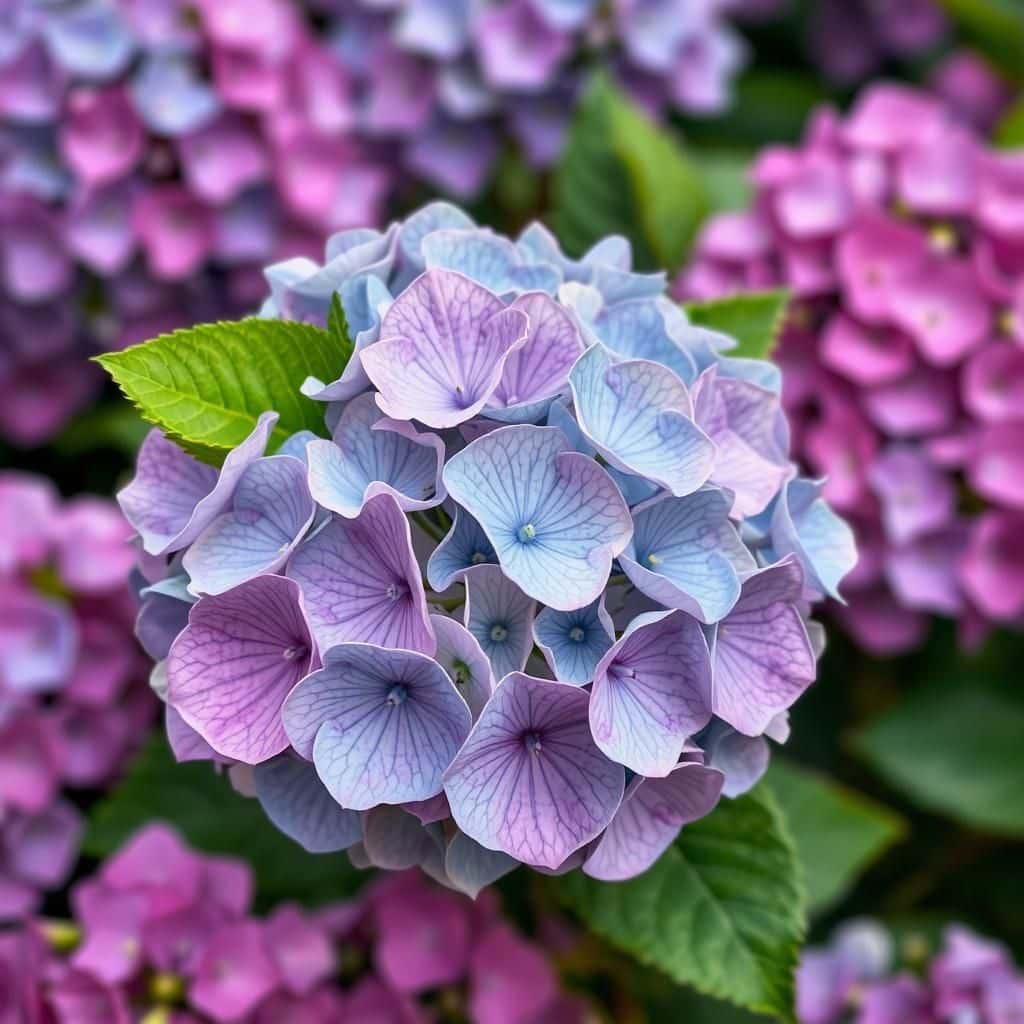
When it comes to garden favorites, hydrangeas hold a special place in the hearts of many plant lovers. Their stunning blooms and lush foliage make them a sought-after choice for landscapes and floral arrangements alike. However, a common question arises among enthusiasts: are hydrangeas perennial or annual? Understanding the growth habits of these beautiful plants is essential for successful gardening and long-term enjoyment. In this article, we will explore the classification of hydrangeas, uncover the truth about their lifespan, and provide valuable insights into their care to ensure these popular blooms thrive in your garden year after year.
Are Hydrangeas Perennials or Annuals?
Hydrangeas are consideredperennials, meaning they return year after year from their established root systems. Unlikeannuals, which complete their life cycle in a single growing season, hydrangeas can live for many years and continue to bloom during the warmer months. These stunning plants often produce large, vibrant clusters of flowers that can be found in various colors, depending on the species and soil conditions. Proper care, including pruning and ensuring suitable environmental conditions, allows hydrangeas to thrive and display their beautiful blossoms each season.
Characteristics of Hydrangeas
Hydrangeas are known for their large, lush foliage and striking flower clusters. Depending on the variety, they can display colors ranging from blue to pink, white, and purple. The unique color variations are largely influenced by soil pH levels, which can change the intensity of the colors. They typically bloom during the summer months, providing a robust display of color in gardens and landscapes. As perennials, they have a perennial life cycle, allowing them to persist and grow over the years.
Growing Conditions for Hydrangeas
To thrive, hydrangeas prefer a soil that is rich in organic matter and well-drained. They typically flourish in environments that provide partial to full sunlight, although some varieties may tolerate shade. It is important to keep the soil consistently moist, especially during dry periods, as they require adequate water to support their growth and blooming process. Additionally, soil pH can be altered to influence bloom color, making it essential to monitor soil conditions for optimal results.
Types of Hydrangeas
There are several common types of hydrangeas, each with its unique characteristics and care requirements. The most popular varieties includeHydrangea macrophylla, also known as mophead or lacecap hydrangeas, andHydrangea paniculata, recognized for their conical flower clusters. Other common types includeHydrangea quercifolia, or oakleaf hydrangea, andHydrangea arborescens, often called smooth hydrangea. Each type has its own distinct features and ideal growing conditions, making them suitable for a variety of gardening scenarios.
Pruning Hydrangeas
Pruning hydrangeas is crucial for maintaining their health and promoting robust blooms. The best time to prune varies among different types; for instance, mophead hydrangeas typically benefit from pruning in late summer after blooming, while panicle hydrangeas thrive with a winter pruning. Correct pruning techniques encourage new growth and enhance flower production, allowing gardeners to enjoy an abundant display of blooms each season. It is essential to research the specific pruning needs based on the hydrangea variety in question to ensure optimal health and performance.
See also:
Common Pests and Diseases
Like many garden plants, hydrangeas can fall prey to various pests and diseases. Common issues include aphids, spider mites, and powdery mildew. Regular inspections and maintaining good air circulation around the plants can help prevent these problems. Treatments may involve organic solutions or insecticides specifically designed for use on ornamental plants. Keeping the foliage healthy and managing pests promptly will ensure that hydrangeas remain vibrant and productive throughout their growing season.
| Type | Blooming Period | Color Range | Pruning Timing |
|---|---|---|---|
| Hydrangea macrophylla | Summer | Blue, Pink, White | Late Summer |
| Hydrangea paniculata | Summer to Fall | White, Pink | Winter |
| Hydrangea quercifolia | Summer | White, Pink | Post-Bloom |
| Hydrangea arborescens | Summer | White | Late Winter |
Can hydrangeas stay outside in winter?
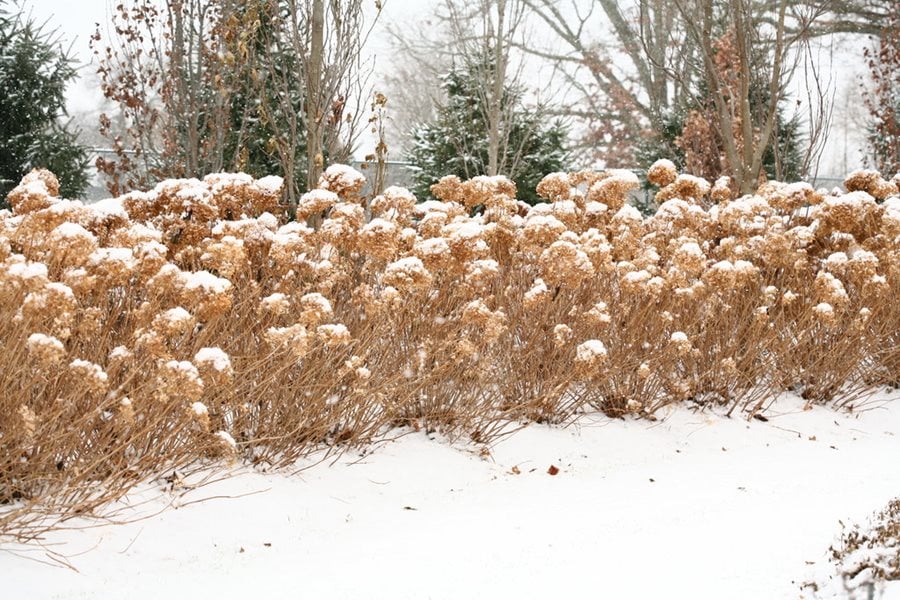
Hydrangeas are popular garden plants known for their large, beautiful blooms. Whether these plants can remain outside during the winter largely depends on the specific type of hydrangea, the climate in your area, and the care they receive prior to winter.
Most hydrangeas can survive outdoors in winter, but they do require some protection. Here are the essential considerations to keep in mind:
1. Hardiness Zones: Hydrangeas have different hardiness ratings according to their species, and it's crucial to know your plant’s hardiness zone.
- Bigleaf Hydrangeas (Hydrangea macrophylla): Generally suited for USDA zones 5-9 but may struggle in colder regions.
- Panicle Hydrangeas (Hydrangea paniculata): More tolerant of cold, thriving in USDA zones 3-8.
- Smooth Hydrangeas (Hydrangea arborescens): Hardy in USDA zones 3-9.
2. Preparation for Winter: Proper care before winter can significantly improve a hydrangea's chances of surviving freezing temperatures.
See also:
- Pruning: Avoid harsh pruning in the fall; light pruning can help maintain shape without damaging buds.
- Mulching: Apply a thick layer of mulch around the base to insulate the roots against extreme cold.
- Watering: Ensure the plants are well-watered before the first freeze, as moisture helps them withstand the cold better.
3. Microclimates: Taking advantage of protected areas in your garden can help your hydrangeas survive better during winter.
- South-facing Walls: These locations absorb more sunlight and can provide warmth to the plants.
- Windbreaks: Planting hydrangeas near natural wind barriers can reduce exposure to harsh winter winds.
- Shade Structures: Temporary structures may help protect against heavy snow or ice accumulation.
4. Winter Damage: Understanding the signs of winter damage is vital for addressing any issues that arise.
- Brown or Wilted Leaves: These may indicate frost damage; be cautious in spring.
- Broken Stems: Ice or snow may weigh down branches, causing them to snap.
- Delayed Blooming: If buds are damaged, it may result in reduced blooms for the season.
5. Replanting: If you notice that a hydrangea has not survived the winter, knowing how to properly replant is crucial.
- Choosing New Plants: Select varieties suited to your climate for better success rates.
- Soil Health: Ensure good drainage and amend the soil if necessary to promote healthy growth.
- Timing: Plant in spring after the last frost to give the new plants the best chance to establish.
Questions from Our Readers
Are hydrangeas perennial or annual?
Hydrangeas are generally considered perennials, which means they grow back year after year. Unlike annuals that complete their life cycle in one growing season, perennial plants like hydrangeas can survive through the winter and re-emerge in the spring.
How long do hydrangeas last?
Most hydrangeas can live for several years, with some varieties thriving for decades if properly cared for. The longevity of hydrangeas depends on factors such as soil quality, climate, and maintenance practices.
Do hydrangeas die back in the winter?
Yes, many types of hydrangeas will die back to the ground during winter, especially in colder climates. However, the roots usually remain alive and will produce new growth in the spring when the temperatures become warmer.
See also:
What is the best time to plant hydrangeas?
The best time to plant hydrangeas is in the spring or fall, as these seasons provide optimal conditions for root establishment. Planting during these times helps ensure that they will thrive and produce beautiful blooms in future seasons.

If you want to read more articles like Are Hydrangeas a Perennial or Annual? Discover the Truth About These Popular Blooms, we recommend you check out our Hydrangea category.
Leave a Reply
Related Articles