Why Are Hydrangeas So Difficult to Grow? Key Factors and Tips for Success

Hydrangeas are beloved for their stunning blooms and lush foliage, but many gardeners find them challenging to cultivate. Understanding the intricacies of their care is essential for achieving vibrant plants year after year. Factors such as soil type, pH, watering practices, and exposure to sunlight play pivotal roles in the health and growth of hydrangeas. Additionally, varying species have unique requirements that can complicate their maintenance. In this article, we will explore the key challenges that contribute to the difficulties of hydrangea cultivation and provide practical tips to help you successfully grow these magnificent flowering shrubs in your garden.
Why Are Hydrangeas So Difficult to Grow?
Hydrangeas can be challenging to cultivate due to their sensitivity to environmental conditions, such as soil type, pH levels, and climate. These plants require the right balance of moisture and drainage; too much water can lead to root rot, while too little can cause stress and hinder blooming. Additionally, hydrangeas are susceptible to various pests and diseases, which can further complicate their care. Understanding their specific needs regarding sunlight exposure and nutrient requirements is crucial, making them a demanding species for both novice and experienced gardeners.
Soil Requirements
The type of soil is critical for the successful growth of hydrangeas. They typically prefer rich, well-draining loamy soil with a slightly acidic to neutral pH (around 5.5 to 7). If the soil is too alkaline, it can affect the ability of the plant to absorb essential nutrients, leading to chlorosis and poor growth. Moreover, heavy clay or sandy soils can either retain too much moisture or drain too quickly, both of which can be detrimental to hydrangea health. Regular testing of soil pH and amendment accordingly is vital for optimal performance.
Light Requirements
Hydrangeas have specific lighting needs that can be difficult to meet. Most varieties thrive in partial shade, receiving about 4-6 hours of direct sunlight daily. Too much sun can scorch their leaves and result in wilting, while too little light may hinder their blooming capacity. The balance of light is essential not only for healthy foliage but also for vibrant flower development. Gardeners must consider the microclimates in their gardens, as nearby structures and trees can impact sunlight exposure.
Watering Challenges
Watering is perhaps one of the most critical aspects of hydrangea care. These plants demand consistent moisture, as fluctuating water levels can stress the plant and result in wilting or poor growth. However, overwatering can lead to root rot. Therefore, determining the correct watering technique—ensuring that the top inch of soil dries between waterings—is essential. Factors such as weather conditions, soil type, and plant size should be considered to develop a proper watering schedule.
Pests and Diseases
Hydrangeas are prone to several pests and diseases, adding to the challenge of their cultivation. Common issues include aphids, spider mites, and powdery mildew, which can affect both the foliage and flowers. Regular monitoring and proper cultural practices, such as ensuring good air circulation and avoiding overhead watering, can help minimize these problems. Using organic pesticides or disease-resistant varieties can also help in maintaining a healthy plant and ensuring successful growth.
Climate Sensitivity
Climate plays a crucial role in hydrangea growth, as these plants are sensitive to temperature fluctuations. They thrive best in USDA Hardiness Zones 3-9, but extreme heat or cold can severely affect their growth and blooming. For instance, late frosts in spring can damage flower buds, while excessive heat can stress the plant. Additionally, fluctuations in seasonal moisture can impact their ability to establish roots. Gardeners need to select suitable hydrangea varieties for their climate and be prepared to provide additional care during extreme weather conditions.
| Aspect | Details |
|---|---|
| Soil Type | Loamy soil with pH 5.5-7 |
| Light | Partial shade with 4-6 hours of sunlight |
| Watering | Consistent moisture; avoid overwatering |
| Pests | Aphids, spider mites, powdery mildew |
| Climate | Best in USDA Zones 3-9; sensitive to extremes |
Why are hydrangeas so hard to grow?
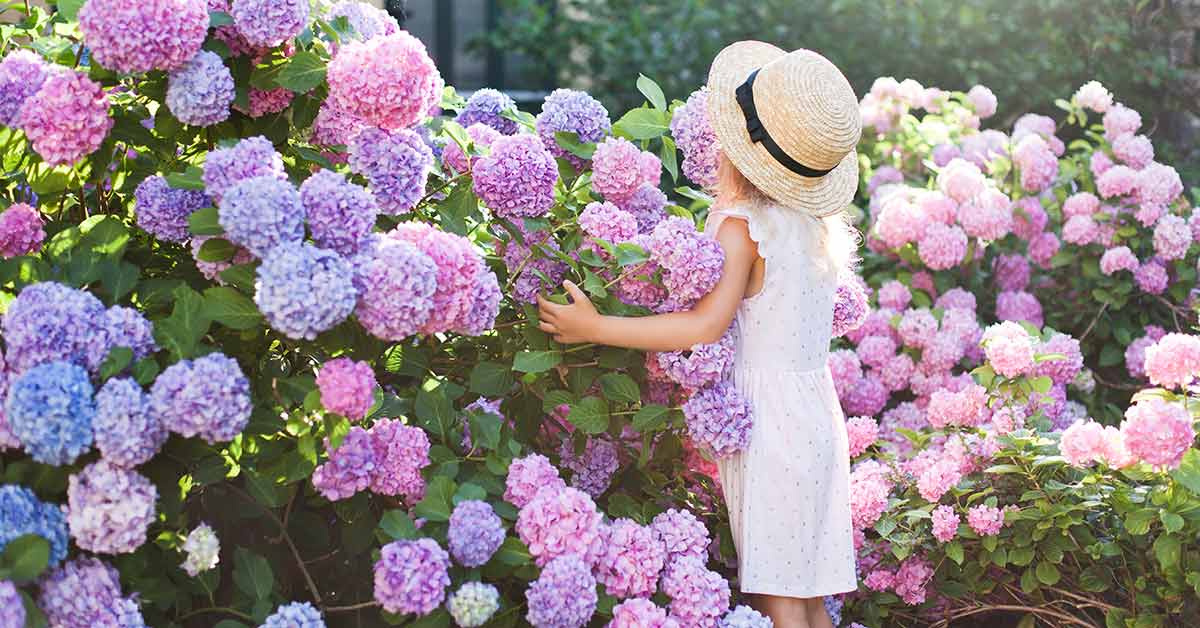
Hydrangeas are known for their stunning blooms, yet many gardeners find them to be quite challenging to grow. Several environmental and biological factors contribute to their difficulty, making it essential for gardeners to understand their needs.
Soil Requirements
Hydrangeas thrive in specific soil conditions. They prefer moist, well-drained soil that is rich in organic matter. If the soil lacks these qualities, it can adversely affect their growth. Key aspects to consider include:
- pH Level: Hydrangeas are sensitive to soil pH, which can influence flower color and overall health.
- Drainage: Poor drainage can lead to root rot, while overly dry conditions can stunt growth.
- Nutrients: A lack of essential nutrients, particularly phosphorus and potassium, can impede blooming.
Watering Challenges
Watering is crucial for hydrangeas, but it must be balanced carefully. Overwatering or underwatering can lead to problems. Consider the following factors:
- Root Sensitivity: Hydrangea roots are sensitive; too much water can suffocate them.
- Environmental Conditions: Weather changes can affect how much water hydrangeas need, making it tricky to gauge.
- Mulching: Proper mulching helps retain moisture but can also create an issue if piled too high against the base.
Sunlight Requirements
Hydrangeas require the right balance of sunlight to flourish. Different species have varying light needs, which can complicate their care:
- Partial Shade: Many hydrangeas prefer partial shade to prevent leaf scorch, but too much shade can hinder blooming.
- Sun Exposure: Too much direct sunlight can lead to wilting and affect flower production.
- Location: Choosing the wrong location can severely limit their growth potential.
Pruning Practices
Pruning hydrangeas can be daunting, especially for those who are unfamiliar with the different types of hydrangeas and their blooming cycles. Here are some considerations:
See also:
- Timing: Pruning at the wrong time can remove bloom buds, diminishing flowering.
- Type of Hydrangea: Different varieties have different pruning needs, making it vital to know which you’re growing.
- Tools: Using the right tools is essential to avoid damaging the plants during the pruning process.
Pest and Disease Management
Hydrangeas are susceptible to various pests and diseases, which can significantly impact their growth:
- Common Pests: Aphids, spider mites, and scale insects can weaken the plants.
- Diseases: Fungal infections like powdery mildew can thrive in humid conditions, affecting the foliage and blooms.
- Prevention: Regular monitoring and appropriate care can help prevent pest and disease infestations.
What is the 1 3 rule for hydrangeas?

The 1-3 rule for hydrangeas is a guideline used to determine the optimal pruning strategy for these popular flowering shrubs. This rule primarily applies to smooth hydrangeas (Hydrangea arborescens) but can also be relevant for other species. The fundamental concept of the 1-3 rule is to cut back the stems of the hydrangea to encourage healthy growth and abundant blooms in the following growing season. Here’s how it works:
1. One-third of the plant: You start by pruning back one-third of the previous year’s growth. This helps to rejuvenate the plant and allows for new growth to emerge.
2. Three buds: On each stem remaining after cutting, you leave three buds. These buds will eventually produce the flowers for the upcoming season.
This method is particularly effective as it balances between promoting new growth while ensuring that the plant has enough structure to support the blooms.
Understanding the Growth Cycle of Hydrangeas
Pruning hydrangeas is crucial for understanding their growth cycle. Early in the spring, these plants produce new shoots from the base or along the stems. You should be aware that different species might bloom on different types of wood. By adhering to the 1-3 rule, you take into account how much growth occurs and when the blooms will appear:
- Spring buds: New growth emerges as temperatures rise.
- Summer blooms: Flowers develop from the last season’s growth.
- Maintenance: Regular pruning ensures vigorous health and prolific blooming.
Pruning Techniques for Hydrangeas
Employing the right pruning techniques is essential to successfully implement the 1-3 rule. Pruning should ideally be done in late winter to early spring, before new growth begins. Here are some techniques:
- Clean tools: Use sharp, sanitized pruners to make clean cuts.
- Select stems: Identify which stems to prune based on their age and vigor.
- Cut at an angle: Make cuts at a slight angle above the buds to promote water runoff.
Benefits of Following the 1-3 Rule
Implementing the 1-3 rule has numerous benefits for hydrangeas, contributing to their overall health and aesthetic appeal:
- Promotes blooming: By pruning correctly, you encourage more flowers in the summer.
- Improves air circulation: Proper pruning opens up the plant, allowing better airflow.
- Enhances plant health: Regular pruning gets rid of old, damaged wood and fosters robust new growth.
Common Mistakes When Pruning Hydrangeas
Many gardeners make typical mistakes when it comes to hydrangea pruning. Understanding these pitfalls can help you avoid them:
- Over-pruning: Cutting back too much can severely reduce blooming potential.
- Timing issues: Pruning too late in the spring may remove buds set for flowering.
- Ignoring species differences: Not all hydrangeas are pruned the same way; knowledge of each type is crucial.
Best Practices for Hydrangea Care
To ensure that your hydrangeas thrive throughout the growing season, incorporating some best practices is invaluable:
- Regular watering: Ensure the plant receives adequate water, especially during dry spells.
- Fertilization: Use a balanced fertilizer in spring to promote healthy growth.
- Mulching: Apply mulch to retain moisture and suppress weeds around the base of the plants.
How do you encourage hydrangeas to grow?

To encourage hydrangeas to grow, it's essential to understand their specific needs and adapt care to suit those needs. Here are several key practices to promote healthy growth in these beautiful flowering plants.
Understanding Hydrangea Varieties
Different types of hydrangeas have varying requirements for growth. Knowing which type you have can significantly affect its health. Consider the following:
See also:
- Bigleaf Hydrangeas need consistent moisture and prefer partial shade.
- Panicle Hydrangeas are more tolerant of full sun and can handle drier conditions once established.
- Oakleaf Hydrangeas thrive in rich, well-drained soil and benefit from mulching.
Soil Quality and Drainage
Hydrangeas prefer well-drained, rich soil to flourish. The right soil conditions are vital for root development. Ensure you:
- Amend your soil with organic matter such as compost to provide nutrients.
- Check the pH of your soil; hydrangeas thrive best at a pH level between 5.2 and 6.2.
- Avoid waterlogged conditions by ensuring proper drainage around the root zone.
Watering Techniques
Hydrangeas require adequate moisture, especially during their growing season. Effective watering strategies include:
- Water deeply once or twice a week, especially in hot, dry spells.
- Avoid overhead watering to reduce the risk of foliage diseases and focus on watering the root zone.
- Use mulch to retain soil moisture and regulate soil temperature.
Fertilization Practices
Applying the right fertilizer can boost growth and flowering. Consider these fertilization guidelines:
- Use a balanced fertilizer in spring when new growth begins, following package instructions for dosage.
- If you want to change the flower color of certain varieties, adjust the soil pH with specific fertilizers.
- Stop fertilizing in late summer to allow plants to prepare for winter dormancy.
Pruning Techniques
Pruning is crucial for maintaining the shape and health of hydrangeas. Effective pruning approaches involve:
- Identify the type of hydrangea to know when and how to prune.
- Deadhead spent flowers to encourage new blooms and remove any dead or diseased stems.
- For some varieties, prune in early spring; for others, prune right after they bloom to avoid cutting off new buds.
Why are hydrangeas hard to keep alive?

Hydrangeas can be challenging to keep alive due to several factors that affect their growth and health. These beautiful flowering plants are sensitive to environmental conditions, soil quality, and watering needs. Below are some details on why hydrangeas can be hard to maintain.
Environmental Conditions
Hydrangeas require specific environmental conditions to thrive. If they are not planted in the right setting, they may struggle to survive.
- Sunlight: Different varieties of hydrangeas need varying amounts of sunlight. Some prefer full sun, while others thrive in partial shade.
- Temperature: Extreme temperatures can adversely affect hydrangeas. They may not survive harsh winters or the intense heat of summer.
- Humidity: These plants often prefer humid environments and can suffer in especially dry conditions.
Soil Quality
The type of soil hydrangeas are planted in significantly impacts their health. Poor soil conditions can lead to inadequate nutrient uptake.
- Drainage: Hydrangeas dislike standing water, so well-draining soil is essential to prevent root rot.
- Nutrients: A lack of essential nutrients in the soil can hinder growth and flowering.
- pH levels: The pH level of the soil can affect the color of the blooms and the overall health of the plant.
Watering Needs
Hydrangeas have specific watering requirements that must be carefully monitored. Both overwatering and underwatering can cause stress to the plant.
- Consistency: Hydrangeas need consistent moisture, particularly during their growing season.
- Symptoms of Stress: Leaves may turn brown or wilt, indicating that the plant is either too dry or too soggy.
- Watering Method: It's essential to water at the base of the plant to avoid wetting the leaves, which can lead to disease.
Pest and Disease Vulnerability
Hydrangeas are susceptible to various pests and diseases that can detrimentally affect their health. Recognizing and managing these threats is crucial.
- Common Pests: Aphids, spider mites, and scale insects can attack hydrangeas and weaken their structure.
- Diseases: Fungal infections like powdery mildew or root rot can severely damage or kill the plants.
- Prevention: Regular inspection and timely intervention are essential to prevent infestations and diseases.
Type of Hydrangea
Different varieties of hydrangeas have different needs and tolerances. Understanding the species can help in proper care.
- Hydrangea macrophylla: This type often requires more care and may not be as hardy in colder climates.
- Hydrangea paniculata: Generally more resilient, this variety can tolerate a wider range of conditions.
- Hydrangea quercifolia: Known for its unique leaves, it may require specific soil types and care routines.
Questions from Our Readers
Why do hydrangeas struggle with soil type?
Hydrangeas are sensitive to soil type, and they often struggle if the pH level is not optimal. They thrive in acidic to neutral soils, so if the soil is too alkaline, it can affect their nutrient uptake and overall health. Proper soil preparation is essential for their successful growth.
How does sunlight affect hydrangea growth?
Sunlight plays a crucial role in hydrangea growth, as these plants typically prefer partial shade. Too much direct sunlight can lead to leaf burn and poor bloom production, while too little can inhibit their growth. Striking the right balance is vital to ensure they flourish.
See also:
Why are hydrangeas sensitive to watering conditions?
Hydrangeas require consistent moisture, but they are also sensitive to overwatering. Excess water can lead to root rot, while insufficient watering can cause wilting and stress. Maintaining an ideal moisture level is critical for keeping these plants healthy and vibrant.
What common pests and diseases affect hydrangeas?
Hydrangeas are susceptible to various pests and diseases, including aphids, spider mites, and powdery mildew. These issues can stunt their growth and lead to unsightly blooms. Regular inspection and appropriate treatment are necessary to keep hydrangeas thriving and free from infestations.

If you want to read more articles like Why Are Hydrangeas So Difficult to Grow? Key Factors and Tips for Success, we recommend you check out our Hydrangea category.
Leave a Reply
Related Articles