Can Hydrangeas Survive Canadian Winter? Tips for Winter Care and Survival

As winter descends on Canada, many gardeners wonder if their beloved hydrangeas can withstand the harsh conditions. These vibrant flowering shrubs, known for their stunning blooms, often face challenges during the frigid months. To ensure your hydrangeas not only survive but thrive come spring, it's essential to understand their specific needs in winter care. This article will explore effective strategies to protect your hydrangeas from frost and extreme temperatures, helping you preserve their beauty and health throughout the cold season. With proper preparation and care, you can enjoy a flourishing garden when warmer days return.
Will Hydrangeas Survive Canadian Winters?
Yes, hydrangeas can survive Canadian winters, but their ability to withstand cold temperatures largely depends on the specific variety and the care they receive. Some types of hydrangeas, such as the Panicle Hydrangea (Hydrangea paniculata) and Smooth Hydrangea (Hydrangea arborescens), are more cold-hardy and can thrive in the colder regions of Canada. Proper preparations are crucial before winter sets in, including mulching around the base of the plant and ensuring they are adequately watered in the fall. Additionally, choosing the right planting location that offers some shelter from harsh winds can significantly improve their chances of surviving the winter months.
Types of Hydrangeas Suitable for Cold Climates
Several types of hydrangeas are well-suited for cold climates, particularly those that can withstand harsh winters. The most notable include the Panicle Hydrangea (Hydrangea paniculata), which blooms on new wood and tends to be more resilient against frost. The Smooth Hydrangea (Hydrangea arborescens) is also a great choice, as it is known for its hardiness and ability to thrive even in challenging conditions. Other varieties, like the Bigleaf Hydrangea (Hydrangea macrophylla), may struggle in colder areas due to their tendency to bloom on old wood and vulnerability to freeze.
Preparing Hydrangeas for Winter
To prepare hydrangeas for the winter months, gardeners should undertake several steps. First, it’s crucial to prune the plants at the right time, typically in late winter or early spring before new growth starts. Providing a thick layer of mulch around the base helps to insulate the roots and prevent frost heaving. Additionally, ensuring that the plants are well-watered in the fall will help them endure cold temperatures. Wrapping the bushes with burlap can also provide extra protection against the biting cold and harsh winds that can damage the plants.
Mulching Techniques for Hydrangeas
Mulching is an effective technique to protect hydrangeas from extreme winter conditions. Gardeners should apply a generous layer of organic mulch, such as shredded bark or wood chips, around the base of the plants. This layer helps retain soil moisture and maintains a more stable soil temperature. It's important to keep the mulch a few inches away from the stem to prevent rot. A final application of mulch in late fall will help insulate the root system throughout the winter, greatly increasing the likelihood of the plants surviving the cold.
Signs of Winter Damage in Hydrangeas
After a harsh winter, hydrangeas may exhibit signs of damage that indicate whether they have survived. Common symptoms include blackened stems, leaf dieback, and a lack of new growth in the spring. If the stems are soft and mushy, it may indicate rot from winter moisture or freeze damage. On the other hand, if the stems appear brown or brittle but still have some living tissue, they might just need a spring pruning. Observing these signs closely can help determine if the plants require extra care or if they will recover naturally as the weather warms.
Long-Term Care for Hydrangeas in Canada
Long-term care for hydrangeas in colder climates involves regular maintenance to promote healthy growth and blooming. This includes proper watering during the growing season while being cautious not to overwater, which can lead to root rot. Fertilizing in early spring with a balanced fertilizer can also stimulate strong growth. Additionally, protecting the plants from late spring frosts by covering them with frost cloths can help preserve the developing buds. A consistent care regimen throughout the year will help ensure that hydrangeas continue to thrive in the Canadian landscape.
| Hydrangea Type | Cold Hardiness Zone | Bloom Type |
|---|---|---|
| Panicle Hydrangea | 3-8 | New wood |
| Smooth Hydrangea | 3-9 | New wood |
| Bigleaf Hydrangea | 5-9 | Old wood |
How cold is too cold for hydrangeas?
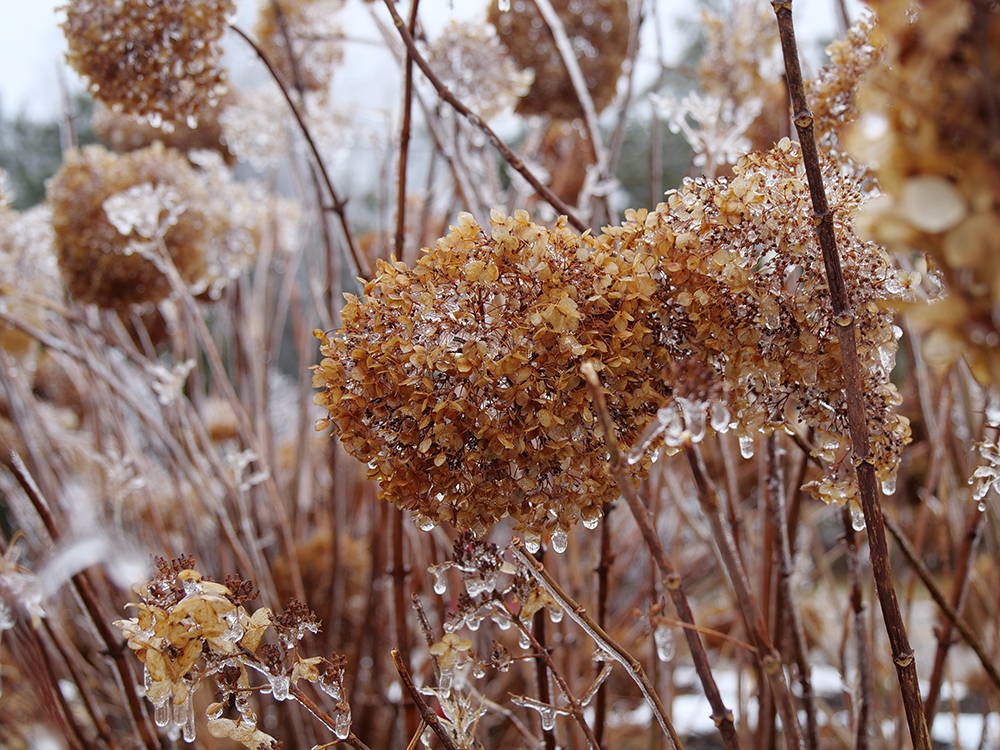
Hydrangeas are beloved for their stunning blooms, but their cold tolerance varies significantly depending on the species. In general, hydrangeas are sensitive to extreme temperatures. For most varieties, temperatures below 20°F (-6°C) can be too cold, potentially damaging stems and flowers. Additionally, varieties like Hydrangea macrophylla are particularly sensitive and can be severely affected by frost, especially if they bloom on old wood, which can be killed by harsh winter conditions.
Factors Affecting Cold Tolerance
Cold tolerance in hydrangeas is influenced by several factors that can determine whether they survive harsh winters. These factors include:
- Species: Different species have varying levels of cold hardiness.
- Age: Mature plants are often more resilient compared to younger ones.
- Location: The microclimate of the planting area can impact overall plant survival.
Signs of Cold Damage
Identifying signs of cold damage is crucial for assessing the health of hydrangeas after winter. The following signs can indicate whether a plant has been harmed:
- Brown or Black Stems: Discoloration often signifies dead wood due to extreme cold.
- Wilted Leaves: Leaves that do not revive in spring may indicate underlying damage.
- Reduced Blooms: Fewer blooms or no blooms at all can be a sign that the plant did not survive harsh conditions.
Protection Strategies for Winter
Taking preventive measures can significantly enhance the chances of hydrangeas surviving cold temperatures. Some strategies include:
- Mulching: Applying a thick layer of mulch can insulate the roots and protect the plant.
- Wrapping: Using burlap or frost cloth to wrap the plant can provide extra insulation.
- Location: Planting in a sheltered area can help reduce exposure to harsh winds and cold.
Best Practices for Spring Recovery
Once winter has passed, hydrangeas may need care to recover from any potential damage. Recommended practices include:
- Pruning: Remove any dead or damaged stems to encourage new growth.
- Fertilizing: Applying a balanced fertilizer can help the plant bounce back after winter.
- Watering: Ensure the plants receive adequate moisture as they begin to regrow in the spring.
Choosing the Right Variety
Selecting the right hydrangea variety for your climate is essential for ensuring their survival in cold weather. Consider these options:
See also:
- Hydrangea paniculata: Known for its cold hardiness and ability to thrive in colder climates.
- Hydrangea arborescens: Also offers good cold resistance and can survive in USDA Zones 3-9.
- Hydrangea quercifolia: Another hardy choice, often known as oakleaf hydrangea, suited for various conditions.
How do you prepare hydrangeas for winter in Canada?

To prepare hydrangeas for winter in Canada, proper care and techniques are essential to protect these beautiful plants from harsh winter conditions. Follow these steps to ensure your hydrangeas survive and thrive through the winter months.
Understanding Hydrangea Varieties
Different varieties of hydrangeas have varying levels of cold tolerance and winter hardiness. Understanding which type you have is crucial in determining the best care techniques for winter preparation.
- Bigleaf Hydrangeas (Hydrangea macrophylla) are less tolerant of cold and may require extra protection.
- Panicle Hydrangeas (Hydrangea paniculata) are more robust and can withstand colder temperatures.
- Oakleaf Hydrangeas (Hydrangea quercifolia) are also quite resilient but may still need some winter care in extreme climates.
Pruning Techniques
Pruning hydrangeas before winter can help them survive the cold. However, the timing and method of pruning depend on the type of hydrangea.
- Prune Bigleaf Hydrangeas in late summer to early fall to avoid cutting off next year's blooms.
- For Panicle and Oakleaf Hydrangeas, late winter or early spring is ideal for pruning, removing dead or weak stems.
- Always use clean, sharp pruning shears to minimize damage and reduce the risk of disease.
Mulching for Protection
Adding mulch around the base of hydrangeas is an effective way to insulate the root system and retain moisture during the cold months.
- Apply a layer of organic mulch, such as wood chips or shredded leaves, around the base of the plants.
- Ensure the mulch is no more than 3 inches deep to avoid smothering the plants.
- Keep mulch a few inches away from the stems to prevent rot and pest issues.
Watering Before Freeze
Proper hydration before the ground freezes is essential for winter preparation. Well-hydrated plants are better able to withstand cold temperatures.
- Water your hydrangeas thoroughly a few days prior to the first expected frost.
- Avoid watering during extreme cold; it could lead to root rot.
- Check the soil moisture levels regularly to ensure they are adequate before winter.
Using Protective Covers
In areas with severe winters, applying protective covers can help shield hydrangeas from extreme cold and ice.
- Wrap the base of the plants with burlap or a frost blanket to provide insulation.
- Avoid plastic covers as they can trap moisture and promote mold growth.
- Secure the covers with stakes or twine to prevent them from blowing away in the wind.
Can I leave a hydrangea outside in winter?
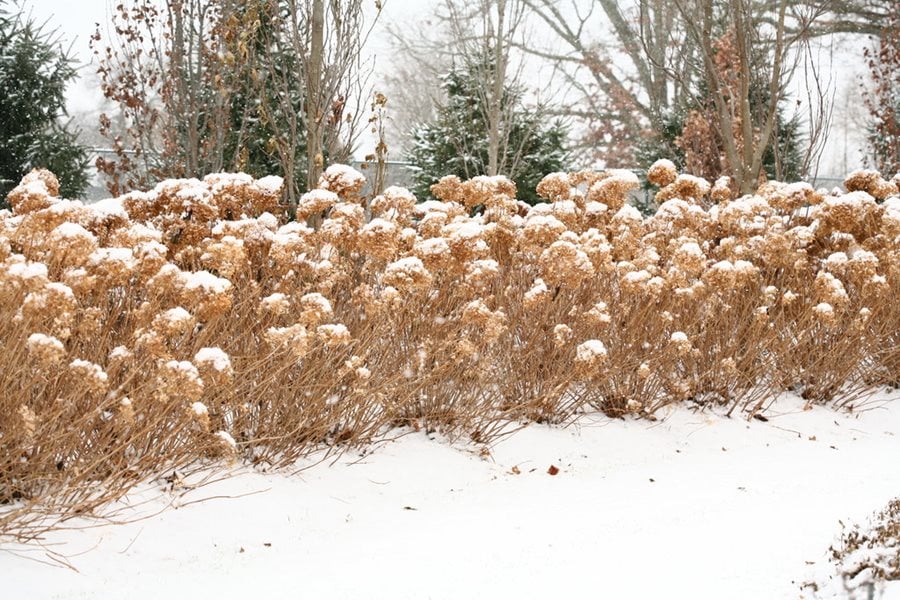
Yes, you can leave a hydrangea outside in winter, but the level of success depends on the type of hydrangea, the climate you live in, and the care you provide before the cold season. Generally, hydrangeas can survive outdoors if they are properly prepared and if the temperatures are not excessively low.
Choosing the Right Type of Hydrangea for Winter Survival
Choosing the Right Type of Hydrangea for Winter Survival
Certain types of hydrangeas are more resilient to cold weather than others. Understanding the specific variety you have can help determine how well it will tolerate winter conditions. The most common types are:
- Hydrangea macrophylla: Often called bigleaf hydrangeas, they can be quite sensitive in colder climates.
- Hydrangea paniculata: These are more tolerant of cold weather and are often the best choice for colder regions.
- Hydrangea arborescens: Commonly known as smooth hydrangeas, they are also quite hardy and can survive winter well.
Preparing Hydrangeas for Winter
Preparing Hydrangeas for Winter
Preparation is crucial for ensuring that your hydrangeas can withstand winter conditions. Taking the following steps can help protect them:
- Mulching: Apply a thick layer of mulch around the base of the plants to insulate the roots from freezing temperatures.
- Trimming: While proper pruning is essential, it’s important not to prune too late in the season as it can leave the branches vulnerable.
- Watering: Ensure that your hydrangeas are adequately watered before the winter sets in, as dry plants are more susceptible to cold damage.
Location and Winter Protection
See also:
Location and Winter Protection
The placement of your hydrangeas plays a significant role in their winter survival. Consider the following factors when deciding their location:
- Sunlight: Ensure they receive adequate sunlight during the winter to help prevent the soil from freezing.
- Wind Protection: Plant them near structures or other plants that can shield them from harsh winds.
- Drainage: Make sure the area has good drainage to prevent water from accumulating around the roots and freezing.
Signs of Winter Damage
Signs of Winter Damage
Recognizing signs of winter damage early can help you take corrective measures. Common indicators include:
- Blackened Stems: If the stems appear black or mushy, this may indicate freeze damage.
- Leaf Drop: Excessive leaf drop can be a sign that the plant has been stressed by the cold.
- Overall Lack of Growth: If the hydrangea fails to bloom or show signs of new growth in the spring, it may have suffered during the winter.
Care After Winter
Care After Winter
Once winter is over, proper care is essential for helping your hydrangea recover. Consider the following steps:
- Inspect the Plant: Check for any signs of damage and assess what parts may need to be trimmed back.
- Fertilizing: Apply a fertilizer designed for flowering plants to encourage growth as spring approaches.
- Monitoring Watering: Ensure that your hydrangea receives adequate water as the weather warms up and growth resumes.
Will hydrangeas survive a hard freeze?
Hydrangeas are popular ornamental plants known for their large, beautiful blooms. However, their ability to survive a hard freeze can vary based on several factors, including the specific type of hydrangea, the timing of the freeze, and the conditions in which they are planted. In general, hydrangeas may not survive a hard freeze, especially if it occurs after new growth has started in the spring.
Types of Hydrangeas and Their Freeze Tolerance
Different types of hydrangeas have varying degrees of freeze tolerance. Some are more resilient than others.
- Bigleaf Hydrangeas (Hydrangea macrophylla) are sensitive to cold. They often suffer damage if temperatures drop significantly after buds have opened.
- Panicle Hydrangeas (Hydrangea paniculata) are more cold-hardy and can withstand lower temperatures, typically coming through freezes better than bigleaf types.
- Oakleaf Hydrangeas (Hydrangea quercifolia) also show some frost resistance, but extended periods of severe cold can still harm them.
Understanding Hard Freezes
A hard freeze is generally defined as temperatures falling below 28°F (-2°C) for several hours, which can significantly affect plant health.
- Timing of the freeze is crucial; late spring frosts can be particularly damaging to hydrangeas just starting to leaf out.
- Duration of the freeze also matters; a brief freeze might be less harmful compared to prolonged exposure to cold temperatures.
- Wind and humidity levels can influence how damaging a freeze is, as dry winds can exacerbate cold damage.
Signs of Freeze Damage in Hydrangeas
After a hard freeze, hydrangeas may exhibit several signs of damage that indicate stress or death.
- Wilted Leaves: Leaves may droop or turn brown, signaling that the plant has suffered stress.
- Browning Buds: Flower buds that have turned brown are an indication that they are dead and will not bloom.
- Stem Damage: Stems may show blackened or mushy areas, pointing to cellular death from freezing temperatures.
Protecting Hydrangeas from Hard Freezes
There are several ways to protect hydrangeas from the adverse effects of hard freezes.
- Mulching: Applying a thick layer of mulch around the base of the plants can help insulate the roots and retain soil warmth.
- Covering Plants: Using frost cloths or burlap can help shield plants during unexpected cold snaps.
- Choosing the Right Location: Planting hydrangeas in sheltered spots, such as near walls or under trees, can provide some natural protection from cold winds.
Long-Term Care After Freeze Events
Post-freeze care is essential to help hydrangeas recover from any damage sustained.
- Pruning Dead Material: Removing dead or damaged stems and leaves promotes new growth and helps prevent disease.
- Monitoring Soil Moisture: Ensuring proper watering helps keep the plant hydrated, which is crucial for recovery.
- Nutrient Boost: Applying a balanced fertilizer in spring can support new growth and overall vitality.
Questions from Our Readers
Can hydrangeas survive in Canadian winter?
Hydrangeas can struggle to survive in harsh Canadian winters due to their sensitivity to cold temperatures. Many varieties are not fully hardy in areas with severe winters, but some hybrids, like the panicle hydrangea, can withstand colder climates if properly cared for.
What can I do to protect my hydrangeas during winter?
To protect hydrangeas during winter, consider using mulch around the base of the plants and wrapping them with burlap to insulate against frost. Additionally, ensuring they are well-watered before the freeze sets in can help them resist the cold better.
See also:
Which hydrangea varieties are best suited for cold climates?
The panicle hydrangea and smooth hydrangea are among the best varieties for cold climates, as they can handle lower temperatures and are more resilient to winter conditions compared to others like the bigleaf hydrangea.
When should I prune my hydrangeas to prepare for winter?
It is best to prune hydrangeas in late winter or early spring when the risk of frost has passed. Proper pruning helps promote healthy growth and can enhance the plant's ability to survive the harsh winter conditions.

If you want to read more articles like Can Hydrangeas Survive Canadian Winter? Tips for Winter Care and Survival, we recommend you check out our Hydrangea category.
Leave a Reply
Related Articles