Ultimate Guide: How to Rejuvenate a Hydrangea? Tips for Thriving Blooms
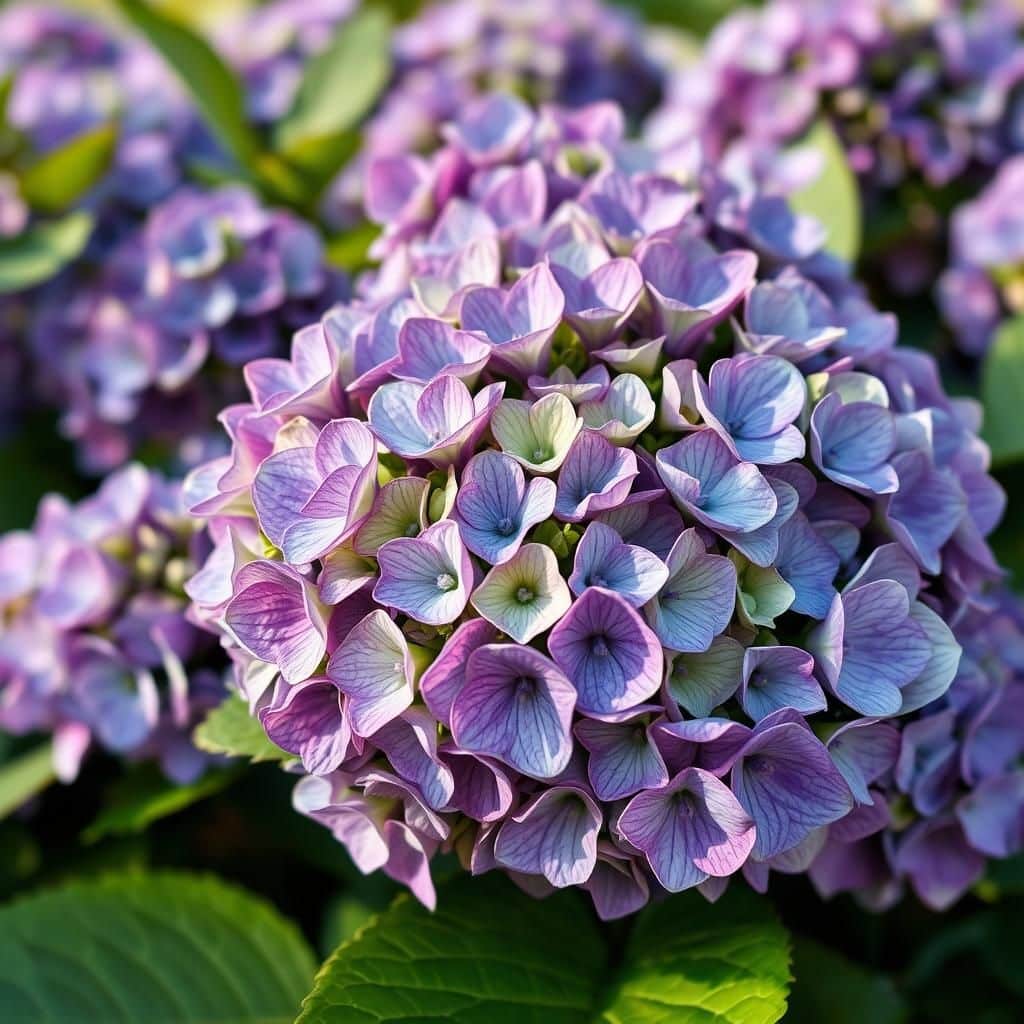
Hydrangeas are beloved for their stunning blooms and lush foliage, making them a popular choice in gardens and landscapes. However, these beauties can sometimes struggle to thrive, losing their vibrant color or failing to bloom altogether. In this ultimate guide, we will explore effective techniques to rejuvenate your hydrangeas and ensure they flourish season after season. From understanding the specific needs of different hydrangea varieties to practical care tips, this comprehensive resource will equip you with everything you need to cultivate thriving blooms. Discover how to bring your hydrangeas back to life and enjoy a vibrant display of color in your garden.
How to Rejuvenate a Hydrangea
Rejuvenating a hydrangea can be an essential gardening task to ensure the plant remains healthy and blooms beautifully. To begin, identify the right time to prune, which is typically late winter or early spring before new growth starts. Start by removing any dead or damaged stems, focusing on cutting back older branches to about one-third of their height. This encourages new growth and rehabilitation of the plant. Additionally, make sure to clear away any old foliage and debris around the base of the hydrangea, as this promotes good air circulation and prevents pests or diseases. Proper watering and fertilizing after pruning are also crucial to help the plant recover and thrive.
Identifying the Right Time to Prune
Choosing the appropriate time to prune your hydrangea is fundamental for its rejuvenation. Generally, the best period for pruning varies by species; for most hydrangeas, this should be conducted in late winter or early spring. During this time, the plants are still in dormancy, allowing for minimal damage to the existing blooms. However, if you have hydrangeas that bloom on old wood, it's important to prune them immediately after they bloom to ensure you don't cut off next year's flowers.
Tools Needed for Pruning
Having the right tools makes a significant difference when rejuvenating your hydrangeas. A pair of sharp pruning shears is essential for making clean cuts without damaging the plant. You may also consider using loppers for larger branches and gloves to protect your hands from thorny varieties. Additionally, having disinfectant wipes on hand can help prevent the spread of disease between plants, ensuring the health of your garden remains intact.
Steps for Pruning Hydrangeas
When you begin the process of pruning your hydrangeas, start by removing any dead or diseased wood first. Next, assess the overall shape of the plant and target older stems that may be less productive. Cut these branches back to about one-third of their height, just above a healthy bud. Make your cuts at a slant to ensure water runoff, which helps prevent rot. The goal is to encourage a healthy balance of new growth while maintaining the structural integrity of the plant.
See also:
Post-Pruning Care for Hydrangeas
After pruning, it's important to provide your hydrangeas with proper care to support their recovery. This includes watering adequately to keep the soil moist but not soggy. Applying a balanced fertilizer can give the plant the necessary nutrients to bounce back. Monitor the plant for any signs of stress, and adjust the care routine as needed. Regularly removing any fallen leaves or debris will also help the plant remain disease-free and vibrant.
Common Problems After Rejuvenation
After rejuvenation, some common problems may arise, such as excessive wilting or poor growth. These issues often stem from inadequate watering or nutrient deficiency in the soil. If you notice stunted growth, consider checking the soil for moisture levels and evaluate if your fertilization routine is sufficient. Additionally, keep an eye out for pests like aphids or spider mites that may take advantage of a stressed plant. Regularly inspecting your hydrangeas and maintaining a good care routine can help mitigate these problems.
| Step | Description |
|---|---|
| 1 | Identify the right time to prune. |
| 2 | Gather necessary pruning tools. |
| 3 | Prune dead or diseased wood first. |
| 4 | Cut back older stems to encourage new growth. |
| 5 | Care for the plant post-pruning with watering and fertilization. |
Understanding the Best Time to Prune Hydrangeas for Optimal Growth
Pruning hydrangeas at the right time is crucial for their health and the quality of their blooms. Generally, the best time to prune depends on the type of hydrangea. For macrophylla (bigleaf) hydrangeas, prune right after they finish blooming in late summer to ensure that the next year's flower buds are not removed. For paniculata (panicle) hydrangeas, late winter or early spring is ideal, as they bloom on new wood. Understanding the specific needs of your hydrangea variety will lead to more vibrant and lush floral displays throughout the growing season.
Choosing the Right Fertilizer for Hydrangeas
Selecting the appropriate fertilizer for hydrangeas can significantly impact their health and blooming potential. A balanced fertilizer with an N-P-K ratio suitable for flowering plants, such as 10-10-10, can promote vibrant blooms. It's also beneficial to look for fertilizers specifically formulated for acid-loving plants, especially if you desire blue blooms in varieties like macrophylla. Apply the fertilizer in early spring to provide the necessary nutrients for active growth throughout the season.
Watering Techniques for Healthy Hydrangeas
Proper watering techniques are essential for maintaining healthy hydrangeas that produce abundant blooms. Hydrangeas thrive in moist but well-drained soil; thus, regular watering is crucial, particularly during dry spells. Early morning watering is best as it allows foliage to dry throughout the day, reducing the risk of fungus. Aim for deep watering once a week, supplying about 1 inch of water, to encourage strong root development and enhance the plant's vigor.
See also:
Dealing with Common Pests and Diseases in Hydrangeas
Pests and diseases can adversely affect hydrangeas and hinder their ability to bloom beautifully. Common pests include aphids, spider mites, and slugs, which can be controlled with insecticidal soap or organic options like diatomaceous earth. Additionally, practices such as adequate air circulation, proper watering, and avoiding overcrowding can minimize disease risks like powdery mildew and leaf spots. Regularly inspecting your plants can help you catch issues early before they escalate.
The Importance of Mulching Around Hydrangeas
Applying a layer of mulch around your hydrangeas provides multiple benefits that contribute to their overall health and blooming capacity. Mulch helps retain moisture in the soil, reduces weed competition, and maintains a consistent soil temperature. Organic options like wood chips or bark not only enhance the aesthetic of your garden but also gradually add nutrients back into the soil as they decompose. A 2-3 inch layer of mulch is ideal for ensuring your hydrangeas thrive throughout the seasons.
Choosing the Right Location for Planting Hydrangeas
The choice of planting location significantly influences the success of your hydrangeas. Most hydrangeas prefer a spot with partial shade, particularly in hot climates, as this protects them from harsh afternoon sun that can scorch their leaves. Well-draining soil is also critical to prevent root rot. Ideally, planting them near a location where they receive morning sun and afternoon shade can create an optimal environment for lush growth and abundant blooms.
Questions from Our Readers
How can I prune my hydrangea to rejuvenate it?
To rejuvenate your hydrangea, you should start by pruning it in late winter or early spring. Remove old wood by cutting back one-third to two-thirds of the stems, ensuring you leave some healthy buds. This encourages new growth and will result in a lusher plant with vibrant blooms.
What type of hydrangea benefits from rejuvenation?
Rejuvenation typically benefits panicle and smooth hydrangeas, as they respond well to heavy pruning. However, oakleaf hydrangeas may also thrive with a less aggressive approach, promoting healthier growth and abundant flowering in the following seasons.
See also:
When is the best time to perform rejuvenation on hydrangeas?
The best time to perform rejuvenation on hydrangeas is in late winter or early spring, before new growth begins. This timing allows the plant to recover and produce new shoots that can support blooming during the growing season.
Should I fertilize after rejuvenating my hydrangea?
Yes, it is advisable to fertilize your hydrangea after rejuvenation to promote healthy growth. Use a balanced fertilizer rich in nutrients that will help the plant to establish new roots and produce vibrant flowers as the season progresses.

If you want to read more articles like Ultimate Guide: How to Rejuvenate a Hydrangea? Tips for Thriving Blooms, we recommend you check out our Hydrangea category.
Leave a Reply
Related Articles