The Ultimate Guide: What Month Is Best to Plant Hydrangeas?
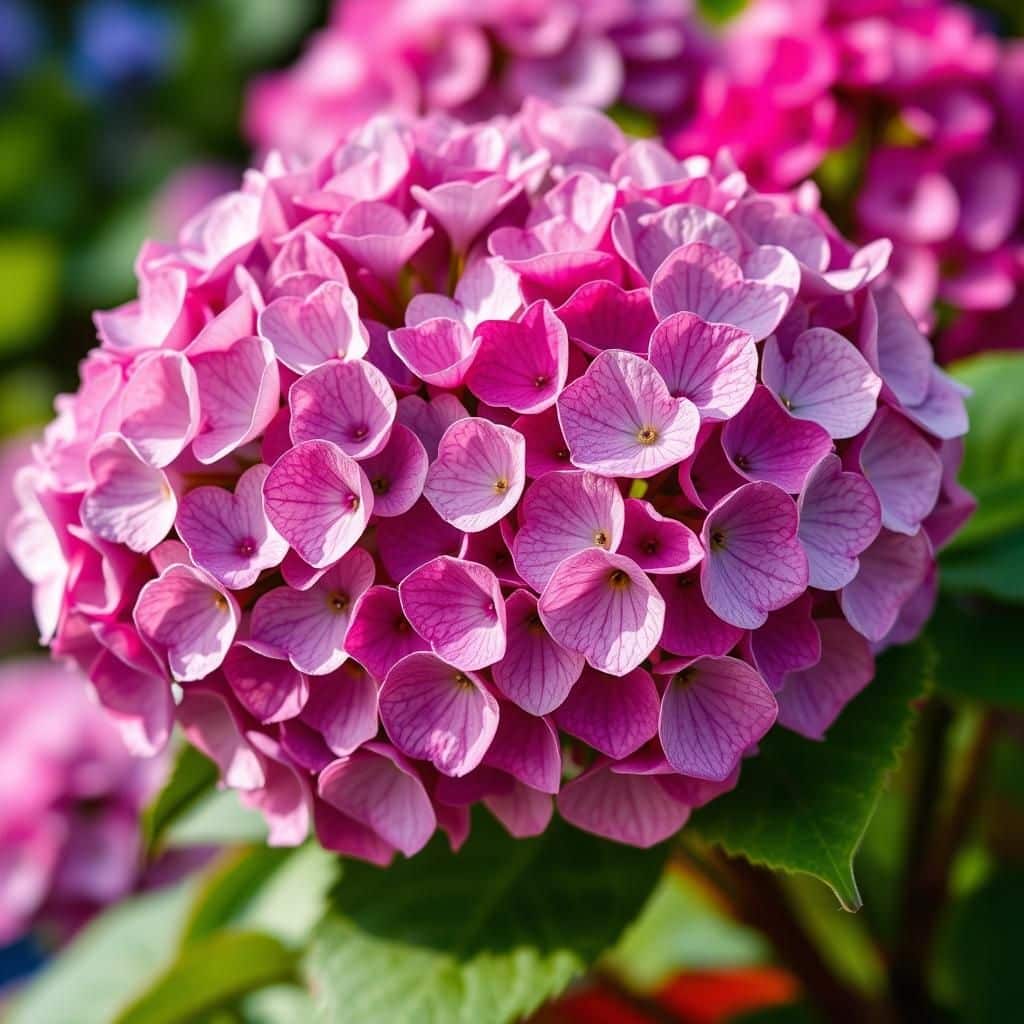
Hydrangeas are a beloved choice for gardeners due to their stunning blooms and lush foliage. However, determining the best time to plant these beautiful shrubs can significantly impact their growth and vibrancy. This ultimate guide delves into the ideal months for planting hydrangeas, considering climate, soil conditions, and regional variations. By understanding the optimal planting period, gardeners can ensure their hydrangeas thrive, producing abundant flowers and healthy growth. Whether you’re a seasoned gardener or a novice, this guide will equip you with the knowledge needed to make the most of your hydrangea planting experience.
Optimal Months for Planting Hydrangeas
The best month to plant hydrangeas typically depends on the climate and region, but in most areas, spring is ideal. Planting usually occurs after the last frost, which can vary from March to May in many regions. This timing allows the roots to establish during the warm weather, promoting healthy growth and blooming in the following seasons. If you live in a warmer climate, early fall can also be a suitable time for planting hydrangeas, as the plants can settle before winter while still enjoying the cooler temperatures for optimal growth.
Choosing the Right Climate
When considering when to plant hydrangeas, it's crucial to assess your climate. Hydrangeas thrive in locations with moderate temperatures and well-drained soil. In regions with milder winters and warmer summers, early spring is typically the best time, allowing the plants to acclimate before summer heat sets in. In contrast, areas with cold winters may benefit from a fall planting, giving hydrangeas sufficient time to root before dormant periods.
Spring Planting Advantages
Planting in spring has several advantages, including the availability of moisture and warmer ground temperatures which facilitate quicker root establishment. By planting in spring, gardeners can monitor their new hydrangeas and ensure they receive adequate water and nutrients as they begin to grow. Additionally, planting after the last frost allows for the vigorous growth that hydrangeas are known for, ultimately leading to more abundant blooms.
Fall Planting Considerations
For those in warmer climates, fall planting can be very effective. This period often has reduced heat stress on the new plants, allowing for less watering and maintenance. It's essential, however, to ensure that the hydrangeas have enough time to establish a root system before the first frost arrives. Fall planting is particularly beneficial for hydrangeas as they can begin acclimating to their new environment while temperatures are cooler.
Soil and Sunlight Requirements
Regardless of the month chosen for planting, ensuring the right soil and sunlight conditions is vital for hydrangeas. These plants prefer well-drained soil with a slightly acidic pH. Choosing a location that receives partial to full sunlight is also crucial since different types of hydrangeas have varying sunlight needs. Ensuring appropriate soil conditions upon planting can greatly enhance the overall health and flower production of the hydrangeas.
Regional Planting Guidelines
Different regions have their own optimal planting times for hydrangeas. For instance, those in the Southeast might plant as early as March, while those in the Northeast and northern states may wait until late May. It’s essential to follow regional planting guidelines, as this ensures that hydrangeas are planted at a time when the temperature and climate are most conducive to establishing strong growth.
| Region | Best Planting Month |
|---|---|
| Southeast | March to April |
| Northeast | May |
| Midwest | April to May |
| Southwest | March to April |
| Northwest | April to May |
What month do you plant hydrangeas?


The best time to plant hydrangeas typically depends on the climate and specific variety of the plant, but generally, the ideal months for planting are from April to June in most regions. This timing allows the plants to establish strong root systems before the hot summer months, ensuring better growth and flowering. It is crucial to avoid planting too late in the year, as this can hinder their ability to root effectively before winter.
Choosing the Right Time
When contemplating when to plant hydrangeas, it is essential to consider the local climate. The following factors should be taken into account:
- Frost Dates: Avoid planting before the last frost date in your area.
- Soil Temperature: Ensure the soil temperature is consistently above 60°F (15°C) for successful growth.
- Seasonal Rainfall: Plant during a time when adequate rainfall is expected.
Preparing for Planting
Proper preparation for planting hydrangeas is key to their success. Here are steps to consider:
- Soil Testing: Test the soil pH to ensure suitability (recommended pH is between 5.5 and 6.5).
- Amending Soil: Incorporate organic matter or compost to improve drainage and fertility.
- Location Selection: Choose a location with partial shade to full sun, depending on the variety.
Planting Techniques
When you are ready to plant hydrangeas, follow these techniques for best results:
- Digging the Correct Hole: The hole should be twice as wide and as deep as the root ball.
- Spacing: Space your hydrangeas appropriately, depending on the variety, to allow for growth.
- Watering: Water the plants immediately after planting to help settle the soil around the roots.
Post-Planting Care
After planting, hydrangeas need specific care to thrive:
- Regular Watering: Keep the soil moist but not soggy, especially during the first few weeks.
- Mulching: Apply mulch to retain moisture and suppress weeds around the base.
- Pruning: Understand the type of hydrangea you have and prune accordingly in early spring or late fall.
Varieties of Hydrangeas
Different varieties of hydrangeas may have specific planting requirements:
- Bigleaf Hydrangeas: Plant in spring for best blooming results.
- Panicled Hydrangeas: These can be planted in early summer for optimal growth.
- Oakleaf Hydrangeas: They can be planted in early spring or early fall depending on local climate.
Where is the best place to plant a hydrangea?
:max_bytes(150000):strip_icc()/where-to-plant-hydrangea-GettyImages-2162702360-054c4ab69c2f47e08550491ec500bbde.jpg)
To find the best place to plant a hydrangea, it’s essential to consider a few key factors that contribute to its health and blooming potential. Hydrangeas thrive in locations that meet their light, soil, and moisture requirements. Here’s a more detailed look at where to plant them effectively.
See also:
Light Requirements
Hydrangeas generally prefer partial shade to full sun depending on the variety. It's advisable to plant them where they can receive morning sun, which helps to dry out the petals, minimizing the risk of disease. The following conditions are ideal:
- Morning Sun: They benefit from the gentle warmth of early sunlight.
- Afternoon Shade: Protects them from the intense heat of midday sun, especially in hot climates.
- Variety-Specific Needs: Some hydrangea types, such as the Panicle and Smooth Hydrangeas, can tolerate more sun than others.
Soil Conditions
The soil composition plays a vital role in the health of hydrangeas. They thrive in well-draining, moist, and rich soil. Consider the following aspects when selecting planting sites:
- pH Levels: Hydrangeas prefer slightly acidic to neutral soil (pH 5.5 to 7.0).
- Organic Matter: Incorporating compost can improve soil fertility and drainage.
- Drainage: Ensure the ground does not stay soggy, which can lead to root rot.
Moisture Considerations
Hydrangeas require consistent moisture but should not be waterlogged. Planting in an area that naturally holds moisture can be beneficial. Here are some tips:
- Check Drainage: Avoid low-lying areas where water pools or drains poorly.
- Mulch: Apply mulch around the base to maintain moisture levels and reduce evaporation.
- Irrigation: Consider a regular watering schedule during dry spells, especially for newly planted hydrangeas.
Wind Protection
Hydrangeas are somewhat susceptible to wind damage, particularly the larger flower heads. Offering some form of windbreak is essential. Here’s how you can provide protection:
- Natural Barriers: Plant near shrubs or trees that can act as a shield from strong winds.
- Fencing: Installing a low fence can help divert breezes away from the plants.
- Avoid Open Areas: Do not plant in exposed locations without any protection from the elements.
Space for Growth
When choosing a location, consider the overall growth potential of hydrangeas. They need adequate space to develop and thrive. Important points include:
- Spacing: Ensure plants are spaced adequately to avoid overcrowding, facilitating air circulation.
- Mature Size: Know the mature size of the variety you are planting to prevent future root competition.
- Accessibility: Select a spot that allows easy access for maintenance and care.
Questions from Our Readers
What month is best to plant hydrangeas?
The best month to plant hydrangeas typically varies depending on your climate, but in most regions, spring is considered ideal. This allows the plants to establish their roots before the heat of summer arrives, ensuring they have a strong start.
Can hydrangeas be planted in the fall?
Yes, hydrangeas can be planted in the fall, but it’s important to do so at least a few weeks before the first frost. This timing gives the plants a chance to develop roots before the cold weather sets in.
What soil conditions do hydrangeas prefer when planting?
Hydrangeas thrive in well-drained, moist soil that is rich in organic matter. Ensuring the soil has a slightly acidic to neutral pH will also help the plants to flourish, particularly for varieties like the bigleaf hydrangea.
See also:
Should hydrangeas be watered after planting?
Absolutely, new hydrangeas should be watered thoroughly right after planting. Providing consistent moisture is essential during the initial weeks to help the plants settle in and establish healthy roots.

If you want to read more articles like The Ultimate Guide: What Month Is Best to Plant Hydrangeas?, we recommend you check out our Hydrangea category.
Leave a Reply
Related Articles