What are the Pros and Cons of Hydrangeas? A Comprehensive Guide for Gardeners

Hydrangeas are a beloved choice among gardeners for their stunning blooms and versatility. However, like any plant, they come with both advantages and disadvantages. In this comprehensive guide, we will explore the pros and cons of hydrangeas, helping you make an informed decision about incorporating them into your garden. From their vibrant colors and varying sizes to their specific care requirements and potential challenges, understanding these aspects is essential for successful gardening. Whether you are a seasoned gardener or just starting out, this article will provide valuable insights into the world of hydrangeas, allowing you to fully appreciate their beauty and practicality.
What Are the Pros and Cons of Hydrangeas?
Hydrangeas are popular garden plants known for their vibrant blooms and variety of colors, but they come with both advantages and disadvantages. On the positive side, hydrangeas are relatively easy to care for and can thrive in various conditions, making them suitable for many types of gardens. They also provide a long blooming season from early summer to fall, adding color and interest to landscapes. However, there are downsides as well, such as their susceptibility to pests and diseases, which can reduce their overall health and vigor. Additionally, the maintenance of hydrangeas, particularly when it comes to pruning and soil conditions, can be more demanding than some gardeners anticipate. Understanding both the pros and cons can help individuals make informed decisions about incorporating hydrangeas into their landscapes.
Advantages of Hydrangeas
One of the key advantages of hydrangeas is their ability to produce stunning, colorful blooms that can enhance any garden setting. These flowers come in a wide range of colors—such as blue, pink, white, and purple—allowing gardeners to choose varieties that complement their existing landscape design. Moreover, hydrangeas can grow in various soil types and conditions, making them adaptable to different environments. They are also relatively low-maintenance once established, as they require less water and pruning compared to many other flowering plants, making them an excellent choice for busy gardeners.
Disadvantages of Hydrangeas
While hydrangeas boast beautiful flowers, they also have several disadvantages that potential growers should consider. One significant drawback is their vulnerability to pests like aphids, spider mites, and diseases such as powdery mildew and root rot. These issues can lead to diminished health and flowering. Moreover, hydrangeas can be finicky about their soil pH, affecting their color and growth; gardeners must regularly test and potentially amend their soil to keep their plants thriving. Additionally, some varieties require diligent pruning at specific times of the year to encourage robust blooming, which can be a challenge for inexperienced gardeners.
Care Requirements for Hydrangeas
Caring for hydrangeas involves understanding their specific needs to flourish. These plants prefer well-drained soil enriched with organic matter and thrive in locations that provide partial to full shade, though some varieties tolerate full sun. Regular watering is crucial, especially during dry spells, as hydrangeas can suffer in drought conditions. Pruning should be performed at the correct times, depending on the type of hydrangea, to promote healthy new growth and abundant flowering. Fertilizing in early spring with a balanced fertilizer can help encourage vibrant blooms and robust growth.
Common Varieties of Hydrangeas
There are several common varieties of hydrangeas that gardeners often choose based on their aesthetic preferences and growing conditions. The most popular types include the bigleaf hydrangea (Hydrangea macrophylla), known for its large, colorful flowers, and the panicle hydrangea (Hydrangea paniculata), which features conical clusters of blooms. The smooth hydrangea (Hydrangea arborescens), with its white blossoms and resilience, is also favored, especially in northern gardens. Lastly, the oakleaf hydrangea (Hydrangea quercifolia) stands out for its unique foliage and interesting bark, adding year-round appeal to the landscape.
Hydrangeas and Soil pH
The color of hydrangea blooms is significantly influenced by the soil pH in which they are planted. For example, acidic soils (pH below 6) tend to produce blue flowers, while alkaline soils (pH above 7) usually result in pink blooms. Gardeners wanting to change the color of their hydrangeas can modify the soil by adding elements like aluminum sulfate to increase acidity or lime to raise alkalinity. It's essential to regularly test soil pH to achieve the desired flower color, making soil management a crucial consideration for hydrangea care.
| Pros | Cons |
|---|---|
| Stunning and vibrant blooms | Susceptible to pests and diseases |
| Variety of colors | Requires specific soil pH |
| Low maintenance once established | Demanding pruning requirements |
| Adaptability to different conditions | Drought-sensitive |
| Long blooming season | Can be finicky about care |
What are the disadvantages of hydrangeas?
:strip_icc()/Common-Hydrangea-Problems-A_TJcmo14US98rIpE9cZFp6-24ffc88c5d264362acf1b8fc46e1f7d9.jpg)

Hydrangeas, known for their stunning blooms and versatility in gardens, also come with a range of disadvantages that potential growers should consider. Here are some of the prevalent downsides associated with cultivating hydrangeas.
Maintenance and Care Requirements
Hydrangeas can require significant time and effort to maintain their health and appearance. Although they are often considered low-maintenance plants, they need the right conditions to thrive. Key care requirements include:
- Watering: Hydrangeas need consistent moisture; lacking this could lead to wilting or stunted growth.
- Pruning: Depending on the type, specific pruning schedules are necessary to promote blooming, which can be time-consuming.
- Soil Quality: They require well-draining soil rich in organic matter to flourish.
Susceptibility to Pests and Diseases
Hydrangeas are prone to a variety of pests and diseases, which can hinder their growth or damage their foliage. Common issues include:
- Leaf Spot: This fungal disease can cause unsightly spots and may spread if not treated promptly.
- Powdery Mildew: A condition often caused by high humidity and poor air circulation, affecting the overall health of the plant.
- Insect Infestations: Aphids, spider mites, and scale insects can damage hydrangeas, leading to reduced vigor.
Limited Color Variation
While hydrangeas are known for their beautiful blooms that can change color based on soil pH, there are some limitations. Key considerations include:
- Soil Dependency: The color alteration is highly dependent on soil acid levels, which may not be compatible in all gardening locations.
- Type of Hydrangea: Not all varieties can change color; for example, white hydrangeas remain white regardless of soil amendments.
- Consistent Care Needed: Maintaining desired colors may require ongoing adjustments to soil composition, adding to maintenance.
Seasonal Limitations
Hydrangeas have distinct seasonal habits that can limit their presence in gardens. These include:
- Blooming Period: Most hydrangeas bloom in the summer, leaving a gap in visual interest during other seasons.
- Winter Dormancy: During the winter, hydrangeas can appear barren and unappealing unless properly maintained or complemented by other plants.
- Pruning Timing: Incorrect pruning can impact flowering, leading to the disappointment of reduced blooms the following year.
Size and Space Requirements
Hydrangeas can grow quite large, which may pose issues for gardeners with limited space. Considerations include:
- Variety-Specific Growth: Some varieties can reach heights of 6 to 10 feet; proper planning is necessary to accommodate their size.
- Spacing Needs: Adequate spacing from other plants is required to prevent overcrowding and ensure good air circulation.
- Root Competition: Establishing hydrangeas near other large plants can lead to competition for nutrients and water.
Do hydrangeas have any benefits?
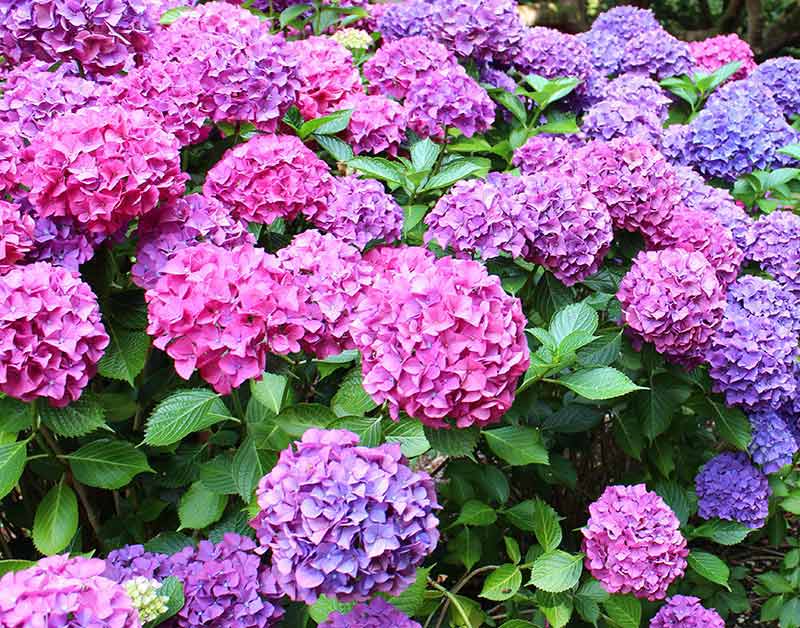
Hydrangeas are not just beautiful ornamental plants; they also offer various benefits that can enhance both gardens and living environments. Below are several advantages associated with hydrangeas.
See also:
1. Aesthetic Appeal
Hydrangeas are known for their stunning blooms, which come in a variety of colors. They can significantly enhance the visual appeal of gardens and landscapes by adding vibrant touches. The aesthetic benefits of hydrangeas include:
- Unique color variations that can change based on soil pH.
- Beautiful foliage that provides interest throughout the seasons.
- Versatility in landscaping, suitable for borders or as focal points in gardens.
2. Air Quality Improvement
Like many plants, hydrangeas contribute to improving air quality. They absorb carbon dioxide and release oxygen, which leads to a healthier environment. Their role in enhancing air quality includes:
- Reducing stress levels by enhancing the atmosphere around homes and gardens.
- Serving as natural filters that trap dust and dirt particles.
- Providing essential habitat for pollinators, promoting ecological balance.
3. Attracting Pollinators
Hydrangeas are a magnet for various pollinators, including bees and butterflies. These plants play a crucial role in supporting wildlife by providing nectar and a habitat. Benefits related to pollinators include:
- Encouraging biodiversity in your garden.
- Helping to sustain local bee populations that are vital for food production.
- Creating a lively garden atmosphere with the presence of pollinators.
4. Medicinal Uses
Some species of hydrangeas, especially Hydrangea macrophylla, have been used in traditional medicine. They are believed to possess several health benefits, including:
- Anti-inflammatory properties that may help reduce swelling and pain.
- Potential treatments for urinary tract infections due to their diuretic effects.
- Historical uses in Chinese medicine for various ailments and health conditions.
5. Versatile Landscaping Options
Hydrangeas can be utilized in various landscaping styles, making them a versatile choice for gardeners. Their adaptability includes:
- Thriving in both sunny and shady locations, catering to different garden layouts.
- Available in various sizes, from small shrubs to large bushes, fitting different spaces.
- Ability to blend well with other plants and flowers, enhancing garden diversity.
Questions from Our Readers
What are the advantages of growing hydrangeas?
Hydrangeas offer numerous benefits, including their beautiful blooms, which can add vibrant colors to gardens throughout the summer. They are also quite versatile, as they can thrive in various climates and soil types. Additionally, their low maintenance requirements make them an excellent choice for both novice and experienced gardeners.
What are the disadvantages of hydrangeas?
One of the main disadvantages of hydrangeas is their potential sensitivity to climate changes, particularly in regions with extreme temperatures. They may also require specific soil conditions to maintain their color and health, which can be challenging for some gardeners. Lastly, certain species can be prone to pests and diseases, requiring ongoing attention.
How do hydrangeas impact biodiversity in gardens?
Hydrangeas can play a significant role in enhancing biodiversity within gardens by attracting various pollinators, such as bees and butterflies. Their flowering periods coincide with the active season of these pollinators, thus offering a continuous food source. However, it's important to strike a balance by planting other species to ensure a diverse habitat.
See also:
Are hydrangeas suitable for small gardens?
Yes, hydrangeas can be suitable for small gardens, especially when choosing dwarf varieties that are specifically bred for compact spaces. Even larger varieties can be incorporated if appropriately spaced and pruned. Their ability to produce stunning blooms can make a significant impact, even in limited areas, providing a lush aesthetic to any small garden design.

If you want to read more articles like What are the Pros and Cons of Hydrangeas? A Comprehensive Guide for Gardeners, we recommend you check out our Hydrangea category.
Leave a Reply
Related Articles