What to Do If You Get Stabbed by a Rose Thorn? Effective First Aid Tips and Remedies

Getting pricked by a rose thorn may seem like a minor mishap, but it can lead to more serious complications if not addressed promptly. Although these beautiful flowers adorn our gardens and bouquets, their thorns can introduce bacteria and cause infections if they penetrate the skin. Knowing what to do immediately after a thorn injury can make a significant difference in your recovery. In this article, we will explore effective first aid tips and remedies to manage pain, prevent infection, and promote healing. Learn how to handle this prickly situation with confidence and care, ensuring your love for roses isn't overshadowed by minor injuries.
What to Do If You Get Stabbed by a Rose Thorn?
If you get stabbed by a rose thorn, the most important initial step is to ensure that you clean the affected area to prevent infection. Begin by washing the wound gently with soap and water for at least 20 seconds. After cleaning, inspect the area to see if the thorn is still embedded in your skin. If it is, it’s essential to remove it carefully using a pair of sterilized tweezers to grasp the thorn as close to the skin as possible. After the thorn is removed, apply an antiseptic ointment to promote healing and cover the area with a sterile bandage. Keep an eye out for signs of infection, such as increased redness, swelling, or pus, and seek medical attention if necessary.
Step-by-Step Cleaning Process
When cleaning a thorn wound, it is vital to follow a thorough procedure. First, wash your hands with soap and water before touching the affected area to prevent introducing dirt or bacteria. Next, rinse the wound under cool running water to flush out any debris. Use mild soap and gently clean around the wound, ensuring not to irritate it further. Pat the area dry with a clean towel and avoid using alcohol or hydrogen peroxide directly on the wound, as these can delay healing.
How to Remove the Thorn
If the thorn is still embedded, use a pair of sterilized tweezers to grasp the thorn as close to your skin as possible. Pull it out gently and steadily. If the thorn breaks, you may need to use a sterilized needle to carefully lift the remaining piece out. It’s crucial to avoid squeezing the wound, as this can push debris deeper into the skin.
When to Seek Medical Attention
You should consider seeking medical attention if you experience severe pain, swelling, or if the area shows signs of infection, which can include increased redness, pus, or warmth. Additionally, if you are unable to remove the thorn or if you have pre-existing conditions that may affect your healing, such as diabetes, it’s best to consult a healthcare professional.
Managing Infection Risk
To manage the risk of infection after a thorn injury, it is crucial to keep the area clean and dry. Applying a thin layer of antiseptic ointment can help protect the wound from bacteria. Change the bandage regularly, especially if it becomes wet or dirty, and monitor the site for any signs of infection. In case of any developing symptoms, follow up with your healthcare provider to mitigate risks.
Home Remedies for Healing
For home remedies that may aid in healing, applying a gentle mixture of warm water and Epsom salt can help reduce swelling and discomfort. Herbal remedies such as aloe vera gel can also be soothing and promote healing due to its natural anti-inflammatory properties. Always ensure any home treatment does not irritate the wound and prefer natural, hypoallergenic products to prevent further complications.
| Step | Description |
|---|---|
| 1 | Wash the wound with soap and water. |
| 2 | Inspect the wound for thorns. |
| 3 | Remove the thorn with tweezers. |
| 4 | Apply antiseptic ointment. |
| 5 | Cover with a sterile bandage. |
What should I do if I get pricked by a rose thorn?
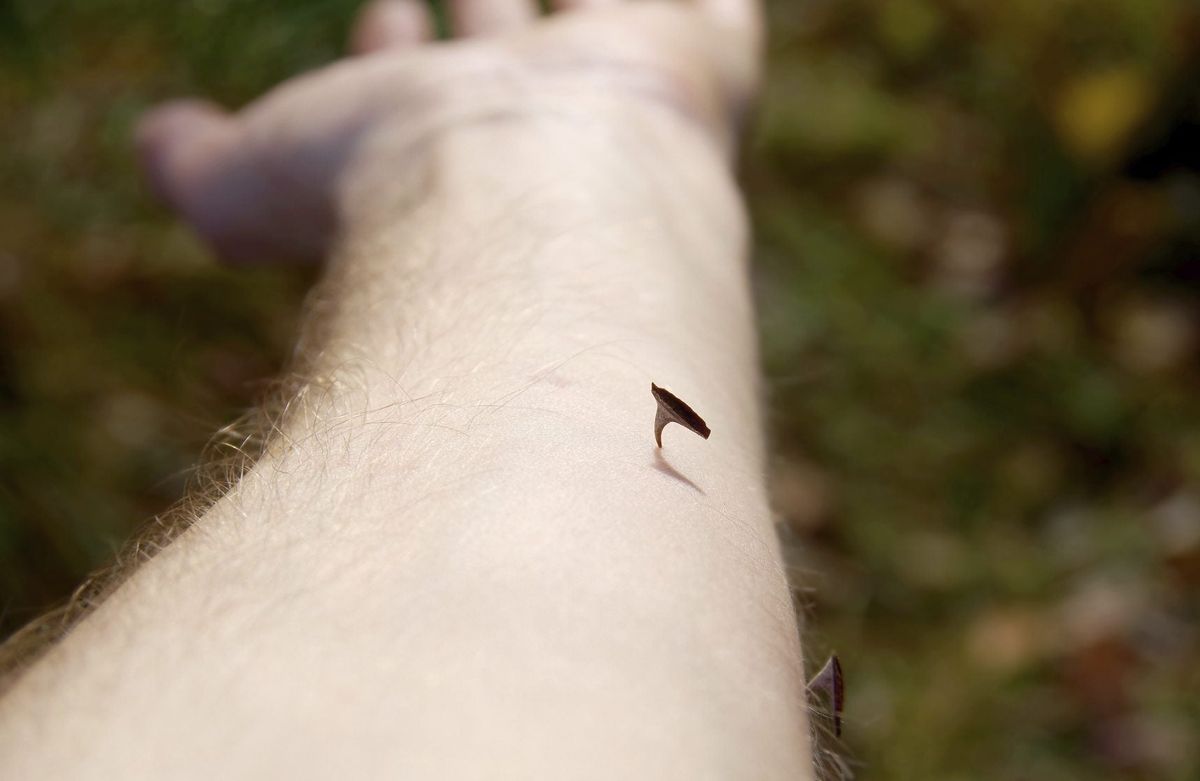
If you get pricked by a rose thorn, there are several steps you should follow to ensure proper treatment and prevent infection. Here’s what you should do:
1. Stay Calm: The first thing to do is to remain calm. A thorn prick usually isn’t severe.
2. Assess the Injury: Look at the area to determine if the thorn has broken off in your skin. If the thorn is still embedded, you may need to take additional steps to remove it safely without further injury.
3. Wash Your Hands: Before touching the wound, wash your hands thoroughly with soap and water to avoid introducing bacteria into the open skin.
4. Clean the Wound: Gently clean the area around the prick with warm water and mild soap. This helps remove dirt and bacteria that could lead to infection.
See also:
5. Remove the Thorn: If the thorn is still in your skin, carefully remove it with a pair of sterile tweezers if possible. If it's deeply embedded or difficult to remove, seek medical assistance.
6. Apply Antiseptic: After removing the thorn, apply an antiseptic solution or ointment to the wound to reduce the risk of infection.
7. Cover the Wound: Use a sterile bandage to cover the wound. This will protect it from dirt and germs.
8. Watch for Signs of Infection: Keep an eye on the area for any signs of infection, including increased pain, redness, swelling, or pus. If any of these symptoms occur, consult a healthcare professional.
Importance of Cleaning the Wound
Cleaning the wound is crucial to prevent infections. Here are steps to ensure proper cleaning:
- Use Warm Water: Rinse the area with warm water for at least 5 minutes.
- Mild Soap: Apply mild soap gently around the wound but avoid getting soap directly in the wound.
- Pat Dry: Use a clean towel or gauze to gently pat the area dry without rubbing.
How to Remove the Thorn Safely
If the thorn is still embedded, here’s how to remove it:
- Sterilize Tweezers: Clean your tweezers with rubbing alcohol before use to avoid infection.
- Gently Pull Out: Grasp the thorn close to the skin and pull it out slowly and straight to minimize tissue damage.
- Seek Help: If you cannot remove it easily, consult a doctor for professional help.
When to Seek Medical Attention
In some cases, medical assistance may be necessary. Consider these factors:
- Deeply Embedded Thorn: If the thorn is deep in your skin and cannot be easily removed.
- Signs of Infection: Presence of pus, increased redness, swelling, or fever indicates the need for medical care.
- Allergic Reactions: If you notice unusual swelling or a rash, seek medical help immediately.
Home Remedies for Relief
After addressing the thorn prick, consider these home remedies for relief:
- Cold Compress: Apply a cold compress to reduce swelling and numb the pain.
- Aloe Vera: Use aloe vera gel for its soothing properties to calm irritation.
- Over-the-Counter Pain Relief: Take ibuprofen or acetaminophen to help alleviate pain if necessary.
Preventive Measures for Future Thorn Pricks
To prevent future incidents, follow these tips:
- Wear Gloves: Always wear gardening gloves when handling rose bushes or other thorny plants.
- Right Tools: Use proper pruning tools to handle roses, minimizing the chance of getting pricked.
- Avoid Dense Growth: Be cautious when reaching into dense areas of roses where thorns are more prevalent.
What happens if you get stabbed by a rose thorn?

If you get stabbed by a rose thorn, the initial reaction is typically a sharp pain localized at the site of the injury. Rose thorns are known to be quite sharp, and when they puncture the skin, they can cause both physical injury and introduce bacteria into the wound. Here’s a detailed look into what happens next.
Initial Reaction to a Thorn Puncture
When you accidentally come into contact with a rose thorn, you may experience several immediate sensations:
- Pain: The sharpness of the thorn can cause immediate pain.
- Bleeding: Depending on how deep the thorn penetrates, you may experience minor bleeding.
- Swelling: The area around the puncture may swell as your body responds to the injury.
Potential Infections
Rose thorns can harbor various types of bacteria, which may lead to an infection if not properly treated. The risk of infection increases if:
See also:
- The thorn is deep: Deeper punctures allow bacteria to enter the body more easily.
- Improper cleaning: Failing to clean the wound properly can facilitate bacterial growth.
- Pre-existing conditions: Individuals with compromised immune systems are at higher risk for infections.
Treatment Procedures
If you get stabbed by a rose thorn, treating the wound properly is crucial. Recommended steps include:
- Clean the wound: Rinse the area under running water and use soap to cleanse it.
- Remove the thorn: If the thorn is embedded, try to remove it with sterilized tweezers.
- Apply a bandage: After cleaning, cover the wound with a sterile bandage to protect it.
Signs of an Infection
It's important to monitor the puncture site for signs of infection, which may include:
- Increased redness: If the area becomes more red over time, it may indicate infection.
- Pus formation: The presence of pus or drainage can signal an infection.
- Fever: A systemic response like fever can indicate the body is fighting off an infection.
Long-term Effects
In most cases, if treated properly, there are minimal long-term effects. However, in some situations, you may experience:
- Scarring: Depending on the depth of the wound, mild scarring may occur.
- Chronic pain: Rarely, nerve endings may be affected, leading to ongoing discomfort.
- Allergic reactions: Some individuals may develop hypersensitivity to the plant material.
What happens if you get stung by a thorn?

When a person is stung by a thorn, the reaction can vary depending on several factors, such as the type of thorn, the depth of the puncture, and the individual's response to injury. Here’s a detailed overview of what happens when you get stung by a thorn:
1. Initial Pain and Inflammation: Immediately upon contact with the thorn, pain may be felt due to localized nerve endings being stimulated. This pain is often accompanied by swelling and redness in the affected area.
- The body recognizes the thorn as a foreign object.
- Inflammatory responses are triggered, increasing blood flow to the area.
- Pain receptors send signals to the brain, which enhances the sensation of discomfort.
2. Possible Infection: If the thorn breaks the skin, it can introduce bacteria from the thorn or surrounding environment, leading to a risk of infection.
- Symptoms of infection include increased redness, warmth, swelling, and pus formation.
- Keeping the area clean is crucial to prevent infection from developing.
- Signs of systemic infection may include fever and increased heart rate.
3. Allergic Reactions: Some individuals may experience an allergic reaction to the material of the thorn or to certain proteins present in the plant.
- Symptoms may include hives, itching, and more severe reactions like anaphylaxis in rare cases.
- A history of allergies can increase the risk of an exaggerated response.
- It is advisable to seek immediate help if severe allergic symptoms arise.
4. Removal of Thorn: Timely removal of the thorn is essential for recovery; failing to do so may prolong discomfort and increase infection risk.
- If the thorn is visible, use tweezers to grasp it close to the skin surface.
- Clean the area thoroughly before and after removal using antiseptic.
- If the thorn is embedded deeply or breaking into pieces, medical assistance should be sought.
5. Healing Process: After the thorn has been removed, the body starts the healing process.
- The area may remain tender, and it's important to monitor for signs of infection.
- Normal healing may take a few days to weeks, depending on the injury's severity.
- Keeping the area clean and protected can aid in quicker recovery.
In summary, getting stung by a thorn can lead to immediate pain and inflammation, potential infection risks, allergic reactions, the necessity for thorn removal, and a healing process that needs monitoring.
Questions from Our Readers
What should I do immediately after getting stabbed by a rose thorn?
If you get stabbed by a rose thorn, immediately wash the area with soap and water to prevent infection. Then, gently remove the thorn if it is still embedded in the skin. Keep the wound clean and dry, and apply a sterile bandage if necessary.
How can I reduce pain from a rose thorn injury?
To reduce pain from a rose thorn injury, you can apply a cold compress to the affected area for about 15 minutes. Over-the-counter pain relievers, such as ibuprofen or acetaminophen, can also help alleviate discomfort. Avoid using heat, as this can increase swelling and pain.
See also:
What signs should I look for to know if the wound is infected?
Signs of infection after a thorn injury include increased redness, swelling, warmth, and pus or drainage from the wound. You may also experience fever or developing increased pain. If any of these symptoms occur, it's crucial to seek medical attention promptly.
When should I see a doctor after a rose thorn injury?
You should see a doctor if the thorn is deeply embedded and cannot be removed, if you notice any signs of infection, or if the pain and swelling worsen over time. Additionally, if you have difficulty moving the affected area, it is wise to consult a healthcare professional for further evaluation and treatment.

If you want to read more articles like What to Do If You Get Stabbed by a Rose Thorn? Effective First Aid Tips and Remedies, we recommend you check out our Roses category.
Leave a Reply
Related Articles