What Part of a Rose is Poisonous? Discover the Toxic Elements You Need to Know

Roses are often celebrated for their beauty and fragrance, but beneath their charming exterior lies a hidden danger. While the petals and stems of many rose varieties are safe, certain parts of the plant contain toxic elements that can pose health risks. Understanding which parts of a rose are poisonous is crucial for gardeners, pet owners, and anyone who enjoys these beloved flowers. In this article, we will explore the toxic components found in roses, the potential effects on humans and animals, and safety precautions to keep in mind when handling or displaying these exquisite blooms.
Which Parts of a Rose Are Poisonous?
Although roses are widely cherished for their beauty and fragrance, it is vital to recognize that certain parts of the rose plant can be toxic if ingested. The most commonly cited poisonous component of a rose is its foliage, particularly the leaves, which may contain cyanogenic compounds that can be harmful if consumed in large quantities. Additionally, while the petals are generally considered safe, the plant can be treated with pesticides or chemicals that may render them unsafe for consumption. It is crucial to distinguish between the delightful allure of the rose and the potential dangers it harbors, especially for pets and children.
What Compounds Make Rose Leaves Toxic?
The toxicity of rose leaves is primarily attributed to cyanogenic glucosides, which can release cyanide when metabolized. This compound can be particularly harmful if ingested in large amounts and may affect the respiratory system by inhibiting oxygen transport in the blood. While small amounts may not cause adverse effects, it is essential to keep an eye on consumption to prevent potential health risks.
Are Rose Petals Safe to Eat?
Rose petals are generally considered safe to eat and are often used in culinary applications such as salads, teas, and desserts. However, it is important to ensure that the petals have not been treated with any pesticides or harmful chemicals that could pose health risks. Organic roses are the safest choice for consumption, as they are grown without synthetic chemicals.
What About the Thorns on Roses?
While thorns on rose bushes are not poisonous, they can cause injury if touched or handled carelessly. They are sharp and can lead to cuts or puncture wounds, which could become infected. It’s crucial to exercise caution while handling rose bushes, not only to avoid injury from the thorns but also to recognize that they do not contribute to the plant's toxicity.
Can Rose Stems Be Harmful?
The stems of roses are not considered toxic; however, they can be a potential source of injury due to their thorns. Ingesting small parts of the stems may cause digestive issues as they are not meant for consumption, but they do not contain any harmful compounds. Consequently, while the stems might not be poisonous, they could still lead to discomfort if ingested.
How to Handle Rose Plants Safely?
To ensure safety when handling rose plants, it is best to wear gloves to protect against thorns and potential irritations from sap. Additionally, wash hands thoroughly after handling any part of the rose, even if it appears harmless. Keeping flowers out of reach of small children and pets is also crucial, as their curiosity might lead them to ingest parts of the plant.
| Rose Part | Potential Effects | Is it Poisonous? |
|---|---|---|
| Leaves | Cyanide release, respiratory issues | Yes |
| Petals | Generally safe, culinary use | No |
| Thorns | Physical injury | No |
| Stems | Possible digestive discomfort | No |
Are all parts of rose edible?
:max_bytes(150000):strip_icc()/what-are-rose-hips-and-what-do-they-do-1403046_final-6c5feda0aa9f43088f4e27724c330968.jpg)
Yes, not all parts of the rose are edible, but some parts are indeed safe and enjoyable to consume. The edible parts of the rose are primarily the petals, which can add flavor and color to dishes. In contrast, other parts, such as the leaves, stems, and roots, are generally not considered edible and can cause digestive issues or other negative effects if consumed.
The primary edible parts of the rose include:
- Petals: These are edible and often used in salads, desserts, and teas.
- Rose hips: These are the fruit of the rose and packed with vitamin C. They are often made into jams, jellies, and herbal teas.
Edible Parts of Roses
The most commonly consumed parts of a rose are the petals and rose hips.
- Petals: Rose petals are fragrant and can be used to enhance the flavor of various dishes. They are often used in salads, jams, and syrups.
- Rose hips: These are the fruit of the rose and a rich source of vitamin C. They are often dried and used to make herbal teas, jellies, and supplements.
- Rose water: Made from distilled rose petals, this aromatic liquid is popular in cooking and cosmetic products.
Non-Edible Parts of Roses
While some parts of roses are edible, others can be toxic or cause gastrointestinal issues.
- Leaves: Generally, rose leaves are not consumed, as they can be tough and may not have desirable flavor or texture.
- Stems: The stems of the rose plant are prickly and hard, making them unsuitable for consumption.
- Roots: Rose roots are also not edible and can contain compounds harmful to humans if ingested.
Health Benefits of Edible Roses
Edible roses, particularly rose petals and rose hips, offer numerous health benefits.
See also:
- Rich in vitamins: Rose hips are a significant source of vitamin C, which supports the immune system.
- Antioxidant properties: Both petals and rose hips contain antioxidants, which help combat oxidative stress in the body.
- Anti-inflammatory effects: The compounds found in roses may have anti-inflammatory effects, beneficial for overall health.
How to Use Edible Roses in Cooking
Incorporating edible roses into your cooking can be a delightful experience.
- Salads: Use fresh rose petals to add a pop of color and a fragrant touch to salads.
- Teas: Dried rose petals or rose hips can be infused to make a soothing herbal tea.
- Desserts: Incorporate rose petals into cakes and pastries for an aromatic experience.
Precautions When Consuming Roses
When considering the consumption of roses, it is essential to take certain precautions.
- Source: Ensure that the roses are grown without pesticides or chemicals, ideally using organic practices.
- Allergies: Be aware of potential allergies; some individuals may have sensitivities to roses.
- Portion size: Consume rose petals and rose hips in moderation to avoid any adverse reactions.
Are some rose petals poisonous?

Rose petals, derived from various species of roses, are generally considered safe for human consumption and have been used in culinary practices, herbal remedies, and perfumery. However, it is essential to understand that not all rose petals are created equal, and their safety can be influenced by several factors, including their cultivation conditions and treatment with chemicals.
1. Pesticides and Chemicals
- Many roses are treated with pesticides and herbicides to protect them from pests. These chemicals can leave residues on the petals, which can be harmful if ingested.
- It is crucial to ensure that any rose petals intended for consumption are grown without synthetic chemicals or are sourced from reputable suppliers.
- Avoid using petals from florists, as commercially sold roses often undergo chemical applications.
2. Allergic Reactions
- While not toxic, some individuals may experience allergic reactions to the compounds found in certain rose varieties. Symptoms can include skin irritation, respiratory issues, or gastrointestinal upset.
- If you have a history of allergies to flowers or plants, it is wise to conduct a patch test or consult with a healthcare professional.
- Monitor for any adverse effects if consuming rose petals for the first time.
3. Species Variability
- Not all species of roses produce petals that are equally palatable. Some varieties may have a bitter or astringent taste.
- The most commonly used petals for culinary purposes are from Rosa damascena (Damask rose) and Rosa gallica. These roses are favored for their fragrance and taste.
- Always research the specific species before consuming petals to determine their safety and culinary uses.
4. Culinary Uses of Rose Petals
- Rose petals are often used in cooking, especially in Middle Eastern and Asian cuisines. They can be found in dishes, desserts, and beverages.
- Uses include:
- Flavoring for teas and syrups
- Garnishes for salads and desserts
- Ingredients in jams and jellies
- When using rose petals in cooking, always choose organic or wild-crafted options to ensure safety.
5. Medicinal Properties
- Rose petals have been valued in traditional herbal medicine for their potential therapeutic properties. They may have calming effects and can be used to prepare herbal infusions or tonics.
- Some reported benefits include:
- Antioxidant properties
- Anti-inflammatory effects
- Support for digestive health
- However, it is critical to consult a healthcare provider before using rose petals for medicinal purposes, particularly for those with existing health conditions.
Can a rose thorn poison you?
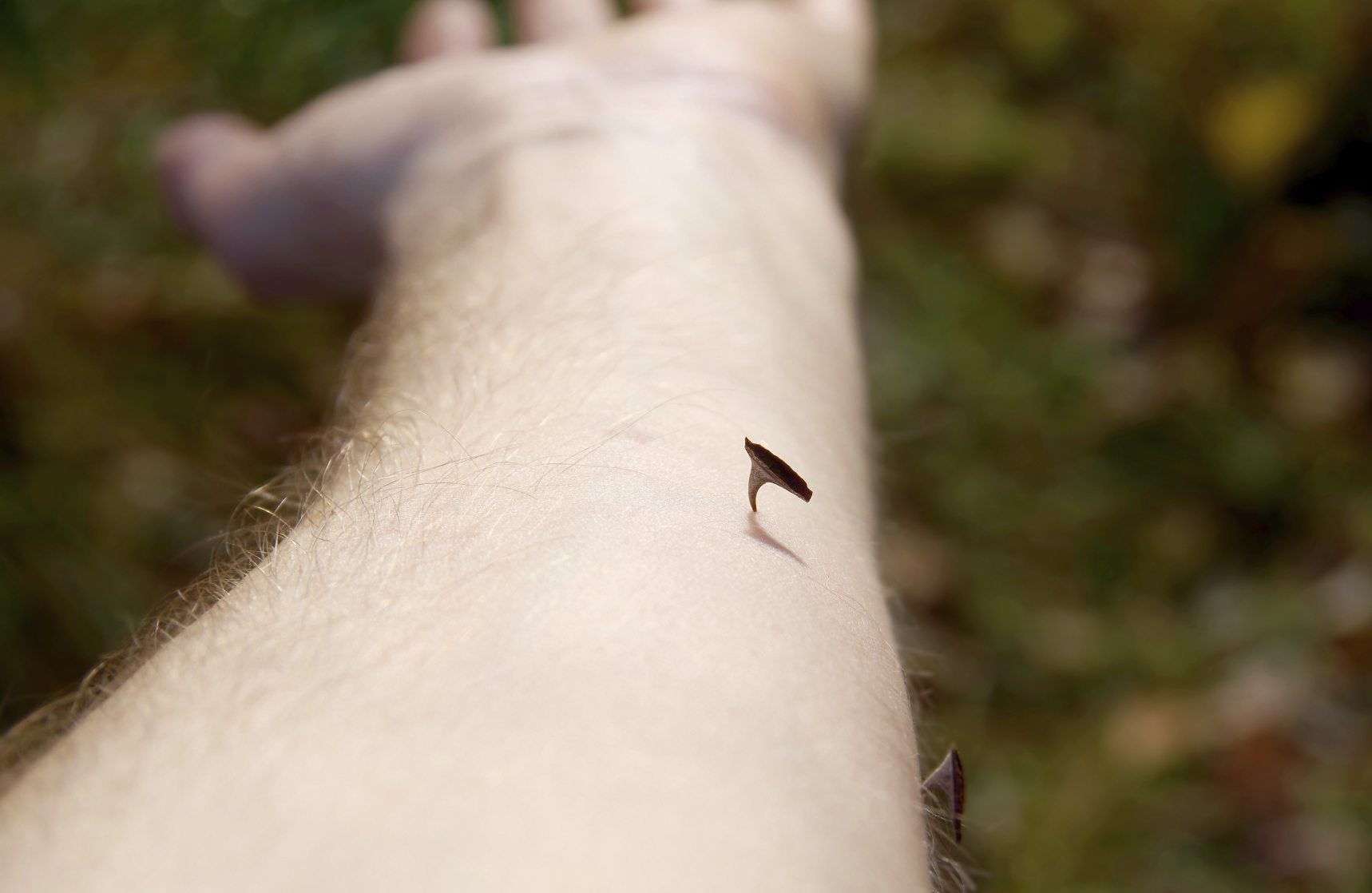
A rose thorn itself does not contain any toxin that would poison a person. However, it can cause various injuries and infections if not treated properly. The primary concern with a rose thorn is not its potential to poison but rather the risk of infection or allergic reactions it might trigger once it punctures the skin.
How Do Rose Thorns Cause Injury?
The injury caused by a rose thorn occurs when it punctures the skin, leading to pain and potential bleeding. The sharp tip of the thorn can easily break through the skin barrier, and the injury can range from mild to severe depending on how deep the thorn penetrates.
See also:
- Puncture Wounds: These can be painful and may lead to small amounts of bleeding.
- Swelling: The body’s response to the injury can lead to localized swelling.
- Infection Risk: An open wound can become infected if bacteria enter through the puncture site.
What Are the Symptoms of an Infection from a Thorn?
If a rose thorn injury becomes infected, various symptoms may develop. Recognizing these symptoms is crucial for prompt treatment.
- Redness: Surrounding the wound, indicating inflammation.
- Pus Formation: The body may produce pus as a response to infection.
- Increased Pain: A rise in pain levels over time can indicate an infection.
Possible Allergic Reactions
Some individuals may experience allergic reactions to rose thorns, although this is relatively uncommon. Allergies can manifest in several ways.
- Skin Rash: Red, itchy patches on the skin may develop around the site of contact.
- Hives: Raised welts and areas of swelling can occur.
- Bumps: Small, itchy bumps may appear in response to the thorn.
What Should You Do If You Get Pricked by a Thorn?
If you get pricked by a rose thorn, it's essential to take immediate action to prevent complications. Here are some recommended steps:
- Clean the Wound: Use soap and water to thoroughly clean the area.
- Disinfect: Apply antiseptic to help prevent infection.
- Monitor: Keep an eye on the wound for signs of infection.
When to Seek Medical Attention
In some cases, it's essential to seek medical help after a thorn injury. Be vigilant about the following scenarios.
- Persistent Pain: If pain worsens instead of improving.
- Signs of Infection: Such as fever or expanding redness.
- Inability to Remove the Thorn: If the thorn breaks off under the skin.
Are any rose hips poisonous?

While most rose hips are not poisonous and are, in fact, edible and nutritious, it's essential to consider that some specific hybrid roses may produce hips that are unpalatable or potentially harmful. The varieties of wild roses typically yield edible hips, which are often used in jams, teas, and supplements due to their high vitamin C content. However, the risks primarily arise from misidentification or consumption of parts of the plant other than the hips.
Identifying Edible Rose Hips
To safely consume rose hips, it is crucial to identify the correct type. Not all rose hips are created equal. While the hips from wild roses (like Rosa canina, or dog rose) are popular and safe, others may not be equally beneficial.
- Research the species of rose plant before foraging.
- Recognize the appearance of edible rose hips—usually small, round, and red or orange in color.
- Consult reliable resources or local experts on local species and their edibility.
Potential Toxicity and Misidentification
Some hybrids or ornamental roses may produce hips that are not advisable for consumption. Misidentification can lead to ingesting unwanted toxic or unappetizing parts of the plant, including leaves and stems.
- Be aware that certain hybrids may be bred for aesthetic rather than edible purposes.
- Understand that while the hips may be safe, other parts of the rose could be toxic.
- Always err on the side of caution and seek expert advice if unsure.
Health Benefits of Consuming Rose Hips
When harvested correctly, edible rose hips offer various health benefits. Packed with antioxidants, they contribute to overall wellness and health when consumed.
- Rich in vitamin C, which supports the immune system.
- Contains anti-inflammatory properties beneficial for joint health.
- May aid in digestion and improve the body’s absorption of nutrients.
Preparation of Rose Hips
Proper preparation is essential for enjoying the benefits of rose hips. Cooking and processing can enhance their palatability and safety.
- Wash the hips thoroughly to remove any contaminants.
- Remove the seeds and any unwanted parts before cooking.
- Commonly used in teas, jams, and syrups for better flavor and nutrient availability.
Precautions When foraging for Rose Hips
Foraging for rose hips requires certain precautions to ensure safety and health. Understanding the environment and plant characteristics is vital for a successful and safe experience.
- Choose areas away from roadsides or pesticide-treated lands to avoid contamination.
- Wear gloves if necessary, as some people may have skin reactions to certain rose varieties.
- Always forage with a knowledgeable companion or guide to avoid mistakes.
Questions from Our Readers
What part of a rose is poisonous?
The leaves and seeds of roses contain a small amount of cyanogenic compounds, which can be toxic if consumed in large quantities. However, the thorns are not poisonous; they can cause physical injury but do not contain toxins.
Are rose petals safe to eat?
Yes, rose petals are generally safe to eat and are often used in culinary dishes and teas. They can add flavor and a decorative touch to recipes, but it’s essential to ensure that they are free from pesticides or any other harmful chemicals.
Can rose water be harmful?
Rose water is typically made from distilled rose petals and is considered safe for use in food and cosmetics. However, it is important to use it in moderation, as excessive use can lead to skin irritation or allergic reactions in some individuals.
See also:
What should I do if my pet eats a rose?
If your pet has ingested parts of a rose, monitor them for any signs of distress, such as vomiting or diarrhea. Contact your veterinarian promptly for advice, especially if the leaves or seeds were consumed, to ensure your pet's safety and well-being.

If you want to read more articles like What Part of a Rose is Poisonous? Discover the Toxic Elements You Need to Know, we recommend you check out our Roses category.
Leave a Reply
Related Articles