Discovering the Truth: Is Purple Rose Rare? Insights and Facts
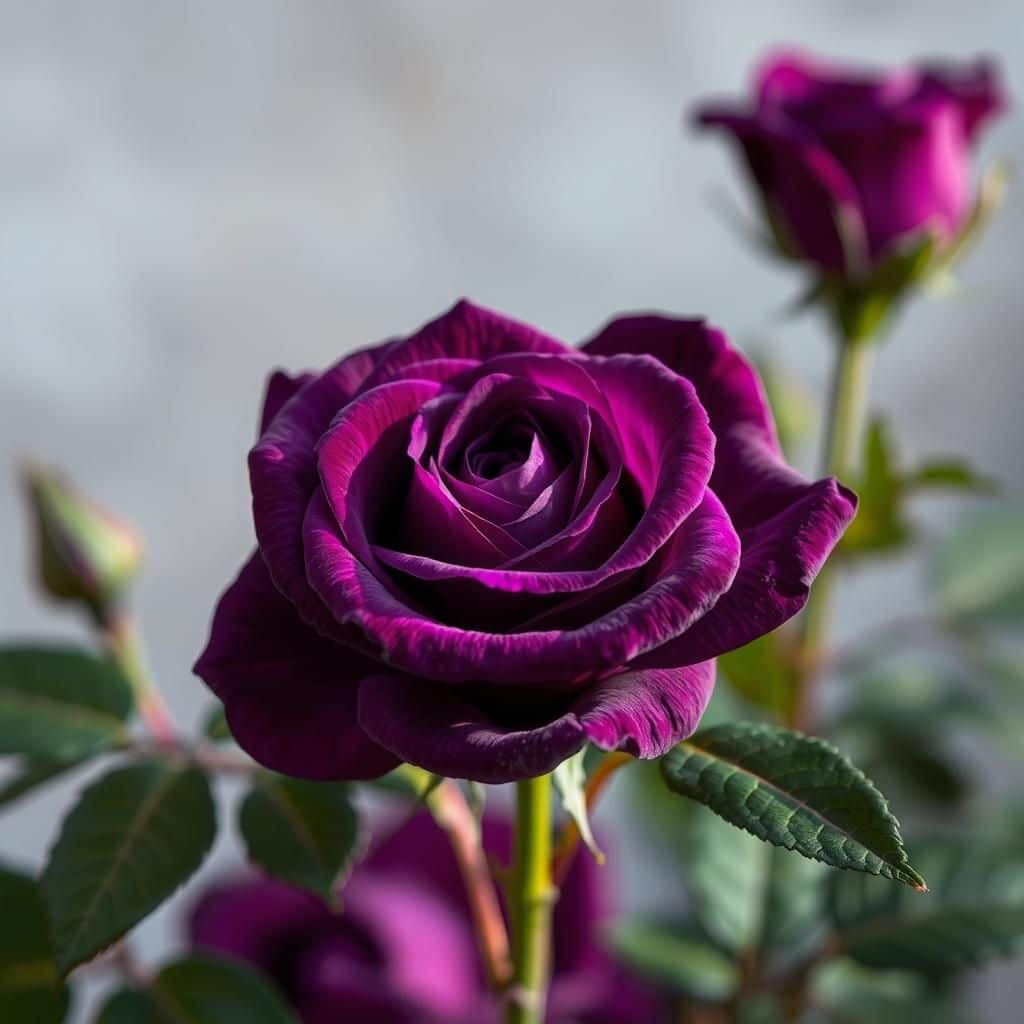
When it comes to the world of flowers, colors often hold significant meaning and beauty, with each hue telling its own unique story. Among these, the purple rose stands out, captivating the hearts of many with its enchanting shade. However, questions often arise regarding its rarity and significance. This article delves into the captivating realm of the purple rose, exploring its origins, cultivation challenges, and cultural symbolism. Join us as we uncover the truth about this intriguing flower, providing insights and facts that reveal whether the purple rose is indeed a rare gem in the floral kingdom.
Are Purple Roses Rare?
Purple roses are indeed considered rare compared to other rose varieties. While they are celebrated for their unique blend of beauty and symbolism, actual true purple roses do not occur naturally in the wild. Most purple roses on the market are the result of hybridization and selective breeding. The rarity is partially due to the complexity of creating a true purple hue since roses typically exhibit a limited color range in their genetic makeup. As such, gardeners and florists often regard purple roses as an exotic choice, often sought after for special occasions or as a statement flower in vibrant arrangements.
What Makes Purple Roses Unique?
Purple roses are unique due to their captivating color, which symbolizes mystery, enchantment, and the exotic. The varying shades of purple, from lavender to deeper violet, impart different meanings; lighter shades often convey admiration and grace, while darker shades suggest love and passion. This versatility in meaning makes them a popular choice for occasions that require a touch of elegance and complexity.
How Are Purple Roses Cultivated?
Cultivating purple roses involves careful hybridization between different rose species to achieve desired color traits. Breeders typically start with existing rose varieties and experiment with crossing them, focusing on genetic traits that enhance pigment. Additions of nutrients and maintaining optimal soil conditions are crucial to ensure the health and vibrancy of the roses, leading to the probability of achieving a true purple hue.
Where Can You Find Purple Roses?
Purple roses can be found in specialty flower shops, online retailers, and sometimes at local nurseries that focus on uncommon plant varieties. Due to their rare nature, they may not be as widely available as more common rose colors. Some florists may also offer seasonal selections or arrangements featuring purple roses, particularly around occasions like Valentine's Day or weddings, when their unique allure is highly desired.
What Do Purple Roses Symbolize?
In the realm of floral symbolism, purple roses are often associated with mystery and fascination. They may represent love at first sight, making them a popular choice for romantic expressions. Additionally, they are linked to themes of royalty and sophistication, lending an air of elegance to any bouquet. The varying shades of purple further deepen their symbolic meanings, allowing for a nuanced expression of sentiment.
Are There Different Shades of Purple Roses?
Yes, there is a broad spectrum of shades when it comes to purple roses, ranging from light lavender to deep, dark violet. Each shade can convey a different emotional tone; for instance, light purple roses often symbolize admiration, while darker shades can express deeper feelings of passion and mystery. This range allows gardeners and flower enthusiasts to choose the most appropriate shade for their specific occasion or sentiment.
| Shade of Purple | Symbolism |
|---|---|
| Light Lavender | Admiration, Grace |
| Medium Purple | Enchantment, Intrigue |
| Dark Violet | Passion, Deep Love |
What is the rarest color of a rose?
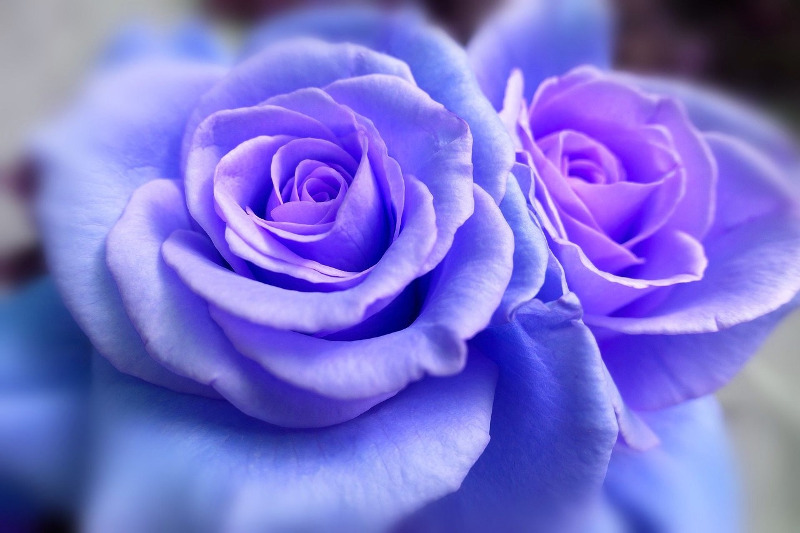
The rarest color of a rose is often considered to be blue. While various shades of pink, red, and yellow are commonly found, true blue roses do not exist in nature due to the lack of a gene responsible for producing blue pigmentation in roses. Over the years, scientists and horticulturists have attempted to create blue roses using genetic engineering techniques and hybridization, but these efforts have only led to variations that resemble blue hues, such as lavender or purple roses. Therefore, while blue roses are the rarest in terms of natural occurrence, they symbolize mystery and the unattainable, making them highly sought after in the floral world.
The Genetic Challenge of Blue Roses
Creating a true blue rose poses significant genetic challenges. The natural genetic makeup of roses does not allow for the production of blue pigment (delphinidin), which is essential for creating the blue color. As a result, breeders have had to rely on genetic modification and hybridization with other plants to attempt to create blue roses.
- Genetic Modification: Scientists have introduced genes from plants that produce delphinidin, but the results have varied.
- Hybridization: Breeders have crossed different rose varieties to create shades that are similar to blue.
- Limitations: The complexity of plant genetics makes it difficult to achieve the exact shade of blue desired.
The Symbolism of Blue Roses
Blue roses carry a unique symbolism in various cultures. They often represent the impossible or the unattainable, making them a popular choice in literature and art for conveying themes of mystery or unattainable love.
- Love and Mystery: They symbolize a love that cannot be fully realized or expressed.
- Achievement: The rarity of blue roses can signify a significant accomplishment.
- Wonders of Nature: Blue roses also represent the beauty and enigma of nature.
Popular Alternatives to Blue Roses
Since true blue roses are unattainable, several popular alternatives exist. Breeders have introduced various hybrid roses that take on shades closely related to blue, such as lavender or shades of purple that evoke the essence of blue roses.
- Lavender Roses: These roses feature soft purple tones, often mistaken for blue.
- Twilight Roses: A hybrid variety that exhibits hues resembling blue in certain lighting.
- Blue Moon Roses: Known for their silvery lavender tint, these are among the closest representations of blue.
The Market Value of Blue Roses
The market value for blue roses is significantly higher than that of more common rose varieties due to their rarity and the extensive effort it takes to produce them. This inflated pricing can attract collectors and enthusiasts eager to own a piece of floral innovation.
See also:
- Collectibility: True blue roses have become a collector's item, often fetching high prices at auctions.
- Special Occasions: They are in demand for events where rarity and uniqueness are valued.
- Horticultural Innovation: Their value reflects the advancement in genetic engineering and horticulture.
The Rarity of Other Color Variants
While blue is the rarest, several other uncommon color variants exist, primarily due to natural limitations in pigmentation or cultivation challenges. Examples include the true black rose, which is often a deep red that appears black.
- Black Roses: Often associated with mourning, these roses are typically a very dark red.
- Green Roses: Rare in nature, these symbolize rebirth and growth, making them notable.
- Gray Roses: A unique color that signifies balance and calmness, often hard to find.
Do purple roses naturally exist?
Purple roses do not naturally exist in the wild. The color purple in roses is primarily the result of selective breeding and genetic modification. The natural color spectrum of roses includes shades of red, pink, yellow, and white; however, true purple roses have been cultivated to achieve this hue.
The genetic makeup of roses determines their pigmentation, and the pigments responsible for the purple coloration (such as anthocyanins) are not present in a sufficient concentration in any wild rose species. As a result, purple roses are a product of horticultural innovation rather than a naturally occurring phenomenon.
History of Rose Cultivation
The cultivation of roses dates back thousands of years, with significant historical importance in various cultures.
- Ancient Rome: Roses were widely cultivated for ornamental purposes and also had medicinal uses.
- Middle Ages: Different varieties were bred to create new colors and scents, setting the stage for future varieties, including purple.
- Modern Era: With advances in genetic understanding and breeding techniques, more reddish and bluish hues emerged, leading to the appearance of purple roses.
Development of Purple Roses through Hybridization
Hybridization is the primary method through which purple roses have been developed.
- Cross-breeding: Growers cross different rose varieties to create offspring with desired color traits.
- Color Manipulation: Breeders select plants that exhibit the best purple hues for further propagation and growth.
- Reinforcement: Continual backcrossing with parent varieties helps strengthen the purple pigmentation in the offspring.
Popular Purple Rose Varieties
Several cultivars showcase the beauty of purple roses, bred specifically for their color and appeal.
- ‘Blue Moon’: A lavender rose known for its sweet fragrance and stunning color.
- ‘Lavender Ice’: A hybrid rose that boasts a unique soft purple hue, often used in bouquets.
- ‘Ebb Tide’: A deep plum rose that has a strong fragrance and rich color, popular among gardeners.
Significance of Purple Roses in Culture
Purple roses carry various meanings and are often associated with distinct cultural symbols.
- Love at First Sight: They symbolize enchantment and love at first sight.
- Mystery and Fascination: Often used to convey feelings of admiration and intrigue.
- Spiritual Qualities: In some cultures, they are linked to mystical experiences and spirituality.
Challenges in Growing Purple Roses
Growing purple roses poses its own set of challenges for gardeners.
- Pest Resistance: Purple roses may require specific care to combat pests and diseases that target their unique pigmentation.
- Soil Requirements: These roses may require particular soil conditions to thrive, including pH balance.
- Climate Considerations: The local climate can significantly affect flower color, often leading to variations in the desired purple shade.
What do purple roses symbolize?

Purple roses are known for their captivating beauty and unique symbolism. They primarily represent enchantment, mystery, and love at first sight. These roses are often associated with feelings that are beyond mere affection, thereby symbolizing a deep and intriguing connection. While they can convey romantic feelings, they can also be representative of achieving extraordinary milestones or significant events.
Symbolism of Enchantment
The purple rose frequently symbolizes enchantment and a sense of wonder. This is because they evoke feelings that are almost magical. People often give purple roses to someone who has captivated their heart or who inspires a sense of awe. The allure of these flowers can reflect:
- The feeling of being spellbound by someone's presence.
- A deep appreciation for beauty and grace.
- A connection that feels extraordinary and otherworldly.
Representing Mystery
Mystery is another key aspect associated with purple roses. Their stunning hue is not commonly found in nature, which generates an air of intrigue around them. This symbolism can be linked to:
See also:
- The complex layers of personality that one may find in another.
- The attractiveness of the unknown in relationships.
- A reminder that some feelings and connections can be deeply profound and not easily defined.
Love at First Sight
Purple roses are often considered a representation of love at first sight. This makes them a popular choice for expressing immediate infatuation or a strong attraction. They articulate sentiments such as:
- The excitement that follows an unexpected encounter.
- The feeling of immediate chemistry between two individuals.
- A burgeoning relationship that shows promise from its onset.
Crowning Achievements
Aside from their romantic connotations, purple roses can also symbolize crowned achievements or success. They serve as an excellent choice for celebrating milestones. This includes:
- Acknowledging personal victories or accomplishments.
- Celebreting significant life milestones such as graduations.
- Rewarding someone for their hard work or efforts.
Spiritual and Emotional Healing
Another fascinating aspect of purple roses is their association with spiritual and emotional healing. These roses can represent the journey towards recovery from heartbreak or distress. They might indicate:
- The restoration of balance in one's emotional life.
- A celebration of personal growth after challenges.
- The desire to express empathy or support to someone in distress.
Is it possible to grow purple roses?

Yes, it is possible to grow purple roses, although they do not occur naturally in nature. Purple roses are typically the result of selective breeding and hybridization efforts to create unique colors in roses. Traditional rose colors range from red, white, yellow, and pink, but through genetic manipulation and breeding techniques, growers have been able to produce roses with purplish hues. The most recognized variety associated with a purple color is the ‘Purple Dream’ or ‘Blue Moon,’ which can exhibit shades ranging from lavender to deep purple. It's important to note that true blue roses are still not achievable, but many purples can closely resemble shades that could be considered blue.
The Science Behind Rose Colors
The color of roses is determined by the presence of specific pigments in the petals. These pigments fall into two main categories:
- Anthocyanins: These are the pigments responsible for red, purple, and blue colors in plants. The concentration and type of anthocyanins present will dictate the particular shade of purple.
- pH levels: The acidity of the soil can influence the hues of certain flower colors. A more alkaline or acidic environment can alter the pigments in the petals.
- Genetics: The ways plants express their color traits depend on their genetic makeup, which is influenced by selective breeding practices.
Popular Purple Rose Varieties
There are several varieties of purple roses that are cultivated by gardeners and rose enthusiasts worldwide. Some noteworthy examples include:
- Blue Moon: A hybrid tea cultivar known for its light lavender color and strong fragrance.
- Deep Purple: This variety showcases deep, rich purple blooms that stand out in any garden setting.
- Midnight Blue: A unique rose that appears almost black under certain lighting, often possessing shades of dark purple.
Cultivation Tips for Purple Roses
Growing purple roses requires special attention to their growing conditions to achieve the best color and health. Here are some cultivation tips:
- Soil Quality: Ensure the soil is well-draining and rich in organic matter. Testing soil pH levels can help optimize the growing conditions.
- Sunlight: Roses require at least six hours of direct sunlight each day, so chose a planting spot that maximizes sunlight exposure.
- Watering Practices: Water consistently but avoid overwatering, as this can lead to root rot. Deep watering is recommended to encourage root growth.
Pest and Disease Management
Like all roses, purple varieties are susceptible to common pests and diseases. Effective management strategies include:
- Regular Inspections: Routinely check plants for signs of diseases like powdery mildew or pests like aphids.
- Natural Remedies: Consider using organic solutions such as neem oil to control pests without harming beneficial insects.
- Promote Air Circulation: Proper spacing between plants can help reduce humidity and the spread of diseases.
Finding Purple Roses
If you are interested in growing purple roses, consider the following options:
- Nurseries: Visit local nurseries or garden centers that specialize in roses to find quality purple rose plants.
- Online Retailers: Many reputable online plant retailers offer a wide selection of purple rose varieties with delivery options.
- Plant Shows: Attend local gardening shows or rose exhibitions where you might find rare varieties or knowledgeable growers.
Questions from Our Readers
Is the purple rose rare?
The purple rose is considered relatively rare compared to other rose colors. While there are various shades of purple roses, true purple roses are not commonly found in nature, making them a unique choice for flower enthusiasts.
What does a purple rose symbolize?
A purple rose is often associated with enchantment, mystery, and love at first sight. These roses can convey a sense of romantic feelings and are commonly used in special occasions to express deep affection.
How can I grow purple roses in my garden?
To grow purple roses, it's essential to choose a suitable variety that thrives in your climate. Adequate sunlight, well-drained soil, and regular watering are crucial for healthy growth and vibrant blooms.
See also:
Are purple roses available year-round?
While some varieties of purple roses may be available throughout the year, their availability can vary based on the season and demand. It is advisable to check with local florists or online retailers for their stock.
If you want to read more articles like Discovering the Truth: Is Purple Rose Rare? Insights and Facts, we recommend you check out our Roses category.
Leave a Reply
Related Articles