Is it Bad to Get Pricked by a Rose Thorn? Understanding the Risks and Remedies

Roses are beloved for their beauty but can pose an unexpected risk due to their thorns. Getting pricked by a rose thorn is a common occurrence for gardening enthusiasts and casual admirers alike. While many may dismiss this minor injury, understanding the potential risks associated with thorn punctures is essential. Thorns can introduce bacteria into the skin, leading to infections or allergic reactions in some individuals. In this article, we will explore the dangers of rose thorn pricks, how to properly care for these injuries, and effective home remedies to alleviate pain and prevent complications.
Is it Dangerous to Get Pricked by a Rose Thorn?
Getting pricked by a rose thorn can be an unpleasant experience, but it is typically not dangerous for most people. The immediate response may include mild pain, redness, and swelling at the site of the prick. However, rose thorns can sometimes carry bacteria, which may lead to an infection if proper hygiene is not maintained. If the puncture wound is deep or shows signs of infection such as pus, increased redness, or severe swelling, it is advisable to seek medical attention. For individuals with allergies or compromised immune systems, the risk may be slightly higher, so it's essential to monitor the wound closely.
Symptoms of a Thorn Prick
When you get pricked by a rose thorn, you may experience various symptoms, including sharp pain at the site of the injury, redness, and swelling. The area may also feel tender to the touch, and you might notice a small amount of bleeding depending on the depth of the prick. In general, these symptoms are mild and will usually dissipate within a few hours to a few days with proper care.
Risk of Infection
While most rose thorn pricks are benign, there is a risk of infection if bacteria enter through the punctured skin. The roses themselves can harbor bacteria from the soil or the surrounding environment, which may lead to an infection if the thorn creates an opening in the skin. Signs of infection include increased redness, swelling, warmth around the wound, and the presence of pus. It's crucial to clean the wound thoroughly and keep an eye on it for any unusual changes.
Treatment Options
For a rose thorn prick, immediate treatment typically involves cleaning the area with soap and water to remove dirt and reduce the risk of infection. Afterward, applying an antiseptic ointment and covering it with a bandage can help protect the area. If the thorn is embedded in the skin, it's essential to remove it carefully using tweezers. If swelling or pain persists, over-the-counter pain relievers can also be recommended.
When to Seek Medical Attention
In most cases, a rose thorn prick does not require medical attention; however, you should consider visiting a healthcare provider if you notice persistent pain, signs of infection, or if you have allergies and develop significant swelling. Additionally, if the thorn prick leads to any unusual symptoms such as fever or severe allergic reactions, it's imperative to seek medical care promptly.
Preventing Thorn Pricks
To prevent getting pricked by rose thorns, consider wearing gardening gloves while handling roses or working in a garden setting. Pruning roses with appropriate tools and techniques can also reduce the chances of accidental pricks. Furthermore, maintaining a safe distance from the thorny branches and regularly keeping them trimmed can help you enjoy your garden without the risk of injury.
| Symptom | Description |
|---|---|
| Pain | Sharp sensation at the prick site. |
| Redness | Inflammation around the area of injury. |
| Swelling | Bulging of the skin around the wound. |
| Bleeding | Minor bleeding may occur from the prick. |
| Infection Signs | Pus, warmth, and increased redness. |
What should I do if I get pricked by a rose thorn?
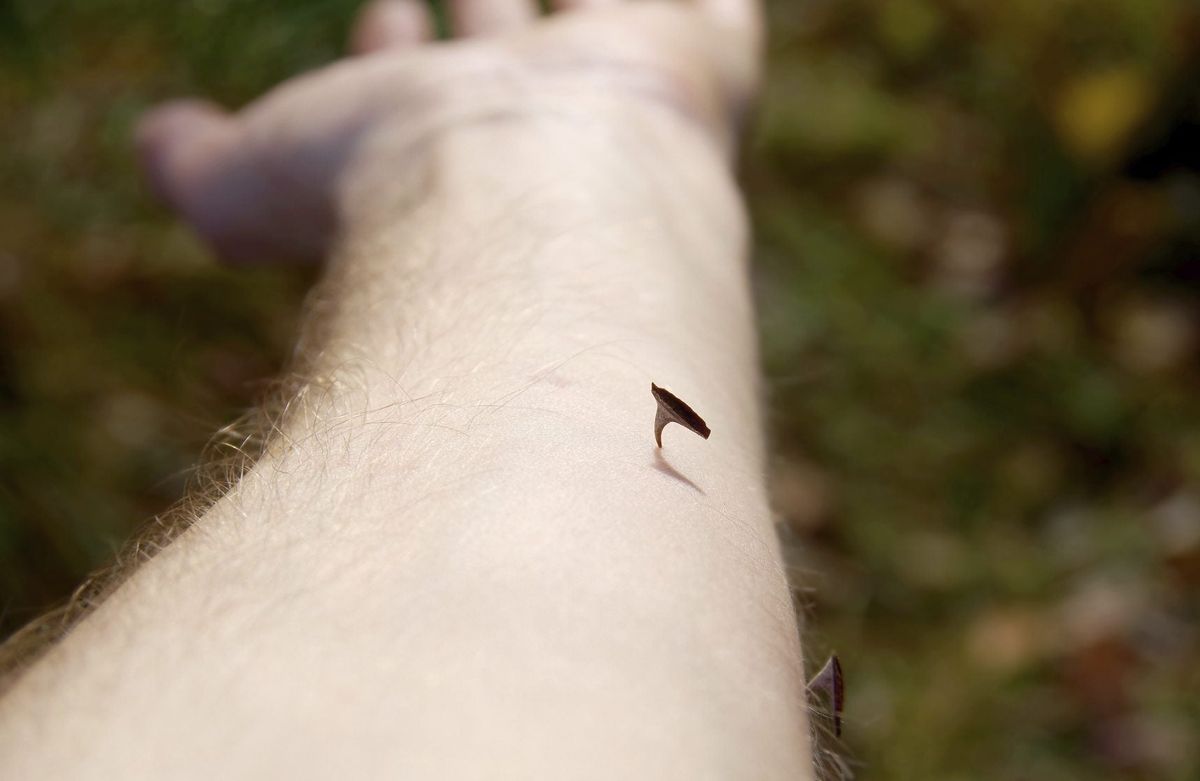
If you get pricked by a rose thorn, it’s important to take immediate action to minimize the risk of infection and alleviate any discomfort. Follow these steps to ensure proper care for the wound:
1. Clean the Wound: Rinse the area with clean water to remove dirt and debris. You can use mild soap if necessary.
2. Remove the Thorn: If the thorn is visible and protruding from the skin, gently grasp it with tweezers and pull it out at the same angle that it entered to prevent breaking it off inside.
3. Disinfect the Area: Apply an antiseptic solution or ointment to the affected area to help prevent infection.
4. Cover the Injury: If the puncture is deep, cover it with a sterile bandage and change it daily until it heals.
5. Watch for Infection: Monitor the wound for signs of infection, such as increased redness, swelling, or pus. If these symptoms appear, consult a healthcare professional.
How to Clean the Wound
Cleaning the wound properly is crucial for preventing infection. Here are the steps you should follow:
See also:
- Use tap water to flush the area gently, allowing the water to run over the wound.
- If available, apply a mild soap to the area and rinse thoroughly.
- Pat the area dry with a clean cloth or paper towel.
Removing the Thorn Safely
If the thorn remains embedded, it's essential to remove it properly to lessen complications:
- Wear gloves or wash your hands thoroughly before attempting to remove the thorn.
- Use sterile tweezers to pull the thorn out; grasp it firmly and pull straight out.
- If the thorn breaks off, seek medical attention for complete removal.
Using Antiseptics and Bandages
Applying an antiseptic is vital for wound care after cleaning and thorn removal:
- Choose an antiseptic solution such as hydrogen peroxide or rubbing alcohol.
- Apply the antiseptic gently on the wound using a clean cotton ball.
- Cover the area with an adhesive bandage or gauze for protection.
Recognizing Infection Signs
After a thorn prick, it's essential to monitor the wound for infection symptoms:
- Check for any signs of redness or increased warmth around the wound.
- Look out for swelling or pus drainage emanating from the injury.
- Be aware of any increasing pain or changes in the area which could signal infection.
When to Seek Medical Help
In some cases, medical attention may be required if complications arise:
- If the thorn is not fully removed or if you cannot reach it with tweezers.
- If you develop significant swelling, redness, or fever.
- If the wound does not begin to heal after several days or shows signs of infection.
Are rose bush thorns toxic to humans?
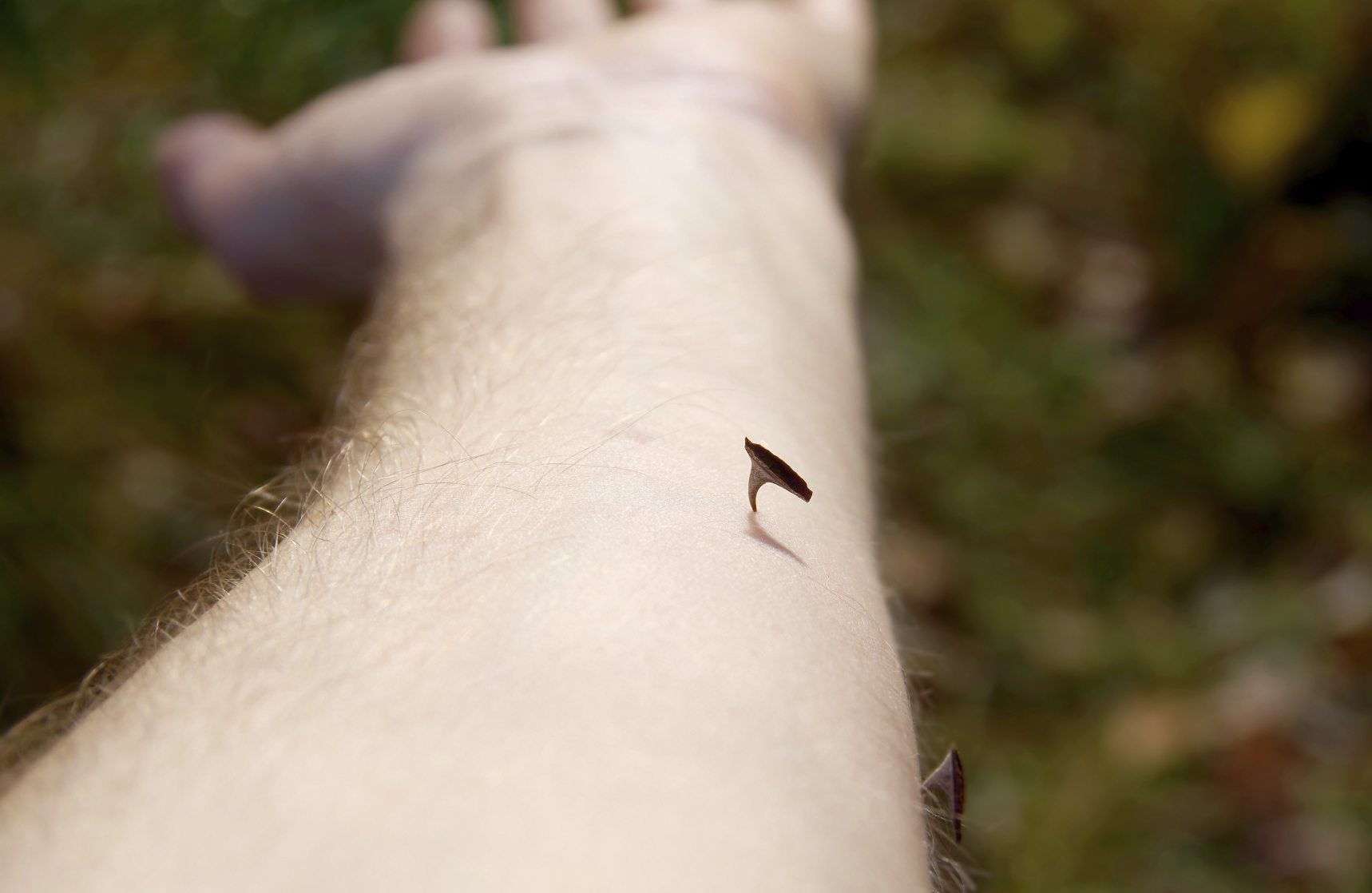
Rose bush thorns are not toxic to humans. However, they can pose certain risks if improper contact occurs. The thorns themselves are primarily composed of hardened plant material and do not contain any poisonous compounds. Despite this, there are aspects related to their presence that should be considered regarding potential harm.
Understanding Rose Bush Thorns
Rose bush thorns are sharp, pointed structures that help the plant defend itself against herbivores. Their main purpose is to deter animals from eating the leaves and flowers. To understand them better, consider the following points:
- Composition: Thorns are made of fibrous tissue that hardens as the plant grows.
- Location: Thorns are located primarily on the stems, making access to the flowers and leaves challenging for animals.
- Function: Their sharpness serves as a defensive mechanism for the rose bush.
Risks Associated with Thorn Contact
While the thorns are not toxic, direct contact can lead to injuries. When a thorn breaks the skin, there are some risks involved, mainly:
- Skin Puncture: Thorns can puncture the skin, resulting in pain and potential bleeding.
- Infection: If a thorn punctures the skin, it might introduce bacteria, leading to infections.
- Allergic Reactions: In rare cases, exposure to plants can trigger an allergic reaction in sensitive individuals.
First Aid for Thorn Injuries
If one comes into contact with rose bush thorns and sustains an injury, following first aid procedures is crucial. Here are the steps to take:
- Clean the Wound: Immediately wash the area with soap and water to remove any dirt or bacteria.
- Remove Thorn Fragments: If part of the thorn remains in the skin, carefully extract it using sterile tweezers.
- Apply Antiseptic: Use an antiseptic ointment to prevent infection before covering the wound with a bandage.
Potential Allergic Reactions
While the risk is low, some individuals may experience allergic reactions after coming in contact with rose thorns or the plant itself. Common symptoms include:
- Itching or Rashes: Skin contact can lead to redness and itchiness.
- Swelling: Affected areas may become swollen or irritated.
- Respiratory Issues: In rare cases, inhalation of pollen from roses might result in some respiratory problems for allergy sufferers.
Preventative Measures When Handling Roses
To minimize the risk of injury when working with rose bushes, consider these preventative measures:
- Wear Gloves: Always wear thick gardening gloves when pruning or handling rose bushes.
- Use Proper Tools: Utilize sharp tools like shears to minimize contact with the thorns.
- Be Cautious: Approach the plants carefully and be mindful of their thorny branches.
Can you get an infection from rose thorns?

Infections can potentially occur from rose thorns, primarily due to the presence of bacteria and other microorganisms on the thorn surface. When a person is pricked by a rose thorn, if the thorn carries these pathogens and penetrates the skin, it can lead to a localized infection.
Several factors can influence the likelihood of developing an infection from a thorn injury, such as the depth of the puncture, the person's overall health, and how quickly the wound is treated. It’s essential to keep the wound clean and monitor it for any signs of infection, which may include redness, swelling, warmth, and pus production.
Understanding Rose Thorn Infections
When you're pricked by a rose thorn, the injury is usually minor, but it can lead to infections if proper care is not taken. Rose thorns can harbor various bacteria and fungi, which can enter the body through the broken skin. This is particularly dangerous for individuals with weakened immune systems or those who have not had updated vaccinations against certain infections.
See also:
- Bacteria Types: Common pathogens that may cause infections include Staphylococcus aureus and Streptococcus, which are often found on the skin.
- Fungal Infections: Occasionally, fungi can also cause infections, particularly if the thorn penetrates deeply or if the wound is exposed to moisture.
- The Importance of Skin Integrity: Breaking the skin allows these microorganisms a pathway into the body, increasing the risk of infection.
Symptoms of Infection from Thorn Pricks
Recognizing the symptoms of an infection is crucial for prompt treatment. After a thorn injury, it’s essential to monitor the wound closely. Key symptoms of an infection may develop within a few days of the injury.
- Redness and Swelling: The area around the thorn prick may become red and swollen.
- Pain and Tenderness: You might experience increased pain or tenderness at the site of the injury.
- Pus Discharge: If the wound begins to ooze pus, this is a definitive sign of infection.
Treatment for Rose Thorn Induced Infections
If an infection does develop from a rose thorn injury, treatment may vary based on the severity and symptoms presented. Generally, managing the infection promptly is key to preventing further complications.
- Cleaning the Wound: The first step is always to clean the wound thoroughly with soap and water.
- Antibiotic Ointments: Applying topical antibiotic ointments can help prevent bacteria from growing.
- Medical Attention: Seeking medical help may be necessary if the infection worsens or does not improve with home care.
Preventing Infections from Thorn Pricks
Preventing infections begins with proper handling of rose plants and thorns. Taking a few precautions can greatly reduce the risk of infection from thorn injuries.
- Use Gardening Gloves: Wearing gloves while handling roses can protect your hands from thorns.
- Immediate Wound Care: Clean puncture wounds right away to minimize bacterial growth.
- Keep an Eye on the Wound: Regularly check for any signs of infection and take action early.
Who is at Higher Risk of Infection?
Certain individuals may be more susceptible to infections resulting from thorn injuries. Understanding who is at higher risk can help in taking better precautions.
- Immunocompromised Individuals: Those with weakened immune systems, including cancer patients or individuals with autoimmune diseases, should be particularly cautious.
- Diabetics: People with diabetes may have a harder time healing and are thus at risk for serious infections.
- Children and Elderly Adults: Age can also play a significant role, as both children and the elderly may have less robust immune responses.
What happens if a thorn pokes you?
When a thorn pokes you, the initial reaction is typically pain, followed by a range of physiological responses depending on the depth of the puncture and the type of thorn. Thorns can cause a break in the skin, allowing dirt and bacteria to enter the body, which can lead to infection. Depending on the severity of the wound, it may heal quickly or require medical attention.
The Immediate Reaction
When a thorn punctures the skin, the body immediately responds with pain signals sent to the brain. This is due to the activation of nociceptors, which are sensory neurons that respond to damaging stimuli. The immediate effects can include:
- Pain perception, varying from mild to severe.
- Swelling around the puncture site as blood vessels dilate.
- Inflammation as the body begins to fight off potential infection.
Possible Injuries from Thorn Punctures
Thorns can cause various types of injuries, ranging from superficial cuts to deeper puncture wounds. The potential injuries include:
- Skin Abrasions: Scrapes can occur, leading to redness and tenderness.
- Puncture Wounds: They can penetrate deeper layers of skin and muscle tissue.
- Deep Tissue Injury: If the thorn is long or sharp, it may damage nerves or blood vessels.
Infection Risks
One of the significant concerns after a thorn puncture is the risk of infection. Bacteria can enter through the break in the skin, leading to complications. The main factors that influence infection risks include:
- Type of Thorn: Some thorns are associated with soil bacteria like Clostridium tetani, which causes tetanus.
- Depth of Injury: Deeper punctures are more likely to trap bacteria.
- Care Taken Post-Injury: Proper cleaning can help reduce infection risk.
Signs of Complications
After a thorn puncture, monitoring for signs of complications is crucial. Common symptoms of complications include:
- Increased Redness: Surrounding redness and warmth can suggest infection.
- Persistent Pain: Ongoing or worsening pain may indicate deeper injury.
- Fever: A fever can be a systemic response to infection.
Treatment Options
Treatment for a thorn puncture largely depends on the severity of the injury. Common treatment options include:
- Cleansing the Wound: Thoroughly wash the area with soap and water.
- Antibiotics: Topical or oral antibiotics may be prescribed if an infection is suspected.
- Medical Attention: In more severe cases, professional medical treatment may be necessary.
Questions from Our Readers
Is it dangerous to get pricked by a rose thorn?
Getting pricked by a rose thorn is generally not dangerous, but it can be painful and may lead to a minor injury. If the thorn causes bleeding, it’s important to clean the wound properly to prevent infection.
What should I do if I get pricked by a rose thorn?
If you get pricked by a rose thorn, first, wash the affected area with soap and water to remove any dirt or bacteria. After cleaning, apply an antiseptic ointment and cover the area with a bandage to keep it protected.
Can I get an infection from a rose thorn prick?
Yes, there is a risk of infection if the thorn causes a cut and is not cleaned properly. It’s essential to watch for signs of infection, such as redness, swelling, or pus, and seek medical attention if these symptoms arise.
How can I prevent getting pricked by rose thorns?
To prevent getting pricked by rose thorns, consider wearing gardening gloves when handling roses and be cautious during pruning. Additionally, maintain a safe distance when admiring blooming roses to avoid accidental pricks.
See also:

If you want to read more articles like Is it Bad to Get Pricked by a Rose Thorn? Understanding the Risks and Remedies, we recommend you check out our Roses category.
Leave a Reply
Related Articles